

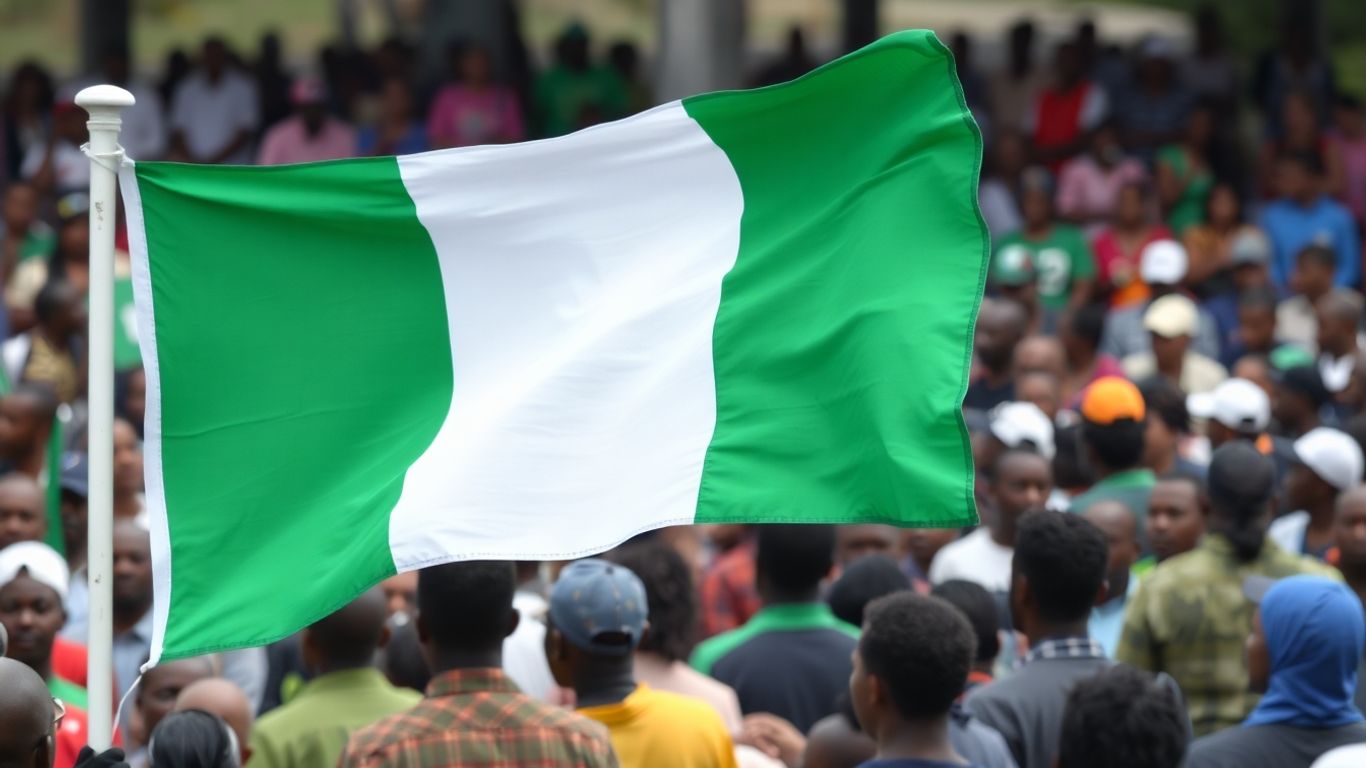

Even after 65 years, you can still feel the old British vibes hanging around Nigeria. It’s like a long shadow that just won’t go away. When the country finally got its independence back in 1960, everyone was buzzing with hope, thinking Nigeria would finally be its own boss.
But looking back, it’s clear that the colonial days left some deep marks. These aren’t just old stories; they affect how things work even now, shaping a lot of Nigeria’s post-colonial challenges.
Lingering Scars Of British Rule
The British were here for a long time, and they set things up in a certain way. When they left, they didn’t exactly hand over a perfectly organized system. Things like education and how different regions were treated were pretty uneven. Some places got more attention and resources than others, and that imbalance didn’t just disappear overnight.
It’s still something that pops up in discussions about fairness and opportunity across the country. It makes you wonder about the real impact of independence on Nigeria when these old divisions still seem to matter.
The Shadow Of Foreign Influence
It’s not just about the past, though. Even today, there’s a sense that Nigeria is still influenced by outside powers, especially when it comes to money. We’ve got tons of natural resources, like oil, but we often end up relying on other countries for so many things we use every day.
It feels like we’re not fully in control of our own economy, which is a big part of what true independence should mean. It’s a tricky situation, trying to stand on your own two feet when so much is still tied to what happens elsewhere.
The journey to true self-rule is more than just raising a flag; it’s about building systems and mindsets that are genuinely free from external control and internal division, allowing the nation to chart its own course based on its own strengths and needs. This ongoing process requires a clear-eyed look at how the past continues to shape the present, and a determined effort to forge a different future.
Economic Independence: A Persistent Struggle
Sixty-five years after gaining political freedom, Nigeria’s economic landscape tells a story of persistent challenges. Despite being blessed with abundant natural resources, particularly oil, the nation’s economy remains fragile, heavily reliant on the unpredictable global oil market.
This over-dependence means that fluctuations in international oil prices can send ripples of instability throughout the country, impacting everything from government revenue to the cost of everyday goods. It’s a cycle that has kept true economic self-sufficiency just out of reach for too long.
Over-reliance On Oil Exports
The nation’s wealth has been disproportionately tied to crude oil for decades. While oil has brought in significant foreign exchange, it has also overshadowed the development of other vital sectors.
This singular focus means that when oil prices dip, the entire economy feels the pinch, leading to budget shortfalls and a slowdown in development projects. It’s like having all your eggs in one basket, and that basket is constantly being jostled by global market forces.
The Challenge Of Local Manufacturing
Walk into many Nigerian markets, and you’ll see a sea of imported goods. From electronics and vehicles to textiles and even some food items, the reliance on foreign products is striking.
This isn’t just a matter of preference; it’s a symptom of a struggling local manufacturing sector. High production costs, inadequate infrastructure, and policies that sometimes favour imports over local production have made it difficult for Nigerian businesses to thrive and compete. We have the talent and the raw materials, but turning them into finished goods that can satisfy local demand and even be exported remains a significant hurdle.
Dependence On Imports
This reliance on imports extends to many basic necessities and industrial components. Businesses often have to import raw materials or machinery, adding to their operational costs and making their final products more expensive. This creates a situation where Nigerians end up paying more for goods that could potentially be produced domestically.
It feels like a continuous loop, where the country’s own resources are exported, and then the processed goods are imported back at a higher price.
The dream of economic independence is more than just about having natural resources; it’s about having the capacity to process those resources, manufacture goods, and meet the needs of our own people without constant reliance on external markets. It requires a deliberate shift in policy and investment towards building a robust, diversified, and self-sustaining economy that benefits all Nigerians.
It’s a complex web, and untangling it requires a concerted effort to build up local industries, support entrepreneurs, and create an environment where Nigerian-made products can flourish. The path to true economic freedom is paved with innovation, investment, and a commitment to self-reliance.
The Political Scene
It’s been 65 years, and honestly, the political scene in Nigeria often feels like a rerun of the same old movie. We have a system that looks good on paper, a federal republic with states and a capital, all set up like the United States.
The president is the big boss, head of state and government, elected for a few terms. Governors do their thing in the states, also for a set time. There’s a National Assembly with a Senate and a House, meant to keep things in check. Sounds solid, right? But then you look closer.
Governance Challenges Since Independence
Since independence, Nigeria has been trying to figure out how to run itself effectively. It’s a constant balancing act, trying to make sure everyone feels represented and that the country moves forward. There have been periods of military rule, which really messed with the democratic process, and then the return to civilian government.
Each transition has brought its own set of problems, from setting up stable institutions to dealing with the expectations of a growing population. It’s a tough road, and sometimes it feels like we’re taking two steps forward and one step back.
The Cycle Of Corruption And Mismanagement
This is a big one, and it’s hard to ignore. Corruption has been a persistent shadow over Nigeria’s development. It’s like a disease that eats away at resources meant for public good, for schools, hospitals, and roads. When money meant for progress gets siphoned off, it directly impacts the lives of ordinary people.
This mismanagement also means that even when there are good intentions, the execution often falls short. Projects get delayed, funds disappear, and the promised improvements never quite materialize. It’s frustrating to see so much potential wasted.
The constant struggle with corruption and mismanagement means that the promises made by leaders often remain just that – promises. This erodes public trust and makes it harder for the government to implement necessary changes, leaving many citizens feeling disillusioned and unheard.
Accountability In Leadership
Are leaders truly answerable for their actions, or for their inactions? For a long time, it’s felt like there’s a gap. When things go wrong, it’s often difficult to pinpoint responsibility or to see consequences for those in power. This lack of accountability can create an environment where mistakes are repeated, and bad practices continue unchecked.
Building a system where leaders are genuinely answerable to the people they serve is a massive task, but it’s absolutely necessary if Nigeria is to truly move forward and build a future that works for everyone.
Social Realities And National Identity
Sixty-five years after gaining independence, the reality for many Nigerians is a daily struggle with poverty and a lack of basic necessities. It’s a stark contrast to the ideals of freedom and prosperity that independence was meant to bring. Access to quality healthcare and education, two cornerstones of a self-sufficient nation, remains a significant challenge.
Many health facilities are underfunded and lack proper equipment, forcing citizens to seek help from international organizations, which feels like a step backward. Similarly, schools often struggle with basic facilities, and the reliance on foreign educational materials means we’re not always learning what’s most relevant to our own context. This dependence on external solutions for fundamental needs raises questions about how truly free we are.
Poverty And Access To Basic Needs
The persistent issue of poverty means that for a large segment of the population, the concept of independence is overshadowed by the daily grind of survival. Getting enough to eat, having clean water, and finding decent shelter are daily battles.
This lack of basic security makes it hard for people to even think about national progress or their role in it. It’s a cycle that’s difficult to break when the most immediate needs aren’t being met.
The State Of Education And Healthcare
When we talk about independence, we should be able to point to a strong, self-reliant education and healthcare system. Yet, many Nigerian schools are still trying to make do with limited resources, and the healthcare sector often finds itself looking outwards for support.
This reliance on foreign aid and expertise for things as basic as treating illnesses or educating our children doesn’t quite feel like true freedom. It suggests we haven’t fully built the capacity to care for our own people.
Cultural Dependence And National Pride
Beyond the economic and political, there’s also the question of our cultural identity. We often find ourselves celebrating foreign trends and admiring global icons, sometimes at the expense of our own rich traditions.
This outward focus can dilute our sense of self and national pride. True independence should also mean confidently embracing and promoting our unique heritage, arts, and culture, showing the world who we are on our own terms, not just as a reflection of others.
The constant admiration of foreign cultures and products, while neglecting our own, creates a subtle but pervasive form of dependence. It impacts how we see ourselves and what we value, making it harder to build a strong, unified national identity rooted in our own strengths and heritage.
A Call To Action For Nigeria At 65
As Nigeria marks 65 years since its independence, it’s a moment that calls for more than just reflection; it demands action. This nigeria 65 years independence milestone isn’t just a date on the calendar, but a prompt for us to seriously consider the state of nigeria after 65 years.
We’ve had our nigeria’s freedom anniversary, but true freedom is something we must actively build and maintain. It’s about looking at what we have and what we can do better, together.
Harnessing Local Talent And Innovation
We’ve got so much talent right here in Nigeria. Instead of always looking elsewhere, we need to really invest in our own people. Think about the young minds with brilliant ideas, the skilled artisans, the creative thinkers. We need to give them the platforms and the resources to shine.
This means supporting local businesses, encouraging new ventures, and making sure that innovation isn’t just a buzzword but a real part of our economy. When we build things here, we create jobs and keep wealth within our own borders. It’s a simple idea, but it’s powerful.
Empowering Communities For Self-Sufficiency
Real progress often starts from the ground up. We need to look at how we can make our communities stronger and more self-reliant. This could mean supporting local farming initiatives so we don’t have to import so much food, or investing in local power solutions so communities aren’t always waiting for the national grid.
When communities can meet their own needs, they become more resilient and less dependent on external forces. It’s about giving people the tools and the opportunities to take control of their own futures, right where they live.
A Collective Commitment To Progress
Ultimately, moving forward requires all of us to be on the same page. It’s not just up to the government or a few leaders. Every Nigerian has a role to play. This means holding ourselves and our leaders accountable, demanding transparency, and working together across different groups and regions.
We need to move past old divisions and focus on what unites us – the shared desire for a better Nigeria. It’s a big task, no doubt, but if we all commit to making a difference, even in small ways, we can shape a future that truly reflects the independence we celebrate.
The journey towards genuine self-determination is ongoing. It requires a conscious effort from every citizen to contribute to nation-building, moving beyond mere celebration to active participation in shaping a prosperous and independent future for Nigeria.
Discussion about this post