


Tree pruning is an essential part of tree maintenance. It helps keep your trees healthy and looking good. Think of pruning as a check-up for your trees – it’s not just about making them look nice, but also about ensuring they live long and grow strong.
When you prune your trees the right way, you:
- Remove dead or sick branches
- Shape the tree’s canopy so sunlight can reach all parts
- Prevent potential dangers like falling branches
- Encourage better growth patterns
- Maintain the tree’s natural shape
Many beginners feel scared when they think about pruning their trees. You might worry about hurting your plants or making mistakes that can’t be fixed. This guide is here to help you. It will take you through the important steps of tree pruning, giving you the knowledge to do it confidently.
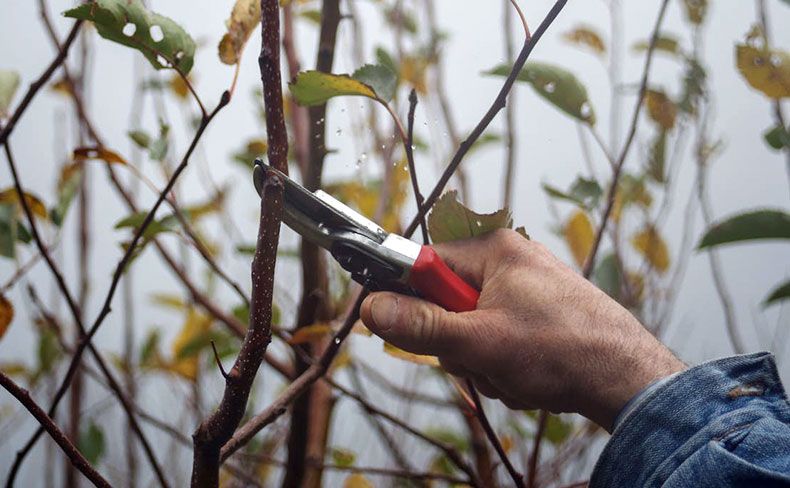
Whether you have fruit trees in your backyard or decorative trees in your garden, knowing how to prune properly will help you keep them healthy and beautiful. This will make your outdoor space more enjoyable for many years.
Tree Pruning
Tree pruning is a precise horticultural practice that involves the selective removal of specific parts of a tree, including branches, buds, or roots. This deliberate cutting serves to shape the tree’s growth pattern and maintain its structural integrity.
Key Benefits of Regular Tree Pruning:
1. Enhanced Tree Health
- Removes diseased or infected branches
- Prevents pest infestations
- Improves air circulation through the canopy
- Allows better sunlight penetration
2. Structural Improvements
- Reduces risk of falling branches
- Balances weight distribution
- Strengthens the tree’s core structure
- Directs growth in desired directions
3. Aesthetic Value
- Creates appealing shapes
- Controls tree size
- Maintains landscape proportions
- Increases property value
Common Pruning Misconceptions:
- “The more you prune, the better” – Excessive pruning stresses trees and can lead to decline
- “Any time is good for pruning” – Different trees require pruning at specific times
- “All cuts heal naturally” – Improper cuts can create entry points for diseases
- “Topping trees is beneficial” – This practice damages tree structure and health
You’ll need to understand these fundamentals before picking up your pruning tools. A well-pruned tree not only looks better but also lives longer and requires less maintenance over time.
Steps to Prune Trees Effectively
Proper tree pruning requires a systematic approach to ensure the best results for your tree’s health and appearance. Let’s break down the essential steps you need to follow for successful pruning.
Step 1: Identify the Branches to Be Pruned
Your first task is to spot branches that need removal. Here’s what to look for:
Dead or Diseased Branches
- Bark appears cracked, peeling, or discolored
- Branches feel brittle and snap easily
- No leaves during growing season
- Fungal growth or unusual spots
- Dark or soft areas indicating rot
Problem Branches
- Crossing or rubbing against other branches
- Growing toward the tree’s center
- Blocking paths or structures
- Extending into power lines
- Multiple branches competing for dominance
Structural Issues
- Water sprouts (small shoots growing straight up)
- Suckers emerging from the tree base
- V-shaped branch unions prone to splitting
- Branches growing at angles less than 45 degrees
- Storm-damaged limbs
Airflow and Light Penetration
- Dense areas where branches crowd each other
- Sections blocking sunlight from reaching inner branches
- Areas with poor air circulation leading to disease
- Branches creating excessive shade on lower growth
A thorough inspection helps identify these issues. Walk around your tree multiple times, viewing it from different angles. Consider using binoculars for taller trees to spot problems in higher branches. Mark branches requiring removal with brightly colored tape or string to create a clear pruning plan.
Remember to assess the overall tree structure while identifying branches for removal. Your goal is to maintain or enhance the tree’s natural shape while addressing health and safety concerns.
Step 2: Use the Right Tools for Pruning
Successful tree pruning starts with selecting the right tools for your specific needs. Here’s your essential pruning toolkit:
1. Hand Pruning Shears
- Perfect for branches up to ½ inch in diameter
- Ideal for precision cuts on small branches and twigs
- Available in bypass or anvil styles – bypass shears work best for live branches
2. Loppers
- Handle branches between ½ to 2 inches thick
- Extended handles provide extra leverage for tough cuts
- Useful for reaching higher branches without a ladder
- Choose models with telescoping handles for additional reach
3. Pruning Saw
- Essential for branches larger than 2 inches in diameter
- Curved blades offer better control and cutting efficiency
- Available in both manual and powered options
4. Tool Maintenance Tips
- Clean your tools with rubbing alcohol between cuts to prevent disease spread
- Sharpen blades regularly for clean, precise cuts
- Store tools in a dry place to prevent rust
- Replace worn-out tools promptly to avoid damaging branches
5. Safety Equipment
- Safety glasses protect your eyes from falling debris
- Heavy-duty gloves guard against thorns and sharp edges
- Hard hat recommended when pruning overhead branches
- Non-slip shoes provide stable footing
Remember to match your tool to the branch size – using undersized tools can damage both the equipment and your tree. Keep your tools clean and sharp for smooth, healing-friendly cuts that promote healthy tree growth.
Step 3: Prune at the Right Time
Timing plays a critical role in successful tree pruning. The right season for pruning directly impacts your tree’s healing process and future growth patterns.
When to Prune
The dormant season – typically December through February in India – creates ideal conditions for pruning most tree species. During these winter months, trees enter a natural rest period with minimal sap flow and reduced biological activity. This dormancy allows:
- Faster wound healing
- Reduced risk of disease transmission
- Better visibility of branch structure
- Minimal stress on the tree
- Protection against pest infestations
You’ll want to avoid pruning during these periods:
- Rainy season (increased fungal disease risk)
- Peak summer (excessive stress on trees)
- Fall (stimulates unwanted new growth)
- During flowering or fruiting phases
Special Timing Considerations
- Fruit trees: Prune after harvest
- Flowering trees: Cut back shortly after blooms fade
- Young trees: Light pruning can occur year-round
- Emergency pruning (damaged/hazardous branches): Address immediately regardless of season
The dormant season offers clear advantages for pruning, but specific timing requirements vary by tree species. Mango trees benefit from post-harvest pruning, while neem trees respond well to early spring cuts. Understanding your tree species’ growth patterns helps determine the most effective pruning schedule.
Step 4: Make the Cut Correctly
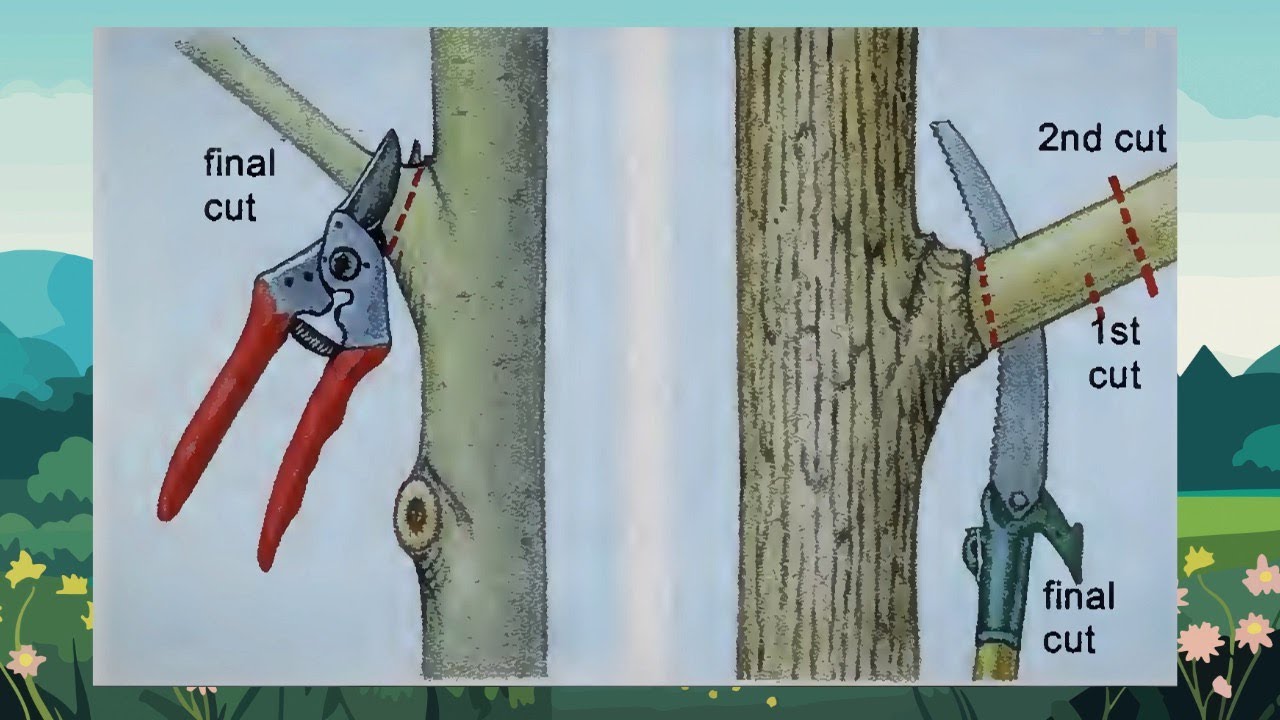
Proper cutting technique is critical for successful tree pruning. The branch collar – a swollen area where the branch connects to the trunk – is your guide for precise cuts.
Here’s how to execute the perfect pruning cut:
- Position your cutting tool at a 45-degree angle just outside the branch collar
- Make a clean, swift cut without leaving rough edges or bark tears
- Ensure the cut surface faces slightly downward to prevent water collection
For larger branches, follow the three-cut method:
- Make an undercut 12-18 inches from the trunk
- Create a top cut slightly further out to prevent bark tearing
- Complete the final cut near the branch collar
Common cutting mistakes to avoid:
- Cutting too close to the trunk (flush cuts)
- Leaving long stubs extending from the tree
- Creating jagged or rough cut surfaces
- Making cuts parallel to the trunk
The proper cutting angle allows the tree’s natural defense system to form a protective callus over the wound. This healing process prevents disease-causing organisms from entering the tree while supporting optimal recovery.
A clean cut also reduces the risk of:
- Fungal infections
- Insect infestations
- Decay spread
- Water damage
- Delayed healing
Remember to sanitize your cutting tools between each cut when dealing with diseased branches to prevent spreading infections throughout the tree.
Step 5: Dispose of Pruned Branches Properly
Responsible disposal of pruned branches plays a vital role in maintaining a clean environment and preventing disease spread. You have several eco-friendly options to handle your tree pruning waste:
Convert to Firewood
- Cut larger branches into manageable lengths
- Allow wood to dry properly before use
- Store in a covered, well-ventilated area
Create Mulch or Compost
- Shred smaller branches and twigs
- Mix with other organic materials
- Use as nutrient-rich mulch around plants
- Add to your compost pile in reasonable quantities
Green Waste Collection
- Check your local waste management guidelines
- Bundle branches according to size requirements
- Schedule special pickups for large amounts
- Remove any non-organic materials
Disease Prevention Guidelines
- Dispose infected branches separately
- Never compost diseased plant material
- Burn infected materials when permitted
- Double-bag diseased branches for disposal
Local Regulations
- Contact municipal authorities for disposal rules
- Verify burning restrictions in your area
- Identify approved disposal facilities
- Learn about seasonal disposal requirements
Many communities offer specific guidelines for yard waste disposal. You can contact your local waste management department to learn about designated drop-off locations, collection schedules, and size restrictions for branch disposal.
Common Mistakes in Tree Pruning and How to Avoid Them
Tree pruning requires skill and knowledge – one wrong cut can cause lasting damage to your tree. Here are critical mistakes you need to avoid:
1. Over-pruning: The Silent Tree Killer
- Removing more than 25% of live branches stresses the tree
- Creates unsightly bare spots that take years to fill in
- Weakens the tree’s natural defense systems
- Makes trees vulnerable to pest infestations and diseases
- Disrupts the tree’s ability to produce food through photosynthesis
2. Poor Cutting Techniques
- Making flush cuts against the trunk damages the tree’s natural healing process
- Leaving branch stubs creates entry points for diseases
- Creating jagged or torn cuts slows down healing
- Making cuts at wrong angles leads to water collection and rot
3. Timing and Tool Mistakes
- Pruning during active growth seasons depletes the tree’s energy
- Using dull or dirty tools increases the risk of infection
- Applying wound dressings prevents natural healing
- Making cuts without proper support causes bark tearing
4. Branch Selection Errors
- Removing too many lower branches affects trunk development
- Cutting off major branches larger than 4 inches in diameter
- Taking out healthy branches instead of damaged ones
- Ignoring the natural shape and growth pattern of the tree
Remember: Each cut is a wound that needs to heal. Proper pruning techniques minimize stress and support your tree’s long-term health.
When Should You Consult a Professional Arborist?
While learning how to prune trees can empower you to maintain your garden, certain situations demand professional expertise. Here are specific scenarios that call for an arborist’s skills:
Safety-Critical Situations:
- Trees near power lines or electrical installations
- Dead or unstable branches hanging over structures
- Trees showing signs of internal decay
- Branches extending over public walkways
Complex Tree Care Requirements:
- Trees taller than 15 feet
- Pruning needs requiring climbing equipment
- Trees with structural issues or multiple trunks
- Storm-damaged trees requiring emergency care
Special Circumstances:
- Heritage trees needing preservation
- Trees affected by diseases requiring expert diagnosis
- Root system problems impacting building foundations
- Trees with unusual growth patterns requiring specialized pruning
Legal Requirements:
- Protected tree species in your area
- Trees subject to local preservation orders
- Situations involving property boundaries
- Projects requiring municipal permits
A certified arborist brings specialized knowledge, proper equipment, and insurance coverage to handle these challenging scenarios. Their expertise helps prevent accidents, property damage, and potential legal issues while ensuring your trees receive appropriate care aligned with professional standards.
Conclusion: Take Charge of Your Trees’ Health!
You’ve now gained valuable knowledge about proper tree pruning techniques. Armed with this understanding, you can confidently tackle basic pruning tasks while prioritizing both tree health and personal safety.
Remember these key points for successful pruning:
- Use sharp, clean tools appropriate for the job
- Make precise cuts at the right locations
- Choose the correct season for pruning
- Watch for signs that require professional intervention
Your trees depend on your care and attention. Regular pruning, when done correctly, helps create a thriving, beautiful landscape that enhances your property’s value and provides countless environmental benefits.
Don’t hesitate to start small – practice on lower branches and gradually build your confidence. For complex situations or larger trees, professional arborists stand ready to help. Your role as a responsible tree caretaker makes a significant impact on the health and longevity of your trees.
Ready to begin? Pick up those pruning shears and give your trees the care they deserve!
Discussion about this post