

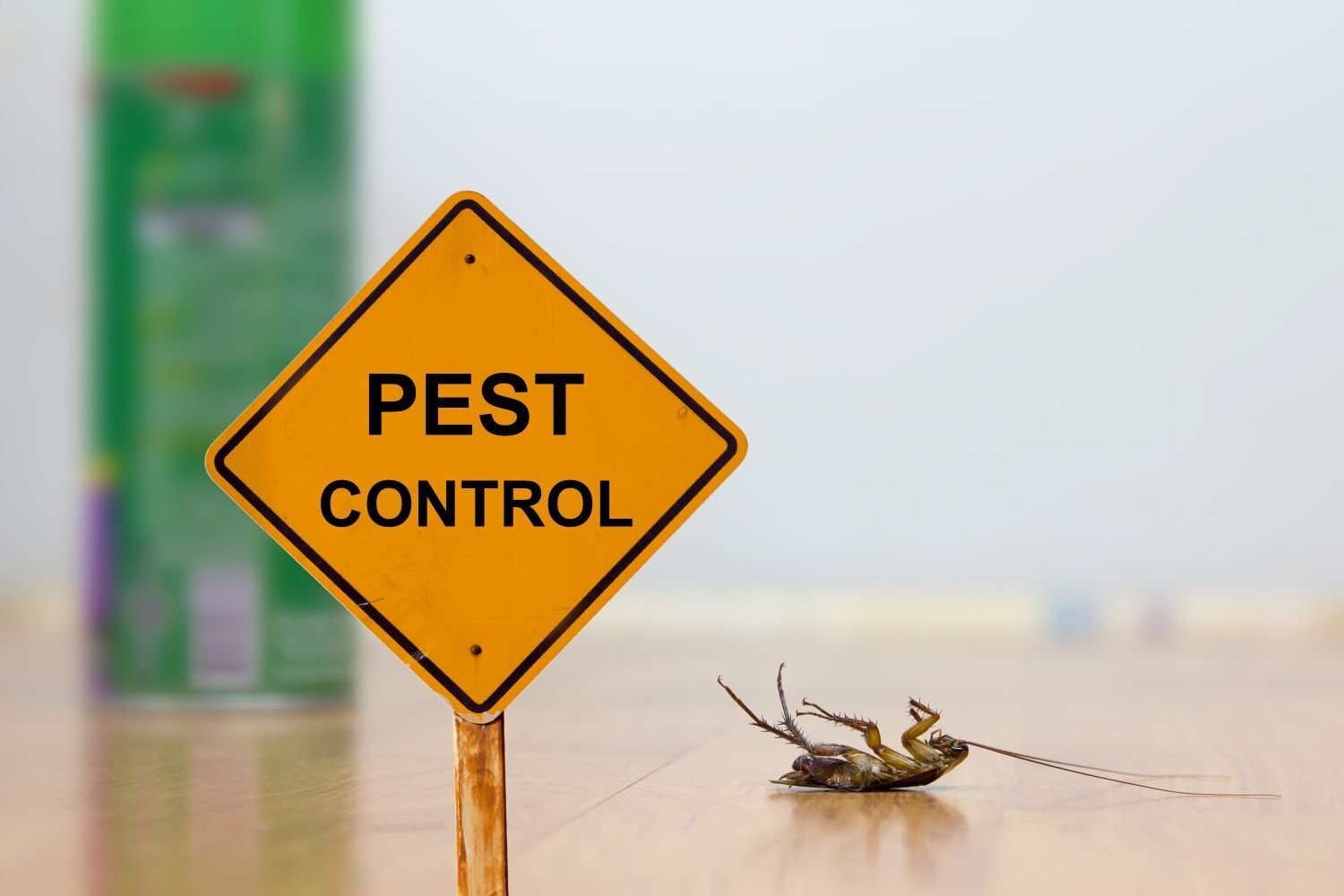

Chemical pesticides can harm us and the environment. Instead, try natural pest control and repellent methods to keep your space pest-free.
Natural pest control is safer and works well. It can keep your home and garden free from pests. This is a better choice than chemical pesticides.
Chemical pesticides can cause health problems. They can affect breathing, nerves, hormones, and even cause birth defects. Natural methods like citronella oil, chalk, or diatomaceous earth are safer.
These natural options can repel many pests. They are a good choice instead of chemical pesticides. Learning to use them can greatly improve your home and garden.
Why Natural Pest Control Matters
Natural pest control is key to a healthy ecosystem. It helps us avoid chemical pesticides and keeps our homes safe for families and pets. Eco-friendly methods, like repelling bugs without chemicals, are good for both us and the planet.
Chemical pesticides can harm us and the environment. They can cause breathing and brain problems, mess with hormones, and even lead to birth defects. Natural pest control is a safer choice, protecting our homes and gardens without harming us or the planet.
The Hidden Dangers of Chemical Pesticides
Chemical pesticides can pollute soil, water, and air, harming us and the environment. They can also make pests resistant, making them less effective over time. Natural methods, like essential oils and herbs, are safer and just as effective.
Benefits of Natural Pest Management
Natural pest management has many benefits. It reduces harm to the environment, improves our health, and boosts crop yields. By using eco-friendly methods, we can create a balanced ecosystem that supports healthy plants and reduces chemical use. Effective natural methods include garlic spray, essential oil sprays, and physical barriers.
Environmental Impact Considerations
The harm caused by chemical pesticides is a big worry. They can pollute soil, water, and air, threatening our health and the environment. Natural pest control offers a safer way to protect our homes and gardens, without harming the planet. By choosing DIY and eco-friendly methods, we can reduce our environmental impact and create a healthier world.
Essential Natural Materials for Pest Control
Looking into natural pest control options reveals key materials. These can be used to make insect repellent methods that work well and are eco-friendly. Citrus peels, cinnamon, and garlic are among the most used.
These items help in making homemade pest control remedies that are simple to prepare and use. Garlic, for instance, fights off fungus gnats, codling moths, and spider mites. Basil protects against tomato hookworms, which can harm crops a lot.
Other natural materials for pest control include:
- Spearmint and peppermint, which repel flies, fleas, and spiders
- Sage, which has a strong effect against moths and butterflies
- Lemongrass, which naturally contains citronella, a known mosquito repellent
Using these natural materials lets you create safe natural pest control options for your family and the environment. Always mix these materials with other insect repellent methods for the best results.
| Material | Pest Controlled | Effectiveness |
|---|---|---|
| Garlic | Fungus gnats, codling moths, spider mites | High |
| Basil | Tomato hookworm infestations | High |
| Spearmint and peppermint | Flies, fleas, spiders | Medium |
How to Chase Insect Pests Away Using Kitchen Ingredients
Many people don’t think about using kitchen ingredients for pest control. Yet, these items can be key in keeping pests away without chemicals. For example, a mix of 50% vinegar can keep small insects away. It works by using its strong smell to repel pests safely.
Citrus peels and spicy ingredients are also great for pest control. Peels from lemons or oranges can keep spiders and other pests away. Spicy things like cayenne pepper can stop ants and other bugs. You can make different pest control solutions with these ingredients, like sprays, traps, barriers, and repellents.
Vinegar-Based Solutions
Vinegar is very useful for pest control. You can mix it with water to make a spray that keeps insects away. Or, you can use it to make traps that catch and kill pests. It’s also found in many eco-friendly pest products, making it a favorite for those avoiding chemicals.
Citrus Peels and Their Uses
Citrus peels are another great tool against pests. Lemon water can keep spiders away, while orange peels can repel ants and other bugs. You can use citrus peels to make different pest control solutions, like sprays, traps, barriers, and repellents.
Spicy Deterrents That Work
Spicy ingredients like cayenne pepper can keep ants and other insects away. You can mix them with water to make a spray or use them in traps. Spicy ingredients are a big part of many DIY pest control methods and are good for eco-friendly solutions.
| Ingredient | Use | Effectiveness |
|---|---|---|
| Vinegar | Repel insects | High |
| Citrus peels | Repel spiders and ants | Medium |
| Cayenne pepper | Deter ants and insects | High |
Creating Natural Barriers Against Insects
Using natural pest control options is a smart way to keep insects out. You can set up a barrier by using insect repellent methods like diatomaceous earth and citrus. These barriers can cut down on the need for chemical pest control, adding to your homemade pest control remedies.
Some plants, like garlic, basil, and lemongrass, naturally keep insects away. For instance, garlic can keep fungus gnats, codling moths, and spider mites at bay. Basil, on the other hand, can fend off tomato hookworms and mosquitos.
Here are some plants that can help keep insects out:
- Garlic: repels fungus gnats, codling moths, and spider mites
- Basil: repels tomato hookworms and mosquitos
- Lemongrass: repels mosquitos
- Marigolds: deter insects and small rodents
By adding these plants to your garden or using their essential oils, you can make a natural barrier. This method is not only effective but also safe for everyone and the environment. It’s a great natural pest control option for those seeking homemade pest control remedies.
| Plant | Insect Repelled |
|---|---|
| Garlic | Fungus gnats, codling moths, spider mites |
| Basil | Tomato hookworms, mosquitos |
| Lemongrass | Mosquitos |
| Marigolds | Insects and small rodents |
Companion Planting Strategies for Pest Prevention
Using DIY pest prevention in your garden is simple. Just pick the right companion plants. These plants can repel insects, making your garden safe without chemicals. This method is good for the planet and your health.
Basil, borage, and chamomile are great for keeping bugs away. Basil fights off flies and mosquitoes. Borage keeps tomato hornworms and cabbage worms at bay. Chamomile, on the other hand, keeps mosquitoes away and attracts helpful insects.
Best Plants That Repel Insects
- Basil: repels flies, mosquitoes, carrot flies, asparagus beetles, and whiteflies
- Borage: repels tomato hornworms and cabbage worms
- Chamomile: repels mosquitoes and attracts beneficial insects like ladybugs and hoverflies
- Mint: repels aphids, cabbage moths, carrot flies, spider mites, and ants
- Rosemary: repels cabbage worms, Mexican bean beetles, carrot flies, and mosquitoes
Adding these plants to your garden makes a natural barrier against pests. This eco-friendly method is simple and effective.
Garden Layout Tips
Think about your garden’s layout when planting companion plants. Some plants, like fennel, should be kept separate. Others, like marigolds and nasturtiums, can be planted with veggies and herbs to keep pests away.
| Plant | Pests Repelled | Benefits |
|---|---|---|
| Basil | Flies, mosquitoes, carrot flies, asparagus beetles, and whiteflies | Repels insects, attracts beneficial insects |
| Chamomile | Mosquitoes | Repels insects, attracts beneficial insects |
| Mint | Aphids, cabbage moths, carrot flies, spider mites, and ants | Repels insects, can be used in DIY pest prevention techniques |
By using these tips and adding companion plants, you can make a natural pest control system. It’s easy to keep up and good for the environment.
Using Essential Oils as Natural Repellents
Essential oils are a great natural pest control option. Oils like lavender, eucalyptus, and peppermint can keep mosquitoes away. You can use them by diffusing them at home or applying them to your skin.
Lemon eucalyptus oil is very effective, protecting against mosquitoes for 3 hours. Citronella oil works just as well as DEET. Thyme and geraniol are also good for keeping pests away.
It’s key to use essential oils safely. Always mix them with a carrier oil and test them first. Here are some top oils for pest control:
- Lemon eucalyptus oil: provides over 95% protection against mosquitoes for 3 hours
- Citronella oil: can be as effective as DEET
- Thyme oil: has been shown to kill mosquito eggs and repel adult mosquitoes
- Geraniol: provides effective protection for 2 to 4 hours, depending on the mosquito species
Adding essential oils to your natural pest control options is a smart move. It’s a safe way to keep insects away and your home pest-free. Always follow safety tips and choose high-quality oils for the best results.
| Essential Oil | Protection Rate | Duration |
|---|---|---|
| Lemon Eucalyptus Oil | 95% | 3 hours |
| Citronella Oil | Up to 100% | 2 hours |
| Thyme Oil | 91% | 60-90 minutes |
| Geraniol | Up to 100% | 2-4 hours |
Physical Barriers and Traps for Pest Management
Physical barriers and traps are great for keeping pests out of your home. Installing window and door screens can block flying insects by up to 90%. This method is safe and doesn’t use harmful chemicals.
Many people want to keep bugs away without using chemicals. Physical barriers like natural sticky traps and light traps can help. These methods are not only effective but also save money, costing 30-50% less than chemical methods.
Types of Physical Barriers and Traps
- Window and door screens to prevent insect entry
- Natural sticky traps to capture insects
- Light traps and deterrents to repel insects
Using physical barriers and traps is a smart way to manage pests. It works well with other methods like companion planting and essential oils. This approach makes pest management safe, effective, and affordable.
Natural Predators That Help Control Pest Populations
Introducing natural predators into our gardens and homes is a smart way to control pests. Ladybugs and lacewings are great examples. Ladybugs can eat up to 5,000 aphids, making them very effective. Lacewings can eat hundreds of caterpillars, mites, and aphids, greatly reducing pest numbers.
Parasitic wasps are also important in controlling pests. Using these natural predators helps us use fewer insect repellents and homemade pest control. Studies show that using natural predators can cut pesticide use by up to 90%.
Using natural predators has many benefits. It reduces pesticide use, boosts crop yields, and balances ecosystems. It’s also cost-effective.
- Reduced pesticide usage
- Increased crop yields
- Improved ecosystem balance
- Cost-effective
By adding natural predators to our gardens and homes, we can manage pests better. This method works well with other natural pest control methods. Together, they help us create a balanced ecosystem.
| Natural Predator | Pest Controlled | Effectiveness |
|---|---|---|
| Ladybugs | Aphids | High |
| Lacewings | Caterpillars, mites, aphids | High |
| Parasitic wasps | Caterpillars, aphids | High |
DIY Natural Sprays and Solutions
Making your own DIY natural sprays and solutions is a smart way to manage pests. It’s eco-friendly and keeps your family and pets safe. Mixing neem oil with water makes a spray that repels many insects.
Herbal spray recipes with essential oils like citronella, cedar, and peppermint are also effective. These oils keep mosquitoes, fleas, and other pests away. Use a spray bottle to spread the solution evenly.
Effective Natural Ingredients
- Citronella: Repels mosquitoes, fleas, aphids, mites, and flies
- Garlic oil: Repels ticks and fleas
- Peppermint: Repels mosquitoes, ants, flies, and lice
- Lavender: Repels mosquitoes and moths
Using these natural ingredients in your DIY sprays is safe and eco-friendly. Always dilute essential oils with water and use them carefully. With a bit of creativity, you can keep your home and garden pest-free without chemicals.
| Ingredient | Repels | Usage |
|---|---|---|
| Citronella | Mosquitoes, fleas, aphids, mites, and flies | Mix with water and spray on skin or surfaces |
| Garlic oil | Ticks and fleas | Apply to skin or surfaces after diluting with water |
| Peppermint | Mosquitoes, ants, flies, and lice | Add to spray bottle with water and spray on surfaces |
Seasonal Strategies for Year-Round Protection
As the seasons change, so do the pests that can invade our homes. It’s key to use natural pest control options for each season. For example, in spring, insect repellent methods can keep termites and mosquitoes away, common in warm areas.
In summer, homemade pest control remedies can stop ants and cockroaches. Some good ways include:
- Sealing entry points to keep pests out
- Keeping the home clean and dry to avoid attracting pests
- Using essential oils or plants that repel pests
Changing our pest control with the seasons can save us money and health risks. Regular pest control can cut down on health risks by 50%. Year-round pest control can also protect our homes and reduce pests by 90%.
Common Mistakes to Avoid in Natural Pest Control
When you try DIY pest control, knowing common mistakes is key. One big error is using the wrong timing. This can make your pest control less effective. For example, using neem oil at the wrong time can weaken its power to keep bugs away.
Another mistake is mixing ingredients wrong. This can make your solution too weak or too strong. To avoid this, use proven recipes. These often include natural ingredients like onion, garlic, and mint leaves to keep pests away.
Some common mistakes to avoid in natural pest control include:
- Incorrect application of natural pest control methods
- Insufficient knowledge of pest life cycles and behavior
- Failure to maintain a clean and tidy garden, which can attract beneficial insects and promote eco-friendly pest management
By knowing these mistakes and avoiding them, you can make your DIY pest control work well. It will be good for the environment and keep bugs away without using harmful chemicals.
| Mistake | Consequence | Solution |
|---|---|---|
| Incorrect timing | Reduced effectiveness | Apply neem oil during evening or early morning |
| Incorrect mixture proportions | Inadequate protection | Follow tried-and-true recipes for eco-friendly pest management |
| Insufficient knowledge | Ineffective pest control | Research and understand pest life cycles and behavior |
Moving Forward with Your Natural Pest Management Plan
Throughout this article, you’ve learned about manynatural pest control optionsandinsect repellent methods. These can help manage pests without using harsh chemicals. By using a mix ofhomemade pest control remedies, you can keep your home and garden safe from pests in an eco-friendly way.
It’s important to stay alert and proactive. Check your property often, watch for pests, and act early to prevent problems. Using natural methods like companion planting and essential oil sprays can help. This creates a balanced environment that keeps pests away and supports good insects.
Keep in mind, natural pest control is a continuous effort. It needs patience and flexibility. But if you stick to your plan, you’ll have a healthy, pest-free space for your family.
FAQ
Q: What are the hidden dangers of chemical pesticides?
A: Chemical pesticides can harm people, pets, and the environment. They can pollute soil, water, and air. They might also make pests resistant to them.
Q: What are the benefits of using natural pest management methods?
A: Natural pest control is safer for everyone and the planet. It has fewer bad effects and is more eco-friendly over time.
Q: What are some essential natural materials for pest control?
A: You can use vinegar, citrus peels, and spices to keep pests away. Essential oils like lavender, eucalyptus, and peppermint also repel insects.
Q: How can I use kitchen ingredients to chase away insect pests?
A: Mix vinegar with water, use citrus peels, and try spicy stuff like cayenne pepper. These can keep insects away without harsh chemicals.
Q: What are some natural barriers I can create to keep insects out?
A: Use diatomaceous earth and certain plants to block insects. These create barriers that keep pests out of your home or garden.
Q: What companion planting strategies can help prevent pests?
A: Plant herbs and flowers that repel pests. Arrange your garden in a way that keeps pests away naturally.
Q: How can I use essential oils to repel insects?
A: Diffuse essential oils like lavender, eucalyptus, and peppermint. You can also apply them to your skin to repel insects safely.
Q: What physical barriers and traps can I use for pest management?
A: Use window and door screens, natural sticky traps, and light traps. These can keep insects out and reduce chemical use.
Q: What natural predators can help control pest populations?
A: Introduce beneficial insects like ladybugs and lacewings. They help keep pest populations in check naturally.
Q: What DIY natural sprays and solutions can I use for pest control?
A: Make your own neem oil mixtures and herbal sprays. These can repel insects without harsh chemicals.
Q: How can I adapt my pest control strategies for different seasons?
A: Change your methods with the seasons. Use different repellents or barriers to stay ahead of pests all year.
Q: What common mistakes should I avoid when using natural pest control?
A: Don’t mess up timing, mixtures, or application. Pay attention to these to make sure your natural pest control works.
Discussion about this post