


Car problems usually seem to strike at the worst times, and if you aren’t prepared to cope with them, the issue may quickly escalate from inconvenient to possibly dangerous (and costly).
So, to keep yourself secure and prepared for anything, fill your car with emergency supplies. Having a few items in your trunk and knowing how to utilise them will prepare you to deal with unexpected breakdowns, flat tires, and other issues. Here are ten items you should always keep in your car to ensure you’re ready in case of emergency.
1. First Aid Kit
When you’re on the road, accidents can happen at any time. Whether it’s a small scrape or something more serious, having a well-stocked first aid kit in your car can make all the difference. It’s not just about convenience—it could genuinely save a life.
What Should Be in Your First Aid Kit?
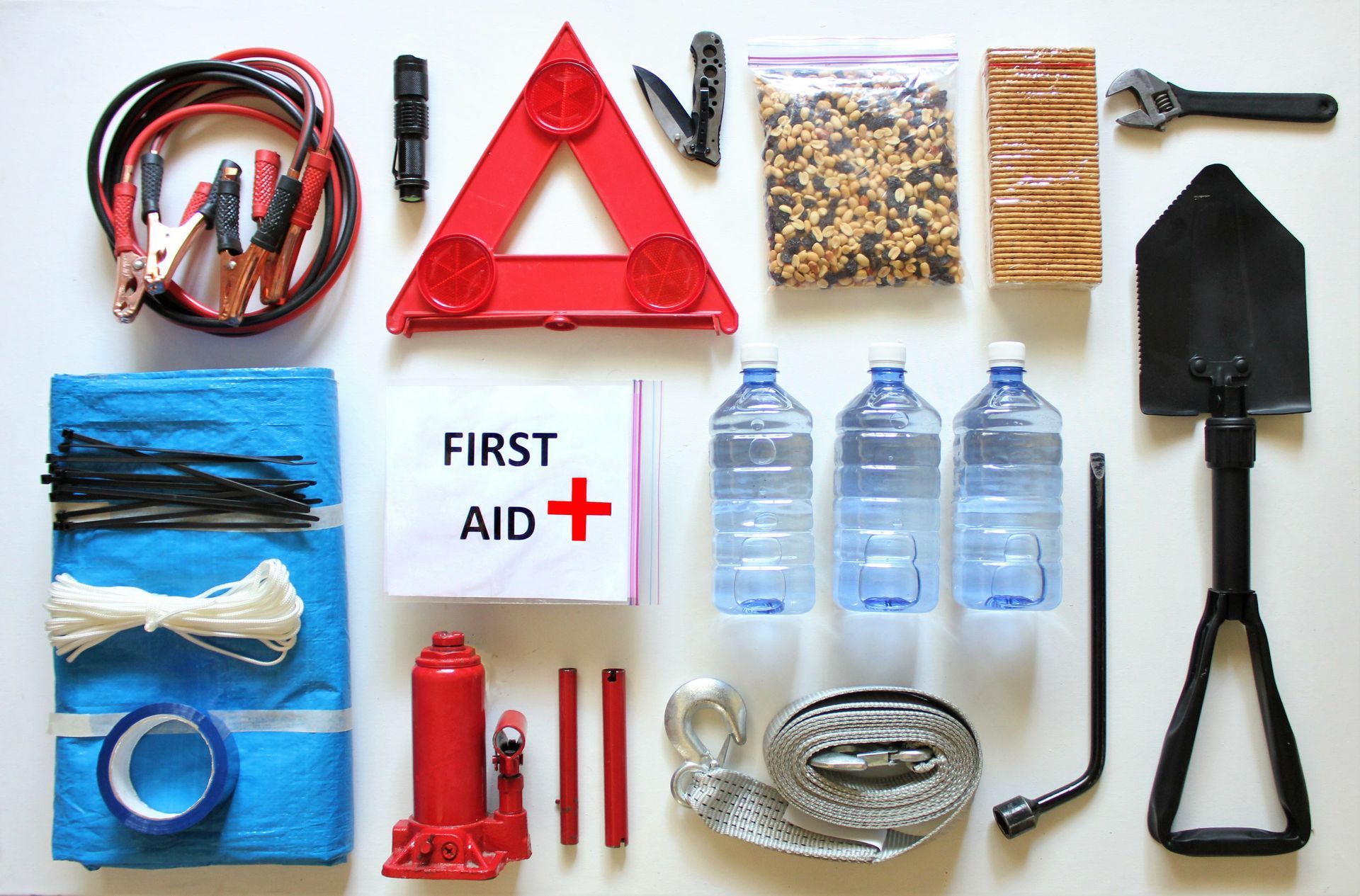
A solid first aid kit doesn’t have to be fancy, but it should cover the basics. Here’s a quick list of must-haves:
- Adhesive bandages (various sizes) for minor cuts.
- Sterile gauze pads and medical tape to dress larger wounds.
- Antiseptic wipes to clean wounds and prevent infection.
- Pain relievers like ibuprofen or acetaminophen for headaches or muscle aches.
- Tweezers and scissors for removing splinters or cutting bandages.
- Latex or nitrile gloves to keep things sanitary.
- Instant cold packs for reducing swelling or soothing bruises.
- Hydrocortisone cream to ease itching from bug bites or rashes.
Why It’s Important
Think about this: you’re miles away from the nearest help, and someone gets hurt. Having even a basic first aid kit means you can handle the situation until professional help arrives. It’s not just about physical injuries, either. Knowing you’re prepared can reduce stress in an already tense moment.
Pro Tip: Customize It
You can buy pre-made kits, but it’s a good idea to tweak them to fit your needs. For example, toss in an EpiPen or antihistamines if you or a family member has allergies. If you’re often out in the sun, add sunscreen. Tailor it to suit your lifestyle.
2. Jumper Cables
Jumper cables are a must-have for any car emergency kit. A dead battery is one of the most common reasons vehicles break down, and having a pair of these cables can save you from being stranded. But here’s the thing—not all jumper cables are created equal, and knowing how to use them is just as important as having them in your trunk.
Why You Need Them
- Battery Issues Are Common: Car batteries can die for all sorts of reasons—leaving the lights on, extreme weather, or just old age.
- Quick Fix: Jumper cables let you get back on the road fast, provided you can flag down another driver to help.
- Cost-Effective: They’re inexpensive and last for years if stored properly.
What to Look For When Buying
Not all jumper cables are the same. When shopping for a pair, keep these factors in mind:
| Feature | Recommendation |
|---|---|
| Length | At least 12 feet for easier reach |
| Gauge | Lower numbers (e.g., 4-gauge) for more power |
| Clamps | Heavy-duty, well-insulated clamps |
How to Use Jumper Cables Safely
It can feel a bit intimidating if you’ve never used jumper cables before. Here’s a simple step-by-step guide:
- Park Safely: Position the two cars close enough for the cables to reach but not touching.
- Turn Everything Off: Both cars, including lights and radios, should be off.
- Attach the Cables:
- Red clamp to the dead battery’s positive (+) terminal.
- Red clamp to the working battery’s positive (+) terminal.
- Black clamp to the working battery’s negative (-) terminal.
- Black clamp to an unpainted metal surface on the dead car (not the battery).
- Start the Working Car: Let it run for a couple of minutes.
- Start the Dead Car: If it starts, let both cars idle for a few minutes before disconnecting the cables in reverse order.
Pro Tip
If you often drive in remote areas, consider investing in a portable jump starter. Unlike traditional jumper cables, it doesn’t require a second vehicle, which can be a lifesaver when help isn’t nearby.
Having jumper cables in your car is like carrying a safety net. You might not need them often, but when you do, they can make all the difference.
3. Flashlight
A flashlight is one of those items you don’t realize you need until you’re stuck in the dark. Whether your car breaks down at night, you’re trying to fix something under the hood, or you just need to find something you dropped, having a reliable flashlight in your car can be a lifesaver.
Why Carry a Flashlight?
- Nighttime Breakdowns: If your car stops working after sunset, a flashlight helps you see what you’re doing and makes you more visible to others.
- Under-the-Hood Repairs: Even in daylight, car engines can be full of shadowy spots. A flashlight lets you see clearly without draining your car’s battery by turning on the dome light.
- Signaling for Help: A flashlight can double as a signaling tool by flashing it to attract attention.
Features to Look For
When choosing a flashlight for your car, keep these in mind:
- Durability: Look for one that can handle drops or rough conditions.
- Long Battery Life: You don’t want the light dying on you in the middle of an emergency.
- Compact Size: It should be small enough to store easily but powerful enough to light up a wide area.
- Additional Functions: Some flashlights come with extras like a hand crank, built-in phone charger, or emergency radio.
Don’t Forget Extra Batteries
Always keep spare batteries in your car. Even the best flashlight is useless if the batteries are dead. Consider storing them in a cool, dry spot to avoid corrosion.
Having a flashlight isn’t just about convenience—it’s about safety. Make sure it’s part of your car emergency kit.
4. Emergency Blanket
An emergency blanket can be a lifesaver when you’re stuck in the cold. These compact, lightweight blankets are designed to retain body heat, keeping you warm when temperatures drop. Whether you’re stranded in your car during a winter storm or caught off guard by chilly weather, having one of these tucked in your trunk can make a huge difference.
Why You Need an Emergency Blanket
- Heat Retention: Emergency blankets are made from reflective materials that trap your body heat, preventing hypothermia.
- Compact & Lightweight: They take up almost no space in your car and weigh next to nothing, so there’s no excuse not to carry one.
- Multi-Purpose: Beyond warmth, they can be used as a ground cover, a rain shield, or even to signal for help thanks to their reflective surface.
Tips for Choosing the Right Blanket
- Material: Look for durable, tear-resistant options. Some are single-use, while others are designed for repeated use.
- Size: Make sure it’s big enough to wrap around you completely.
- Extras: Some come with added features like built-in ponchos or reinforced edges for durability.
How to Use It Effectively
- Wrap it tightly around your body, shiny side facing inward to reflect heat back to you.
- If you’re outdoors, use it to create a makeshift shelter by securing it to branches or poles.
- Keep it accessible—don’t bury it under piles of other gear in your trunk.
An emergency blanket might seem like a small thing, but in the right situation, it can mean the difference between comfort and real danger. Always have one in your car, especially if you live in areas with unpredictable weather.
5. Multi-Tool
A multi-tool is like the Swiss Army knife of your car emergency kit. It’s compact, versatile, and can be a real lifesaver in tricky situations. Think about it—when you’re stranded or dealing with a car issue, having a single tool that can do the job of many is a game-changer. Here’s why you should always keep one in your car:
Why You Need a Multi-Tool
- Versatility: Most multi-tools come with a range of functions, including pliers, screwdrivers, knives, scissors, and even bottle openers. It’s like carrying a mini toolbox without the bulk.
- Emergencies: Imagine needing to cut a seatbelt in a crash or tighten a loose screw on your car battery. A multi-tool can handle these tasks with ease.
- Compact Design: Unlike carrying individual tools, a multi-tool fits neatly in your glove box or emergency bag.
Features to Look For
When shopping for a multi-tool, keep an eye out for these features:
- Durability: Stainless steel construction is a must for long-lasting use.
- Ease of Use: Tools should be easy to access and operate, even with one hand.
- Variety of Tools: Look for one that includes at least pliers, a knife, and a screwdriver.
Real-Life Scenarios
Here are a few situations where a multi-tool could save the day:
- Fixing a Loose Battery Connection: Use the pliers or screwdriver to secure it.
- Cutting a Jammed Seatbelt: The knife blade can quickly free you or a passenger.
- Opening a Can of Food: If you’re stuck somewhere and need to eat, a can opener attachment is a lifesaver.
A multi-tool may not seem like much at first glance, but trust me, when you’re in a pinch, it’s the kind of thing you’ll be glad you have. Just toss one in your car, and you’re good to go.
6. Water
When you think about emergency car supplies, water might not be your first thought, but it absolutely should be. Staying hydrated is critical if you find yourself stranded for hours or even days. Beyond drinking, water can also come in handy for cleaning wounds or even topping off your radiator in a pinch.
Tips for Keeping Water in Your Car
- Choose the Right Containers: Opt for BPA-free plastic bottles or stainless steel to avoid any weird tastes or chemical leaching. Single-use bottles are fine, but reusable ones are better for the environment.
- Store Them Properly: Keep your water out of direct sunlight to prevent it from heating up or degrading the container. A trunk organizer can help keep bottles from rolling around.
- Rotate Regularly: Water doesn’t spoil, but it can taste stale after a while. Swap out your supply every 6 months to keep it fresh.
How Much Water Should You Keep?
The general rule is to have at least one gallon of water per person per day. For a family of four, that’s 4 gallons. If space is tight, even a few smaller bottles can make a big difference.
Bonus Uses for Water in Emergencies
- Cooling Down: Pour some on a cloth to cool your skin if you’re overheating.
- Cleaning: Rinse off dirt or grime from tools, hands, or wounds.
- Cooking: If you have a portable stove and some dry food, water is a must.
Having water in your car is one of those things you’ll be glad for when you need it. It’s simple, affordable, and could make all the difference in an emergency.
7. Non-Perishable Snacks
Keeping a stash of non-perishable snacks in your car can make a huge difference if you’re ever stranded or stuck in traffic for hours. Hunger can make an already stressful situation even worse, so having something to eat can help keep you calm and focused. Plus, snacks that don’t spoil easily are perfect for long-term storage in your vehicle.
Why Non-Perishable?
Non-perishable snacks are designed to last a long time without refrigeration, making them ideal for emergency situations. They’re usually packaged to withstand heat, cold, and time, so you don’t have to worry about them going bad quickly.
Best Types of Non-Perishable Snacks to Keep
Here are some snack ideas that are practical and easy to store:
- Granola Bars: Lightweight and packed with energy, these are a classic choice.
- Trail Mix: A mix of nuts, dried fruits, and sometimes chocolate can give you a quick boost of energy and nutrients.
- Jerky: High in protein and easy to store, jerky is a great option for staying full.
- Dried Fruits: These provide a natural source of sugar and are less bulky than fresh fruit.
- Crackers: Pair these with small packets of peanut butter for a satisfying snack.
Storage Tips
- Keep Snacks in a Cool Spot: While non-perishable snacks are durable, extreme heat can still affect their quality over time. Store them in a shaded area of your car, like the glove compartment or under a seat.
- Rotate Your Stock: Check your stash every six months to ensure nothing has expired. Replace old snacks with fresh ones.
- Use Airtight Containers: To keep pests out and maintain freshness, store your snacks in sealed containers or resealable bags.
Having a small variety of snacks in your car ensures you’re prepared for the unexpected. Whether you’re stuck on the highway or waiting for roadside assistance, a quick bite can help you stay alert and comfortable until help arrives.
8. Roadside Flares
When your car breaks down on a dimly lit road or in poor weather, roadside flares can literally be a lifesaver. These compact, easy-to-use items are designed to make your vehicle visible to other drivers, reducing the risk of an accident while you’re waiting for help. Unlike other visibility tools, flares shine brightly and can cut through fog, rain, or even snow.
Here’s why you should keep them in your car:
- Enhanced Visibility: Roadside flares are hard to miss. Their bright light grabs attention, making your car noticeable even from a distance.
- Weather Resistant: Most flares are built to withstand tough conditions, including high winds and heavy rain. They’ll keep burning when other tools might fail.
- Ease of Use: They’re simple to activate—just strike the flare like a match, and you’re good to go.
If you’re shopping for flares, look for ones with a burn time of at least 15-20 minutes. That’s usually enough time to alert others and set up additional safety measures. Keep a few in your emergency kit, and check their expiration dates periodically. Nobody wants to deal with a dud flare during an actual emergency!
9. Tire Pressure Gauge
A tire pressure gauge might seem like a small, unassuming tool, but it can make a huge difference when it comes to your car’s safety and performance. Keeping your tires properly inflated isn’t just about saving a few bucks on gas—it’s about staying safe on the road.
Why You Need One
- Safety First: Underinflated tires can cause poor handling and increase the risk of a blowout, especially at high speeds.
- Fuel Efficiency: Properly inflated tires improve gas mileage, saving money over time.
- Tire Longevity: Keeping your tires at the correct pressure helps them wear evenly, meaning you won’t have to replace them as often.
How to Use a Tire Pressure Gauge
- Check the Recommended Pressure: Look in your car’s owner manual or on the sticker inside the driver’s side door for the manufacturer’s recommended tire pressure.
- Use the Gauge: Unscrew the valve cap on your tire, press the gauge onto the valve stem, and note the reading.
- Adjust as Needed: If the pressure is too low, add air. If it’s too high, release some by pressing the valve inside the stem.
Types of Tire Pressure Gauges
| Type | Pros | Cons |
|---|---|---|
| Stick Gauge | Affordable and simple to use | Less precise compared to others |
| Dial Gauge | Easy to read and more accurate | Bulkier than stick gauges |
| Digital Gauge | Highly accurate and easy to read | Requires batteries |
Tips for Keeping Your Tires in Check
- Check your tire pressure at least once a month and before long trips.
- Always measure pressure when the tires are cold—that is, before you’ve driven more than a mile or two.
- Keep a small air compressor in your car so you can adjust pressure on the go.
A tire pressure gauge is one of those tools you don’t think about until you really need it. Toss one in your glove box today—it’s a small investment that could save you big in the long run.
10. Reflective Warning Triangle
If your car breaks down on the side of the road, especially at night or in bad weather, a reflective warning triangle can be a literal lifesaver. These triangles are designed to catch the light from oncoming vehicles, alerting other drivers to your presence. This reduces the risk of accidents and gives you a safer space to deal with your car troubles.
Here’s why you need one:
- Visibility: Reflective triangles are highly visible, even in low-light conditions. They’re coated with a material that bounces light back to its source, like headlights.
- Ease of Use: Setting one up is straightforward. Most models fold flat for storage and pop open when you need them.
- Durability: These triangles are built to withstand tough weather conditions, so they’ll work rain or shine.
How to Use a Reflective Warning Triangle Effectively:
- Place the triangle about 10-15 feet behind your car if you’re on a city street. This gives drivers enough time to see it and slow down.
- On highways or faster roads, increase the distance to 100 feet or more for better visibility.
- Always put it on the side of the road where traffic is approaching, and avoid standing in the path of oncoming vehicles while setting it up.
Keeping a reflective warning triangle in your car is simple and smart. It’s one of those things you hope you never need but will be grateful to have if you do.
Discussion about this post