

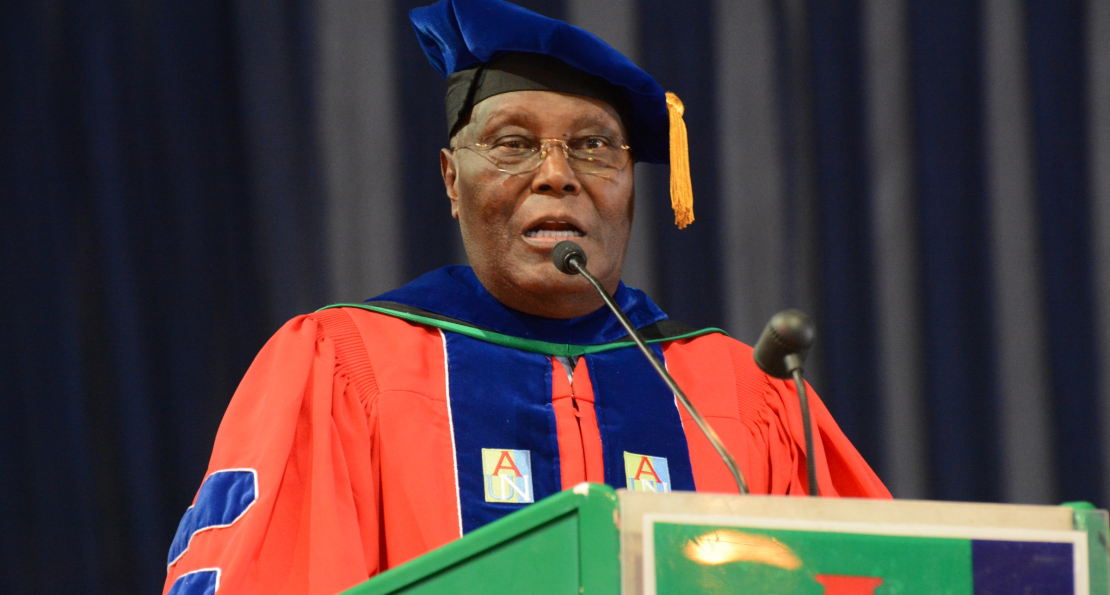

As you delve into Nigerian politics, one name consistently emerges as a prominent figure: Atiku Abubakar. This seasoned statesman has been a fixture in the country’s political landscape for decades, shaping policies and influencing national discourse.
You may know him as a former Vice President or a perennial presidential candidate, but Atiku’s story extends far beyond these roles. From humble beginnings to becoming one of Nigeria’s most influential politicians, his journey is a testament to perseverance and ambition. In this article, you’ll discover the man behind the headlines and gain insight into the experiences that have molded Atiku Abubakar into the political powerhouse he is today.
Who is Atiku Abubakar?
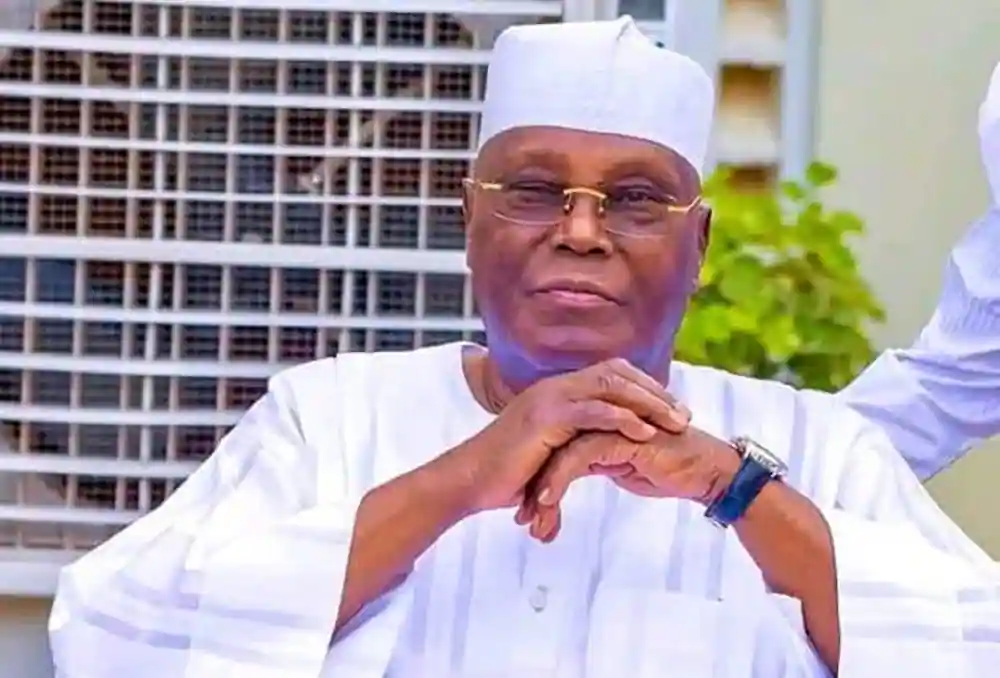
Atiku Abubakar is a prominent Nigerian politician and businessman who has played a significant role in the country’s political landscape for decades. Born on November 25, 1946, in Jada, Adamawa State, Atiku has risen from humble beginnings to become one of Nigeria’s most influential figures.
Atiku Abubakar’s political journey began in the 1980s when he joined the Peoples Front of Nigeria. He later served as Nigeria’s Vice President from 1999 to 2007 under President Olusegun Obasanjo. Throughout his career, Atiku has been a member of various political parties, including the People’s Democratic Party (PDP) and the All Progressives Congress (APC).
Apart from his political endeavors, Atiku Abubakar is also a successful businessman. He has interests in various sectors, including agriculture, education, and logistics. His business acumen has contributed significantly to his wealth and influence in Nigerian society.
Atiku Abubakar has made multiple attempts to secure the Nigerian presidency. He has been a candidate in several elections, consistently positioning himself as a reformer with plans to address Nigeria’s economic and social challenges. His campaigns often focus on issues such as job creation, economic diversification, and national unity.
Atiku Abubakar’s Early Life and Education
Atiku Abubakar, a prominent figure in Nigerian politics, was born on November 25, 1946, in Jada, Adamawa State, Nigeria. His early life was marked by humble beginnings and a strong emphasis on education, which would shape his future trajectory.
Born to Garba Abubakar and Aisha Kande, Atiku was their only surviving child. His father, a Fulani trader and farmer, instilled in him the values of hard work and perseverance. Tragically, Atiku lost his father at the young age of 8, which led to him being raised primarily by his mother and maternal grandparents.
Despite facing financial challenges, Atiku Abubakar pursued his education with determination. He attended Jada Primary School for his early education before proceeding to Adamawa Provincial Secondary School in Yola. He graduated from secondary school in the year 1965 after he made grade three in the West African Senior School Certificate Examination.
After completing his secondary education, Atiku Abubakar briefly attended the Nigeria Police College in Kaduna. However, he was unable to meet the admission requirements due to not having an O-Level Mathematics result, which led him to explore alternative opportunities.
He subsequently took on a role as a Tax Officer at the Regional Ministry of Finance, a position that ultimately paved the way for his admission to the School of Hygiene in Kano in 1966. During his time at the school, Abubakar demonstrated his leadership skills by serving as the Interim Student Union President, and he ultimately graduated with a Diploma in 1967.
Abubakar’s academic pursuits continued as he enrolled in the Law Diploma program at Ahmadu Bello University’s Institute of Administration in 1967, made possible by a scholarship from the regional government. Upon completing his studies in 1969, he secured employment with the Nigeria Customs Service amidst the Nigerian Civil War.
Decades later, in 2021, Abubakar achieved another academic milestone by successfully completing his master’s degree in International Relations at Anglia Ruskin University. This educational foundation would prove instrumental in shaping his future career in both the public and private sectors.
Atiku Abubakar’s Political Career
Atiku Abubakar’s political journey began in the late 1980s when he joined the Peoples Front of Nigeria. His career gained momentum in 1993 when he ran for the governorship of Adamawa State. Although unsuccessful in that bid, Abubakar’s political acumen caught the attention of national leaders. In 1999, he was selected as the running mate to Olusegun Obasanjo, subsequently serving as Vice President of Nigeria from 1999 to 2007.
Abubakar’s ambitions extended beyond the vice presidency. He has made multiple attempts to secure the highest office in Nigeria. He has had a long and determined pursuit of the Nigerian presidency, with six unsuccessful bids to date. His first attempt was in 1993, when he participated in the Social Democratic Party’s presidential primaries, ultimately losing to Moshood Abiola and Baba Gana Kingibe.
Abubakar’s subsequent attempts at the presidency saw him switch between different parties. In 2007, he ran as the presidential candidate for the Action Congress, finishing third behind Umaru Yar’Adua of the PDP and Muhammadu Buhari of the ANPP. He then contested the PDP’s presidential primaries in 2011, but lost to incumbent President Goodluck Jonathan.
In 2014, Abubakar joined the All Progressives Congress, only to lose the presidential primaries to Muhammadu Buhari. Undeterred, he returned to the PDP in 2017 and became the party’s presidential candidate for the 2019 election, losing once again to Buhari.
Abubakar’s most recent bid for the presidency was in 2023, when he was chosen as the PDP’s presidential candidate after defeating Nyesom Wike in the primaries. Although he came in second in the general election, losing to Bola Tinubu.
Throughout his career, Atiku Abubakar has been associated with various political parties, demonstrating his adaptability in Nigeria’s dynamic political landscape. He has been a member of the People’s Democratic Party (PDP), the Action Congress (AC), and briefly, the All Progressives Congress (APC). Abubakar’s political ideology centers on economic liberalization, restructuring of the federation, and job creation, themes that have remained consistent across his campaigns.
Atiku Abubakar’s Candidacy for the Nigerian Presidency

Atiku Abubakar, a prominent figure in Nigerian politics, has been a recurring candidate for the country’s highest office. His journey to the presidency has been marked by determination and resilience, spanning multiple election cycles.
Political Platform and Vision
Atiku Abubakar’s campaign has consistently focused on economic reforms, job creation, and national unity. As a former vice president and successful businessman, he has leveraged his experience to present himself as a candidate capable of steering Nigeria towards prosperity. His platform often emphasizes privatization, foreign investment, and restructuring of the federal system.
Challenges and Controversies
Despite his political clout, Atiku Abubakar’s presidential bids have faced significant hurdles. Allegations of corruption, though unproven, have dogged his campaigns. Additionally, his party-switching history has led to questions about his political consistency. However, his supporters argue that these changes demonstrate his ability to build coalitions across Nigeria’s complex political landscape.
Impact on Nigerian Politics
Whether victorious or not, Atiku Abubakar’s candidacies have significantly shaped Nigerian electoral discourse. His campaigns have forced conversations about economic policy, federalism, and anti-corruption efforts to the forefront of national debate. As a result, Atiku Abubakar remains a influential figure in Nigerian politics, continually shaping the country’s democratic journey.
Atiku Abubakar’s Policy Positions and Agenda
Atiku Abubakar has consistently advocated for economic reforms aimed at diversifying Nigeria’s economy and reducing dependence on oil. His policy agenda emphasizes privatization of state-owned enterprises, believing this will increase efficiency and attract foreign investment. Abubakar also supports creating a more business-friendly environment to stimulate job creation and economic growth.
Education and Healthcare
In the social sector, Abubakar’s platform includes significant investments in education and healthcare. He proposes allocating more resources to these critical areas, aiming to improve access to quality education and healthcare services for all Nigerians. His plans include modernizing the curriculum, enhancing teacher training, and expanding healthcare infrastructure across the country.
Security and Governance
Addressing Nigeria’s security challenges is another key focus of Atiku Abubakar’s agenda. He advocates for restructuring the country’s security apparatus and improving coordination between different security agencies. On governance, Abubakar supports decentralization and greater autonomy for states, arguing this will lead to more efficient governance and better resource management.
Foreign Policy
In terms of foreign policy, Abubakar emphasizes strengthening Nigeria’s position on the global stage. He supports increased diplomatic engagement and economic partnerships with other nations, aiming to boost Nigeria’s influence in regional and international affairs.
Atiku Abubakar’s Business Ventures and Wealth
Atiku Abubakar has also made a significant mark in the business world. His entrepreneurial journey began in the 1970s when he ventured into real estate, acquiring and developing properties in Yola, Adamawa State. This initial foray laid the foundation for his future business empire.
Diversified Business Portfolio
Over the years, Atiku Abubakar has expanded his business interests across various sectors. His portfolio includes investments in:
- Oil and gas services
- Agriculture and food processing
- Telecommunications
- Education
- Media and publishing
One of his most notable ventures is INTELS Nigeria Limited, an oil and gas logistics company that has become a major player in the Nigerian petroleum industry.
Philanthropy and Education
Atiku Abubakar’s wealth has also been channeled into philanthropic efforts, particularly in the education sector. In 2003, he founded the American University of Nigeria (AUN) in Yola, demonstrating his commitment to improving educational opportunities in his home state and beyond.
Through his various business ventures and investments, Atiku Abubakar has amassed considerable wealth, making him one of Nigeria’s most affluent politicians. His business acumen and entrepreneurial spirit have played a significant role in shaping his public image and political career.
Controversies Surrounding Atiku Abubakar
Atiku Abubakar’s political career has been marred by persistent corruption allegations. As Vice President from 1999 to 2007, he faced accusations of misappropriating funds from the Petroleum Technology Development Fund. Though Abubakar denied wrongdoing, these claims significantly impacted his public image and subsequent presidential bids.
Business Dealings Under Scrutiny
Abubakar’s extensive business interests have also drawn criticism. His involvement in various sectors, including oil and telecommunications, raised questions about potential conflicts of interest during his time in office. Some critics argue that his business acumen, while impressive, may have been bolstered by political connections.
Political Party Switching
Atiku Abubakar’s tendency to switch political affiliations has been a point of controversy. He has been a member of several major parties, including the People’s Democratic Party (PDP) and the All Progressives Congress (APC), before returning to the PDP. This pattern has led some to question his political consistency and motivations.
U.S. Visa Ban Controversy
For years, Abubakar faced difficulties obtaining a U.S. visa, reportedly due to corruption allegations. This situation fueled speculation and debate about his international standing. The visa issue became a significant talking point in Nigerian politics, particularly during election seasons.
However, it appears that he eventually did obtain a US visa. In 2019, a coalition of over 200 NGOs protested outside the US embassy in Abuja over the alleged granting of a US visa to Atiku. This suggests that there was significant controversy surrounding his visa application, but ultimately, he was able to secure one.
Atiku Abubakar’s Personal Life and Family
Atiku Abubakar comes from a Fulani family, with his father, Garba Abubakar, working as a trader and farmer. Tragically, Atiku lost his father at a young age, which instilled in him a sense of resilience and determination. His mother, Aisha Kande, played a crucial role in his upbringing, encouraging his pursuit of education despite financial constraints.
Atiku Abubakar’s family life is a fascinating aspect of his personal history. With four wives and 28 children, his household is undoubtedly vibrant and dynamic. Abubakar’s reasoning behind having multiple wives is rooted in his own childhood experiences. Having grown up without siblings, he wanted to create a large, loving family to ensure his children would never feel lonely.
Abubakar’s marital journey began in 1971 when he secretly married Titilayo Albert in Lagos, despite initial opposition from her family. This union produced four children: Fatima, Adamu, Halima, and Aminu. He then married Ladi Yakubu in 1979, with whom he had six children: Abba, Atiku, Zainab, Ummi-Hauwa, Maryam, and Rukaiyatu.
In 1983, Abubakar married Princess Rukaiyatu, daughter of the Lamido of Adamawa, and had seven children with her: Aisha, Hadiza, Aliyu, Asmau, Mustapha, Laila, and Abdulsalam. After divorcing Ladi, he married Jennifer Iwenjiora Douglas as his fourth wife, in accordance with Islamic law. However, their marriage ended in divorce in 2022, citing disagreements over her residence in the UK.
Abubakar also married Fatima Shettima in 1986, with whom he had several children, including Amina, Mohammed, and twins Ahmed and Shehu, as well as Zainab and Aisha. Throughout his life, Abubakar has been driven to build a large, loving family, and his many children and wives are a testament to his enduring commitment to family.
Titles and Honours
Atiku Abubakar has garnered numerous titles and honours throughout his illustrious career in business and politics. His achievements reflect his significant contributions to Nigeria’s public and private sectors.
Traditional Titles
In 1982, he was bestowed with the esteemed title of Turaki of Adamawa, a position traditionally reserved for the monarch’s most trusted prince. This title came with significant responsibilities, including overseeing the monarch’s domestic affairs.
Years later, in June 2017, Abubakar’s contributions were recognized once again, as he was awarded the chieftaincy title of Waziri of Adamawa. This new title was accompanied by the transfer of his previous title, Turaki, to his son Aliyu, who is his first child with his third wife.
International Honours
On the international stage, Abubakar has also received notable recognition. In 2011, he was honored with the prestigious Harris Wofford Global Citizen Award by the National Peace Corps Association (NPCA). This award acknowledged his tireless efforts to promote democracy and higher education in Africa.
The NPCA praised Abubakar, stating that no private businessman in Africa has contributed more to the advancement of higher education and democracy. Abubakar’s philanthropic efforts have also been significant, including a generous donation of $750,000 to the National Peace Corps Association in 2012. This donation, the largest individual contribution in the Association’s history, aimed to support a new initiative featuring global leaders discussing the impact of the Peace Corps.
These titles and honours underscore Atiku Abubakar’s multifaceted impact on Nigerian society, from traditional leadership to economic development and political reform.
Frequently Asked Questions
These are some of the frequently asked questions and answers about Atiku Abubakar.
What are Atiku Abubakar’s major political achievements?
Throughout his career, Atiku Abubakar has held various influential positions. He was a founding member of the Peoples Democratic Party (PDP) and has run for the presidency multiple times. Atiku is known for his advocacy of economic reforms, restructuring, and privatization of state-owned enterprises.
What is Atiku Abubakar’s educational and professional background?
Before entering politics, Atiku Abubakar worked in the Nigeria Customs Service for twenty years, rising to the rank of Deputy Director, before retiring in 1989. He holds a diploma in Law from Ahmadu Bello University and has extensive business interests, including in oil services, agriculture, and education sectors. His entrepreneurial success has made him one of Nigeria’s wealthiest individuals.
Conclusion
As you’ve learned, Atiku Abubakar is a complex and influential figure in Nigerian politics. His journey from humble beginnings to business success and political prominence exemplifies both the potential for upward mobility and the enduring challenges in Nigeria’s democracy.
While opinions on Abubakar’s legacy remain divided, his impact on the nation’s political landscape is undeniable. As Nigeria continues to evolve, understanding key players like Abubakar provides crucial context for the country’s past, present, and future. Whether you view him as a visionary leader or a controversial figure, Atiku Abubakar’s story offers valuable insights into the intricacies of Nigerian politics and society.
Discussion about this post