

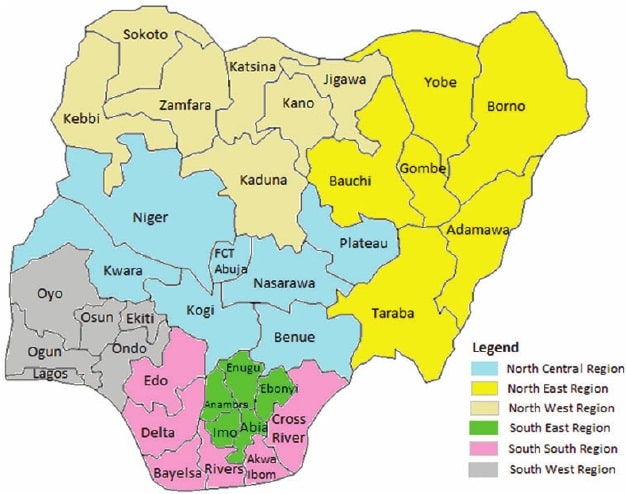

Ever wondered how many people call Nigeria home? With over 200 million inhabitants, Africa’s most populous country is a bustling hub of diversity. But have you ever stopped to think about how those millions are spread across the nation? From the crowded streets of Lagos to the sprawling savannas of Borno, each of Nigeria’s 36 states tells a unique demographic story.
Whether you’re a curious traveler, a data enthusiast, or just someone who loves a good population factoid, we’re about to take you on a whirlwind tour of Nigeria population by state.
Understanding Nigeria’s Population Dynamics
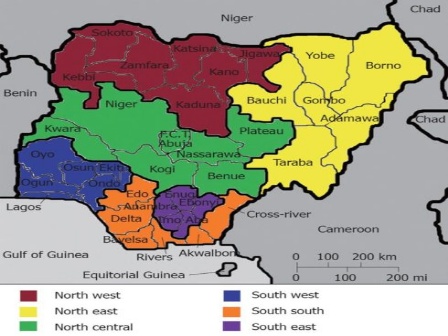
Nigeria’s population dynamics are as diverse and complex as the country itself. As Africa’s most populous nation, understanding these dynamics is crucial for policymakers, businesses, and anyone interested in the region’s development.
Rapid Growth and Youthful Demographics
You might be surprised to learn that Nigeria’s population is growing at an astounding rate. With a growth rate of about 2.4% annually, the country adds millions of new citizens each year. This rapid expansion is largely driven by high fertility rates and improving healthcare.
What’s even more striking is the youthful nature of Nigeria’s population. Nearly half of all Nigerians are under the age of 18. This “youth bulge” presents both opportunities and challenges for the nation’s future.
Urban vs. Rural Distribution
When you look at Nigeria’s population map, you’ll notice some interesting patterns. The country is experiencing rapid urbanization, with cities like Lagos bursting at the seams. In fact, Lagos is one of the fastest-growing cities in the world.
But don’t forget about rural Nigeria. A significant portion of the population still lives in rural areas, where access to resources and services can be limited. This urban-rural divide plays a crucial role in shaping Nigeria’s development strategies.
Ethnic and Linguistic Diversity
Nigeria’s population isn’t just large, it’s incredibly diverse. With over 250 ethnic groups and 500 languages, the country is a tapestry of cultures. This diversity is both a source of richness and, at times, tension.
The three largest ethnic groups, Hausa, Yoruba, and Igbo, make up about 60% of the population. But smaller groups also play vital roles in Nigeria’s social and political landscape. Understanding this diversity is key to grasping Nigeria’s complex population dynamics.
Nigeria Population by State
Nigeria, Africa’s most populous country, is home to a diverse array of states, each with its own unique characteristics. Let’s dive into the most populous states that contribute significantly to Nigeria’s bustling population.
| State | Population (2006) | Population (2023) | Surface Area (km²) | Density (2023) (per km²) |
|---|---|---|---|---|
| Kano State | 9,401,288 | 16,253,549 | 20,131 | 807.39 |
| Lagos State | 9,113,605 | 15,772,884 | 3,345 | 4,715.36 |
| Katsina State | 5,801,584 | 9,300,382 | 24,192 | 384.44 |
| Kaduna State | 6,113,503 | 8,324,285 | 46,053 | 180.75 |
| Bauchi State | 4,653,066 | 7,540,663 | 45,893 | 164.31 |
| Oyo State | 5,580,894 | 7,512,855 | 28,454 | 264.08 |
| Anambra State | 5,177,828 | 7,299,910 | 4,844 | 1,507.26 |
| Rivers State | 5,198,716 | 7,234,973 | 11,077 | 653.01 |
| Jigawa State | 4,361,002 | 6,979,080 | 23,154 | 301.38 |
| Niger State | 3,954,772 | 6,720,617 | 76,363 | 87.99 |
| Benue State | 4,253,641 | 6,687,706 | 34,059 | 196.34 |
| Borno State | 4,171,104 | 6,651,590 | 70,898 | 93.80 |
| Ogun State | 3,751,140 | 6,445,275 | 16,762 | 384.52 |
| Sokoto State | 3,702,676 | 6,163,187 | 25,973 | 237.34 |
| Delta State | 5,112,445 | 7,107,543 | 17,698 | 401.58 |
| Imo State | 3,927,563 | 6,067,722 | 5,530 | 1,097.70 |
| Kebbi State | 3,256,541 | 6,001,610 | 36,800 | 163.10 |
| Ondo State | 3,460,877 | 5,469,707 | 15,500 | 352.24 |
| Akwa Ibom State | 3,902,051 | 5,780,581 | 7,081 | 816.11 |
| Zamfara State | 3,278,873 | 5,517,793 | 39,762 | 138.75 |
| Plateau State | 3,206,531 | 5,400,974 | 30,913 | 174.67 |
| Enugu State | 3,267,837 | 5,396,098 | 7,161 | 753.71 |
| Adamawa State | 3,178,950 | 5,236,948 | 36,917 | 141.84 |
| Edo State | 3,233,366 | 5,161,137 | 17,802 | 289.89 |
| Kogi State | 3,314,043 | 5,053,734 | 29,833 | 169.04 |
| Abia State | 2,845,380 | 4,841,943 | 5,243 | 923.59 |
| Federal Capital Territory | 1,406,239 | 4,802,443 | 7,315 | 656.93 |
| Gombe State | 2,365,040 | 4,623,462 | 20,265 | 228.77 |
| Yobe State | 2,321,339 | 4,350,401 | 45,502 | 95.57 |
| Taraba State | 2,294,800 | 4,331,885 | 54,473 | 79.53 |
| Kwara State | 2,365,353 | 4,259,613 | 36,825 | 115.88 |
| Osun State | 3,416,959 | 4,237,396 | 14,875 | 285.27 |
| Cross River State | 2,892,988 | 4,175,020 | 20,156 | 207.85 |
| Ebonyi State | 2,176,947 | 4,007,155 | 5,670 | 706.88 |
| Nasarawa State | 1,869,377 | 3,632,239 | 27,110 | 134.87 |
| Ekiti State | 2,398,957 | 3,398,177 | 6,353 | 534.83 |
| Bayelsa State | 1,704,515 | 2,394,725 | 21,110 | 113.58 |
These states form the backbone of Nigeria’s population, each contributing uniquely to the country’s diverse tapestry of cultures, economies, and people.
Factors Influencing Population Growth in Nigeria
Nigeria’s population is booming, but what’s driving this growth? Let’s dive into some of the key factors that are shaping the country’s demographic landscape.
High Fertility Rates
Nigerian families tend to be large, with an average of 5.3 children per woman. This high fertility rate is a major contributor to population growth. Cultural values, limited access to family planning, and early marriages all play a role in maintaining these high rates.
Improved Healthcare
As medical care advances, more Nigerians are living longer and healthier lives. Infant mortality rates have decreased, and life expectancy has increased. This means more people are surviving to adulthood and beyond, contributing to overall population growth.
Rapid Urbanization
Cities like Lagos and Abuja are expanding at breakneck speeds. This urban migration often leads to higher birth rates as people seek better economic opportunities and access to services.
Cultural and Religious Beliefs
Many Nigerian cultures and religions place a high value on large families. These beliefs can influence decisions about family size and contraception use.
Limited Family Planning Access
While family planning services are available, many Nigerians face barriers to accessing them. This can be due to lack of information, cost, or cultural stigma.
Economic Factors
In some communities, having more children is seen as an economic advantage. Children can contribute to family income or provide support in old age.
Early Marriage and Childbearing
Despite efforts to curb the practice, child marriage remains common in some parts of Nigeria. This leads to earlier childbearing and potentially more children over a woman’s lifetime.
Immigration
While not as significant as natural growth, immigration does contribute to Nigeria’s population increase. People from neighboring countries often come to Nigeria seeking economic opportunities.
Declining Mortality Rates
Advances in healthcare and living conditions have led to lower death rates across all age groups. This means more people are living longer, contributing to overall population growth.
Demographic Shifts and Implications for the Future
Nigeria’s cities are bursting at the seams. As more people flock to urban areas in search of opportunities, you’ll notice the landscape changing. This shift puts pressure on infrastructure and services, but it also opens doors for innovation in urban planning and development.
Youthful Population Boom
You can’t miss the energy of Nigeria’s youth. With a median age of just 18, the country is teeming with young minds. This demographic dividend could be a goldmine for economic growth, but it also demands increased investment in education and job creation.
Changing Family Structures
Gone are the days of sprawling households. You’re witnessing a gradual shift towards smaller family units, especially in urban areas. This change impacts everything from housing needs to consumer behavior.
Rising Middle Class
Keep an eye on Nigeria’s growing middle class. As incomes rise, you’ll see shifts in consumption patterns and lifestyle choices. This emerging group is reshaping markets and driving demand for quality goods and services.
Internal Migration Patterns
People are on the move within Nigeria. Whether it’s for work, education, or fleeing conflict, these internal migrations are reshaping communities. You’ll notice this impacting local economies and cultural dynamics across different regions.
Aging Population Concerns
While Nigeria is young overall, you can’t ignore the growing elderly population. This demographic shift calls for improved healthcare systems and social support structures to cater to the needs of older citizens.
Gender Balance Shifts
Women are increasingly taking center stage in Nigeria’s development story. You’ll see more females in education, workforce, and leadership roles, gradually reshaping societal norms and economic patterns.
Religious and Ethnic Diversity
Nigeria’s rich tapestry of cultures continues to evolve. As populations mix and mingle, you’ll witness changing dynamics in inter-ethnic and inter-religious relations, presenting both challenges and opportunities for national cohesion.
Urbanization Trends in Nigeria’s Major Cities
As Nigeria’s population continues to boom, its cities are experiencing unprecedented growth. Lagos, the country’s economic powerhouse, leads the pack with its sprawling metropolis that seems to expand by the day. You’ll find skyscrapers jutting into the sky, bustling markets teeming with activity, and a vibrant street life that never sleeps. But Lagos isn’t alone in this urban explosion, cities like Kano, Ibadan, and Port Harcourt are hot on its heels, transforming into major urban centers in their own right.
Challenges of Rapid Urbanization
With great growth comes great challenges, and Nigeria’s cities are no exception. If you’ve ever navigated Lagos traffic, you know the struggle is real. Urban planners are scratching their heads, trying to keep up with the influx of new residents. Housing shortages? Check. Overstretched infrastructure? Double-check.
The Urban-Rural Divide
While cities are bursting at the seams, rural areas are experiencing a different kind of change. You’ll find young people packing their bags, drawn by the bright lights and opportunities of urban life. This migration is reshaping both urban and rural landscapes, creating a stark contrast between bustling city centers and quieter countryside communities.
Future Outlook: Smart Cities on the Horizon?
But it’s not all doom and gloom. Nigerian cities are embracing innovation to tackle these urban challenges head-on. From smart traffic management systems in Abuja to sustainable housing projects in Port Harcourt, there’s a push towards creating more livable urban spaces.
The Impact of Nigeria’s Population on Economic Development
Nigeria’s massive population plays a crucial role in shaping its economic landscape. Let’s dive into some of the key impacts this demographic powerhouse has on the country’s development:
Labor Force Expansion
With a growing population, Nigeria boasts a vast and youthful workforce. This demographic dividend can fuel economic growth if properly harnessed. You’ll find an abundance of human capital ready to drive various sectors forward.
Consumer Market Potential
As Africa’s most populous nation, Nigeria presents an enormous consumer base. This translates to a robust domestic market, attracting both local and international businesses. You’re looking at a goldmine of opportunities for savvy entrepreneurs and investors.
Strain on Infrastructure
The rapid population growth puts immense pressure on existing infrastructure. You’ll notice challenges in providing adequate housing, transportation, and utilities to meet the increasing demand. This strain can hinder economic progress if not addressed promptly.
Education and Skill Development
A burgeoning population necessitates substantial investments in education. You’re facing the task of equipping millions with the skills needed for a competitive global economy. The quality and accessibility of education directly impact economic productivity.
Healthcare Demands
As the population expands, so does the need for comprehensive healthcare services. You’re dealing with increased pressure on medical facilities and the challenge of improving public health outcomes. A healthy workforce is essential for sustained economic growth.
Urban Migration and Development
Population growth often leads to rapid urbanization. You’ll witness the expansion of cities and the emergence of new economic hubs. This urban shift can drive innovation and productivity but also presents challenges in urban planning and management.
Agricultural Productivity
With more mouths to feed, there’s an urgent need to boost agricultural output. You’re looking at opportunities for technological advancements in farming and increased focus on food security. The agricultural sector’s efficiency directly impacts economic stability.
Environmental Considerations
A growing population invariably affects the environment. You’ll need to balance economic development with sustainable practices to preserve natural resources. This challenge can spark innovations in green technologies and conservation efforts.
Social Security and Welfare
As the population ages, you’re facing increased demands for social security and welfare programs. This demographic shift necessitates careful economic planning to support both the young and the elderly, ensuring social stability alongside economic progress.
Challenges and Opportunities in Nigeria’s Population Landscape
Nigeria’s burgeoning population presents both challenges and opportunities. With one of the world’s fastest growth rates, the country faces increased pressure on resources and infrastructure. However, this demographic dividend also offers a potential workforce boost, if properly harnessed.
Urbanization Trends
As more Nigerians flock to cities, urban areas are expanding rapidly. This shift strains housing and services but also drives economic activity and innovation in urban centers. Smart city planning could turn this challenge into an opportunity for sustainable development.
Youth Bulge
Nigeria boasts a youthful population, with a median age of just 18. This presents challenges in education and job creation but also offers a chance to build a dynamic, tech-savvy workforce that could drive economic growth and innovation.
Regional Disparities
Population distribution varies widely across Nigeria’s states, leading to uneven development. While this poses challenges for national unity, it also presents opportunities for targeted regional development strategies and inter-state cooperation.
Healthcare Access
The growing population strains Nigeria’s healthcare system, particularly in rural areas. However, this challenge is spurring innovations in telemedicine and mobile health solutions, potentially improving healthcare access nationwide.
Education Demand
Nigeria’s expanding youth population increases demand for quality education. While this stretches resources, it also creates opportunities for educational technology and vocational training programs to bridge the skills gap.
Food Security
Feeding Nigeria’s growing population is a significant challenge, but it also presents opportunities for agricultural innovation and investment. Modernizing farming practices and embracing agritech could boost food production and create jobs.
Environmental Pressures
Population growth intensifies environmental challenges like deforestation and pollution. However, this also drives interest in sustainable practices and green technologies, opening up new economic sectors.
Cultural Diversity
Nigeria’s population growth amplifies its cultural diversity, which can lead to social tensions but also enriches the nation’s cultural tapestry, fostering creativity and attracting cultural tourism.
Frequently Asked Questions
These are some frequently asked questions and answers about Nigeria’s Population.
What is the most populous state in Nigeria?
When it comes to Nigeria’s population distribution, Lagos State takes the crown as the most populous. This bustling metropolis, often referred to as the country’s economic heartbeat, is home to over 20 million residents. Its allure as a commercial hub and cultural melting pot continues to draw people from all corners of Nigeria and beyond.
Which state has the smallest population?
On the flip side, Bayelsa State holds the title for the least populous state in Nigeria. Despite its rich oil resources, Bayelsa’s population hovers around 2.5 million. The state’s unique geography, characterized by extensive wetlands and creeks, contributes to its lower population density compared to other Nigerian states.
How often is Nigeria’s population census conducted?
Nigeria’s population census is typically conducted every ten years. However, the last official census was held in 2006, making the current population figures estimates based on projections. The National Population Commission (NPC) is responsible for conducting these censuses and providing updated population data.
Are there significant population disparities between Nigeria’s regions?
Indeed, there are notable population differences across Nigeria’s regions. The North-West and South-West regions tend to have higher populations, while the South-South and North-East regions generally have lower population densities. These disparities are influenced by factors such as urbanization, economic opportunities, and historical migration patterns.
Remember, population figures can fluctuate due to various factors, including birth rates, migration, and economic conditions. It’s always best to refer to the most recent official data or projections from reliable sources for the most accurate information on Nigeria’s population by state.
Conclusion
So there you have it, a rundown of Nigeria’s population by state. Pretty wild how much the numbers vary, right? From Lagos’s bustling millions to Bayelsa’s more modest count, each state tells its own demographic story. Next time you’re chatting about Nigeria, you can drop some of these population facts and impress your friends.
Hopefully this list gave you a clearer picture of Nigeria’s population landscape. Keep exploring and learning about this dynamic nation.
Discussion about this post