

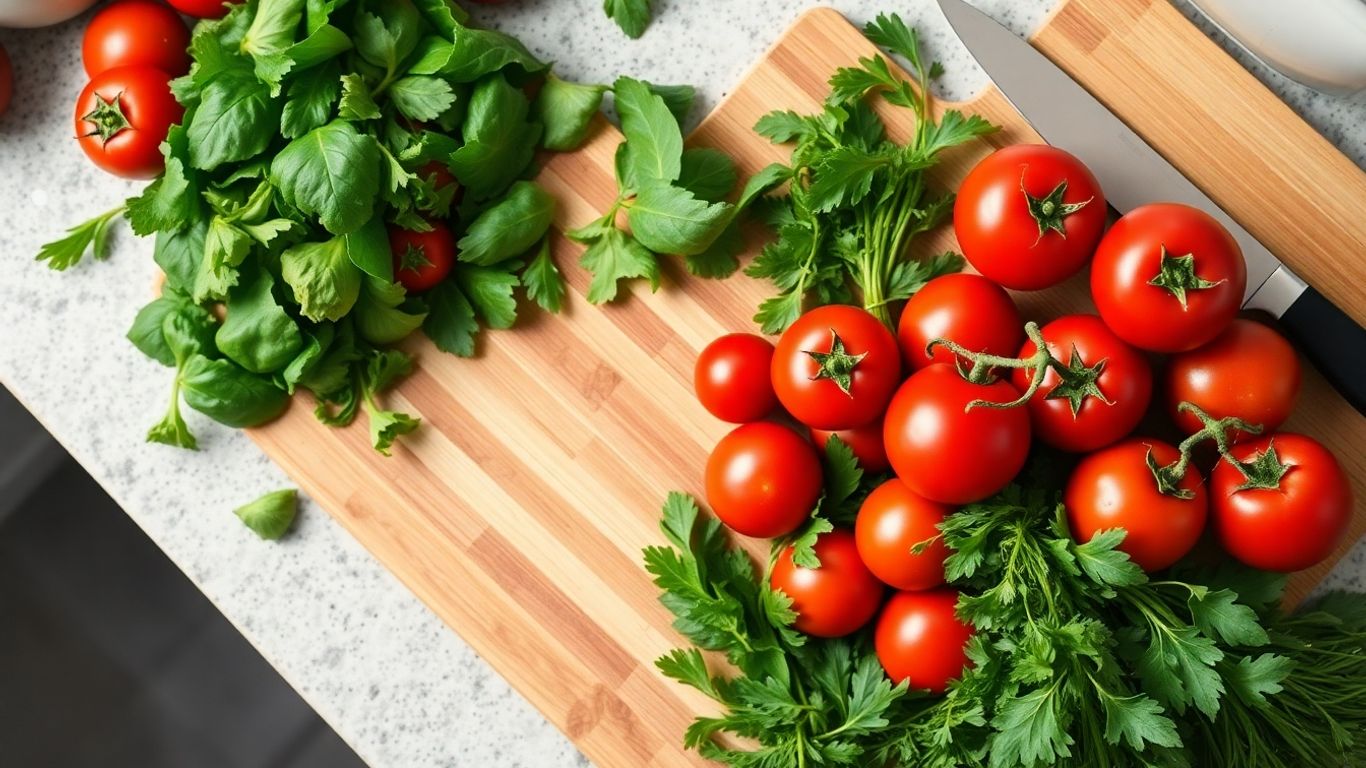

When you take charge of your own kitchen, you’re really taking charge of what goes into your body. It’s a pretty big deal, honestly. You get to pick out the freshest ingredients, the ones that actually have good stuff in them, instead of whatever’s cheapest or easiest for a restaurant to use.
This means you can easily focus on eating healthier at home, loading up on veggies and lean proteins without even thinking too hard about it.
Control Over Ingredients
This is probably the biggest win. You know exactly what’s in your food. No hidden sugars, no excessive salt, no weird preservatives you can’t pronounce. You can swap out butter for olive oil, use less salt, and add more garlic or herbs for flavor.
It’s all about making choices that work for you. Plus, if you have allergies or dietary restrictions, this is a lifesaver. You can tailor every meal to your specific needs, which is something you just can’t do when you’re ordering takeout.
Reduced Processed Food Consumption
Think about it: most meals bought from restaurants or made from boxes are packed with processed stuff. This often means high amounts of sodium, unhealthy fats, and added sugars. Eating too much of this can lead to all sorts of health problems down the line.
When you’re cooking at home, you naturally cut down on these things. You’re not relying on pre-made sauces or frozen meals. The benefits of preparing food yourself include a direct reduction in your intake of these less-than-ideal ingredients. You can make simple swaps, like using fresh produce instead of canned vegetables, and you’ll feel the difference.
Financial Benefits Of Home Cooking
Let’s talk about your wallet. You know, that thing that always seems a little lighter after a week of eating out or grabbing takeout? Cooking at home is a seriously effective way to keep more money in your pocket. Think about it: when you buy groceries, you’re paying for the raw ingredients.
When you eat at a restaurant, you’re paying for those ingredients, plus the labor, the overhead of the building, the marketing, and the profit for the business. That’s a lot of extra costs that you can skip entirely when you cook for yourself.
Saving Money On Meals
It’s pretty straightforward, really. Eating out, even at casual places, adds up fast. A single meal that might cost you $15-$20 at a restaurant could easily be made for $3-$5 at home, depending on what you’re making, of course. If you’re someone who eats out for lunch every day, switching to packing your own lunch even just a few times a week can save you hundreds of dollars a month.
It’s not just about the big dinners, either. Those daily coffees, snacks, and impulse buys from cafes can also drain your bank account. Making your own coffee and bringing your own snacks are simple changes that contribute to significant savings over time.
Here’s a rough idea of how much you might save:
| Meal Type | Average Cost Eating Out | Average Cost Home Cooking |
|---|---|---|
| Lunch | $18 | $4 |
| Dinner | $30 | $8 |
| Coffee | $5 | $1 |
Cost-Effective Ingredient Choices
When you’re in charge of your own kitchen, you get to be smart about what you buy. This means you can really focus on budget-friendly meal preparation. Instead of relying on pre-made sauces or pre-cut veggies that cost more, you can buy whole ingredients and prep them yourself.
Things like dried beans, rice, oats, and seasonal produce are usually much cheaper than their processed or convenience counterparts. You can also plan your meals around what’s on sale at the grocery store. Buying in bulk for staples you use often, like pasta or flour, can also cut down on costs.
Plus, when you cook at home, you’re less likely to waste food because you can use up leftovers creatively, which is another way to save money and get the most out of your healthy home cooking benefits.
Beyond Health And Savings: Additional Perks
So, we’ve talked about how cooking at home is good for your body and your bank account. But honestly, there’s even more to it than just that. It’s not just about avoiding extra salt or saving a few bucks on takeout.
Therapeutic Qualities Of Cooking
Think about it: when was the last time you really took a moment to just do something with your hands? In our super-fast world, actually chopping vegetables, stirring a pot, or even just measuring out ingredients can be a real break. It’s like a mini-vacation from all the screens and to-do lists.
Some studies even suggest that cooking can make you feel happier and more creative, especially when life feels a bit overwhelming. It’s a way to take care of yourself, a little act of kindness you do for yourself and maybe for the people you share your food with. It’s a chance to slow down and just be present with what you’re doing.
Fostering Connections Through Shared Meals
Food has this amazing way of bringing people together, right? And it’s not just about eating the meal; the whole process can be a bonding experience. Cooking together with your partner, kids, or friends can be a really nice way to spend time.
You can chat, laugh, and work together on something. Then, sitting down to eat that meal you all made, or that you made for them, is a great way to connect. It’s a time to talk about your day, share stories, and just be together without all the usual distractions. It builds a sense of togetherness that you just don’t get from eating separately out of containers.
Discussion about this post