

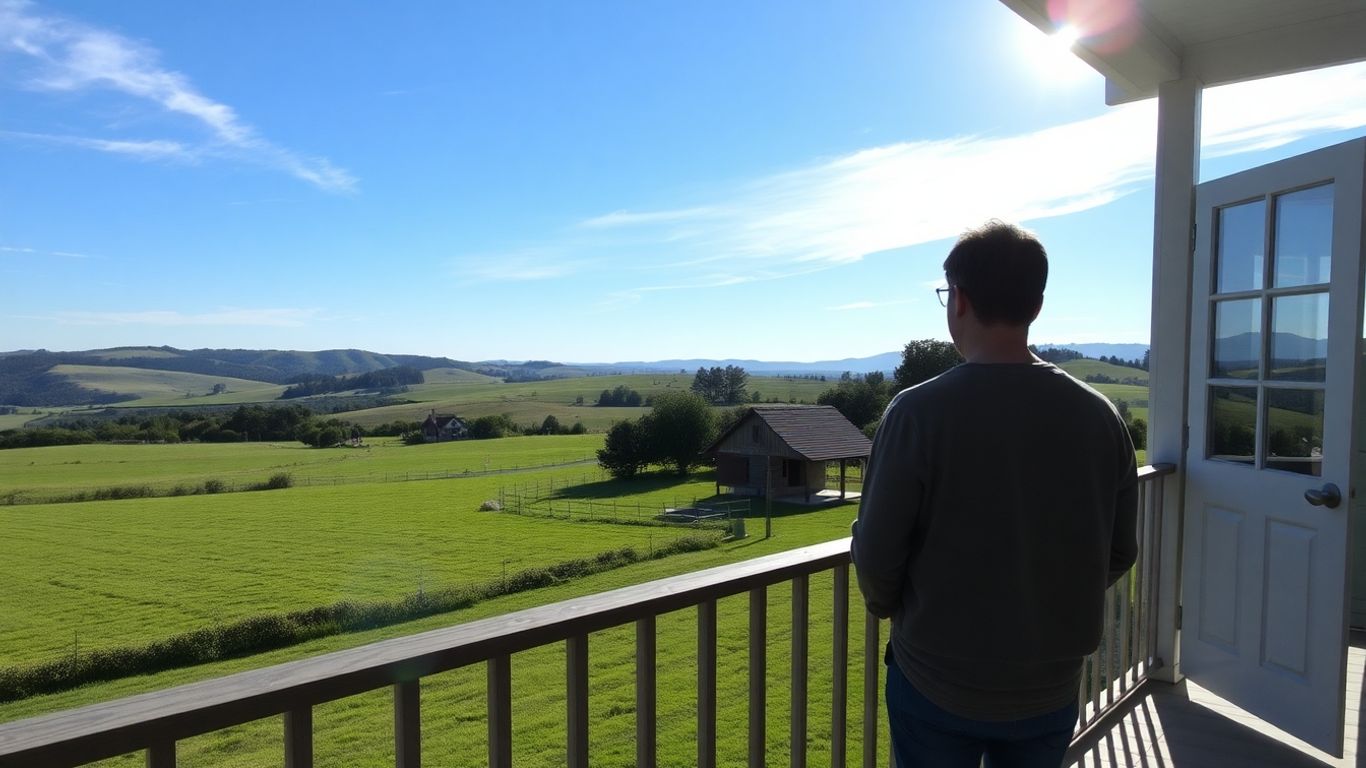

Moving from the city to the country is a big shift, and one of the first things you’ll notice is how different the pace of life is. It’s not just about fewer cars; it’s a whole different rhythm. For many city dwellers making the city dweller rural transition, this slower pace is one of the main benefits of rural lifestyle they’re seeking.
It means less rushing, more time to actually notice things, and a chance to breathe a little easier. But it can take some getting used to if you’re used to everything happening at warp speed.
Connecting With Your New Neighbors
When you move to a rural area, your neighbors are often the first people you’ll get to know, and they can be a real lifeline. Unlike in the city where you might barely know the person next door, in the country, people tend to look out for each other more. It’s a good idea to introduce yourself soon after you arrive. Don’t wait for them to come to you.
A simple wave and a friendly hello can go a long way. Think about attending local events, like town fairs or farmers’ markets, if they’re happening. Joining a local club, maybe a gardening group or a book club, is another great way to meet people who share your interests. Volunteering for a local cause is also a fantastic way to get involved and meet folks. It helps you feel like you belong, and you’ll learn a lot about the area from the people who have lived there for years.
Adjusting to a Slower Rhythm
One of the biggest adjustments for anyone coming from a city is the change in pace. Things just don’t happen as quickly out here. You might be used to having shops open late or services available 24/7. In the country, you’ll need to plan ahead more. For example, if you need groceries, you might have to drive a bit further and make sure you go during opening hours.
It’s also worth looking into internet providers that are known to work well in rural areas, as service can be spotty. This slower rhythm isn’t necessarily bad, though. It can be a real benefit, allowing you to be more present and less stressed. It’s about finding a new normal that works for you, one that embraces the quiet and the space.
Here’s a quick look at how daily life might change:
- Errands: Expect to plan trips to town for shopping or appointments. It might take longer to get things done.
- Socializing: You might need to be more proactive in arranging get-togethers with friends or neighbors.
- Pace of Work: If you work remotely, you might find your own work pace naturally slows down a bit, which can be a good thing.
- Nature’s Schedule: You’ll start noticing the seasons more, and how they affect daily life, like planting times or when certain animals are active.
Practicalities of Country Living
Moving to the country means you’ll likely run into some different everyday situations than you’re used to. It’s not always about the quiet mornings, you know? There are some real practical things to get your head around. These are some of the common challenges of country life you’ll want to be ready for.
One of the biggest shifts when you’re adjusting to country living is how you get your stuff. Cities have everything right around the corner, but out here, it’s different. You might find yourself driving a good distance for groceries or even just to mail a letter. It’s not uncommon to have just one small store, a post office with limited hours, and maybe a couple of gas stations for a whole area.
This means you really have to plan your trips. Think about making a list and stocking up when you go, so you don’t have to make as many runs. Also, don’t forget about things like internet and cell service. While it’s getting better, you might have fewer choices or slower speeds than you’re used to. It’s worth looking into providers that specialize in rural areas before you move.
Living in the country often pushes you to become a bit more self-reliant. This is one of those moving to the country tips that really makes a difference. You might find yourself wanting to grow your own vegetables, maybe even raise a few chickens for eggs.
Learning how to do these things can be really rewarding. It’s not just about saving money, though that’s a perk; it’s about knowing where your food comes from and having a connection to the land. Even simple skills like basic home repairs or knowing how to properly store food can be super helpful. Think about taking a class or finding a neighbor who’s willing to show you the ropes. It’s a big part of what makes country living so satisfying.
Here are a few skills that come in handy:
- Gardening Basics: Learning about soil, planting seasons, and pest control.
- Food Preservation: Canning, freezing, or drying your harvest.
- Basic Tool Use: Knowing how to use common tools for simple repairs around your property.
- Vehicle Maintenance: Understanding how to check your oil, tire pressure, and other simple upkeep for your car.
Discussion about this post