

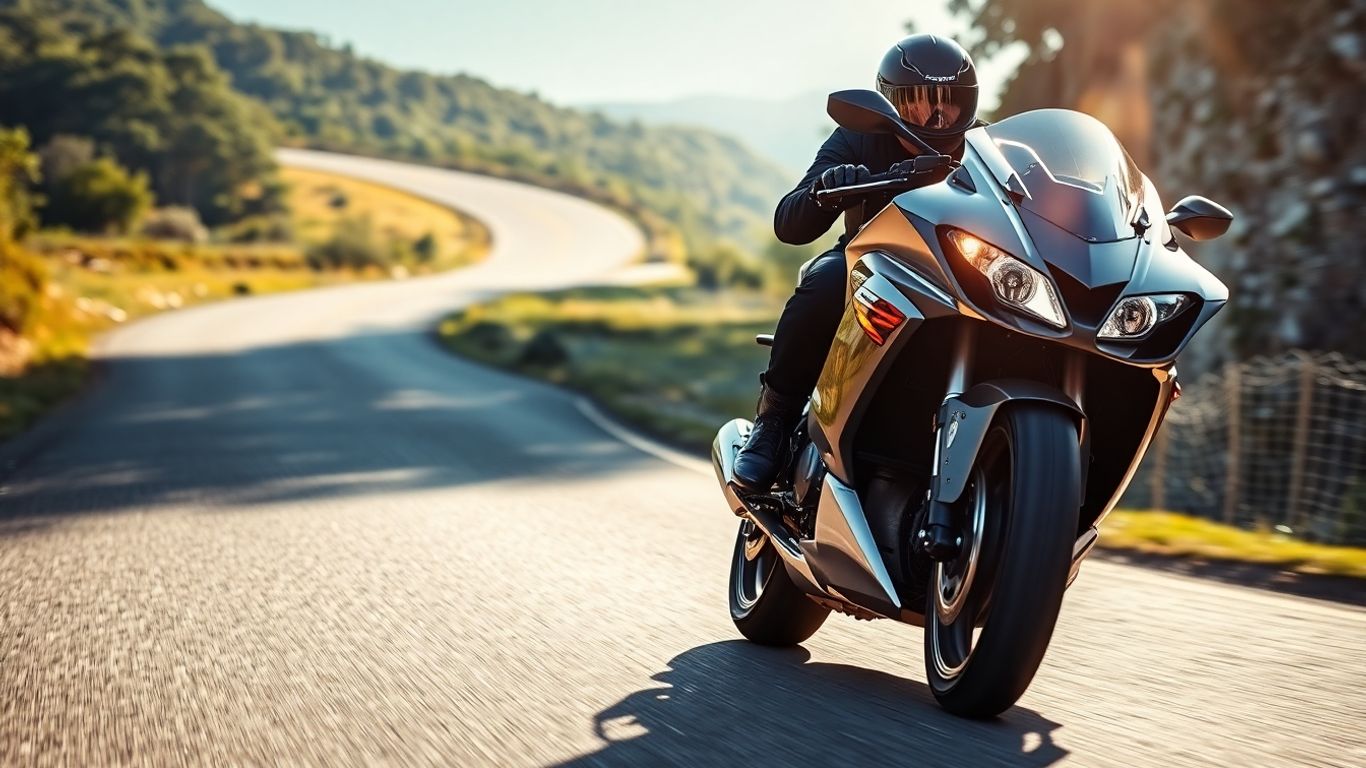

Let’s face it, sometimes it feels like other drivers just don’t see you out there. Motorcycles are smaller than cars, and it’s easy for them to get lost in blind spots or just plain overlooked.
Making yourself more visible isn’t about being flashy; it’s about staying safe. You want to do everything you can to make sure other people on the road know you’re there.
Be Seen By Other Drivers
This is all about being proactive. Don’t just assume someone sees you. You need to actively work to get their attention in a good way. Think about where you’re riding and how you can position yourself to be more noticeable.
Sometimes, just changing your lane position slightly can make a big difference. Also, always keep an eye out for cars that might be turning or changing lanes without looking. It’s a good idea to have an idea of where you’ll go if someone pulls out in front of you – a sort of escape route.
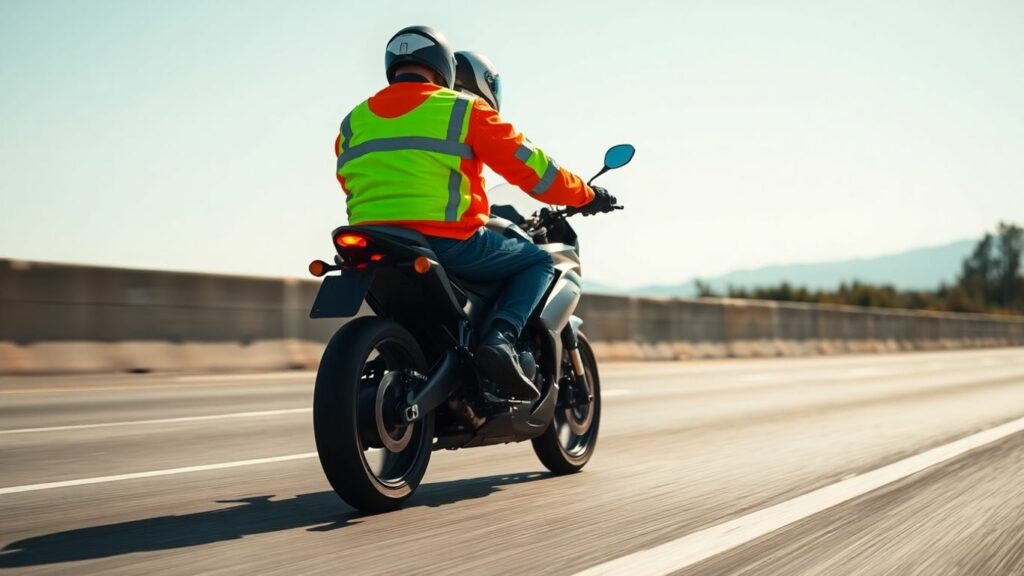
- Headlight Check: Make sure your headlight is always on, day and night. It’s a simple thing, but it helps a lot.
- Lane Positioning: Don’t linger in someone’s blind spot, especially for big trucks. Move to a position where you can see them and they can see you.
- Anticipate Actions: Watch for cars at intersections that might turn across your path. Be ready to react.
- Signal Clearly: Use your turn signals for every lane change and turn. Don’t assume people know what you’re doing.
Utilize Reflective Gear
This is where your gear can really help you out. Think of reflective materials as your personal spotlight, especially when it’s getting dark or the weather isn’t great. You can find all sorts of gear with reflective strips or panels built in. Jackets, pants, helmets, and even patches you can add to your existing gear are available.
The more reflective surfaces you have, the better chance a driver has of spotting you when their headlights hit you. It’s a smart way to add an extra layer of safety without really changing how you ride.
- Helmet: A light-colored helmet is a good start, but adding reflective tape to it makes it even better.
- Clothing: Look for jackets and pants with built-in reflective elements. If yours don’t have them, consider adding reflective patches.
- Motorcycle: You can add reflective tape to your bike’s wheels, fenders, or luggage for extra visibility.
Master Essential Riding Techniques
Knowing how to handle your motorcycle is one thing, but knowing how to ride it safely in real-world conditions is another. It’s not just about twisting the throttle; it’s about being aware and prepared for whatever the road throws at you. Let’s get into some of the key skills that can make a big difference.
Practice Defensive Riding Strategies
Think of defensive riding as being one step ahead. Since other drivers might not always see you, you need to anticipate their actions. This means always looking for potential hazards and planning your escape routes.
Don’t just focus on the bike in front of you; scan the road ahead, check your mirrors, and be aware of what’s happening on the sides.
- Scan constantly: Look far down the road and also check your immediate surroundings. What’s that car doing three lanes over? Is that pedestrian going to step out?
- Create space: Give yourself plenty of room between you and other vehicles. This gives you time to react if something unexpected happens.
- Be predictable: Use your turn signals for every lane change and turn. Make sure your headlight is on, even during the day.
- Assume you’re invisible: Ride as if other drivers don’t see you. This mindset will keep you more alert and cautious.
Understand Your Motorcycle’s Capabilities
Your bike is more than just a machine; it’s your partner on the road. You need to know what it can do and, just as importantly, what it can’t. This includes regular bike maintenance checks to make sure everything is in good working order.
Before you head out, do a quick walk-around. Check your tires for proper inflation and any damage. Test your brakes – both front and rear. Make sure your lights and horn are working. A little time spent on these bike maintenance checks can prevent a breakdown or a dangerous situation.
Also, know how your bike handles in different situations. How does it feel on wet pavement? How quickly can it stop from highway speeds? Practicing these things in a safe, controlled environment, like an empty parking lot, can build your confidence and skill.
Remember, pushing your limits without knowing them can lead to trouble. Stick to what you’re comfortable with, especially when you’re starting out or in tricky weather.
Prioritize Rider Protection
When you’re out on your bike, your safety is in your hands. It’s not just about knowing how to twist the throttle; it’s about being prepared for anything the road throws at you. This means wearing the right stuff and keeping your head in the game. Let’s break down how you can really protect yourself out there.
Wear Appropriate Safety Gear
Think of your gear as your second skin. It’s what stands between you and the pavement if things go sideways. You wouldn’t go rock climbing without a harness, right? Same idea here. Getting the right gear is a big step in preventing motorcycle accidents.
- Helmet: This is non-negotiable. A full-face helmet offers the most coverage. Make sure it fits snugly and is DOT-approved. A bright color can also help you be seen.
- Jacket and Pants: Look for abrasion-resistant materials like leather or specialized textiles. They should have armor in the key impact zones (shoulders, elbows, back, hips, knees).
- Gloves: Protect your hands. Leather or synthetic gloves with reinforced palms are a good choice.
- Footwear: Over-the-ankle boots are a must. They protect your feet and ankles from impact and abrasion.
Remember, you’re dressing for a potential crash, not just a casual ride. Good gear makes a huge difference in reducing injuries.
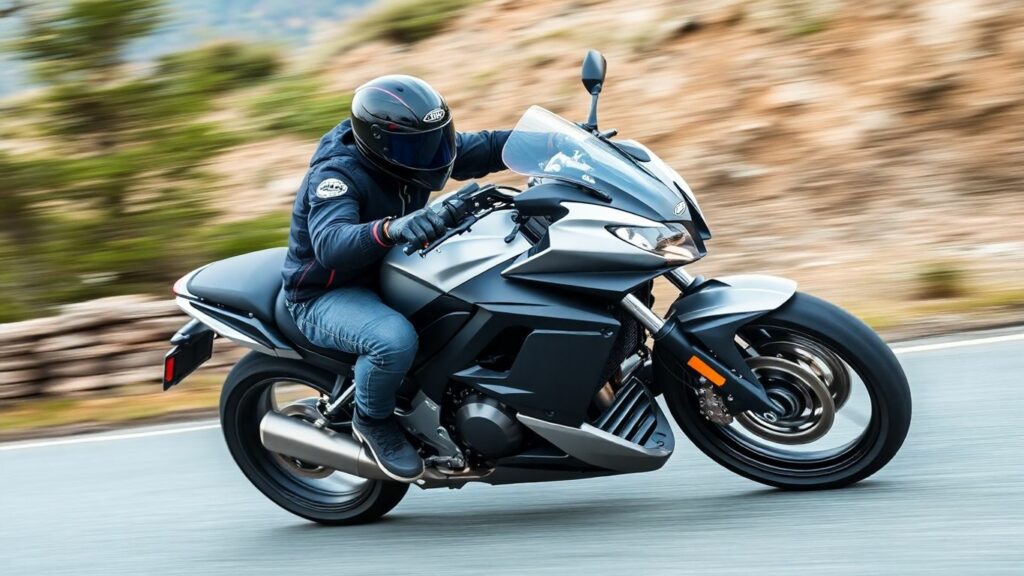
Maintain Peak Mental Acuity
Your brain is your most important safety tool. Staying sharp and aware is key to defensive motorcycle riding and road hazard awareness for bikers. If you’re tired, stressed, or distracted, your reaction time suffers, and that’s when trouble can find you.
- Be Present: Always focus on the ride. Avoid letting your mind wander to work problems or personal stuff. Your full attention needs to be on the road, traffic, and your bike.
- Know Your Limits: Don’t ride when you’re exhausted. If you’re feeling fatigued, pull over and take a break. Also, steer clear of alcohol or any substances that impair your judgment or reflexes. Seriously, it’s not worth the risk.
- Scan Constantly: Always be looking ahead, to the sides, and behind you. Anticipate what other drivers might do. Look for potential escape routes. This constant scanning is a big part of road hazard awareness for bikers and helps in preventing motorcycle accidents.
Discussion about this post