

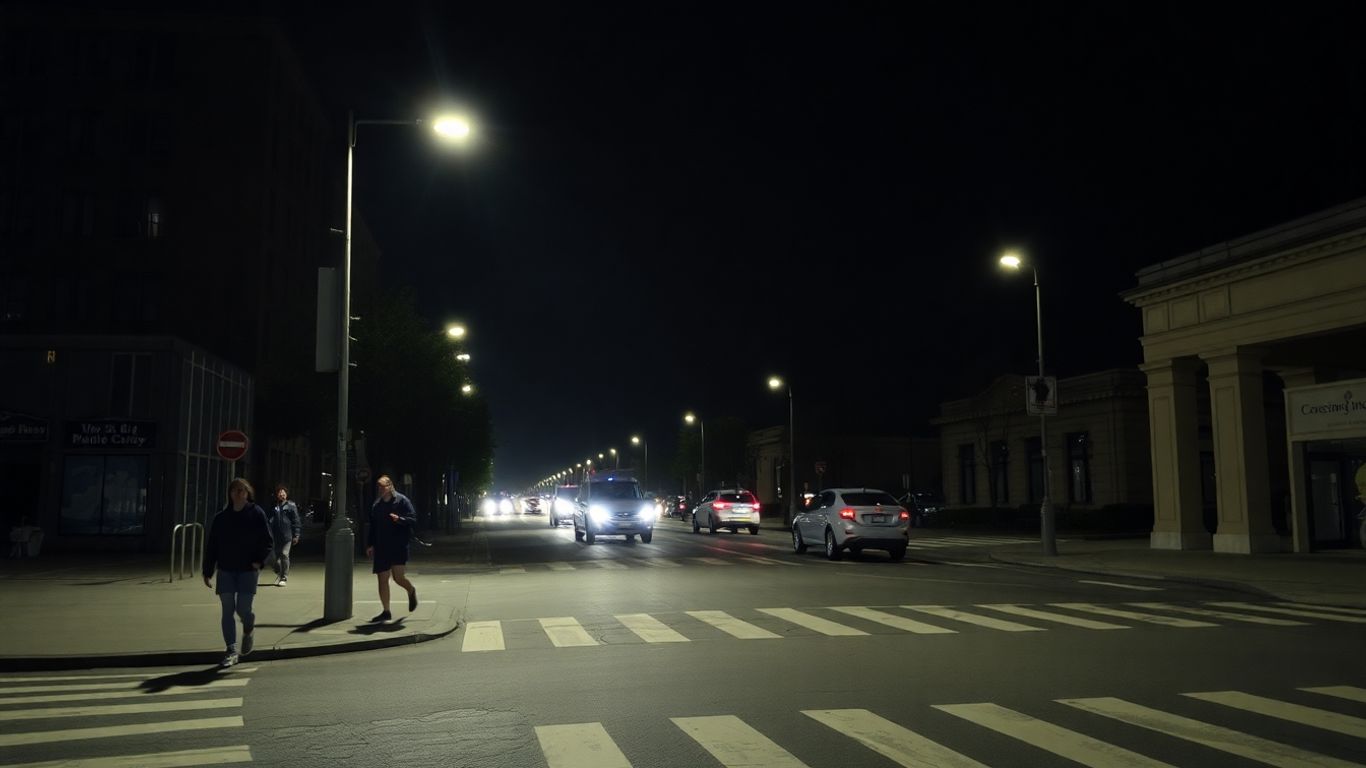

Taking the time to plan before heading out is one of the most effective ways to use urban night travel safety advice. Don’t just assume things will go smoothly because your route feels familiar. Even routines can carry risks, especially after dark.
Smart, safe travel practices for nighttime journeys start long before you step outside. Here’s what you need to know:
Choose Well-Lit and Busy Routes for Walking
Walking after dark isn’t the same as walking during the day, even in your own neighborhood. Here’s a practical checklist to keep your route safer:
- Stick to main roads and avoid shortcuts: Main streets are generally more populated and better illuminated. Side alleys and quiet parks might be quicker, but they’re also riskier after sunset.
- Look for stores or open businesses along your path: If you ever feel uneasy, you can step into a shop or café until you feel safe enough to continue.
- Familiar is better: Try to walk on routes you know. That way, you know where the trouble spots are and where you can get help quickly if needed.
Here’s a simple table comparing night walk risks:
| Route Type | Lighting | Number of People | Safety Rating (1-5) |
|---|---|---|---|
| Main Street | High | Many | 5 |
| Residential Area | Medium | Some | 3 |
| Alley/Shortcut | Low | Few | 1 |
| Park Path (at night) | Low | Few | 1 |
You don’t need to memorize every street. Just pick the busier, brighter path.
Share Your Travel Plans with Trusted Contacts
One key part of safe travel practices for nighttime journeys is making sure someone knows where you are. This isn’t just for your parents or in case you’re traveling far. It’s basic personal safety.
- Let someone know when you expect to arrive and which route you’re taking. Use a text message or a simple call. It’s quick and can make a big difference if something happens.
- Share your live location through your phone if you have that feature. Apps like WhatsApp, Google Maps, and others make this easy, your friend or family member can track your progress in real time.
- Check in when you get to your destination. It feels like a small thing but being accountable helps people find you faster in the unlikely event that you get into trouble.
Building these habits isn’t just about being careful, it’s also about your peace of mind. If you know you’ve taken these steps, you tend to feel more confident as you travel at night. It’s a simple way to put urban night travel safety advice into action before you ever walk out the door.
Personal Safety Tips for Late-Night Travellers on Foot
Navigating the city by foot after dark is a whole different experience from moving around during the day. Streets are quieter, people seem to vanish, and every sound or shadow grabs your attention. If you’re a solo traveler or find yourself walking alone late at night, there are specific things you can do to lower your risks.
Here’s a deeper look into how to stay safe at night while traveling, especially if preventing crime while walking late at night is top of mind.
Stay Alert and Minimize Distractions
The most important piece? Awareness. It’s crazy how quickly you can zone out scrolling through your phone or catching up on messages, but that’s when you’re most vulnerable. Here’s what I’ve learned from walking home late more times than I can count:
- If you carry your phone, keep it handy only in case you need to call for help, don’t let it become a distraction.
- Skip the headphones or, at the very least, keep the volume low and use just one earbud so you’re not deaf to your surroundings.
- Keep your eyes up, walk with some speed, and squeeze in eye contact with anyone around. You’ll look more confident and less like an easy target.
- Trust your instincts. If something feels off, a person, an empty alley, an odd sound—don’t ignore that gut feeling. Take a detour, cross the street, or even duck into a store or café.
Some basics I stick to every time:
- Walk with purpose, no matter where you are.
- Check your surroundings frequently, not just ahead, but behind you as well.
- If you sense someone following you, head for a busy, well-lit place and call someone if possible.
Carry Deterrents and Reflective Gear
Personal safety tips for solo night travelers aren’t just about being alert. Sometimes it’s the physical stuff you carry and wear that helps most:
- Carry a whistle or small alarm. It’s simple, but even the sound alone can throw off someone with bad intentions.
- Pepper spray (where legal) can give you a chance to escape if someone tries to attack—just make sure you practice how to use it.
- Wear something reflective. I used to avoid this because it looked dorky, but if you’re near roads or cycling lanes, anything that lets drivers see you faster is worth it.
- A pocket flashlight or a headlamp can be a game-changer. Not only does it help you see potholes or broken sidewalks, it signals to others that you’re alert.
- Keep your hands as free as possible, wear a backpack or sling bag so that if you need to run or use your phone, you’re not juggling bags of groceries.
Here’s a quick rundown, just to keep things organized:
| Gear to Carry | Why It Helps |
|---|---|
| Whistle/Alarm | Attracts attention quickly |
| Pepper spray/mace | Deters attackers |
| Reflective clothing | Improves visibility |
| Flashlight/headlamp | Lights up your path |
| Small basic first aid | Aids in minor accidents |
No matter how prepared you are, remember that your safety always comes first. If robbed or threatened, drop your things and get out, personal belongings can be replaced, you can’t. These habits go a long way in preventing crime while walking late at night. If you make these steps part of your routine, walking late shouldn’t feel as nerve-wracking as it sometimes can.
Safe Use of Transportation After Dark
Traveling late at night puts you in a completely different setting than taking a trip during the day. There’s less light, fewer people, and, let’s just say it, things can get a little sketchy with transportation. Public transport systems run fewer vehicles, rideshare and taxi services get busier and sometimes feel unsafe. You might even feel more on edge waiting in a dark parking lot or outside a train station.
Verify Your Ride and Trust Your Instincts
When you order a taxi or use a ridesharing app, don’t just hop into the first car that pulls up. Things can get confusing, especially at busy places like clubs or train stations when several people are waiting for rides.
- Double-check the license plate, car model, and driver name in your app before getting in. Don’t be shy about asking the driver, “Who are you picking up?” instead of giving them your name first.
- Listen to your instincts. If something feels off, the driver seems jumpy or won’t confirm your name, don’t get in. Walk away. Your gut usually knows what’s up before your brain does.
- Sit in the back seat when using rideshare or taxis, so you have an easy exit if you need it. It also gives you more space.
Opt for Licensed Services and Stay Sober
One thing is clear, using unlicensed or sketchy rides at night opens you up to more risk. Don’t try to save a few bucks by flagging down random drivers or using unverified ride services.
- Only use registered taxis or official rideshare platforms. Many cities have apps where you can check the cab’s registration or report suspicious drivers right away.
- If you plan to drink, arrange your ride before heading out. Your judgment gets fuzzy after a few drinks, and risky shortcuts start to sound like good ideas. Pre-booking saves the stress later.
- Wait for your ride in well-lit, populated areas. Standing alone in a dark area can make you a target.
Here’s a quick table with points to remember:
| Safety Concern | What You Should Do |
|---|---|
| Wrong Car or Driver | Confirm driver details in your app |
| Suspicious Behavior | Trust instincts, walk away if unsure |
| Riding Home After Drinks | Pre-book your ride or have a sober buddy with you |
| Waiting in Isolation | Stand near building entrances or in groups |
These habits might slow you down, but they can really pay off. Getting home safely is always worth the few extra minutes. At night, being careful about your transportation is just smart. Don’t be afraid to look out for yourself, you’ll thank yourself later.
Discussion about this post