

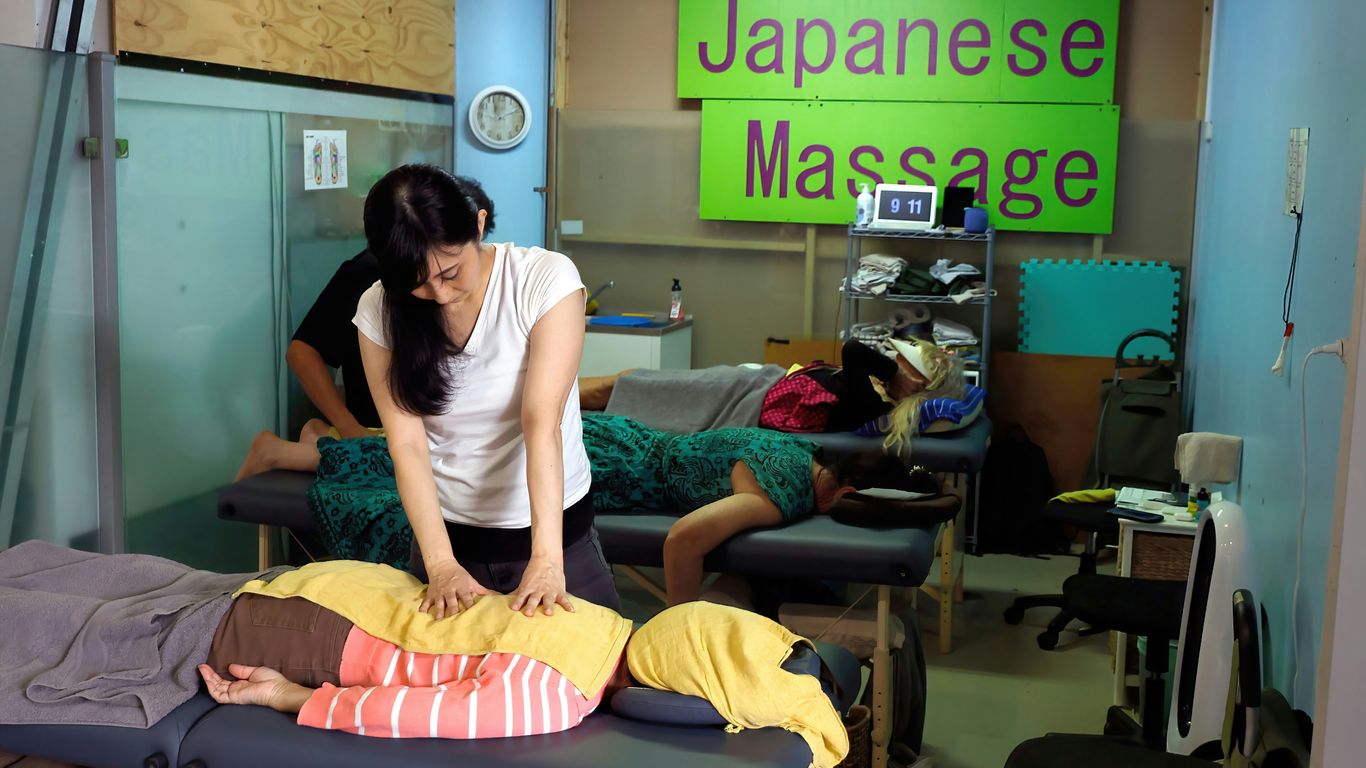

Consistent massage therapy delivers a wealth of benefits for both body and mind. Physically, it can ease discomfort, release muscle tightness, improve flexibility, enhance circulation, and speed up recovery after injuries.
On a mental and emotional level, massage promotes relaxation, reduces stress, and alleviates symptoms of anxiety and depression by boosting feel-good hormones while lowering stress-related chemicals such as cortisol.
These effects not only support better sleep and emotional balance but can also contribute to a stronger immune system through increased white blood cell activity.
Alleviating Physical Discomfort
Feeling that persistent ache in your back or neck? You’re not alone. Many of us deal with daily physical discomfort, and that’s where regular massage therapy can really make a difference. It’s one of the key advantages of routine massage that people notice first.
Easing Back and Neck Pain
If you’re struggling with back or neck pain, you might find relief through massage. Studies have shown that massage therapy can be effective for back pain, though some research suggests the benefits might be short-term, meaning consistent sessions could be more helpful for ongoing management.
For neck pain, one older study indicated that longer, more frequent sessions (like a 60-minute massage two or three times a week) showed better results than less frequent or shorter massages. The idea is to work on those tight muscles and connective tissues that might be contributing to your pain.
Addressing Headaches and Migraines
Headaches and migraines can really disrupt your day. Massage therapy is often recommended for these issues too. Some research points to massage improving sleep and potentially reducing the frequency of migraines.
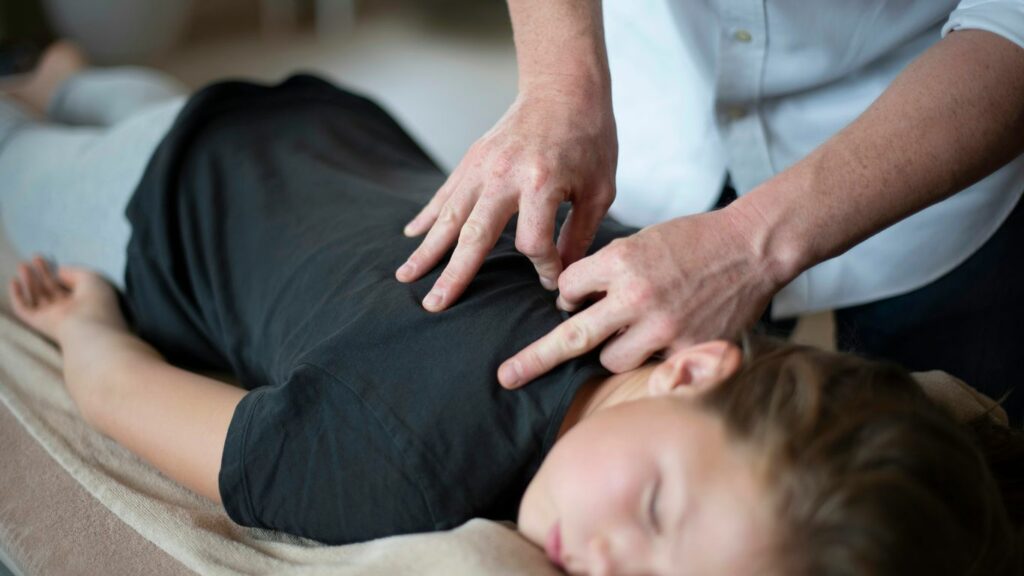
Therapies like cranial sacral massage, which uses light touch and subtle movements, are specifically used to treat headaches and neck pain. By working on tension points and improving circulation, massage can help ease the pressure that often leads to headaches.
Enhancing Mental and Emotional Well-being
Life can get pretty hectic, right? You’re juggling work, family, and all the little things in between. It’s easy to feel overwhelmed. That’s where massage therapy really shines, going beyond just physical relief to support your mental and emotional state. It’s a key part of a holistic health and massage approach.
Reducing Anxiety and Stress
Feeling wound up? Massage can be a fantastic way to unwind. When you get a massage, your body often responds by lowering cortisol, which is that stress hormone. Think of it as hitting a pause button on your worries.
Studies have shown that regular massage sessions can lead to noticeable drops in anxiety levels. It’s not just about feeling good in the moment; it can help retrain your nervous system to be less reactive to stressors over time. Some people find that even a short, focused session on areas like the neck and shoulders can make a big difference in their daily tension.
Combating Depression Symptoms
While massage isn’t a cure-all for depression, it can be a really helpful complementary tool. Many people find that the physical touch and relaxation involved in a massage can lift their mood. It can increase levels of serotonin and dopamine, which are brain chemicals linked to happiness and well-being.
For some, the quiet, focused attention during a massage session provides a much-needed break from negative thought patterns. It’s a form of self-care that acknowledges your need for comfort and calm. For instance, a review of several studies indicated that massage therapy might help lessen feelings of depression.
Here’s a quick look at how massage can help your mental state:
- Lowers Stress Hormones: Reduces cortisol, helping you feel calmer.
- Boosts Mood-Related Chemicals: Can increase serotonin and dopamine.
- Promotes Relaxation: Helps your body and mind switch off from daily pressures.
- Improves Sleep: Better sleep often leads to a better mood.
Incorporating massage for wellness into your routine can be a powerful way to manage the ups and downs of life. It’s about taking care of your whole self, mind and body.
Supporting Specific Health Conditions

Managing Osteoarthritis and Fibromyalgia
If you’re dealing with conditions like osteoarthritis or fibromyalgia, massage therapy might offer some relief. For knee osteoarthritis, studies have shown that getting a massage, even just once or twice a week, can lead to improvements in pain and stiffness.
It seems to help with how well your knee works, too. People with fibromyalgia have also reported benefits, with massage therapy helping to ease pain, anxiety, and depression over a few weeks. It’s not a cure, of course, but it can be a helpful addition to your treatment plan.
Complementary Care for Cancer and HIV/AIDS
For those undergoing cancer treatment, massage can be a supportive therapy alongside conventional medicine. It’s often used to help you relax and manage some of the tough side effects of treatment. Think reduced pain, less swelling, less fatigue, or even help with nausea and depression. Some research even suggests it might help your immune system work a bit better.
However, it’s really important to talk to your doctor before getting a massage if you have cancer. There are specific areas a therapist needs to avoid, and times when massage just isn’t recommended.
Similarly, for individuals living with HIV/AIDS, massage therapy is being looked at for its potential to improve quality of life. It may help with the anxiety and depression that can come with managing this condition. While it’s not a replacement for medical treatment, it can be a way to feel a bit better overall.
Discussion about this post