

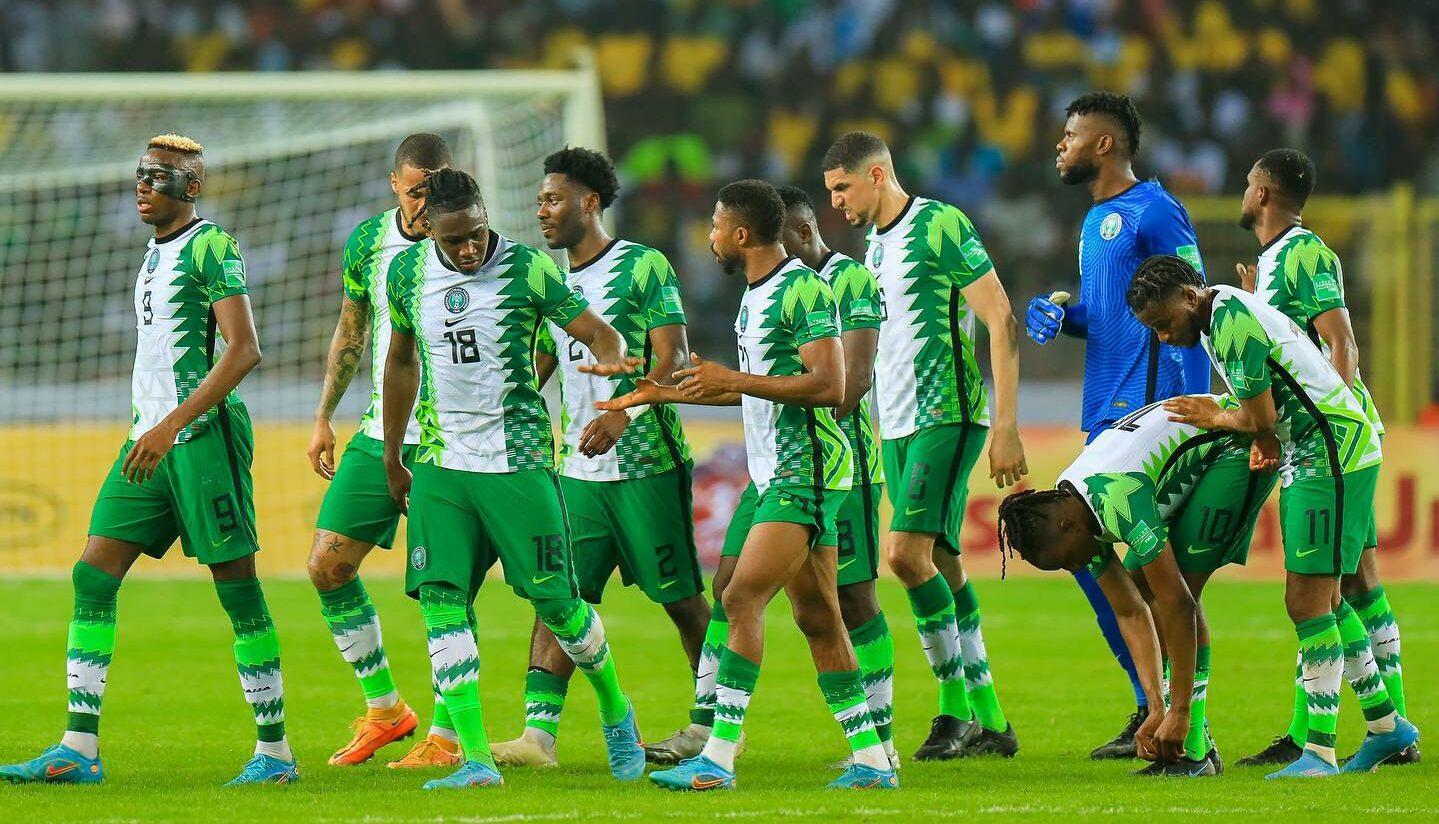

As you delve into the world of international soccer, few teams capture the imagination quite like Nigeria’s Super Eagles. With their distinctive green and white uniforms and electrifying style of play, the Super Eagles have long been a force to be reckoned with on the African continent and beyond.
This national team has consistently showcased Nigeria’s rich soccer talent on the global stage, thrilling fans with their speed, skill, and flair. From World Cup appearances to African Cup of Nations triumphs, the Super Eagles have etched their name in football history. Join us as we explore the legacy and bright future of Nigeria’s beloved national team.
About the Nigeria National Football Team (Super Eagles)
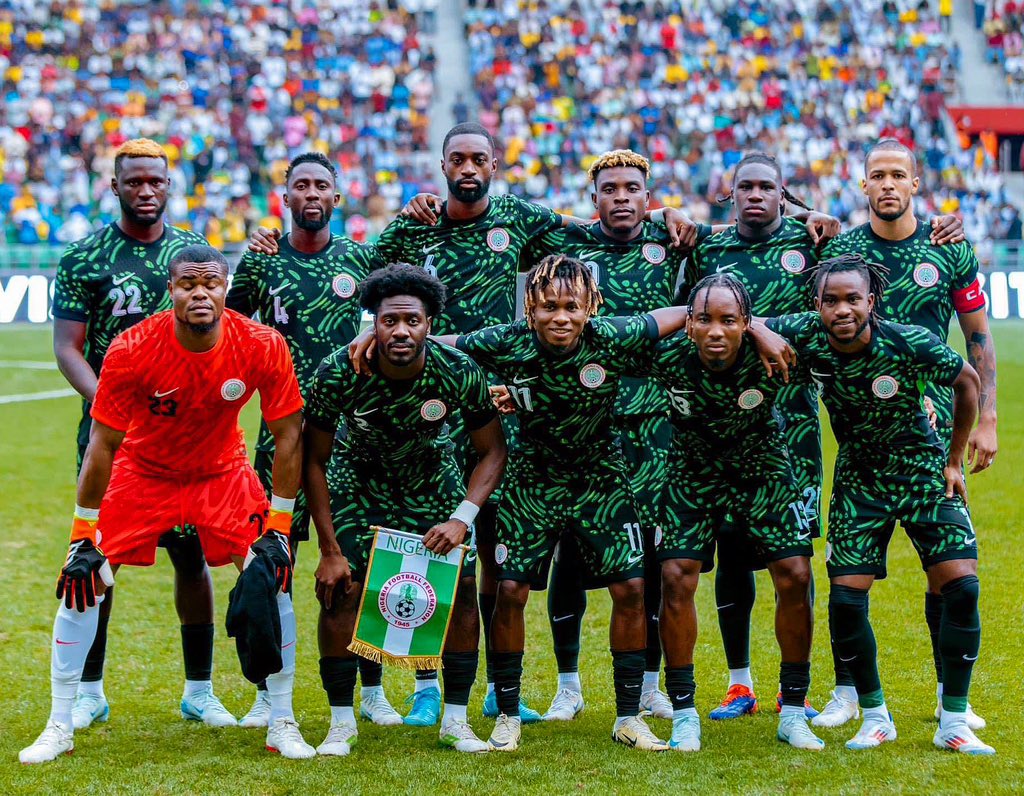
The Super Eagles, Nigeria’s national football team, have a rich and storied history that dates back to the early 20th century. You might be surprised to learn that Nigeria’s first international match was played in 1949, a full decade before the country gained independence from British rule.
In the 1960s and 70s, the Super Eagles began to make their mark on the African football scene. They clinched their first Africa Cup of Nations (AFCON) title in 1980, a watershed moment that catapulted them into continental stardom. This victory was just the beginning of Nigeria’s football dominance in Africa.
The Super Eagles made their FIFA World Cup debut in 1994, stunning the world with their exciting brand of football. You’d be impressed to know that they reached the Round of 16 in their very first appearance, a feat they’ve repeated in 1998 and 2014. The team’s high-flying performances have earned them the nickname “Super Eagles,” reflecting their speed, agility, and power on the field.
Throughout their history, the Super Eagles have consistently produced world-class talents, making them one of Africa’s most formidable football nations.
The Super Eagles’ Achievements and Trophies
When it comes to African football, you can’t ignore the Super Eagles’ impressive trophy cabinet. Nigeria’s national team has consistently proven itself as a powerhouse on the continent, racking up numerous accolades over the years.
Africa Cup of Nations Success
The jewel in the Super Eagles’ crown is undoubtedly their Africa Cup of Nations (AFCON) victories. You might be surprised to learn that Nigeria has clinched this prestigious title three times in 1980, 1994, and 2013. Each triumph showcased the team’s skill, determination, and ability to perform under pressure on the biggest stage in African football.
Olympic Glory
But the Super Eagles’ success isn’t limited to continental competitions. In 1996, they shocked the world by winning gold at the Atlanta Olympics, becoming the first African team to achieve this feat. It’s a moment that still brings pride to Nigerian football fans everywhere.
World Cup Appearances
While a World Cup trophy remains elusive, Nigeria has made its mark on the global stage. The Super Eagles have qualified for six FIFA World Cup tournaments, reaching the Round of 16 three times. Their exciting style of play and occasional giant-killing performances have earned them respect from football fans worldwide.
The Coaching Staff and Leadership of the Super Eagles
When you think of the Super Eagles, you might picture the players on the pitch, but there’s a whole team behind the scenes making the magic happen. Let’s take a peek at the coaching staff and leadership that keep Nigeria’s national football team in top form.
The current Nigerian (Super Eagles) managerial staff consists of a technical adviser who is the coach in charge of all international matches and a chief coach who serves as the first assistant coach. The second assistant coach is in charge of the home team, the CHAN tournament, and other home-based tournaments. Other positions include technical assistant and goalkeeper trainer.
The Head Coach: Tactical Mastermind
At the helm of the Super Eagles is the head coach, the strategic genius who calls the shots. This role has seen some big names over the years, each bringing their own flavor to Nigeria’s playing style. From local legends to international experts, the head coach position is always a hot topic among fans.
Support Staff: Unsung Heroes
But it’s not just about the head honcho. The Super Eagles’ success relies on a dedicated support staff. You’ve got assistant coaches fine-tuning player skills, fitness trainers keeping the team in peak condition, and physiotherapists working miracles on tired muscles. Don’t forget the analysts crunching numbers and studying opponents – they’re the secret weapons in Nigeria’s tactical arsenal.
Team Leadership: On and Off the Field
Leadership isn’t just about the coaches, though. The Super Eagles have their on-field generals too. The team captain rallies the troops, while seasoned players mentor the newcomers. It’s this blend of experience and fresh talent that keeps the Super Eagles soaring high in African and world football.
| Position | Name |
|---|---|
| Technical director |  Augustine Eguavoen Augustine Eguavoen |
| Head coach |  Augustine Eguavoen (interim) Augustine Eguavoen (interim) |
| Assistant coach |  Fidelis Ilechuku Fidelis Ilechuku |
| Assistant coach |  Daniel Ogunmodede Daniel Ogunmodede |
| Goalkeeping coach |  Olatunji Baruwa Olatunji Baruwa |
| Fitness coach |  Tomaz Zorec Tomaz Zorec |
| Video analyst |  Afolabi Adebayo Afolabi Adebayo |
| Match analyst |  Eboboritse Uwejamomere Eboboritse Uwejamomere |
The Super Eagles’ Playing Style and Tactics
When you watch the Super Eagles in action, you’ll notice their distinctive blend of power and finesse. Nigeria’s national team has long been known for its athletic prowess and technical skill, combining these elements to create a formidable force on the pitch.
Physical Dominance
The Super Eagles often rely on their physicality to overwhelm opponents. You’ll see players using their strength and speed to win aerial duels, muscle opponents off the ball, and make lung-busting runs down the flanks. This physical style can be particularly effective against teams unused to such robust play.
Technical Flair
But don’t think it’s all brawn and no brains. Nigerian players are equally renowned for their silky skills and creative flair. Watch out for intricate passing sequences, audacious dribbles, and moments of individual brilliance that can turn a game on its head.
Tactical Flexibility
In recent years, you might have noticed the Super Eagles becoming more tactically flexible. They can seamlessly switch between formations, adapting to their opponents’ strengths and weaknesses. This versatility makes them unpredictable and dangerous, capable of surprising even the most well-prepared teams.
Iconic Moments in Super Eagles’ History
These are some of the iconic moments in Super Eagles history:
1994 World Cup Debut
The Super Eagles made their World Cup debut in style, stunning Bulgaria 3-0. Rashidi Yekini’s emotional goal celebration, clutching the net as tears streamed down his face, became an iconic image of Nigerian football passion.
1996 Olympic Gold
Nigeria shocked the world by winning gold at the Atlanta Olympics. The “Dream Team” defeated football powerhouses Argentina and Brazil en route to the title, with Nwankwo Kanu’s golden goal in the semi-final standing out as a magical moment.
2013 AFCON Triumph
After a 19-year drought, the Super Eagles soared to victory in the 2013 Africa Cup of Nations. Sunday Mba’s stunning volley in the final against Burkina Faso sealed Nigeria’s third continental title and reignited national pride.
1994 AFCON Victory
The golden generation of Nigerian football reached its peak, winning the Africa Cup of Nations with a star-studded squad. Emmanuel Amunike’s late winner in the final against Zambia capped off a tournament that showcased Nigeria’s attacking flair.
Super Eagles Top Goal Scorers
When it comes to finding the back of the net, the Super Eagles have had their fair share of sharpshooters. Let’s dive into the record books and check out some of Nigeria’s most prolific goal-getters.
The All-Time Leader
Topping the charts is none other than Rashidi Yekini. This legendary striker netted an impressive 37 goals in 58 appearances for the Super Eagles. Yekini’s aerial prowess and clinical finishing made him a nightmare for defenders throughout the ’80s and ’90s.
Modern-Day Marksman
While Yekini’s record stands tall, several recent Super Eagles have made their mark:
- Victor Osimhen: With his blistering pace and composure, Musa has notched 23 goals for Nigeria in 38 appearances.
Midfield Maestros
It’s not just the forwards who’ve been banging them in. Some midfielders have contributed their fair share:
- John Obi Mikel: Though known for his defensive prowess, Mikel chipped in with crucial goals during his Super Eagles career.
- Jay-Jay Okocha: This magician didn’t just dazzle with his skills, he had a knack for scoring too.
Top goalscorers
| Rank | Player | Goals | Caps | Ratio | Career |
|---|---|---|---|---|---|
| 1 | Rashidi Yekini | 37 | 62 | 0.6 | 1983–1998 |
| 2 | Victor Osimhen | 23 | 38 | 0.61 | 2017–present |
| Segun Odegbami | 23 | 47 | 0.47 | 1976–1981 | |
| 4 | Yakubu Aigyegbeni | 21 | 58 | 0.36 | 2000–2012 |
| 5 | Ikechukwu Uche | 19 | 46 | 0.41 | 2007–2014 |
| 6 | Obafemi Martins | 18 | 42 | 0.43 | 2004–2015 |
| 7 | Samson Siasia | 17 | 49 | 0.35 | 1984–1998 |
| 8 | Odion Ighalo | 16 | 37 | 0.43 | 2015–present |
| Ahmed Musa | 16 | 109 | 0.15 | 2010–present | |
| 10 | Asuquo Ekpe | 14 | 28 | 0.5 | 1956–1966 |
| Julius Aghahowa | 14 | 32 | 0.44 | 2000–2007 | |
| Kelechi Iheanacho | 14 | 54 | 0.26 | 2015–present | |
| Jay-Jay Okocha | 14 | 73 | 0.19 | 1993–2006 |
As the Super Eagles continue to soar, keep an eye out for the next goal-scoring sensation to emerge from this football-crazy nation!
Super Eagles Most Appearances
When it comes to loyalty and dedication to the Super Eagles, a few players stand head and shoulders above the rest. These Nigerian football icons have donned the green and white jersey more times than any others, leaving an indelible mark on the national team’s history.
Record Holders
At the top of the list is the legendary Ahmed Musa, with an impressive 109 caps for the Super Eagles. Hot on his heels is Vincent Enyeama, the acrobatic goalkeeper who guarded Nigeria’s net 101 times, often single-handedly keeping the team in crucial matches.
Most appearances
| Rank | Player | Caps | Goals | Career |
|---|---|---|---|---|
| 1 | Ahmed Musa | 109 | 16 | 2010–present |
| 2 | Vincent Enyeama | 101 | 0 | 2002–2015 |
| Joseph Yobo | 101 | 7 | 2001–2014 | |
| 4 | Mikel John Obi | 91 | 6 | 2005–2019 |
| 5 | Nwankwo Kanu | 86 | 12 | 1994–2011 |
| Mudashiru Lawal | 86 | 11 | 1975–1985 | |
| 7 | Alex Iwobi | 81 | 10 | 2015–present |
| 8 | Jay-Jay Okocha | 73 | 14 | 1993–2006 |
| William Troost-Ekong | 73 | 7 | 2015–present | |
| 10 | Moses Simon | 72 | 9 | 2015–present |
These players’ consistency and longevity have not only bolstered the team’s performance but also inspired younger generations of Nigerian footballers. Their commitment to the Super Eagles has helped shape the team’s identity and success on the international stage.
Super Eagles Players Current Squad
The Super Eagles, Nigeria’s national football team, boasts a talented roster of players who’ve made their mark both domestically and internationally. Let’s take a closer look at some of the key figures in the current squad.
| No. | Pos. | Player | Date of birth (age) | Caps | Goals | Club |
|---|---|---|---|---|---|---|
| GK | Stanley Nwabili | 10 June 1996 (age 28) | 16 | 0 |  Chippa United Chippa United |
|
| GK | Maduka Okoye | 28 August 1999 (age 25) | 16 | 0 |  Udinese Udinese |
|
| GK | Amas Obasogie | 27 December 1999 (age 24) | 0 | 0 |  Bendel Insurance Bendel Insurance |
|
| DF | William Troost-Ekong (captain) | 1 September 1993 (age 31) | 73 | 7 |  Al-Kholood Al-Kholood |
|
| DF | Ola Aina | 8 October 1996 (age 28) | 42 | 0 |  Nottingham Forest Nottingham Forest |
|
| DF | Semi Ajayi | 9 November 1993 (age 31) | 41 | 1 |  West Bromwich Albion West Bromwich Albion |
|
| DF | Calvin Bassey | 31 December 1999 (age 24) | 27 | 0 |  Fulham Fulham |
|
| DF | Bright Osayi-Samuel | 31 December 1997 (age 26) | 18 | 0 |  Fenerbahçe Fenerbahçe |
|
| DF | Bruno Onyemaechi | 3 April 1999 (age 25) | 8 | 0 |  Boavista Boavista |
|
| DF | Benjamin Tanimu | 24 July 2002 (age 22) | 3 | 0 |  Crawley Town Crawley Town |
|
| MF | Alex Iwobi | 3 May 1996 (age 28) | 81 | 10 |  Fulham Fulham |
|
| MF | Moses Simon | 12 July 1995 (age 29) | 74 | 9 |  Nantes Nantes |
|
| MF | Wilfred Ndidi | 16 December 1996 (age 27) | 59 | 0 |  Leicester City Leicester City |
|
| MF | Frank Onyeka | 1 January 1998 (age 26) | 26 | 1 |  FC Augsburg FC Augsburg |
|
| MF | Raphael Onyedika | 19 April 2001 (age 23) | 11 | 1 |  Club Brugge Club Brugge |
|
| MF | Alhassan Yusuf | 18 July 2000 (age 24) | 7 | 0 |  New England Revolution New England Revolution |
|
| MF | Fisayo Dele-Bashiru | 6 February 2001 (age 23) | 4 | 1 |  Lazio Lazio |
|
| FW | Kelechi Iheanacho | 3 October 1996 (age 28) | 55 | 15 |  Sevilla Sevilla |
|
| FW | Samuel Chukwueze | 22 May 1999 (age 25) | 40 | 5 |  Milan Milan |
|
| FW | Ademola Lookman | 20 October 1997 (age 27) | 25 | 8 |  Atalanta Atalanta |
|
| FW | Taiwo Awoniyi | 12 August 1997 (age 27) | 9 | 2 |  Nottingham Forest Nottingham Forest |
|
| FW | Victor Boniface | 23 December 2000 (age 23) | 8 | 1 |  Bayer Leverkusen Bayer Leverkusen |
|
| FW | Chidera Ejuke | 2 January 1998 (age 26) | 8 | 0 |  Sevilla Sevilla |
|
With this blend of talent across all positions, the Super Eagles continue to be a force to be reckoned with on the African continent and beyond.
Key Players Who Have Represented the Super Eagles
The Super Eagles have boasted some of Africa’s finest footballing talents over the years. Let’s dive into eight standout players who’ve donned the green and white:
Jay-Jay Okocha
Remember the midfield maestro with magic in his feet? Jay-Jay Okocha dazzled fans with his incredible dribbling skills and playmaking abilities. His flair on the ball was unmatched, earning him cult status both in Nigeria and abroad.
Nwankwo Kanu
Lanky yet graceful, Kanu was a forward with a knack for scoring crucial goals. His technical ability and vision made him a nightmare for defenders. Who could forget his hat-trick for Arsenal against Chelsea?
Vincent Enyeama
Between the sticks, Enyeama was a wall. His cat-like reflexes and commanding presence made him one of Africa’s top goalkeepers. He even came close to breaking the Ligue 1 clean sheet record!
Rashidi Yekini
The “goalsfather” himself! Yekini’s powerful strikes and clinical finishing made him Nigeria’s all-time top scorer. His passionate goal celebration at the 1994 World Cup remains an iconic moment in Nigerian football history.
Super Eagles Home Stadium
The Super Eagles, Nigeria’s national football team, have called several stadiums home over the years. Their primary residence has been the Moshood Abiola National Stadium in Abuja, a state-of-the-art facility that can seat up to 60,000 passionate fans. This modern arena, named after the late Nigerian businessman and politician, provides an electric atmosphere for the Super Eagles’ international matches.
A Roving Nest
While the Abuja stadium serves as their main base, the Super Eagles aren’t tied to a single location. They’ve showcased their skills across Nigeria, playing at venues like:
- Godswill Akpabio International Stadium, Uyo
- Adokiye Amiesimaka Stadium, Port Harcourt
- Teslim Balogun Stadium, Lagos
This variety allows fans from different regions to experience the thrill of watching their national team in action.
Home Field Advantage
Regardless of the specific venue, the Super Eagles always benefit from the fervent support of their home crowd. The sea of green and white, the rhythmic drumming, and the passionate chants create an intimidating environment for visiting teams. This home field advantage has been crucial in many of Nigeria’s memorable victories on the international stage.
Super Eagles Match Venues
The Super Eagles, Nigeria’s national football team, have graced numerous stadiums across the country, each venue adding its own flavor to the team’s rich history.
Abuja National Stadium
This architectural marvel, now known as MKO Abiola National Stadium, serves as the official home stadium of the Super Eagles. With a capacity of 60,491, it’s often packed to the rafters when the team plays. The stadium’s modern facilities and central location make it an ideal venue for high-profile matches.
Godswill Akpabio International Stadium
Nicknamed “The Nest of Champions,” this Uyo-based stadium has become a fortress for the Super Eagles in recent years. Its world-class pitch and intimate atmosphere create an intimidating environment for visiting teams. The 30,000-seat arena has witnessed some of the team’s most memorable victories.
| Stadium | Capacity | Commissioned | City | State/Territory |
|---|---|---|---|---|
| Godswill Akpabio International Stadium | 30,000 | 2012 | Uyo | Akwa Ibom |
| Stephen Keshi Stadium | 22,000 | 2018 | Asaba | Delta |
| Adokiye Amiesimaka Stadium | 38,000 | 2015 | Port Harcourt | Rivers |
| Moshood Abiola National Stadium | 60,491 | 2000 | Abuja | FCT |
| Lagos National Stadium | 45,000 | 1972 | Surulere | Lagos |
| U. J. Esuene Stadium | 16,000 | 1977 | Calabar | Cross River |
| Teslim Balogun Stadium | 24,325 | 1984 | Surulere | Lagos |
| Obafemi Awolowo Stadium | 25,000 | 1960 | Ibadan | Oyo |
| Sani Abacha Stadium | 16,000 | 1998 | Kano | Kano |
| Ahmadu Bello Stadium | 16,000 | 1965 | Kaduna | Kaduna |
| Nnamdi Azikiwe Stadium | 22,000 | 1986 | Enugu | Enugu |
| Liberation Stadium | 16,000 | Port Harcourt | Rivers |
Whether it’s the roar of the crowd in Abuja, the intimate intensity of Uyo, or the nostalgia of Lagos, each venue adds its unique character to the Super Eagles’ journey, making every match a truly Nigerian experience.
Super Eagles Competitive Record
The Super Eagles have consistently shown their prowess on the international stage, making Nigeria a force to be reckoned with in African football. Their competitive record is a testament to their skill, determination, and the passion of their fans.
World Cup appearances
You might be surprised to learn that the Super Eagles have qualified for the FIFA World Cup six times since their debut in 1994. While they’ve yet to progress beyond the round of 16, their performances have often been thrilling. Remember that unforgettable 3-2 victory over Spain in 1998? Pure magic!
African Cup of Nations success
When it comes to continental competitions, the Super Eagles truly soar. They’ve clinched the African Cup of Nations title three times (1980, 1994, and 2013) and have been runners-up four times. Their consistent presence in the latter stages of this tournament underscores their status as one of Africa’s footballing powerhouses.
Olympic glory
Don’t forget about the Super Eagles’ Olympic achievements! In 1996, they stunned the world by winning gold in Atlanta, defeating Argentina in a nail-biting final. This victory remains one of the most celebrated moments in Nigerian sports history.
Frequently Asked Questions
These are some frequently asked questions and answers about the Super Eagles.
Who are the Super Eagles?
The Super Eagles are Nigeria’s national football team, representing the country in international competitions. They are one of Africa’s most successful teams.
What are their major achievements?
Nigeria has won the Africa Cup of Nations three times (1980, 1994, and 2013). The Super Eagles have also qualified for six FIFA World Cup tournaments, reaching the Round of 16 three times (1994, 1998, and 2014).
Who are some notable players?
The Super Eagles have produced many world-class talents. Legendary players include Nwankwo Kanu, Jay-Jay Okocha, and Rashidi Yekini. Current stars like Victor Osimhen and Wilfred Ndidi continue to make their mark on the international stage.
How can I follow the Super Eagles?
Fans can stay updated through the Nigeria Football Federation’s official website and social media channels. Major tournaments featuring the Super Eagles are typically broadcast on national and international sports networks.
Conclusion
As you’ve seen, the Super Eagles have a rich history and promising future in international football. Their passionate fan base, talented players, and competitive spirit make them a formidable force on the African continent and beyond.
While challenges remain, Nigeria’s national team continues to strive for excellence and inspire new generations of footballers. As the Super Eagles soar into upcoming tournaments and qualifiers, keep a close eye on their progress.
Discussion about this post