

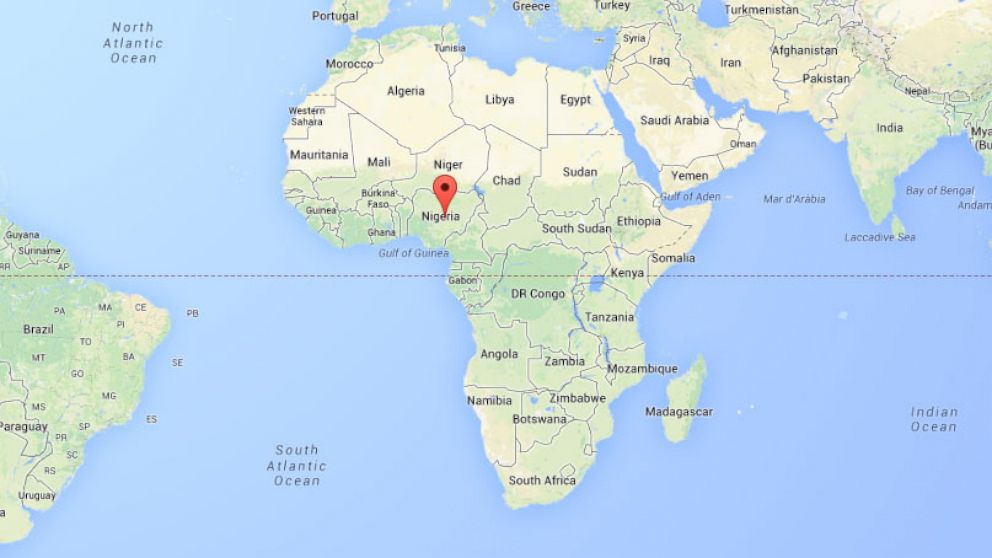

As you explore the diverse continent of Africa, you may wonder about the precise location of Nigeria, one of its most populous and economically significant countries.
Understanding Nigeria’s geographic position is crucial for grasping its role in regional affairs and global trade. This article will guide you through Nigeria’s location within Africa, detailing its borders, coastline, and strategic position. You’ll gain insights into how Nigeria’s location has shaped its history, culture, and economic development. By the end, you’ll have a clear picture of where Nigeria sits on the African map and why its location matters.
Where is Nigeria Located in Africa?
When you think of Africa, Nigeria might be one of the first countries that come to mind. But where exactly is Nigeria located in Africa? Let’s dive into the geography of this vibrant West African nation.
Nigeria is situated in the heart of West Africa, nestled along the Gulf of Guinea. It’s the continent’s most populous country and often referred to as the “Giant of Africa.” When looking at a map, you’ll find Nigeria roughly in the middle of Africa’s western coastline, sharing borders with several other nations.
If you’re wondering “where is Nigeria located in Africa” in relation to its neighbors, here’s a quick rundown:
- To the west, you’ll find the Republic of Benin
- Niger borders Nigeria to the north
- Chad touches the northeastern corner
- Cameroon shares Nigeria’s eastern border
Nigeria boasts a stunning 853 km (530 miles) of coastline along the Atlantic Ocean, giving it a prime location for trade and maritime activities. This coastal region is home to Lagos, the country’s largest city and a major economic hub.
Covering an area of about 923,768 square kilometers (356,669 square miles), Nigeria is Africa’s 14th largest country by land mass. Its strategic location in West Africa has made it a key player in regional politics and economics.
Understanding where Nigeria is located in Africa helps you appreciate its importance in the continent’s landscape. From its bustling cities to its diverse landscapes, Nigeria’s location has shaped its rich culture and history, making it a fascinating country to explore and understand.
Nigeria’s Geographical Coordinates and Borders
Nigeria sits snugly in the crook of West Africa, nestled along the Gulf of Guinea. This vibrant nation straddles the equator, with its southernmost tip just above the equatorial line.
Nigeria’s geographical coordinates place it between 4° and 14° north latitude and 3° and 15° east longitude. This prime location gives Nigeria a diverse landscape, from coastal regions to savannas and even touches of the Sahel in the far north.
But it’s not just land borders that define Nigeria’s location. The country boasts an impressive 853 kilometers of coastline along its southern edge, where the Atlantic Ocean laps at its shores. This extensive coastline has played a crucial role in Nigeria’s history and continues to be vital for trade and economic activities.
Size and Significance
Nigeria’s strategic location in Africa isn’t just about its coordinates. As the continent’s most populous country and one of its largest economies, Nigeria’s position makes it a key player in regional affairs. Its location allows it to serve as a hub for West African trade and diplomacy, bridging the gap between different regions of the continent.
So, next time you’re asked, “Where is Nigeria located in Africa?”, you can confidently point to the heart of West Africa, where this diverse and dynamic nation proudly stands.
Nigeria’s Neighboring Countries in Africa
When exploring where Nigeria is located in Africa, it’s essential to understand its geographical context within the continent. Nigeria shares borders with several countries, each contributing to the rich tapestry of West African culture and history.
Benin and Niger to the West and North
To the west, Nigeria is bordered by Benin, a narrow country stretching from the Atlantic coast to the Sahel. This proximity has led to significant cultural exchanges between the two nations. To the north, Niger spans Nigeria’s border, with both countries sharing the Sahel-Sahara region.
Chad and Cameroon to the Northeast and East
Nigeria’s northeastern border meets Chad, a landlocked country known for its diverse landscapes. To the east, Cameroon shares a long border with Nigeria, including mountainous terrain and lush rainforests. These eastern neighbors contribute to Nigeria’s rich biodiversity and complex ecosystem.
The Gulf of Guinea to the South
While not a country, the Gulf of Guinea forms Nigeria’s southern border, providing access to the Atlantic Ocean. This coastline is crucial for Nigeria’s economy, supporting its oil industry and bustling port cities like Lagos.
Understanding where Nigeria is located in Africa helps contextualize its role as a regional powerhouse. With a strategic position bordering diverse nations and the Atlantic, Nigeria serves as a cultural and economic hub in West Africa, influencing and being influenced by its neighbors in countless ways.
Exploring Nigeria’s Diverse Landscapes and Regions
Along Nigeria’s southern coast, you’ll find yourself immersed in a world of mangrove swamps and sandy beaches. The Niger Delta, a maze of waterways and estuaries, showcases the country’s rich biodiversity. As you move inland, the landscape transforms into dense tropical rainforests, home to an array of exotic flora and fauna.
Savanna Plains and Rolling Hills
Venturing northward, you’ll witness the gradual transition to savanna grasslands. This region, known as the Middle Belt, features rolling hills and scattered woodlands. It’s here that you’ll encounter some of Nigeria’s most iconic wildlife, including elephants and lions.
Dramatic Plateaus and Arid Zones
In the central and northeastern parts of the country, you’ll be awestruck by the dramatic Jos Plateau. This elevated region boasts stunning rock formations and picturesque waterfalls. As you continue north, the landscape becomes increasingly arid, eventually giving way to the semi-desert conditions of the Sahel region.
By exploring these diverse landscapes, you’ll gain a deeper appreciation for Nigeria’s natural beauty and understand why it’s such a unique destination in Africa.
The Significance of Nigeria’s Strategic Location in West Africa
This powerhouse nation occupies a prime spot in West Africa, and its location plays a crucial role in its regional influence and economic importance. Let’s explore why Nigeria’s position on the continent matters so much.
Gateway to West Africa
Nigeria’s strategic location makes it a natural gateway to West Africa. Situated along the Gulf of Guinea, it serves as a vital access point for maritime trade in the region. This prime coastal position has helped Nigeria become a hub for commerce and transportation, connecting the interior of West Africa with global markets.
Economic Powerhouse
Thanks to its location, Nigeria has become an economic juggernaut in Africa. Rich in natural resources, particularly oil and gas, the country’s strategic position allows for easy export of these valuable commodities. This geographical advantage has contributed significantly to Nigeria’s status as Africa’s largest economy.
Cultural Crossroads
Nigeria’s location has also made it a melting pot of cultures. Bordering several countries, including Benin, Niger, Chad, and Cameroon, Nigeria has become a diverse tapestry of ethnic groups and languages. This cultural richness adds to its regional importance and global appeal.
Regional Influence
As the most populous country in Africa, Nigeria’s central location in West Africa amplifies its regional influence. Its size and position make it a key player in regional politics, economics, and peacekeeping efforts. When you’re wondering “Where is Nigeria located in Africa?”, remember that its strategic placement is not just about geography, it’s about power and influence too.
How Nigeria’s Location Influences its Culture and Economy
Nigeria’s strategic position in West Africa plays a crucial role in shaping its vibrant culture and dynamic economy. Situated along the Gulf of Guinea, Nigeria’s prime location has made it a melting pot of diverse influences and a hub for regional trade.
Cultural Crossroads
Nigeria’s location at the intersection of West and Central Africa has fostered a rich tapestry of traditions. You’ll find that the country’s position has allowed it to absorb influences from neighboring regions, resulting in a unique blend of customs, languages, and artistic expressions. This cultural diversity is evident in Nigeria’s colorful festivals, intricate textiles, and world-renowned music scene.
Economic Powerhouse
The question “Where is Nigeria located in Africa?” is crucial when considering its economic impact. As the continent’s largest economy, Nigeria’s location provides it with significant advantages:
- Access to maritime trade routes
- Abundant natural resources, including oil and gas
- A large, youthful workforce
These factors have positioned Nigeria as a key player in African and global markets. The country’s ports, particularly in Lagos, serve as gateways for international commerce, linking West Africa to the world.
Regional Influence
Nigeria’s central location in West Africa has cemented its role as a regional leader. You’ll notice its influence extends beyond its borders, shaping politics, entertainment, and business trends throughout the region. This position has also made Nigeria a vital partner in addressing regional challenges, from security issues to economic development initiatives.
By understanding where Nigeria is located in Africa, you gain insight into the forces that have shaped this diverse and dynamic nation. Its strategic position continues to play a pivotal role in its ongoing development and its significance on the global stage.
Comparing Nigeria’s Location to Other Major African Countries
Nigeria stands out as a prominent West African nation, occupying a strategic location along the Gulf of Guinea.
Nigeria shares its western border with Benin, a much smaller country that serves as a gateway to francophone West Africa. To the east, you’ll find Cameroon, which acts as a bridge between West and Central Africa. Up north, Nigeria borders Niger, a vast Saharan country that stretches deep into the heart of the continent.
Unlike some of Africa’s other economic giants, Nigeria doesn’t have a coastline on the Mediterranean or the Indian Ocean. Instead, its southern shore faces the Atlantic, giving it a unique position compared to countries like Egypt in the northeast or South Africa at the continent’s southern tip.
Continental Comparisons
When you look at where Nigeria is located in Africa on a map, you’ll notice it’s roughly equidistant from the continent’s northern and southern extremes. This central positioning contributes to Nigeria’s role as a continental crossroads.
In terms of size, Nigeria is Africa’s most populous country, but it’s not the largest by land area. That title goes to Algeria in North Africa, which dwarfs Nigeria in square kilometers but has less than a quarter of its population.
Understanding where Nigeria is located in Africa helps explain its significance. Its position at the heart of West Africa, combined with its vast human resources, makes it a pivotal player in the continent’s affairs and global geopolitics.
Frequently Asked Questions
Here are some frequently asked questions about Nigeria’s location in Africa.
What are Nigeria’s Key Geographical Features?
Nigeria boasts a diverse landscape. In the south, you’ll find lush rainforests and a lengthy coastline along the Atlantic Ocean. As you move northward, the terrain transitions into savanna and eventually semi-arid regions. The Niger and Benue rivers, which converge in the country’s center, play a crucial role in Nigeria’s geography and economy.
How Does Nigeria’s Location Impact Its Climate?
Nigeria’s position near the equator results in a tropical climate. However, due to its size and varied landscape, you’ll experience different weather patterns depending on where you are in the country. The south tends to be hot and humid with heavy rainfall, while the north is generally hotter and drier. This diverse climate contributes to Nigeria’s rich biodiversity and agricultural potential.
What are Nigeria’s Major Cities and Their Locations?
Lagos, the country’s largest city and economic hub, is located on the southwestern coast. Abuja, the capital, sits in the center of the country. Other major cities include Kano in the north, Port Harcourt in the south, and Ibadan in the southwest. Each of these cities plays a unique role in Nigeria’s cultural and economic landscape.
Conclusion
As you’ve discovered, Nigeria occupies a strategic position in West Africa, bordering the Gulf of Guinea and several neighboring countries. Its location has shaped its history, culture, and economic development.
Understanding Nigeria’s geographic context is crucial for appreciating its role in African and global affairs. Whether you’re planning a visit, conducting research, or simply expanding your knowledge, recognizing Nigeria’s place on the map is an important first step.
By familiarizing yourself with Nigeria’s location and its surrounding regions, you’ll gain valuable insights into this diverse and influential nation that continues to play a significant role in shaping the African continent.
Discussion about this post