



Thinking about getting another dog? The number of dogs you can handle depends on your situation. It’s not just about how many you can care for.
Factors such as your home size, available time, energy, and resources are crucial. They help decide how many dogs are right for you.
Too many dogs can cause problems. You might not have enough time or resources for each pet. It can also lead to more noise, mess, and behavioural issues.
We’ll examine what to consider and how to manage multiple dogs effectively.
Factors That Determine Your Ideal Number of Dogs
Your ideal number of dogs depends on your living space, time, and resources. It’s essential to consider your lifestyle and living conditions before adding more dogs to your family.
Living Space Considerations
The space you have is key in deciding how many dogs you can have. It’s not just about the size of your home. The location and layout also matter.
Urban vs. Rural Settings
In cities, you have less outdoor space than in rural areas. A small apartment may not be ideal for multiple dogs due to space and noise issues. However, a large yard in the country can easily accommodate several dogs, providing them with ample room to play and exercise.
Indoor and Outdoor Requirements
Having sufficient space both indoors and outdoors is crucial for dogs. Your home needs to have room for your dogs to live comfortably. Additionally, a securely fenced yard is crucial for their safety and well-being.
Time and Energy Requirements
Caring for dogs requires a significant amount of time and energy. Consider how much time you can dedicate to their care when deciding on the number of dogs.
Daily Exercise Needs
Dogs require regular exercise to maintain their health and happiness. The more dogs you have, the more time you’ll need for their daily walks, playtime, and training.
Training and Socialisation Time
Dogs also need training and socialisation. With more dogs, you’ll need more time for these activities. They need to behave well and get along with one another and with others.
Financial Implications
Owning dogs comes with costs that increase in proportion to the number of dogs. Ensure your budget can accommodate the expenses of multiple dogs.
Routine Care Costs
The cost of caring for dogs includes food, grooming, and vet visits. These costs can add up quickly with multiple dogs. You must be able to afford their needs without sacrificing their health or well-being.
Emergency Fund Necessities
Unexpected veterinary bills can occur, so having an emergency fund is essential. The more dogs you have, the bigger this fund needs to be to cover emergencies for any of your dogs.

How Many Dogs Are Too Many? Signs You’ve Reached Your Limit
Knowing when you have too many dogs is key. It’s a sign of a loving pack turning into chaos. Owning many dogs can be joyful, but knowing your limit is important.
Physical Environment Indicators
One sign of too many dogs is a messy home. When your house is filled with dogs, problems arise.
Cleanliness Challenges
Maintaining a clean home with multiple dogs is challenging. Dog hair, dander, and accidents make cleaning a tough task.
Space Constraints
Too many dogs can make your home feel cramped. This discomfort affects you and your pets.
| Signs | Description | Impact |
| Cluttered Living Space | Dog toys, beds, and supplies overwhelm the home. | Stress and difficulty in maintaining order. |
| Increased Noise Levels | Barking and whining become more frequent. | Disturbances to peace and possible neighbour complaints. |
| Reduced Personal Space | Less area for relaxation and personal activities. | Feeling overwhelmed and stressed. |
Behavioural Changes in Your Dogs
Behavioural changes in your dogs are another sign. Unmanaged dogs can develop bad habits.
Resource Guarding and Competition
With too many dogs, fights often arise over food, toys, and attention. This leads to dog conflicts.
Stress and Anxiety Symptoms
Dogs in crowded homes show stress and anxiety. They might pace, bark excessively, or exhibit destructive behaviour.
Impact on Your Personal Life
Too many dogs can significantly impact your life. It changes your daily routine and relationships.
Time Management Struggles
Caring for many dogs requires a significant amount of time. Feeding, walking, and training are essential. Managing your time well is key.
Social and Family Relationships
Caring for too many dogs strains your social and family life. It’s challenging to balance dog care with time for family and friends.
Recognising these signs helps create a balanced home for you and your dogs.
Legal Restrictions on Dog Ownership
Knowing the legal limits on dog ownership is key for any dog owner. You may be aware that there are laws regarding the number of dogs you can have. However, the details can vary significantly depending on where you live.
Local laws and regulations are important in determining the number of dogs you can keep. These rules help make sure dog ownership doesn’t harm the community or the dogs.
Municipal and County Ordinances
Municipal and county rules often set a limit on the number of dogs per household. These rules can vary significantly, so it’s essential to check the specific regulations in your area.
Common Household Limits
Many places have laws about how many dogs you can have at home. For example, some areas let you have up to three dogs. Others might have stricter rules.
Kennel License Requirements
If you plan to have a large number of dogs, you may need a kennel license. These licenses have specific rules, such as the minimum size of your property and the requirements for caring for the dogs.
HOA and Rental Property Limitations
HOAs and rental property rules can also affect how many dogs you can own.
Navigating Pet Policies
If you live in a place with an HOA or rent, you should review the pet rules. These rules may be stricter than local laws, so it’s essential to familiarise yourself with them before getting a dog.
Requesting Exceptions
In some cases, you can ask for an exception to pet rules. This may involve writing a formal request or providing additional information to support your case.
Dogs Per Acre Guidelines
In rural areas, dogs per acre rules and zoning laws are important. These rules can affect the number of dogs you can have on your land.
Rural Property Considerations
If you have a rural property, you need to think about dogs per acre rules. These rules can vary depending on local zoning and the size of your property.
Zoning and Land Use Regulations
Zoning and land-use rules can also impact dog ownership in rural areas. For example, some areas may have regulations regarding dog enclosures or the number of dogs allowed per acre.
Managing Multiple Dogs Successfully
Handling multiple dogs well needs careful planning. As a multi-dog owner, you face both challenges and joys. Keeping your home balanced and peaceful is key to your dogs’ and family’s happiness.
Creating a Balanced Pack Dynamic
A balanced pack is essential for peace among your dogs. Think about their age and personality to achieve this.
Age and Personality Compatibility
It’s essential to match dogs by age and energy level. Dogs of similar ages and energy levels get along better. For example, a young, energetic dog might be too much for an older dog, causing stress or injury.
- Check each dog’s temperament for compatibility.
- Introduce dogs slowly to avoid fights.
- Watch their behaviour and adjust as needed.
Establishing Clear Leadership
Clear leadership is critical in a multi-dog home. Dogs need to know their place in the pack, with you as the leader. Consistent rules and boundaries keep order and reduce confusion.
To lead clearly, be consistent with commands. Make sure everyone in the family agrees. Positive training reinforces your leadership.
Efficient Routines for Multiple Dogs
Establishing good routines is key to managing multiple dogs. Structured feeding, exercise, and individual time strategies help. This way, you can avoid chaos and meet each dog’s needs.
Feeding and Exercise Systems
Feeding multiple dogs can be challenging, but a system can help. Try staggered feeding times or separate areas to reduce fights.
Exercise is also vital. Plan separate walks or playtime for each dog. This ensures they receive sufficient physical and mental stimulation.
Individual Attention Strategies
Don’t forget each dog’s individual needs. Spending quality time with each dog is important for their happiness. Try one-on-one training, dedicated play, and quiet time together.
When to Consider Professional Help
Managing multiple dogs can be tough. Knowing when to ask for help is important for your dogs’ well-being.
Behavioural Consultant Benefits
A behavioural consultant can help understand your dogs’ behaviour. They offer training plans and strategies to improve pack dynamics.
Dog Walker and Daycare Options
For busy owners, dog walkers and daycare are lifesavers. They provide exercise and socialisation, reducing stress and boredom.
By employing these strategies and seeking assistance when necessary, you can effectively manage multiple dogs. This fosters a happy and peaceful home for everyone.
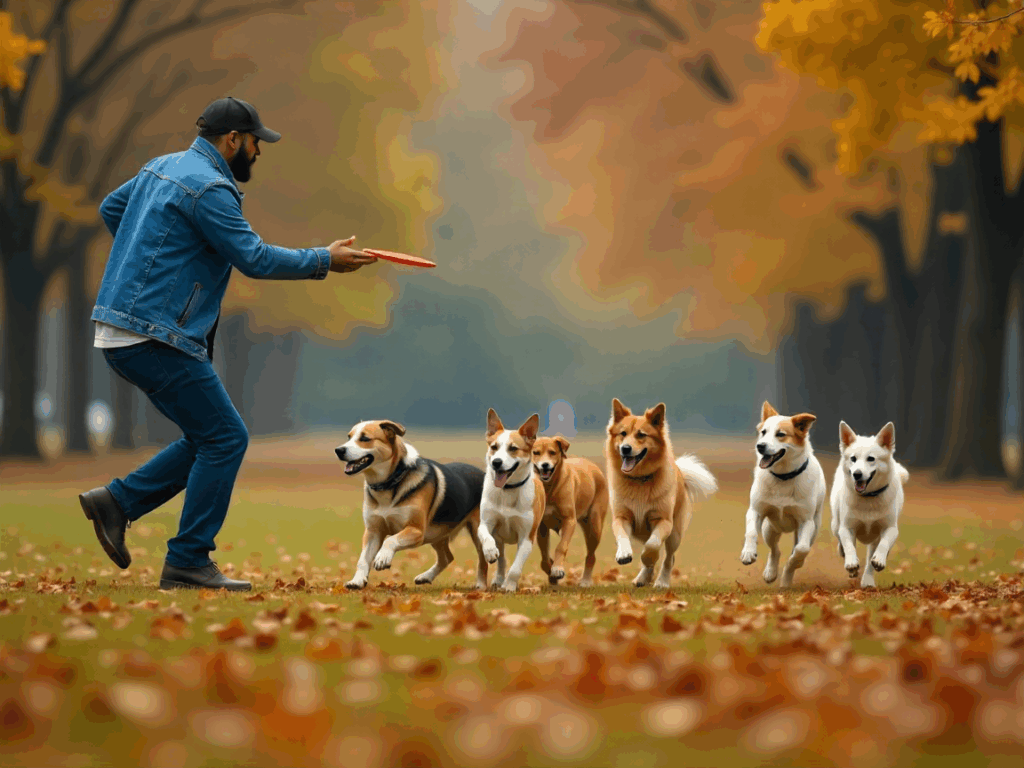
Finding Your Dog Limit: Quality Over Quantity
Deciding how many dogs you can handle is a personal choice. It depends on your life situation and what matters most to you. Making sure your dogs are happy and well-cared for is key.
It’s essential to prioritise the quality of life for your dogs, not just their quantity. This means giving them the time, care, and resources they need. Living space, time, energy, and money are all important factors to consider when deciding how many dogs you can have.
Consider these factors and be aware of the signs that you’ve reached your limit. This way, you can choose the right number of dogs for you. The goal is to find a balance that makes everyone happy. This ensures you’re taking good care of your pets and answering the question of how many dogs are too many?
Discussion about this post