

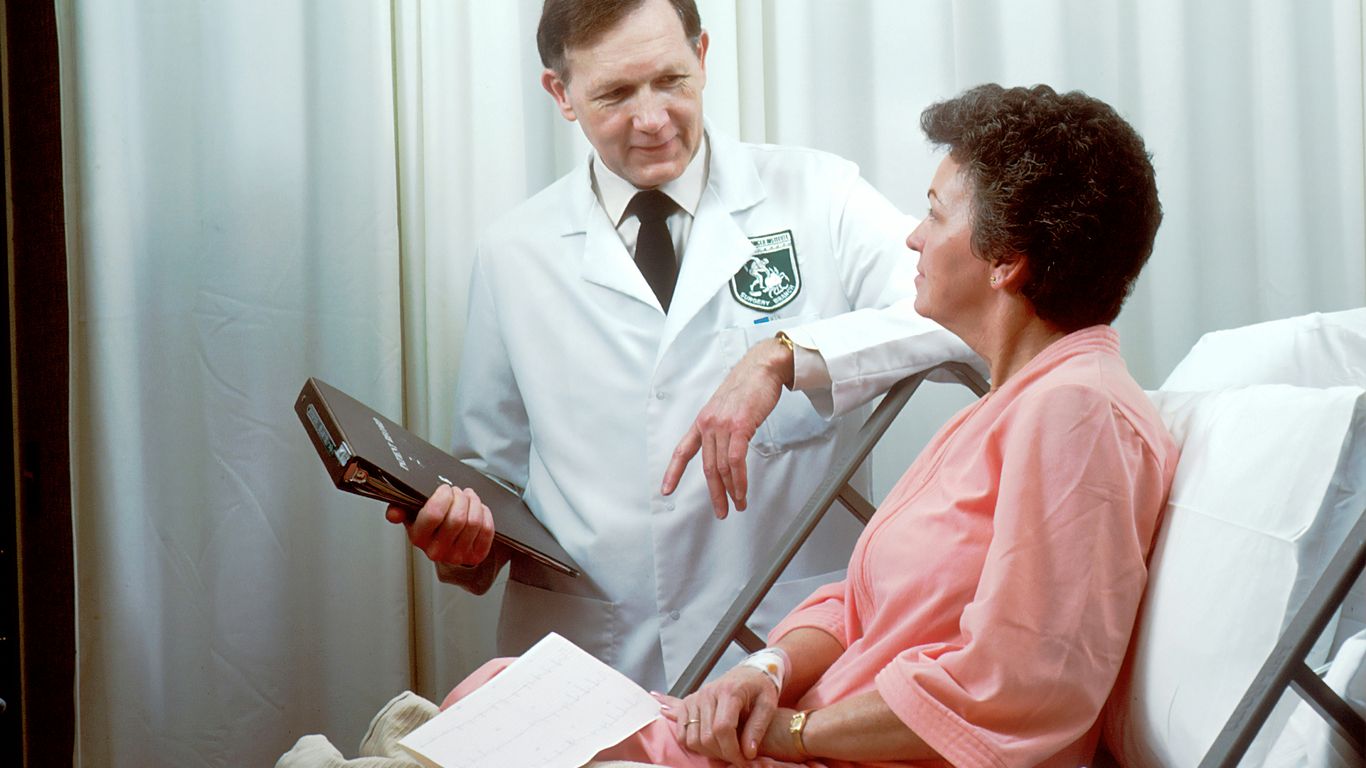

Catching health problems early can really make a difference. It’s like finding a small leak in your roof before it causes major water damage. When doctors can spot an illness in its first stages, treatment is usually simpler and has a much better chance of working.
This idea, known as Early Diagnosis, is a big deal in healthcare because it directly helps people live longer and healthier lives. We’re going to look at why this is so important and how we’re getting better at it.
Key Takeaways
- Spotting diseases when they’re just starting out means treatments can be less intense and more effective, leading to better results. Early Diagnosis is key here.
- New tools and methods, like advanced imaging in radiology and organized screening programs, are making it easier to find health issues early, improving our ability to use Early Diagnosis.
- Making sure everyone can get diagnostic tests and afford the care they need is vital. Addressing these barriers helps more people benefit from Early Diagnosis and reduces the financial strain of illness.
The Critical Role Of Early Diagnosis In Saving Lives
When we talk about health, especially serious conditions, catching things early makes a huge difference. It’s not just about feeling a bit better sooner; it’s often the deciding factor between a manageable health issue and a life-threatening one.
The importance of timely medical intervention can’t be overstated. Think of it like a small leak in your roof. If you fix it right away, it’s a simple repair. If you ignore it, that small leak can lead to major water damage, mold, and a much bigger, more expensive problem down the line. The same applies to many diseases.
Detecting Diseases Before They Progress
Many serious illnesses, like certain cancers or heart conditions, don’t show obvious symptoms until they’ve already advanced quite a bit. This is where early detection shines. By looking for subtle signs or using screening tools, doctors can identify problems when they are small and less complicated to treat.
This proactive approach means we can often catch the signs of critical illnesses early, before they have a chance to spread or cause significant damage to the body. It gives medical professionals a much better starting point for treatment.
Improving Treatment Efficacy Through Timely Intervention
The benefits of prompt medical attention are clear when it comes to treatment success. When a disease is diagnosed early, treatments are generally more effective and less aggressive. This can mean shorter recovery times, fewer side effects, and a higher chance of a full recovery.
For example, studies show that treating certain cancers in their earliest stages can be significantly less expensive and more successful than treating them when they are more advanced. It’s about giving the body the best possible chance to heal with the least amount of strain.
Here’s a look at how early diagnosis impacts treatment:
- More Treatment Options: Early detection often means more choices for treatment, including less invasive procedures.
- Increased Survival Rates: Catching diseases early is directly linked to better survival statistics.
- Reduced Treatment Intensity: Early-stage diseases usually require less aggressive and taxing therapies.
- Lower Healthcare Costs: Treating conditions early is typically more cost-effective in the long run.
Advancing Early Diagnosis Through Medical Innovation
It’s pretty amazing how much technology has changed the game when it comes to catching diseases early. We’re talking about detecting diseases in initial stages now in ways that just weren’t possible a few decades ago.
This isn’t just about having fancier machines; it’s about a whole shift in how we approach health.
Radiology’s Contribution To Early Detection
Think about radiology. It’s become a cornerstone for spotting problems before they really take hold. Advanced imaging techniques, like MRIs and CT scans, can show us incredibly detailed pictures inside the body.
This means doctors can see tiny changes that might signal the start of something serious, like a small tumor or an early sign of heart disease, long before a person might even feel sick. It’s like having a super-powered magnifying glass for your insides. This early look allows for less intense treatments and often leads to much better outcomes.
Screening Programs For Proactive Health Management
Then there are screening programs. These are designed to catch potential issues when they’re most treatable. Regular check-ups and specific tests, like mammograms for breast cancer or colonoscopies for colorectal cancer, are key.
The proactive health screening benefits are huge. Instead of waiting for symptoms to appear, which can sometimes mean the disease has already progressed, these programs actively look for trouble. It’s a way to take control of your health rather than just reacting to problems.
Here’s a quick look at why these screenings matter:
- Catching issues early: Many serious conditions, like certain cancers, are much easier to treat when found at their earliest stages.
- Less invasive treatment: Early detection often means treatments are less aggressive, leading to fewer side effects and quicker recovery.
- Better survival rates: Simply put, finding diseases early significantly increases the chances of survival and a full recovery.
- Reduced healthcare costs: Treating a disease in its early stages is typically less expensive than managing it when it’s more advanced.
Addressing Barriers To Early Diagnosis
It’s one thing to talk about how great early diagnosis is, but it’s another thing entirely to actually make it happen for everyone.
Lots of people face hurdles that make getting checked out tough, and these aren’t small problems. We’re talking about things that can stop someone from getting the care they need, even when they know something’s up.
Ensuring Access To Diagnostic Services
Think about it: if you can’t get to a place that can do the tests, or if those places are too far away, what are you supposed to do?
This is a big deal, especially in areas that don’t have a lot of medical facilities. It’s not just about having the machines; it’s about having enough trained people to run them and interpret the results. Sometimes, even if the services are there, people don’t know about them or how to use them.
We need to make sure that diagnostic services are available and easy to get to, no matter where you live. This means looking at things like transportation, having clinics in convenient locations, and making sure there are enough healthcare workers.
- Geographic Reach: Expanding services to rural or underserved areas.
- Workforce Training: Increasing the number of skilled technicians and doctors.
- Information Dissemination: Making sure people know what services are available and how to access them.
Reducing Financial Hardship Associated With Cancer Care
Money is a huge barrier for so many people. The cost of tests, doctor visits, and treatments can be overwhelming. If someone is worried about how they’ll pay for care, they might put off getting checked, or worse, skip it altogether.
This is especially true for things like cancer, where early treatment is so important but can still be expensive. When people have to pay a lot out of their own pocket, it can lead to debt or even prevent them from seeking help at all.
We need systems in place that help ease this financial burden. This could mean better insurance coverage, programs that help with costs, or making sure that treatments are affordable from the start. It’s not fair that someone’s financial situation should determine whether they get a chance to fight a disease.
Here’s a look at how costs can add up:
| Service Type | Estimated Cost Range (USD) |
|---|---|
| Basic Blood Test | $10 – $50 |
| X-ray | $50 – $250 |
| CT Scan | $150 – $3,000 |
| Mammogram | $70 – $400 |
| Specialist Consult | $100 – $500 |
| Chemotherapy (per cycle) | $1,000 – $10,000+ |
As you can see, these costs can quickly become unmanageable for many families. Finding ways to make these services more affordable or covered by insurance is a major step in getting people the care they need when they need it most.
Frequently Asked Questions
What is early diagnosis and why is it so important?
Early diagnosis means finding a sickness or health problem when it’s just starting, often before you even feel sick. It’s super important because when doctors catch things early, treatments usually work much better and are simpler.
This means people have a better chance of getting well and living a longer, healthier life. It’s like fixing a small leak before it floods your house!
How do new technologies help doctors find diseases sooner?
Medical technology has made huge leaps! Things like advanced imaging, such as X-rays, CT scans, and MRIs, allow doctors to see inside the body in amazing detail.
These tools can spot problems that might be too small to notice otherwise. Also, special programs called screening programs regularly check people for certain diseases, like cancer, even if they feel fine. This helps find issues early on.
What makes it hard for some people to get diagnosed early?
Sometimes, it’s tough for people to get diagnosed early because they might not have easy access to doctors or clinics.
It can also be expensive to get tests done, and some people might not know they need to be checked or might have trouble taking time off work.
Making sure everyone can get the care they need, no matter where they live or how much money they have, is key to catching diseases early.
Discussion about this post