

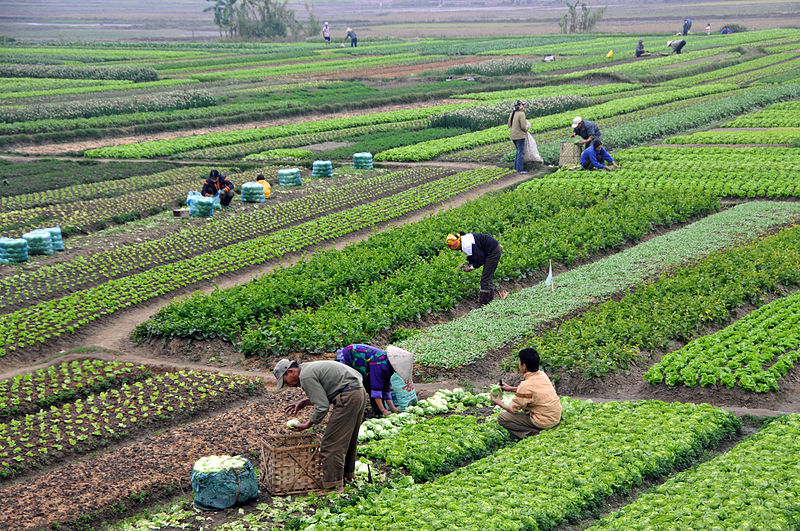

So, what exactly is this “sustainable agriculture” thing we keep hearing about? It’s not just a buzzword; it’s a whole way of thinking about farming that aims to keep things going for the long haul. Think of it as farming that works with nature, not against it.
The main idea is to grow food and other products in a way that doesn’t harm the future. We want to be able to feed ourselves today without making it impossible for our kids and grandkids to do the same.
Defining Sustainable Farming
Basically, sustainable farming is about being smart with our resources. It means using farming methods that protect the environment, keep the soil healthy, and use water wisely. It’s also about ensuring that farming can generate a sustainable income for farmers and support the communities around them. It’s a balance, really. We’re trying to get the best of all worlds: good for the planet, good for people, and good for the farm’s bank account.
The Core Principles of Sustainable Agriculture
There are several key principles that underpin sustainable agriculture. They all work together to make farming better for everyone and everything involved.
- Environmental Health: This is a big one. It means reducing pollution, protecting wildlife habitats, and keeping our soil and water clean. It’s about minimizing the farm’s footprint on the earth.
- Economic Profitability: Farms must generate a profit to remain in business. Sustainable agriculture looks for ways to cut costs over time and create stable income for farmers, so they can keep farming.
- Social Equity: This principle focuses on the people involved. It means fair treatment for farm workers, safe working conditions, and making sure communities have access to healthy food.
These three points are like the legs of a stool – if one is weak, the whole thing can fall over. Agribusiness sustainability strategies often try to hit all these marks.
Why Sustainable Farming is Crucial
Why bother with all this? Well, the way we’ve been farming for a long time has caused some problems. We’ve seen soil erosion, water pollution, and a loss of wildlife. Plus, relying too much on chemicals can be bad for our health and the environment.
Sustainable farming offers a different path. It’s about building up our natural resources instead of using them up. It helps make farms more resilient to things like bad weather or new pests, and it meets the growing demand from people who want to buy food that’s produced responsibly. It’s really about making sure we have a healthy planet and healthy food for years to come.
Environmental Benefits of Sustainable Agriculture
Sustainable farming isn’t just a buzzword; it’s a practical way farmers can help the planet. Think of it as working with nature, not against it. One of the biggest wins is reducing the use of synthetic chemicals. Pesticides and artificial fertilizers can really mess with the environment, polluting our water and harming helpful bugs and soil critters. By using natural methods, we keep our water cleaner and our soil healthier. This is one of the key regenerative agriculture benefits.
Reducing Chemical Input Dependence
Farms that rely heavily on chemicals often end up with contaminated soil and water runoff. This can harm aquatic life and even end up in our drinking water. Sustainable methods aim to break this cycle. Instead of spraying chemicals, farmers might use natural pest control, like introducing beneficial insects, or focus on building soil health so plants are naturally more resistant to pests and diseases. It’s a slower process sometimes, but the long-term payoff for the environment is huge.
Protecting Water and Soil Resources
Healthy soil is the foundation of good farming, and sustainable practices are all about building it up. Things like cover cropping, composting, and avoiding heavy machinery help prevent soil erosion. This means less dirt washing into rivers and lakes, which is good for water quality. Plus, healthy soil holds water better, meaning farms need less irrigation, especially important when water is scarce. It’s about keeping the soil in place and making sure it can do its job of filtering water.
Enhancing Biodiversity and Habitats
Monocultures, where a farm grows only one type of crop, aren’t very interesting for wildlife. Sustainable agriculture, on the other hand, often involves planting a variety of crops and leaving some areas wild. This creates more homes and food sources for birds, bees, butterflies, and other important creatures. Think of hedgerows, wildflower strips, or even integrating trees into fields. These practices create a more vibrant ecosystem right on the farm.
Carbon Sequestration and Climate Mitigation
Our soils can actually act like a sponge for carbon dioxide from the atmosphere. Practices like no-till farming and adding organic matter to the soil help store more carbon underground. This process, called carbon sequestration, is a natural way to help fight climate change. By improving soil health, farms can become part of the solution, pulling greenhouse gases out of the air instead of contributing to them. It’s a pretty neat trick nature has, and sustainable farming helps it along.
Economic Advantages of Sustainable Farming
Long-Term Cost Savings
Farming sustainably often means spending less money over time. Think about it: when you build up healthy soil, you don’t need to buy as many synthetic fertilizers. Plus, better soil holds water more effectively, so you might use less irrigation.
Reducing reliance on expensive chemical pesticides and herbicides also cuts down on input costs. It’s like investing in your farm’s future, making it more efficient and less dependent on costly external products. This approach to organic farming for profit really pays off down the road.
Increased Resilience and Reduced Risk
Sustainable farms tend to bounce back better when things get tough. Diverse cropping systems and healthy soil make farms less vulnerable to pests, diseases, and extreme weather events like droughts or floods. This means less crop loss and more stable income, even when the weather doesn’t cooperate. It’s about building a farm that can handle surprises without collapsing.
Meeting Consumer Demand for Sustainable Products
More and more people want to buy food that’s grown responsibly. They’re looking for products that are better for the environment and their health. Farms that adopt sustainable practices, like organic farming, can tap into this growing market. This often means you can charge a premium for your goods, leading to better profit margins. It’s a win-win: consumers get what they want, and farmers get rewarded for their efforts.
Boosting Local Economies
Sustainable agriculture often goes hand-in-hand with supporting local communities. By selling directly to consumers or local businesses, farmers keep more money circulating within their region. This can create jobs and strengthen the local economy. It’s about building a connected food system where everyone benefits, from the farmer to the person eating the food.
Key Practices for Sustainable Agriculture
So, you want to farm in a way that’s good for the planet and your wallet? That’s where these eco-friendly farming practices come in. It’s all about working with nature, not against it. Think of it as environmental stewardship in farming – taking care of the land so it can keep taking care of you.
Building Healthy Soil Systems
Healthy soil is the foundation of everything. It’s not just dirt; it’s a living ecosystem. When you focus on soil health, you’re setting yourself up for better crops, less need for artificial fertilizers, and better water retention. It’s a win-win.
- Add Organic Matter: Think compost, manure, and cover crops. These feed the soil microbes and improve its structure. It’s like giving your soil a nutritious meal.
- Minimize Tillage: Plowing too much can break down soil structure and lead to erosion. Reduced or no-till methods keep the soil intact and happy.
- Keep it Covered: Bare soil is vulnerable. Using cover crops or mulch protects the soil from wind and rain, preventing erosion and keeping moisture in.
Efficient Water Management Techniques
Water is precious, and using it wisely is a big part of sustainable farming. We don’t want to waste it, and we certainly don’t want to pollute it.
- Drip Irrigation: This method delivers water directly to the plant roots, reducing evaporation and runoff. It’s way more efficient than overhead sprinklers.
- Rainwater Harvesting: Collecting and storing rainwater can reduce your reliance on wells or municipal water sources. Think of it as nature’s free water supply.
- Soil Moisture Monitoring: Knowing exactly when and how much to water prevents overwatering and saves resources. Simple tools can make a big difference here.
Crop Rotation and Diversification
Planting the same thing in the same spot year after year can deplete the soil and invite pests. Mixing things up is a smarter approach.
- Crop Rotation: Alternating different types of crops on a piece of land helps break pest cycles, improve soil fertility, and manage weeds naturally. For example, following a nitrogen-fixing legume with a heavy feeder can balance nutrient levels.
- Intercropping: Planting two or more crops together in the same field can make better use of space, light, and nutrients. Some plants even benefit each other, like deterring pests.
- Cover Cropping: Planting non-cash crops during off-seasons protects the soil and adds organic matter when they’re tilled back in. They’re like a green blanket for your fields.
Integrating Agroforestry and Food Forests
This is where things get really interesting. Agroforestry combines trees and shrubs with crops or livestock. It’s about creating a more complex, resilient system that mimics natural ecosystems.
- Windbreaks and Shelterbelts: Planting rows of trees can protect crops and soil from harsh winds, reducing erosion and improving microclimates.
- Silvopasture: Integrating trees into pastures provides shade and forage for livestock, while the trees can produce fruit, nuts, or timber. It’s a multi-functional approach.
- Food Forests: These are multi-layered systems designed to produce food, often mimicking a natural forest structure with canopy trees, understory trees, shrubs, herbaceous plants, and groundcovers. They can be incredibly productive and biodiverse.
Implementing Sustainable Agriculture on Your Farm
Are you considering a switch to more sustainable farming? That’s great! It might seem like a big leap, but honestly, it’s more about making smart, gradual changes. Think of it like learning to cook a new recipe – you don’t just throw everything in at once. You start with the basics and build from there.
Assessing Farm-Specific Needs
Before you do anything, take a good look at your own farm. What works for your neighbor might not be the best fit for you. You’ve got to consider a few things:
- What do you grow or raise? Different crops and livestock have different needs. A dairy farm will approach sustainability differently than a corn and soybean operation.
- What’s your land like? Is it hilly, flat, sandy, clay? This affects soil health and water runoff.
- What resources do you have? Think about your water access, available machinery, and even your own skills and time.
- What are your biggest challenges right now? Are you dealing with soil erosion, high input costs, or unpredictable weather?
Figuring this out helps you pick the right sustainable practices that will actually make a difference on your farm.
Gradual Integration of New Practices
Nobody expects you to change everything overnight. That’s a recipe for disaster, I assure you. The best way to go about this is to start small and build up. Here are some ideas:
- Start with soil health: Maybe try cover crops on a small section of land or reduce tillage in one field. See how it goes.
- Water management: Look into simple things like checking your irrigation system for leaks or planning your watering schedule more carefully based on weather.
- Pest and weed control: Instead of reaching for chemicals every time, try introducing beneficial insects or using mechanical weeding methods in a few areas.
- Crop rotation: If you’re not already doing it, try rotating your crops on a portion of your fields. It’s a classic for a reason.
The key is to pick one or two things, try them out, see what works, and then gradually add more as you become more comfortable and notice the benefits.
Leveraging Community and Expert Support
You’re not alone in this! There are tons of people out there who have been doing this for a while or who can help you figure it out. Don’t be afraid to reach out.
- Talk to other farmers: Find farmers in your area who are already using sustainable practices. Ask them what they’ve learned, what worked, and what didn’t. Sometimes, just hearing about someone else’s experience is the best advice.
- Connect with local extension offices or agricultural groups: These folks often have a wealth of knowledge and can point you toward resources, workshops, and even grants that can help with the transition.
- Consider consultants: If you’re looking for more tailored advice, there are agricultural consultants who specialize in sustainable practices. They can help you create a plan specific to your farm.
Getting support makes the whole process much smoother and less daunting. It’s all about learning and adapting together.
The Future of Farming with Sustainable Agriculture
So, what’s next for farming? It’s pretty clear that the way we’ve been doing things isn’t going to cut it forever. We’ve got a growing world population to feed, and on top of that, the climate is doing its own thing, making farming trickier. Sustainable agriculture isn’t just a nice idea anymore; it’s becoming the primary strategy.
Ensuring Food Security for Future Generations
Think about it: we need to feed more people, but we also need to make sure the land we use today is still good for farming decades from now. Sustainable practices are all about making sure we don’t use up all our resources.
This means things like building up soil health so it keeps producing, managing water so we don’t run dry, and keeping our farms diverse so they can handle whatever comes their way. It’s like setting up a savings account for the planet’s food-producing ability. We’re talking about ensuring that our kids, and their kids, can still access good food from healthy land.
Adapting to Climate Change Challenges
Climate change is already here, and it’s making farming harder. We’re seeing more weird weather – droughts, floods, intense storms. Sustainable farming helps farms become tougher. For example, healthy soil with lots of organic matter can soak up more water during heavy rains, preventing floods and erosion.
It also holds onto water better when it’s dry. Planting different kinds of crops and trees (like in agroforestry) can create microclimates that protect plants from extreme heat or wind. It’s about making farms more resilient, so they can continue to produce food even when the weather goes haywire.
Fostering a Prosperous and Viable Planet
This isn’t just about growing food; it’s about creating a whole system that works better for everyone and everything. When farms are sustainable, they often use fewer expensive chemicals, which saves money in the long run.
They also tend to be more resilient to pests and diseases, meaning fewer crop losses. Plus, more and more people want to buy food that’s grown responsibly. This can open up new markets for farmers. It’s a win-win: the environment gets a break, farmers can stay profitable, and we all get healthier food. It’s about building a farming future that’s good for the earth and good for people’s wallets, too.
Discussion about this post