

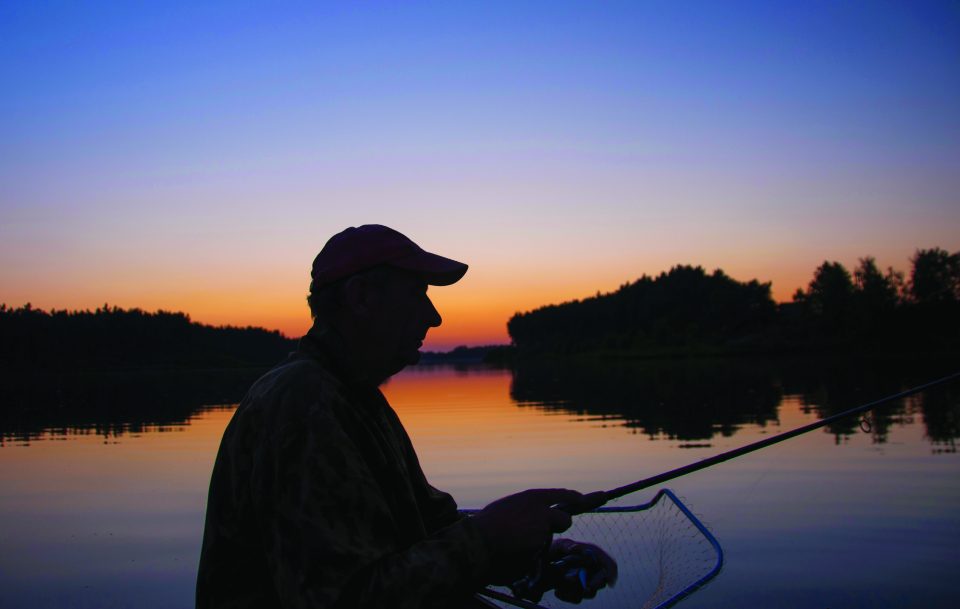

Starting your fishing journey means being aware of common mistakes. Even seasoned anglers can learn from the mistakes of beginners.
Experts like Hiroto Hiyashi and Qareb say many beginners make simple mistakes. These include picking the wrong gear or not knowing how fish behave. Knowing these top fishing mistakes can make you better at fishing.
By learning from these common errors, you can improve your fishing skills. Avoiding these mistakes will help you catch more fish.
Why Beginners Struggle with Fishing
Many newcomers to fishing face challenges because they lack experience and knowledge. As a beginner, you may make mistakes that can be avoided with the right guidance. Common mistakes include using the wrong bait, failing to adjust the reel drag, and not understanding basic fishing techniques.
- Lack of understanding of fishing techniques
- Inadequate knowledge of gear selection
- Impatience, leading to poor timing and location choices
To overcome these challenges, it’s important to learn from common mistakes and develop good fishing habits. Patience is key in fishing. By learning the basics and practicing, you can get better and enjoy fishing more.
Knowing the common pitfalls helps you avoid them and become a skilled angler.
The Most Common Fishing Mistakes with Gear Selection
To avoid common fishing mistakes, it’s key to pick the right gear. The right equipment can make your fishing better and help you catch more fish.
Choosing the Right Rod and Reel Combination
It’s essential to select the right rod and reel combination for fishing. The rod’s action, length, and material, and the reel’s type and drag, should match. For example, a spinning rod and reel combo is ideal for beginners and works well for most freshwater fishing applications.
Matching Tackle to Fish Size and Species
It’s vital to match your tackle to the fish you’re after. Using tackle that’s too heavy or too light can lead to lost fish or broken gear. Conduct thorough research to identify the ideal tackle for your target species.
Essential Cleaning and Storage Practices
Keeping your fishing gear in good shape is important. Clean your rods and reels often and store them in a dry, cool spot. This helps avoid damage from saltwater or rod wrapping.
Signs It’s Time to Replace Worn Equipment
Knowing when to replace your gear is as important as choosing it. Look for signs like worn-out guides on your rod, a dragging or corroded reel, or frayed lines. Replacing worn-out gear ensures you’re ready for a successful fishing trip.
By focusing on these key aspects of gear selection and care, you can avoid common fishing mistakes and enhance your overall fishing experience. Using fishing mistake prevention techniques will make you a more confident and successful angler.
Technique and Handling Errors on the Water
Beginners often struggle with technique and handling errors on the water. Even seasoned anglers can make mistakes that lead to lost catches. Learning to correct these errors can greatly boost your fishing success.
Mastering Basic Casting Form
A solid casting technique is crucial to effective fishing. It begins with a proper stance and grip. Stand with your feet shoulder-width apart and hold the rod firmly but gently. Practice to get a smooth, controlled cast.
Avoid jerky movements. They can scare fish or make your casts off-target.
- Keep your casting arm straight and use your wrist to generate power.
- Practice casting in different directions to improve your accuracy.
- Pay attention to your surroundings to avoid snagging trees or other obstacles.
Avoiding Distance and Accuracy Problems
Getting your cast to the right spot is vital. Focus on your casting technique and rod control. Regular practice helps develop muscle memory and sharpens your skills.
Common issues include:
- Using too much or too little force during the cast.
- Failing to follow through with the casting motion.
- Not adjusting for wind or water conditions.
The Perfect Hook Set Timing
Setting the hook at the right time is essential. Wait until you feel a firm tug on the line. This means the fish has taken the bait.
Setting the hook too early or too late can lead to missed catches.
To improve your hook set timing:
- Pay attention to your line and rod tip for signs of a bite.
- Practice setting the hook with a firm, swift motion.
- Stay alert and ready to react to bites.
Managing Fish During the Fight Without Losing Them
Once hooked, the next challenge is to land the fish without losing it. This requires careful handling and control of the fish during the fight. Keep the rod tip up and maintain steady pressure on the fish to wear it out.
Some tips for managing fish during the fight include:
- Keeping a steady pressure on the fish to prevent it from breaking free.
- Avoid pulling the rod back too hard, which can cause the hook to tear out.
- Being prepared to give the fish some slack when necessary to avoid losing it.
By mastering these techniques and avoiding common handling errors, you can significantly enhance your chances of reeling in fish and enjoying a successful fishing experience.
Location and Timing Fishing Mistakes
To catch fish, you need to fish in the right spot at the best time. Many beginner fish are in the wrong places or at the wrong at the wrong times. This can make it hard to catch fish.
Understanding Peak Feeding Windows
Fish have times when they are most active. Understanding these windows can help you catch more fish. Fish usually feed more in the early morning and late evening when it’s cooler.
Seasonal Timing Adjustments
Different seasons change how fish behave. In spring, fish move to shallower waters to spawn. In the summer, they go deeper in search of cooler water. Fishing at the right time and place for the season can improve your catch.
| Season | Fish Behavior | Recommended Fishing Location |
|---|---|---|
| Spring | Move into shallower waters to spawn | Shallow waters near vegetation or structures |
| Summer | Seek deeper, cooler waters | Deeper areas such as drop-offs or near submerged structures |
| Autumn/Fall | Return to shallower waters to feed before winter | Shallow waters, specially near river mouths or estuaries |
How Weather Patterns Affect Fish Behavior
Weather changes how fish behave. Changes in pressure, wind, and temperature can affect their activity. For example, a pressure drop can make fish more active. Understanding these changes can help you fish more effectively.
Reading and Responding to Water Conditions
The water’s condition, like clarity and temperature, affects fish. Fish may be slower in cold water and more active in warm, clear water. Knowing how to adjust your fishing based on these conditions can help you avoid mistakes.
By paying attention to these factors and adjusting your fishing, you can catch more fish. Understanding peak feeding times, seasonal changes, and water conditions is key. Being informed and adaptable helps you avoid common fishing mistakes.
Bait and Presentation Problems That Cost You Fish
To catch more fish, it’s crucial to identify mistakes in bait and presentation. Beginners often pick the wrong bait for the fish and the weather.
Matching Bait to Target Species and Conditions
Different fish like different baits. Bass-like lures that look like injured baitfish. Trout prefer small, natural baits, such as worms or insects. Knowing what your target fish likes can really help you catch more.
Regional and Seasonal Bait Selection
The right bait varies with the season and the location of your fishing. In warm water, fish like lively baits. In cold water, they prefer quiet ones. Knowing these differences helps you pick the best bait.
| Region | Season | Effective Bait |
|---|---|---|
| Warm Water | Summer | Lures with high vibration |
| Cold Water | Winter | Small, natural baits |
| Freshwater | Spring | Soft plastics, jigs |
Creating Natural Movement and Proper Speed
How you present your bait is as important as the bait itself. Make your bait move naturally to attract fish. Additionally, try different speeds to determine which one works best.
Controlling Depth and Position in the Water Column
Fish are at different depths, and you need to reach them. The right tackle and technique help you fish at the right depth.
By avoiding common mistakes, you can catch more fish. Whether you’re new to the field or experienced, paying attention to these details can significantly enhance your success.
Discussion about this post