

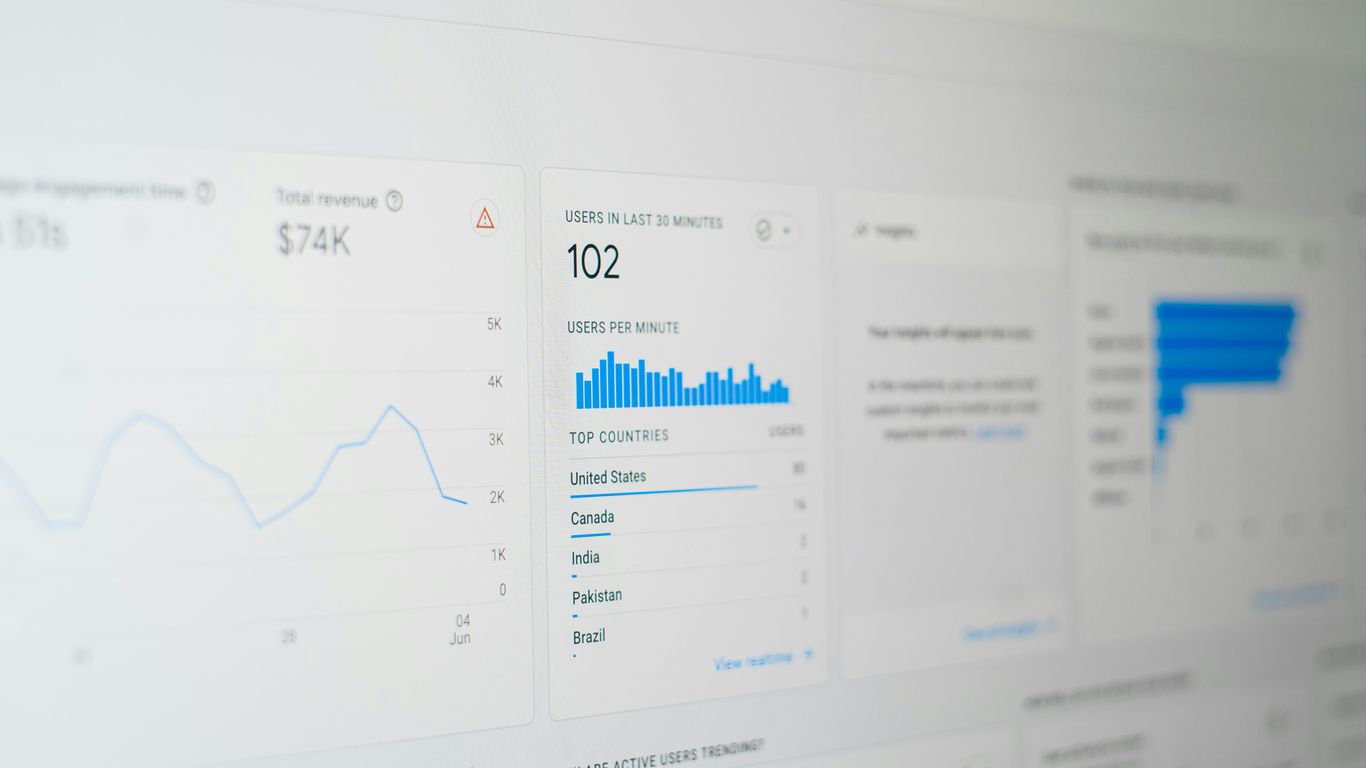

So, you’ve got a marketing plan, maybe even a few different campaigns running. That’s great! But how do you actually know if any of it is working? That’s where key marketing performance indicators, or KPIs, come in. Think of them as your dashboard’s gauges and warning lights.
They tell you if you’re cruising along smoothly, if you’re about to run out of gas, or if you’re heading in the wrong direction.
What Constitutes a Digital Marketing KPI?
Basically, a KPI is a measurable value that shows how well your marketing efforts are doing against specific goals. It’s not just about counting likes or getting a lot of website visitors if those visitors aren’t actually doing anything useful.
A real KPI is tied to a business objective. For example, if your goal is to sell more products, a good KPI might be the number of sales generated from your social media ads, not just the number of people who saw the ad.
The Crucial Role of Tracking KPIs
Tracking KPIs is how you make sense of all the data your marketing activities generate. Without them, you’re just guessing. You might think your new ad campaign is a huge success, but if your KPIs show that it’s costing too much to get customers or isn’t leading to sales, then it’s not a success, is it? It helps you see what’s working and what’s not, so you can adjust your strategy.
This is where good business intelligence for marketing really shines. It turns raw numbers into actionable insights.
Aligning KPIs with Business Objectives
This is probably the most important part. Your marketing KPIs shouldn’t exist in a vacuum. They need to directly support what the business is trying to achieve. Are you trying to increase revenue? Build brand awareness? Improve customer loyalty? Your KPIs should reflect these goals.
Here’s a simple way to think about it:
- Business Goal: Increase overall company profit by 15% this year.
- Marketing Objective: Drive more qualified leads to the sales team.
- Marketing KPIs:
- Customer Acquisition Cost (CAC) – Keep this below $X.
- Conversion Rate from Lead to Customer – Aim for Y%.
- Return on Ad Spend (ROAS) – Achieve a Z:1 ratio.
Using tools that help with marketing data visualization tools makes it much easier to see how these different metrics connect and how they’re contributing to the bigger picture. It helps everyone on the team, from the newest intern to the marketing director, understand what matters most.
Essential General Marketing KPIs To Monitor
Alright, let’s talk about the big picture stuff for your marketing dashboard. These are the general marketing KPIs that most businesses should keep an eye on, no matter what specific channels you’re using. Think of them as the foundation for understanding if your marketing efforts are actually making a difference to your bottom line.
Customer Lifetime Value (CLV)
This one tells you how much money a typical customer is expected to spend with your business from the moment they become a customer until they stop being one. It’s not just about a single purchase; it’s the whole relationship. Knowing your CLV helps you figure out how much you can afford to spend to get a new customer and how to keep the ones you have happy. A high CLV means customers stick around and spend more over time, which is pretty much the dream scenario.
To calculate it, you can use a few different formulas, but a simple one is:
- Average Purchase Value x Average Purchase Frequency x Average Customer Lifespan
Customer Acquisition Cost (CAC)
So, how much does it actually cost you to bring in a new customer? That’s your CAC. This includes all the money you spend on marketing and sales efforts to get someone to buy from you. We’re talking ad spend, salaries for your sales team, any software you use for lead generation, and so on. You want this number to be as low as possible, right? But not so low that you’re sacrificing quality or reach.
Here’s a basic way to look at it:
- Total Marketing & Sales Expenses / Number of New Customers Acquired
It’s super important to compare your CAC to your CLV. If your CAC is higher than your CLV, you’re losing money on every new customer you get. Yikes.
Return on Investment (ROI)
This is the classic “is it worth it?” metric. ROI tells you how much profit you’re making compared to how much you’re spending on your marketing campaigns. It’s a way to see if your marketing activities are actually generating more money than they cost. A positive ROI means you’re making money; a negative one means you’re losing it.
The formula is pretty straightforward:
- (Revenue Generated from Marketing – Marketing Expenses) / Marketing Expenses
This number is usually shown as a percentage. A higher percentage means your marketing is doing a great job of making you money. It’s the ultimate check to see if your marketing budget is being used effectively.
Search Engine Optimization (SEO) Metrics For Your Dashboard
So, you’ve put in the work to make your website shine, but how do you know if search engines are actually noticing? That’s where SEO metrics come in. They’re like the report card for your website’s performance in the wild world of Google and other search engines. Without them, you’re basically guessing if your efforts are paying off.
Organic Search Traffic Performance
This is all about the visitors who find you without you paying for ads. Think of it as the natural foot traffic to your digital storefront. Tracking this tells you how well your website is showing up when people search for things related to what you offer. A steady or growing stream of organic traffic usually means your content is hitting the mark and search engines like what they see.
Key things to watch here include:
- Total Organic Sessions: The overall number of visits from search engines.
- Unique Organic Visitors: How many different people came from search.
- Top Organic Landing Pages: Which pages are drawing the most search visitors.
- Average Session Duration (Organic): How long these visitors stick around.
Keyword Ranking and Visibility
Ever wonder where your website pops up when someone types in a specific search term? Keyword rankings show you just that. You want to be on the first page, ideally in the top few spots, for terms that matter to your business. Watching these rankings over time helps you see if your SEO strategy is moving the needle. If a keyword you care about suddenly jumps up the ranks, great! If it slips, it’s a signal to investigate why.
It’s not just about one keyword, though. You’re looking at your overall visibility. Are you showing up for a good range of relevant terms? This is where tools that track multiple keywords become really handy. You can see trends, like which types of keywords are performing best for you.
Website Authority and Backlink Profile
Think of your website’s authority like its reputation. Search engines look at how many other reputable websites link to yours – these are called backlinks. A strong backlink profile, meaning links from good, relevant sites, tells search engines that your content is trustworthy and important. This can seriously boost your rankings.
Here’s what to keep an eye on:
- Number of Referring Domains: How many unique websites are linking to you.
- Total Number of Backlinks: The total count of links pointing to your site.
- Domain Authority/Rating: A score (often from third-party tools) that estimates your site’s overall ranking strength.
- Quality of Backlinks: Are the links coming from spammy sites or respected ones? Quality over quantity is the name of the game here.
Social Media Performance Metrics
Social media is a huge part of digital marketing performance metrics these days. It’s not just about posting pretty pictures or witty updates; it’s about seeing if those posts actually do anything for your business. We need to look beyond just likes and followers to see what’s really happening.
Audience Engagement and Interaction
This is where you see if people are actually paying attention to your content. Are they just scrolling by, or are they stopping to react? We’re talking about likes, comments, shares, and saves. High engagement means your content is hitting the mark, sparking conversations, and making people want to interact with your brand. It’s a good sign that platforms might show your stuff to more people too.
Here’s a quick look at what to watch:
- Likes: Simple acknowledgment that someone saw and liked your post.
- Comments: People are invested enough to share their thoughts. This is gold for understanding sentiment.
- Shares: Your content is good enough that someone wants to show it to their own network. Big win for reach.
- Saves: Users are finding your content so useful they want to refer back to it later. Great for evergreen content.
Follower Growth and Reach
Okay, so followers are important, but it’s the growth and reach that matter more. Are you attracting new people to your page consistently? And how many unique eyes are actually seeing your posts? Reach tells you the size of the audience you’re getting in front of, while follower growth shows if you’re building a community over time. It’s a balance – you want more people seeing your content, and ideally, those people are sticking around and following along.
Social Media Traffic and Conversions
This is where social media meets actual business results. How much traffic is your social media driving to your website? And more importantly, are those visitors doing what you want them to do once they get there? Tracking traffic from social channels helps you see which platforms are sending people your way.
Then, you need to look at conversions – are those visitors signing up for your newsletter, making a purchase, or filling out a form? This is the real test of whether your social media efforts are paying off financially.
Paid Advertising (PPC) KPIs For Budget Optimization
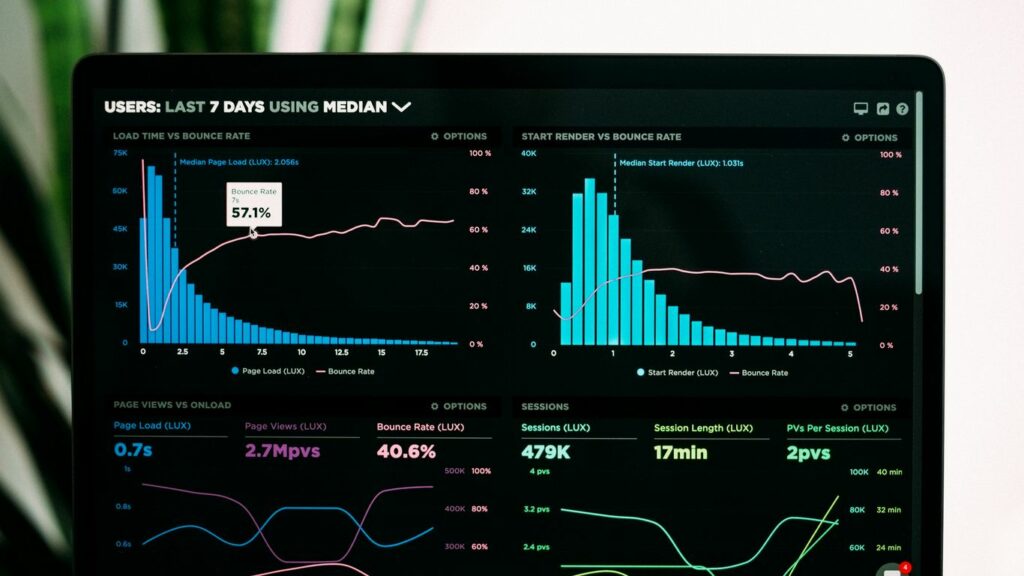
When you’re spending money on ads, you want to make sure it’s not just disappearing into the void. That’s where tracking the right numbers comes in. Paid advertising, or PPC, is all about getting clicks and, more importantly, getting results from those clicks. If you’re not watching these key metrics, you’re basically flying blind with your ad budget.
Cost Per Click (CPC) Analysis
This one is pretty straightforward: how much does it cost you every time someone clicks on your ad? It’s a big deal because you’re paying for each click, so a high CPC can eat up your budget fast. You want to keep this number as low as possible while still getting clicks from people who are actually interested.
Factors like your ad’s quality and how well you’re targeting your audience play a big role here. A good Quality Score from ad platforms can actually lower your CPC, which is a win-win.
Ad Spend Efficiency and ROAS
Okay, so you’re spending money, but is it making you money back? That’s where Return on Ad Spend (ROAS) comes in. It tells you how much revenue you’re getting for every dollar you put into ads. A ROAS of 5:1, for example, means you’re making $5 for every $1 spent.
You can track this for individual campaigns or your whole ad account. If your ROAS is low, you need to look closely at what’s not working – maybe your ads aren’t reaching the right people, or the offer itself isn’t strong enough.
Here’s a quick look at how ROAS works:
| Metric | Calculation | What it Tells You |
|---|---|---|
| ROAS | Total Revenue / Total Ad Spend | How much money you make for every dollar spent on ads |
| Ad Spend | Total amount spent on advertising | The overall cost of your campaigns |
| Total Revenue | Revenue directly attributed to ad campaigns | The income generated from your ads |
Click-Through Rate (CTR) Optimization
Click-Through Rate, or CTR, is the percentage of people who see your ad (impressions) and then actually click on it. A higher CTR usually means your ad is relevant and interesting to the people seeing it. It’s not just about getting clicks, though; a good CTR can also signal to ad platforms that your ad is good, which can sometimes lead to a lower Cost Per Click. So, how do you get more clicks?
- Make your ad copy pop: Use clear, compelling language that speaks directly to your audience’s needs or desires.
- Use strong visuals: If your ad platform allows images or videos, make sure they grab attention and are relevant to your offer.
- Target the right audience: Showing your ad to people who are actually likely to be interested is key. If they don’t care about what you’re selling, they won’t click.
- Test, test, test: Try different headlines, images, and calls to action to see what performs best. Small changes can make a big difference.
Email Marketing Effectiveness Metrics
Email marketing is still a big deal, and if you’re not watching the right numbers, you’re basically flying blind. It’s how you really track marketing campaign success for a lot of businesses. Let’s break down what you absolutely need to have on your dashboard.
Signup Rate and List Growth
This is where it all starts, right? How many people are actually signing up for your emails? A good signup rate means your website or landing pages are doing their job, and people are interested in what you have to say. It’s not just about getting a big list, though. You want to see steady growth. A sudden drop might mean something’s up with your signup forms or the offer you’re promoting.
- What to look for: A consistent upward trend in new subscribers.
- Why it matters: A growing, engaged list is the foundation of successful email marketing.
- Actionable insight: If your signup rate is low, test different calls to action or incentives on your website.
Email Open and Click-Through Rates
Okay, so people signed up. Now, are they actually opening your emails? The open rate tells you if your subject lines are grabbing attention. But don’t stop there. The click-through rate (CTR) is arguably more important. It shows if the content inside your email is interesting enough for people to click on a link. A high open rate with a low CTR? Your subject line might be great, but the email content is falling flat.
Here’s a quick look at what’s generally considered good:
| Metric | Benchmark Range |
|---|---|
| Open Rate | 15% – 25% |
| Click-Through Rate | 2% – 5% |
- Open Rate: Think of this as the first hurdle. If they don’t open it, nothing else matters.
- Click-Through Rate: This is where the real action happens. It means your message is compelling enough to drive a specific action.
- What to watch: Are these rates going up or down over time? Are they different for various segments of your list?
Bounce Rate and Unsubscribe Management
Not everyone is going to stick around forever, and that’s okay. The unsubscribe rate is a natural part of email marketing. What you want to avoid is a high bounce rate. Bounced emails are usually invalid addresses, and they hurt your sender reputation. Too many bounces can land your emails in spam folders, affecting everyone else on your list.
- Hard Bounces: These are permanent. The email address doesn’t exist. Clean these out immediately.
- Soft Bounces: These are temporary issues, like a full inbox. They might resolve themselves, but keep an eye on them.
- Unsubscribes: While you don’t want too many, a few are normal. A spike in unsubscribes often points to content that’s not hitting the mark or sending emails too frequently.
Keeping these numbers in check helps maintain a healthy email list and ensures your messages are actually reaching your audience.
Conversion Rate Optimization (CRO) In Your Marketing Analytics Dashboard
So, you’ve got people visiting your website. That’s great! But are they actually doing what you want them to do? That’s where Conversion Rate Optimization, or CRO, comes in. It’s all about making sure your website is as good as it can be at turning those visitors into customers, leads, or whatever your goal might be. Think of it as fine-tuning your digital storefront to make it super welcoming and easy for people to take the next step.
Measuring Website Conversion Effectiveness
How do you know if your website is actually working? You track your conversion rates. This is pretty straightforward: it’s the percentage of visitors who complete a specific, desired action. This could be anything from buying a product, filling out a contact form, signing up for a newsletter, or even downloading an ebook. A higher conversion rate means your site is doing a good job of persuading people. A low one? Well, that tells you there’s probably something on your site that’s making people hesitate or get confused.
Here’s a simple way to look at it:
- Conversion Rate = (Number of Conversions / Total Number of Visitors) * 100
For example, if 100 people visit your landing page and 5 of them fill out the form, your conversion rate is 5%. You’ll want to see this number go up over time.
Identifying Conversion Funnel Bottlenecks
Your website isn’t just one page; it’s usually a journey. People might land on a blog post, click to a product page, add it to their cart, and then head to checkout. This whole path is your conversion funnel. The problem is, sometimes people drop off somewhere along the way. These drop-off points are your bottlenecks.
Your analytics dashboard can show you where this is happening. You might see a huge drop in visitors between the product page and the cart, or between the cart and the checkout page. This tells you something is wrong at that specific stage. Maybe the shipping costs are too high, the form is too long, or there’s a technical glitch. Finding these bottlenecks is key to fixing them.
Common areas to check for issues:
- Landing Pages: Is the message clear? Is the call-to-action obvious?
- Product Pages: Are there enough details? Are the images good? Is the ‘Add to Cart’ button easy to find?
- Checkout Process: Is it simple and secure? Are there too many steps?
- Form Submissions: Are the forms too long or confusing?
Driving Revenue Through CRO
Ultimately, CRO is about making more money or achieving your business goals more efficiently. When you improve your conversion rates, you’re getting more value out of the traffic you already have. This means you don’t necessarily need to spend more on advertising to get more customers; you can simply convert more of the visitors who are already coming to your site.
Think about it: if you can increase your conversion rate from 2% to 4%, you’ve effectively doubled the number of customers you get from the same amount of traffic. That’s a huge win for your bottom line. It’s about making smart, data-driven changes to your website that lead to real business results. It’s not just about making things look pretty; it’s about making them work better.
Discussion about this post