



You know, when you first start homeschooling, the idea of buying all the books and materials can feel a little overwhelming, right? How much is all this going to cost? But here’s the good news: the internet is a treasure trove of economical learning resources. Seriously, you can find a wealth of free curriculum for homeschoolers online that covers nearly everything.
Think about Khan Academy. It offers comprehensive K-12 lessons in math, science, and history. It’s super useful if your kid is stuck on a math problem or you just want to explore a new topic. Then there’s Easy Peasy All-in-One Homeschool, which offers a comprehensive, Christian-based curriculum from preschool through high school. And if you’re into the Charlotte Mason style, Ambleside Online is a fantastic free option with classic books.
For science and math, sites like NASA for Students offer a wealth of articles, activities, and videos. The Exploratorium also offers a wealth of free activities, particularly those focused on hands-on science. And don’t forget about Project Gutenberg for free eBooks – it’s a goldmine for classic literature. These online platforms can significantly reduce costs while still offering a rich learning experience.
Here are a few more places to check out:
- TED-Ed: Build lessons around TED talks or use their existing ones.
- Duolingo: An excellent resource for learning a new language without spending a dime.
- ReadWorks: Offers reading passages and comprehension questions.
- CK-12 Foundation: Customizable STEM lessons with interactive tools.
- National Geographic Kids: Fun videos, games, and articles about nature and science.
Local Library
Don’t underestimate the power of your local library! It’s a treasure trove for homeschoolers, and the best part is, it’s mostly free. Beyond just borrowing books, which is a huge cost saver in itself, many libraries offer a surprising amount of educational materials. Think about it: you can get stacks of books on any subject imaginable, from ancient history to marine biology, without spending a dime.
But it doesn’t stop at books. Many libraries have:
- Educational kits and activity boxes: These can range from science experiment kits to themed learning boxes designed for younger children.
- Audiobooks and e-books: Perfect for car rides or quiet reading time, and you can access them right from your phone or tablet using apps like Libby.
- Magazines and newspapers: Great for current events or exploring specific hobbies.
- Free passes to local attractions: Some libraries offer passes to museums, zoos, or other family-friendly attractions, which can save you a significant amount on admission fees.
- Computers and internet access: If you don’t have reliable internet at home, the library is a lifesaver.
- Workshops and classes: Many libraries offer free programs for kids, such as coding clubs, craft sessions, or story times, which can supplement your curriculum.
Seriously, consider getting a library card for every member of your family if possible. It’s one of the most budget-friendly and resourceful tools in a homeschool parent’s arsenal. Just remember to keep track of due dates to avoid those pesky late fees!
Thrift Books
When I first started homeschooling, I was shocked at how many supplemental books my chosen curriculum required. My local library didn’t have everything I needed, and buying new items was quickly adding up. That’s when I discovered ThriftBooks.com. This website is a lifesaver for budget-conscious homeschoolers seeking to build a robust library without incurring a significant expense.
Thrift Books sells used books, often sourced from schools or libraries, at prices that are way lower than you’d find on other sites. They offer a massive selection across various genres and editions. Seriously, if you need a specific textbook, a classic novel, or even a whole series, chances are you can find it there for just a few dollars.
Here’s why it’s so great:
- Affordable Prices: You can often snag books for just a couple of bucks each. This is perfect for stocking up on reading list items or finding those extra resources that make learning fun.
- Reward Points: With every purchase, you earn points that can be redeemed for discounts on future orders. It’s like getting paid to build your homeschool library!
- Wide Selection: They have an enormous inventory, so you’re likely to find exactly what you’re looking for, even if it’s out of print or hard to find elsewhere.
I’ve managed to save thousands of dollars by purchasing books through ThriftBooks. It’s become my go-to resource for curriculum needs and even for finding books to save for birthdays and holidays. It really makes homeschooling on a budget feel totally doable.
Dollar Store
You know, sometimes the most unexpected places hold the best treasures for homeschooling. The dollar store is definitely one of those spots. It might not seem like a place for serious educational materials, but trust me, you can find a surprising amount of useful stuff there for just a buck.
Think about it: you can grab workbooks for subjects like math or handwriting. They’re usually pretty basic, but perfect for extra practice or reinforcing a concept you’ve already covered. I’ve found flashcards for younger kids, too, which are great for learning letters, numbers, or even sight words.
Beyond the workbooks, the dollar store is a goldmine for craft supplies. You can find construction paper, glue sticks, scissors, markers, and a variety of other materials that are perfect for hands-on learning projects. Do you need some beads for a counting activity? Or maybe some pipe cleaners for a science model? Chances are, the dollar store has them.
Here are a few ideas for what to look for:
- Workbooks: Math, handwriting, spelling, and even some basic science or social studies.
- Flashcards: Alphabet, numbers, shapes, colors, and sight words.
- Art Supplies: Paper, crayons, markers, glue, scissors, paint.
- Craft Supplies: Pom-poms, googly eyes, craft sticks, pipe cleaners, beads.
- Storage: Small bins and containers to organize your learning materials.
It’s not about finding a complete curriculum here, but more about supplementing what you already have or grabbing those little extras that make learning more engaging. Don’t underestimate the power of a dollar when it comes to stocking up on supplies.
Curriculum Swap

You know, sometimes the best way to get what you need without spending a fortune is to trade with other people. This is where curriculum swaps come in handy. Think of it like a potluck for learning materials. You bring what you don’t need anymore, and you might find exactly what you were looking for from someone else’s stash.
Connecting with other homeschooling families in your area is a fantastic way to exchange curriculum, books, and even school supplies. It’s not just about saving money, though; that’s a significant benefit. It’s also about building a little community around yourselves. I’ve seen these pop up in local homeschooling Facebook groups a few times a year, and they’re usually pretty well-attended.
If you don’t see one happening, why not start your own? You could host a swap at your house, a local park, or even a community center. It’s a great excuse to get together with other families, share resources, and maybe even make some new friends. You’d be surprised what people have lying around that they’re happy to pass on. It’s a win-win for everyone involved.
DIY Hands-On Learning
Sometimes the most effective learning doesn’t come from a fancy workbook, but from things you can make yourself. This is where DIY hands-on learning shines, especially when you’re trying to stick to budget homeschool ideas. Forget those pricey, aesthetically pleasing wooden manipulatives you see online. You can create fantastic learning tools using everyday items. Consider what you already have around the house – craft sticks, old magazines, even dried beans or pasta can serve as math counters. Bottle caps, toilet paper rolls, and milk jugs are perfect for art projects and building activities.
Making your own learning materials is a fantastic way to save money and tailor activities to your child’s specific needs and interests. It also teaches kids resourcefulness. For instance, instead of buying flashcards, consider cutting up old cereal boxes or using index cards. You can create matching games using magazine cutouts or design sensory bins with rice and small toys. Nature journals are another great project; grab a brown paper bag and some art supplies. These low-cost homeschooling materials can be just as engaging, if not more so, than store-bought versions because you’re involved in their creation.
Here are a few ideas to get you started:
- Math Manipulatives: Use dried beans, pasta, buttons, or even pebbles for counting, sorting, and simple addition/subtraction. You can also draw grids on cardboard for place value.
- Science Exploration: Collect leaves, rocks, and other natural items for a nature table or to press into a homemade journal. Use empty containers for simple experiments, such as sink or float.
- Literacy Games: Create alphabet matching games with cut-out letters from magazines or old books. Make story cubes by drawing pictures on small boxes.
- Building and Engineering: Save cardboard boxes, tubes, and plastic containers for free-building challenges. This encourages problem-solving and spatial reasoning.
Educational Videos
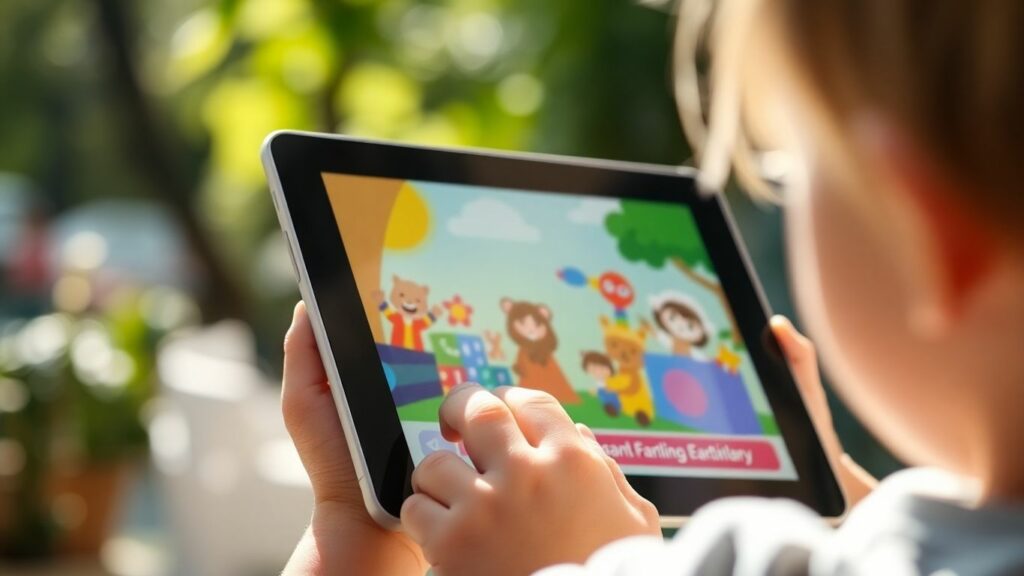
You know, sometimes the best way to explain something is with a good video. And the best part? There are numerous free educational videos available that can significantly help your kids learn without costing you a dime. Think of them as a super helpful supplement to whatever you’re already doing.
YouTube is a goldmine for this type of content. You can find channels that do everything from step-by-step drawing tutorials (Art for Kids Hub is a favorite for many) to in-depth history lessons. We’ve used them for science experiments that looked way too complicated to try ourselves, and honestly, watching someone else do it first made us feel way more confident. Additionally, many of these channels are created by teachers or homeschoolers, so they truly understand what kids need.
Don’t forget about PBS Kids, especially if you have younger learners. They offer a variety of games and videos designed to be both fun and educational. And if you’re looking for something a bit more structured, sites like Khan Academy offer free lessons on pretty much any subject you can think of. They’re great for tackling a tough math problem or just exploring a new topic.
Here are a few places to start looking:
- TED-Ed: They take interesting TED talks and turn them into lessons, or you can find existing lessons on all sorts of subjects.
- Crash Course: This YouTube channel features fast-paced, engaging videos on a wide range of topics, including history, science, literature, and more. They cover a lot of ground quickly.
- NASA for Students: If your kids are into space, this is the place. They offer videos, articles, and activities focused on space exploration and STEM.
- Exploratorium: This science museum has a fantastic collection of free videos and activities, especially for science and math topics.
It’s amazing how much quality content is available for free. Just be mindful of screen time, of course, but these videos can be a real game-changer for making learning exciting and accessible.
Secondhand Shopping

You know, when you’re homeschooling, the amount of books and materials you can go through can really add up. It’s easy to feel like you need to buy everything brand new, but honestly, that’s not the case at all. One of the smartest ways to keep costs down is to hit up secondhand shops. Consider thrift stores, consignment shops, and online platforms like Facebook Marketplace or eBay. You can often find textbooks, workbooks, and even educational games for a fraction of their original cost.
I’ve personally found entire book series for just a few dollars at thrift stores. Books that aren’t immediately needed for lessons often get stashed away for future birthdays or holidays. It’s a great way to build up your home library without spending a fortune.
Here are a few tips for successful secondhand shopping:
- Keep a running list: Before you go shopping, jot down the specific books or supplies you’re looking for. This helps you stay focused and snag deals when they appear. I always keep an eye out for books on history, nature, and science.
- Check online marketplaces: Sites like ThriftBooks, eBay, and Facebook Marketplace can be treasure troves. ThriftBooks, in particular, often has educational books at really low prices, and they have a rewards program that can save you even more.
- Don’t forget about library sales: Many libraries host periodic book sales where you can find amazing deals. It’s a fantastic way to stock up on reading material and supplemental resources.
Library Sales

You know, libraries aren’t just about checking out books during their regular hours. Many libraries hold massive book sales, often a few times a year. This is where they sell off older or surplus books, and let me tell you, the prices are usually ridiculously low. We’ve managed to snag entire book series for just a few dollars each. It’s a fantastic way to build up your home library without spending a fortune.
These sales are great for finding:
- Books for specific subjects you’re studying.
- Older editions of textbooks or reference materials.
- Picture books and chapter books for read-alouds or independent reading.
- Books that aren’t available through regular checkout.
Don’t be afraid to stock up on books that might be useful later, even for gifts! It’s a smart way to get ahead on holiday or birthday shopping while saving money. Additionally, by purchasing from these sales, you’re supporting your local library’s efforts to acquire new materials, which is a win-win.
Back-to-School Clearance
You know how stores go absolutely bonkers with school supplies right after the summer ends? Well, that’s your golden ticket for finding affordable homeschool supplies. Instead of fighting the crowds before school starts, wait a few weeks. Places like Target, Walmart, and even office supply stores slash prices like crazy to get rid of their back-to-school inventory. We’re talking notebooks, binders, pens, markers, glue sticks – all the basics you’ll need for the year, but at a fraction of the cost.
Seriously, don’t underestimate the power of waiting until late August or early September to stock up. It may feel counterintuitive, I know, but trust me, the savings are substantial. You can grab things like:
- Notebooks and paper
- Art supplies (crayons, colored pencils, markers)
- Folders and binders
- Pens, pencils, and erasers
- Glue and scissors
Think of it as a strategic shopping move. You’re letting everyone else pay full price, and then you swoop in for the deals. It’s a fantastic way to get a lot of what you need without spending a fortune. Plus, you can often find some fun extras that might not be on the shelves later in the year.
Discussion about this post