


Choosing the right diaper for your baby is a big decision. It affects your wallet and the planet. Cloth and disposable diapers are made differently.
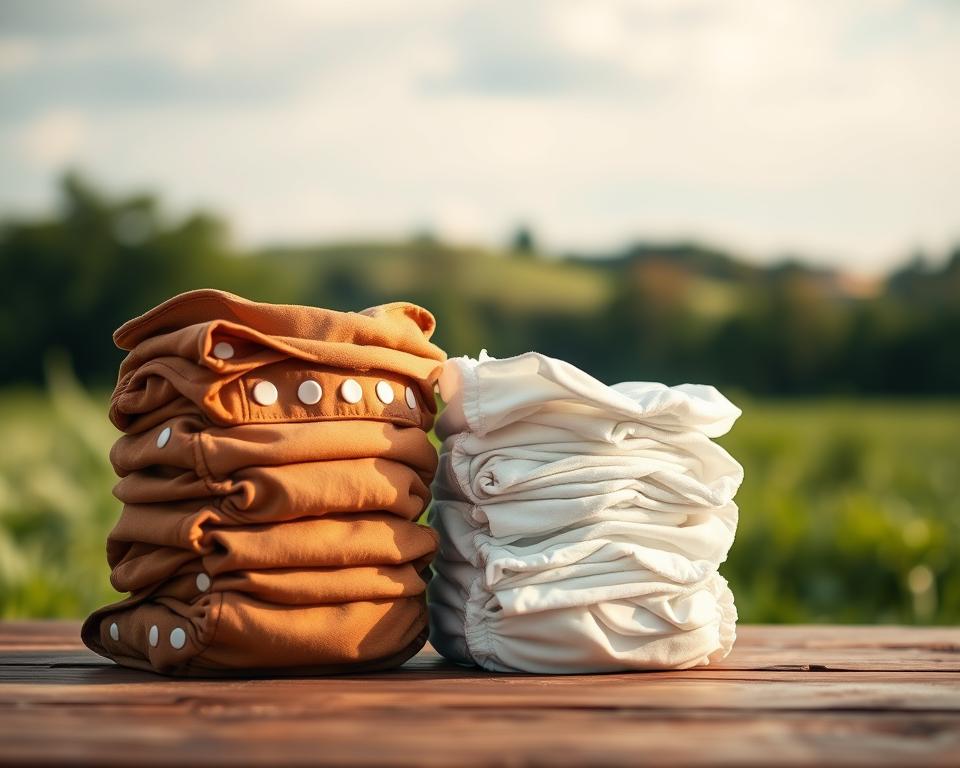
Cloth diapers are made from fabric, like cotton or terry cloth. On the other hand, disposable diapers are made from materials that don’t break down easily. This difference is key when picking the best diaper for your family.
Parents must think about cost, environmental impact, and benefits when deciding. Knowing these points helps make a choice that fits your values and budget.
The Diaper Dilemma: Understanding Your Options
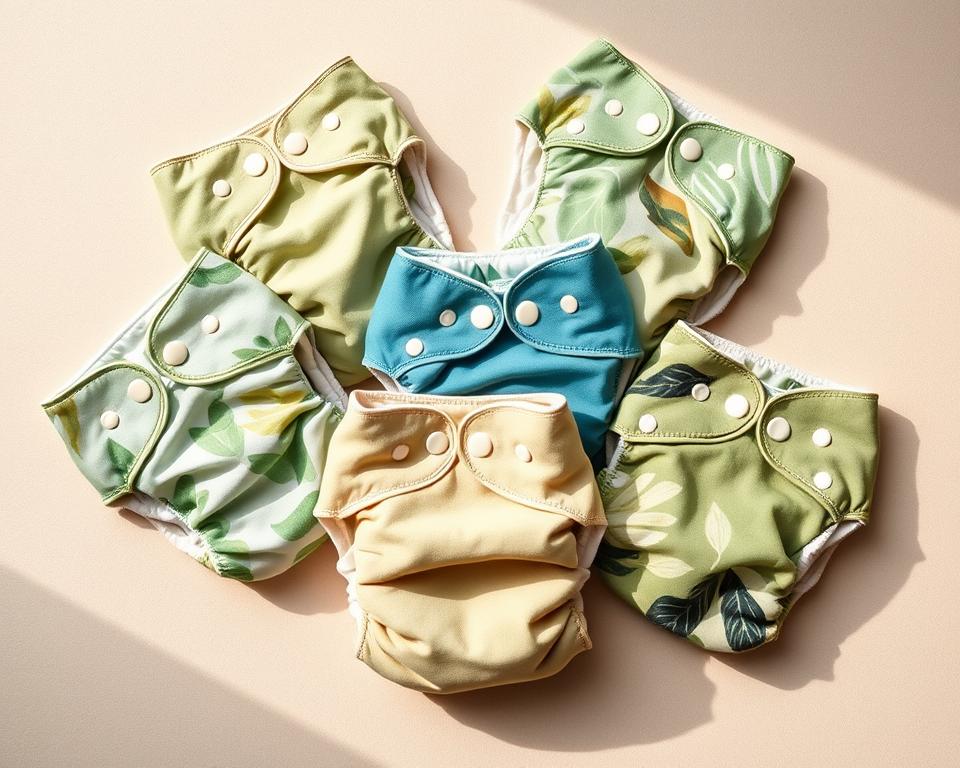
Parents looking for eco-friendly diapering options need to know about cloth diapers. Today, there are many styles like pre-folds, hybrids, and all-in-ones. Each style meets different needs and preferences.
Types of Cloth Diapers Available
Cloth diapers are made from natural materials like cotton, bamboo, and hemp. They are a sustainable choice compared to disposable diapers. The material used affects the diaper’s absorbency, comfort, and how it impacts the environment.
| Type | Description | Materials |
|---|---|---|
| Pre-folds | Rectangular diapers that need to be folded and secured | Cotton, hemp |
| Hybrids | Diapers that can be used with either cloth or disposable inserts | Polyester, cotton |
| All-in-ones | Diapers with built-in absorbency and waterproof layer | Cotton, bamboo, PUL |
Eco-friendly diapers like cloth diapers are becoming more popular. They can help reduce waste and save money over time. When picking a cloth diaper, think about absorbency, fit, and how easy it is to use.
Many brands offer top-quality cloth diapers. BumGenius, Thirsties, and Cotton Babies are some of them. They have a variety of styles and materials, making it easier for parents to find the right diaper for their baby.
Cloth Diapers vs Disposable: A Comparative Look
Cloth diapers and disposable diapers serve different needs for parents. The choice depends on several factors like functionality, ease of use, and environmental impact.
Functionality Comparison
Cloth diapers have improved a lot, with better absorbency and comfort. They come in styles like all-in-one, pocket, and hybrid. Disposable diapers are easy to use and throw away.
Cloth diapers offer customizable absorbency and comfort for some babies. Disposable diapers are easy to use and convenient.
Ease of Use Differences
Cloth diapers are now easier to use, thanks to modern designs. They have simple fastening systems and are easy to clean. Disposable diapers are straightforward to use, needing no prep or cleaning.
Today’s cloth diapers have solved old problems like bulkiness and hard fastening. They are now user-friendly and efficient, appealing to many parents.
Innovations in Disposable Technology
Disposable diapers have also seen big improvements. Brands now offer wetness indicators and improved absorbency. These features make disposable diapers a favorite among parents.
Knowing the pros and cons of cloth diapers helps parents choose what’s best for them. It’s about finding what fits their lifestyle and preferences.
Initial Investment: Upfront Costs Compared
It’s important to know the costs of cloth and disposable diapers before deciding.
Basic vs. Premium Cloth Diaper Systems
Cloth diapers can cost between $300 and $1,000, depending on the type. Basic systems are cheaper but need more care and may not last as long.
Premium systems cost more but offer features like easy fastening and more absorbency. They might be worth it in the long run.
There are also extra costs for cloth diapering, like liners, covers, and wet bags. These add to the total cost.
Brand Price Variations
Prices for cloth diapers vary by brand. Factors like material quality and design play a role. Eco-friendly and innovative brands tend to be pricier.
Bulk Purchasing Considerations
Buying in bulk can lower the cost of cloth diapers. But, it means spending more at first. Parents should think about their budget and baby’s needs before buying in bulk.
Disposable diapers are cheaper at first but cost more over time. Choosing between cloth and disposable diapers depends on understanding both initial and ongoing costs.
Long-Term Financial Analysis: The True Cost Over Time
Looking at diaper costs over time shows big differences between cloth and disposable diapers. Cloth diapers cost more at first but save money later on.
Laundry and Utility Costs
One big cost of cloth diapers is laundry and utilities. But this cost is small compared to disposable diapers. Families can cut this cost by using energy-efficient laundry practices.
Replacement and Maintenance Expenses
Cloth diapers need occasional part replacements, but this is cheaper than buying disposable diapers all the time. Replacing parts costs much less than buying new diapers.
Weekly and Monthly Cost Breakdown
Breaking down costs weekly or monthly shows cloth diapers are cheaper over time. The upfront cost of cloth diapers is spread out, making monthly costs lower than disposable diapers.
Reusing Cloth Diapers for Siblings
Families with multiple kids save money with cloth diapers. They can use the same diapers for each child. This makes the cost per child much lower.
Long-term Savings Analysis
Looking at the long term, cloth diapers save a lot of money. They cut down on the need for disposable diapers, saving families hundreds or thousands of dollars.
In summary, cloth diapers may cost more at first, but they save money in the long run. They are a sustainable diaper option that saves money, even for families with many children.
Environmental Impact: Manufacturing Process
The making of diapers affects the environment in many ways. Disposable diapers need lots of wood pulp and plastic. On the other hand, cloth diapers are made from natural cotton, sometimes with synthetic fibers for extra strength.
Cotton, a key material for cloth diapers, is natural and can be grown again. But growing cotton uses a lot of water and pesticides. Both cloth and disposable diapers use synthetic materials, harming the environment through their making.
Manufacturing Carbon Footprint
Diaper making leaves a big carbon footprint. This includes energy used during making and moving them around. Disposable diapers, with their mix of materials, have a bigger carbon footprint than cloth diapers.
Plastic and Pulp Production Impact
Disposable diapers have lots of plastic and wood pulp. Making these materials harms forests and adds to plastic pollution. Getting and processing these materials also hurts the environment.
Chemical Processing Concerns
Chemical treatments are used to make diapers better. But these chemicals can harm the environment if not thrown away right. Making both types of diapers must focus on safe use and disposal of these chemicals.
Environmental Impact: Usage and Maintenance
Cloth diapers and disposable diapers have big environmental effects, not just when they’re made. Cloth diapers need to be washed often, using water and energy. Disposable diapers, on the other hand, add to landfill waste.
Washing Machine Efficiency Factors
The type of washing machine used for cloth diapers matters a lot. New, energy-saving machines help less, but old ones use more.
Detergent and Environmental Considerations
What detergent you choose for cloth diapers affects the planet too. Green detergents are better, but regular ones can harm the environment.
- Energy consumption during washing
- Water usage
- Type of detergent used
Volume of Waste Per Child
Disposable diapers make a lot of waste for each child. A kid goes through about 2,500 to 3,000 diapers in early years, adding a lot to landfills.
Disposable diapers take ages to break down in landfills. This shows their lasting harm to the environment.
In the end, both cloth and disposable diapers have big environmental effects. Knowing these impacts helps us choose better for our planet.
Environmental Impact: Disposal and Long-term Effects
How we dispose of diapers is key to the environmental impact of parenting. It affects landfills and ecosystems. The way we get rid of diapers at the end of their life cycle matters a lot for the planet.
End-of-Life for Cloth Diapers, Recycling and Repurposing Possibilities
Cloth diapers can be reused in many ways. They can be turned into cleaning rags or used for other household tasks. Some companies even recycle cloth diapers, though this is not very common.
Recycling and repurposing cloth diapers can greatly reduce waste. For example, old cloth diapers can be used as:
- Cleaning rags
- Drop cloths for painting
- Stuffing for DIY pet toys or pillows
Space Consumption in Landfills and Chemical Leaching Concerns
Disposable diapers, on the other hand, contribute a lot to landfill waste. They make up a big part of municipal solid waste. There’s also worry about chemicals from disposable diapers leaking into the soil and water.
| Diaper Type | End-of-Life Options | Environmental Impact |
|---|---|---|
| Cloth Diapers | Repurposing, Recycling | Minimal waste, possible reuse |
| Disposable Diapers | Landfill disposal | Big waste problem, chemical leaching risk |
The disposable diaper impact is huge, with millions going to landfills every year. Looking at the cost of cloth vs disposable diapers means seeing both the money and environmental costs.
Health and Comfort Considerations
Choosing between cloth and disposable diapers affects a baby’s comfort and health. Cloth diapers are known for their breathability, which can improve skin health.
Breathability Comparison
Cloth diapers are more breathable than disposable ones. This can lower the chance of skin irritation. Cloth allows for better airflow around the baby’s skin.
Moisture Management Differences
Disposable diapers quickly absorb moisture to keep skin dry. But, cloth diapers have improved a lot in moisture management. Many modern cloth diapers are very absorbent.
- Cloth diapers are more comfortable for active babies.
- Disposable diapers may have dyes and fragrances that irritate skin.
- The detergent for cloth diapers can leave residue, irritating the baby’s skin.
Some disposable diapers have chemicals that can irritate sensitive babies’ skin. Choosing sustainable diaper options without these irritants is good.
Nighttime Performance
Disposable diapers are often better for nighttime because they absorb a lot. But, cloth diapers can work well too, with the right setup and materials.
In conclusion, both cloth and disposable diapers have their good and bad sides for health and comfort. Knowing these can help parents choose what’s best for their baby.
Practical Considerations: Time and Convenience
Parents thinking about eco-friendly diapers need to weigh the time needed for cloth diapers against the ease of disposables. Cloth diapers need regular washing and upkeep, which takes a lot of time.
Washing Routines and Time Investment
Using cloth diapers means setting up a washing routine. This includes rinsing dirty diapers, storing them until laundry day, and then washing and drying them. It requires a lot of time and effort.
Storage and Organization Systems
Having good storage and organization for cloth diapers is key. You need a place for dirty and clean diapers. This makes things easier.
Changing diapers on the go can be harder with cloth diapers. You need a bag for dirty diapers and clean ones. Disposable diapers are simpler for outings.
Nighttime and Nap Time Ease
Cloth diapers work well at night with the right setup, like overnight diapers or boosters. Disposable diapers are often easier for nighttime because they’re quick to use.
In the end, whether to use cloth or disposable diapers depends on a family’s lifestyle and values. It’s about what works best for them.
Modern Innovations: Hybrid and Eco-Friendly Options
The world of diapers is changing with new, green solutions. Now, there are hybrid diapers, eco-friendly disposables, and cloth rental services. These options give parents more choices than ever.
Reusable Covers with Disposable Inserts
Reusable covers with disposable inserts are a hit. They mix the ease of disposables with cloth’s green benefits. This way, parents get the best of both worlds.
Best of Both Worlds Approach
Many diaper systems now offer the best of both worlds. They combine the absorbency of disposables with cloth’s eco-friendliness.
Plant-based disposable diapers are also new. They’re made from sustainable materials, cutting down on environmental harm.
Reduced Plastic Innovations, Cloth Diaper Rental Programs, Eco-Conscious Disposable Subscriptions
- Reduced Plastic Innovations: Some brands are cutting down on plastic in their diapers. This makes them better for the planet.
- Cloth Diaper Rental Programs: Rental services let parents try cloth diapers without the big upfront cost.
- Eco-Conscious Disposable Subscriptions: Subscription services for green disposables help parents stay consistent. They also encourage eco-friendly habits.
Real Parents’ Experiences: Success Stories and Challenges
Real parents have shared their diapering journeys. They give us a peek into the world of cloth and disposable diapers. Their stories help us understand the practical sides of diapering choices.
Full-Time Cloth Diapering Experiences
Many parents have made the switch to full-time cloth diapering. They say it saves money and is better for the environment. For example, a family of three can save up to $1,000 a year by using cloth diapers.
Overcoming Common Obstacles
Parents face challenges like more laundry and a big upfront cost for cloth diapers. But, many find ways to overcome these. They develop good laundry routines and choose affordable cloth diaper options.
Some parents prefer disposable diapers for their convenience. This is true for travel or when they’re out a lot. They consider the ease of use against the cost to the environment and their wallet.
Managing Costs with Disposables
Parents who use disposable diapers find ways to save. They buy in bulk, use coupons, and choose eco-friendly brands. This helps manage costs and lessen environmental impact.
Part-Time Cloth Diapering Strategies
Many parents use a mix of cloth and disposable diapers. They use cloth at home and disposable diapers when out. This approach cuts costs and environmental impact while keeping things flexible.
By sharing their experiences, parents help others make better diapering choices. They consider cost, convenience, and the environment in their decisions.
Discussion about this post