

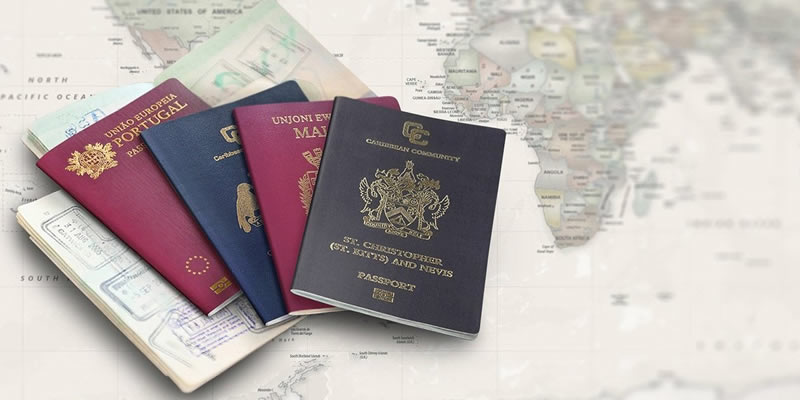

You need a second passport. Not because you’re running from anything—but because you’re running toward opportunity, security, and freedom.
The citizenship by investment market has quietly grown into a 30-billion-dollar industry. More than 80 countries now offer some form of investment migration program, though many have shut down or changed their rules dramatically in recent years.
Here’s what you need to know: The European Court of Justice recently deemed Malta’s program unlawful, sending shockwaves through the industry. Programs are consolidating. Compliance is tightening. And if you’re considering this path, understanding which programs actually work—and which ones might disappear—matters more than ever.
Let’s cut through the noise and look at the five citizenship by investment programs that stand out in 2025.
Why This Market Shifted in 2025
The investment migration sector grew 12% annually over the past five years. That’s impressive, except regulatory pressure has completely reshaped the landscape.
Turkey now stands as Europe’s only active citizenship by investment program. Malta’s legal troubles created a domino effect—investors got nervous, governments got cautious, and programs either strengthened compliance or shut down entirely.
Here’s an interesting data point: 70% of applications in 2024 came from entrepreneurs in Asia and the Middle East. This isn’t random. These regions face mobility restrictions that Western passport holders rarely think about.
A Lebanese entrepreneur needs visas for 180+ countries. A Brazilian business owner faces similar restrictions. These programs solve real problems—they’re not exotic luxury products for the ultra-wealthy, though that’s how media often portrays them.
Antigua and Barbuda: The Caribbean Benchmark
Antigua launched its program in 2013 and has generated over 1.5 billion dollars in investment. That track record matters because program longevity signals stability.
The investment structure offers flexibility: contribute $100,000 to the National Development Fund, or invest $200,000 in approved real estate. Processing takes 3-4 months, which makes this one of the faster pathways available.
The passport delivers visa-free access to more than 150 countries, including the Schengen Area and the UK. For business professionals who travel frequently to Europe, this removes countless visa headaches.
What often gets overlooked: Antigua has no residency requirements. You don’t need to relocate or even visit regularly to maintain your citizenship. That’s valuable for people who want the passport as a backup plan rather than an immediate lifestyle change.
St. Kitts and Nevis: The Gold Standard
St. Kitts runs the oldest citizenship program in the Caribbean. More than 25,000 investors have obtained this passport since the program launched. That number tells you something about market confidence.
Investment options mirror Antigua’s structure: $150,000 donation to the Sustainable Growth Fund, or $200,000 in real estate. The real estate route makes sense if you want a Caribbean vacation property that pays for itself.
The passport opens doors to more than 160 countries without visas. Processing takes 3-6 months normally, though a fast-track option can deliver citizenship in 60 days if you need speed.
St. Kitts maintains its reputation through strict due diligence. The program rejects applicants who don’t pass thorough background checks. This protects program integrity—and by extension, your investment.
Grenada: The US Business Access Advantage
Grenada offers something competitors can’t match: access to the US E-2 treaty visa. This changes the calculation entirely for entrepreneurs.
The E-2 visa allows treaty country citizens to enter and work in the United States based on an investment they’ll control and direct. You can’t get this pathway through other Caribbean programs.
Investment starts at $150,000 donation or $220,000 in approved real estate. Processing runs 4-6 months. The passport provides visa-free access to 150+ countries, similar to other Caribbean options.
Why does the E-2 access matter? Consider a tech entrepreneur from India. Even with substantial funding and business success, getting US work authorization remains difficult. Grenada citizenship creates a legal pathway that didn’t exist before.
Specialists like Globalresidenceindex.com can help evaluate whether Grenada’s unique E-2 treaty access aligns with your business strategy, particularly for entrepreneurs planning US expansion.
Malta: The European Gateway (With Complexity)
Malta issued over 1,000 passports by investment in 2024 despite regulatory challenges. The program survived European scrutiny, though requirements increased substantially.
The investment commitment is significant: contribute €600,000+ to the National Development Fund, plus purchase property worth €700,000 or rent at €16,000 annually. This makes Malta the most expensive option discussed here.
What you get for that investment: European Union citizenship. That means unrestricted right to live, work, and study across 27 member states. Your children can attend university in Germany, France, or the Netherlands as EU citizens—at local tuition rates.
Processing takes 12-36 months depending on your investment choice. That’s substantially longer than Caribbean programs. The extended timeline reflects Malta’s enhanced due diligence standards and government processing complexity.
Malta makes sense for families prioritizing European access and willing to make larger financial commitments for long-term positioning.
Vanuatu: Speed Over Everything
Vanuatu delivers citizenship in 2-4 months—the fastest processing globally. When speed matters more than passport strength, Vanuatu wins.
The South Pacific nation offers straightforward requirements: minimal documentation, no residency obligations, and streamlined government processing. This appeals to investors facing urgent circumstances or tight timelines.
However, the Vanuatu passport provides more limited mobility compared to Caribbean alternatives. Carefully evaluate whether processing speed justifies accepting a less powerful travel document.
Emerging Options Worth Watching
São Tomé and Príncipe launched its citizenship program in August 2025. The African nation represents market expansion beyond traditional Caribbean and European concentrations.
Nauru entered the investment migration landscape in 2024 with one of the most affordable offerings: $105,000 contribution to the Treasury Fund. The Oceania location provides dual citizenship opportunities without residency requirements.
These newer programs lack the track record of established options. That means less certainty about program stability and international acceptance of their passports.
European Residency Alternatives
Direct European citizenship programs contracted significantly, but residency pathways remain strong. Portugal and Greece offer golden visa programs leading to citizenship after residency periods.
Portugal requires €500,000 in regulated investment funds (or €155,000 through specialized vehicles), with citizenship eligibility after 5 years. Greece needs €250,000 real estate investment, with citizenship possible after 7 years of residency.
Both provide immediate Schengen visa-free travel during the residency phase. Property investments in Greece have shown strong appreciation and rental yields, potentially offsetting program costs through investment returns.
How to Choose the Right Program
The “best” program doesn’t exist—only the best program for your situation. Consider these dimensions:
Processing speed matters if business circumstances require immediate mobility solutions. Caribbean programs and Vanuatu deliver fastest results.
Passport strength determines how useful citizenship becomes long-term. EU citizenship opens doors that Caribbean passports can’t, but costs substantially more.
Investment capital available shapes your realistic options. Caribbean programs start around $100,000, while Malta requires €600,000+ in contributions alone.
Family inclusion provisions vary by program. Some include dependents in base pricing, others charge separately for each family member.
Tax implications require careful analysis. Most citizenship-by-investment countries have favorable tax regimes, but your home country’s tax treatment of foreign citizenship matters equally.
Residency expectations differ significantly. Some programs require no physical presence. Others mandate minimal annual visits to maintain status.
Due Diligence and Compliance Reality
Every reputable program now conducts intensive background checks. Expect to provide financial source documentation, beneficial ownership records, and comprehensive personal history.
Programs face pressure from the FATF (Financial Action Task Force) and OECD to maintain high compliance standards. This protects program integrity but means application requirements have increased across the board.
Working with experienced advisors who understand documentation requirements saves time and reduces rejection risk. Specialists like Global Residence Index and their parent company Vancis Capital have established relationships with government bodies that facilitate smoother processing.
Final Thoughts
Citizenship by investment isn’t about running away—it’s about building optionality. The right second passport provides freedom to live, work, and travel on your terms.
Caribbean programs offer speed and affordability. Malta delivers EU access at premium pricing. Grenada provides the unique E-2 treaty advantage for US business expansion.
The investment migration landscape continues evolving rapidly. Programs that exist today might not tomorrow. Regulatory pressure isn’t decreasing—if anything, compliance requirements will tighten further.
That makes choosing established programs with proven track records increasingly important. St. Kitts and Antigua have operated successfully for years. Malta survived European legal challenges. These programs demonstrate resilience.
Your circumstances determine the optimal path forward. Some investors prioritize processing speed. Others focus on passport strength or specific geographic access. Many want the security of knowing backup options exist if circumstances change.
Whatever drives your interest in citizenship by investment, understanding the current landscape—regulatory pressures, program strengths, and practical limitations—enables better decision-making than relying on outdated information or generic advice.
The programs listed here represent solid options in 2025, but your specific situation might call for different solutions. Proper evaluation of your goals, timeline, budget, and desired outcomes should drive program selection rather than simply choosing the cheapest or fastest option available.
Discussion about this post