

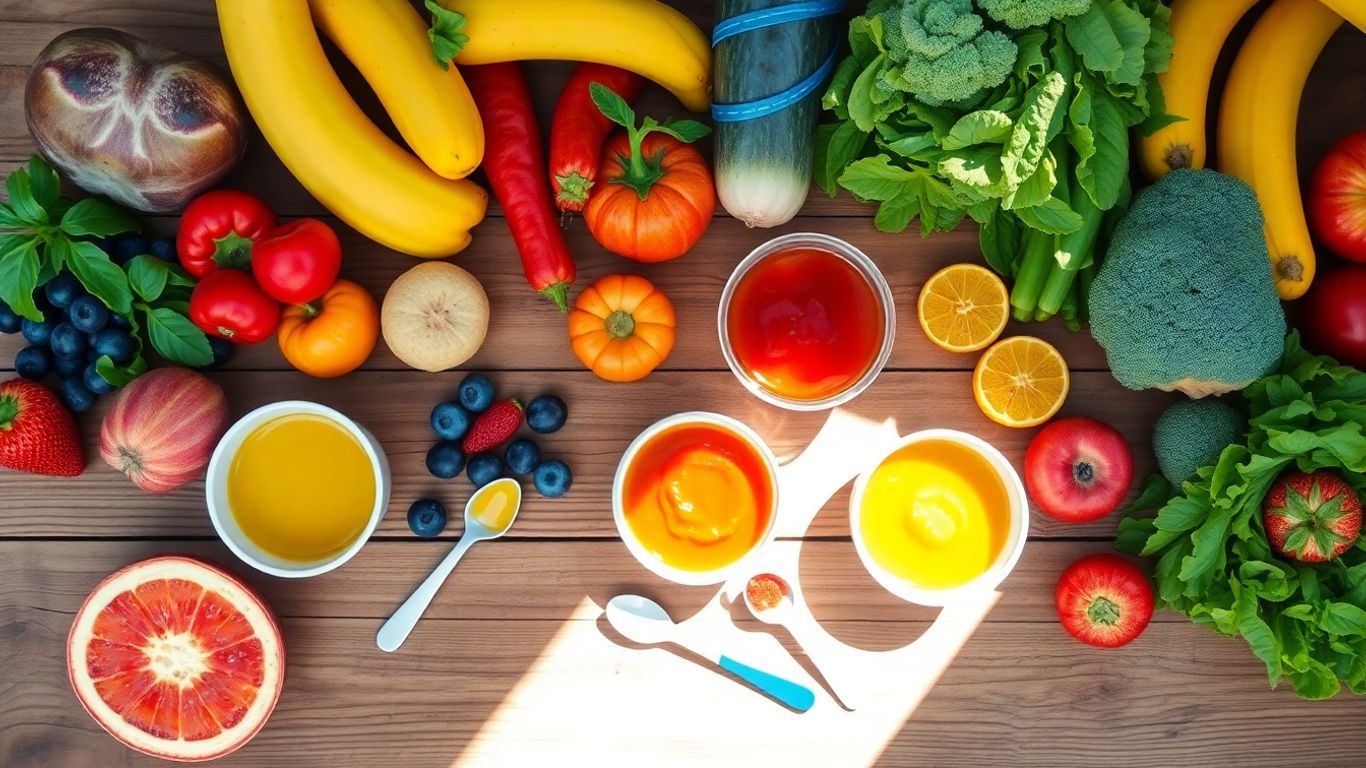

Let’s talk about money. Because, honestly, when you have a baby, every dollar counts, right? Making your own baby food might sound like a lot of work, and maybe even expensive, but it’s actually a super smart way to save cash. We’re talking about cost-effective baby nutrition here.
Think about those little jars and pouches you see at the store. They add up fast! If you’re buying organic, the price can really jump. But when you make it yourself, you control exactly what goes in and how much you spend.
Saving Money With Homemade Purees
Making purees at home is a game-changer for your wallet. You can buy fresh, organic produce in bulk when it’s in season, which is way cheaper than buying pre-made baby food. Plus, you’re not paying for the fancy packaging, the marketing, or the convenience of someone else doing the work. It’s just good, honest food for your little one.
Comparing Costs: Homemade Versus Store-Bought
It’s pretty eye-opening when you actually compare the numbers. Let’s look at a rough estimate:
| Item | Homemade Cost (Approx.) | Store-Bought Cost (Approx.) | Savings Per Month (Approx.) |
|---|---|---|---|
| Organic Produce | $15 – $20 | N/A | N/A |
| Pre-made Organic Puree | N/A | $60 – $100+ | $45 – $80+ |
This table shows that even with buying organic ingredients, you’re likely spending significantly less when you prepare the food yourself. That difference can really add up over a month, freeing up money for other baby needs or even a treat for yourself.
Budgeting For A Month Of Organic Meals
So, how do you actually make this work on a budget? It’s all about planning. You can easily create a month’s worth of organic baby food for around $20, maybe a little more depending on what’s on sale. Here’s a simple breakdown of how that might look:
- Staple Produce: Focus on seasonal vegetables like sweet potatoes, carrots, peas, and spinach. These are often affordable and packed with nutrients.
- Fruits for Variety: Bananas, pears, and apples are great additions that blend well and add natural sweetness.
- Grains & Legumes: Adding things like oats or lentils can boost nutrition without adding much cost.

By buying these items in larger quantities and doing some batch cooking, you can stretch your budget much further than you might think. It’s a practical approach to feeding your baby healthy, organic meals without breaking the bank.
Essential Ingredients For Your Natural Baby Food Pantry
Building a pantry for DIY baby food on a budget is simpler than you might think. You don’t need a ton of fancy items to get started. The key is to focus on whole, organic ingredients that are easy to prepare and pack a nutritional punch. Think about what’s in season and what you can buy in bulk or on sale to keep costs down.
Staple Vegetables For Pureeing
Vegetables are the backbone of many baby food purees. They offer a wide range of vitamins and minerals. When you’re starting out, stick to milder flavors that are generally well-accepted by babies. Organic options are great if your budget allows, but don’t stress if you have to opt for conventional for some items.
- Sweet Potatoes: These are a fantastic starter vegetable. They’re naturally sweet, easy to digest, and loaded with Vitamin A. Roasting them brings out their sweetness even more.
- Peas: Frozen peas are super convenient. They cook quickly and have a mild, slightly sweet flavor. They’re a good source of fiber and protein.
- Spinach: Don’t be afraid of leafy greens! Spinach has a subtle sweetness that many babies enjoy. It’s packed with iron and vitamins. You can buy it fresh or frozen.
- Carrots: Another naturally sweet option, carrots are rich in Vitamin A. They steam up nicely and blend into a smooth puree.
- Butternut Squash: Similar to sweet potatoes, butternut squash is sweet and nutrient-dense. It’s a great source of Vitamin A and C.
Fruits That Complement Savory Blends
Fruits can add a touch of sweetness and help balance out more earthy vegetable flavors. They’re also great on their own as a first food or mixed into other purees.
- Apples: A classic for a reason. Applesauce is a baby food staple. They’re easy to cook and blend, and pair well with many vegetables.
- Pears: Pears are often softer and sweeter than apples, making them a great choice for early purees. They have a smooth texture when cooked.
- Bananas: No cooking required for bananas! They’re creamy and naturally sweet. Just mash or blend them. They’re great mixed with almost anything.
- Avocado: Packed with healthy fats, avocado is a superfood for babies. It’s creamy and requires no cooking. Mash it up or blend it for a smooth texture.
- Berries (Blueberries, Strawberries): While some parents wait a bit longer for berries due to potential allergens, they are packed with antioxidants. Blend them into other purees or serve them on their own once your baby has tried a few other foods.
Grains And Legumes For Added Nutrition
Once your baby is a bit older and has tried a few fruits and vegetables, you can start introducing grains and legumes. These add protein, fiber, and other important nutrients to their diet, making meals more filling.
- Oats: Rolled oats or quick oats are easy to cook and blend into a smooth cereal or add thickness to fruit and veggie purees. Look for plain, unsweetened varieties.
- Lentils: Cooked and pureed lentils are a fantastic source of protein and iron. Red lentils cook down very soft and blend easily.
- Beans (Black Beans, Chickpeas): Well-cooked and pureed beans can be a good source of protein and fiber. Start with mild-flavored beans and ensure they are thoroughly cooked and pureed to a smooth consistency.
Simple Preparation Methods For Natural Baby Food
Making your own baby food might sound like a lot of work, but honestly, it’s pretty straightforward once you get the hang of it. You don’t need fancy gadgets, just a few basic tools and a little bit of time. The goal is to create healthy, affordable baby food recipes that your little one will love.
Steaming and Boiling Techniques
Steaming and boiling are your best friends when it comes to cooking vegetables and fruits for purees. They’re simple, effective, and help retain nutrients. For vegetables like carrots, broccoli, or peas, steaming is often preferred. You can use a simple steamer basket that fits over a pot of boiling water. Make sure to cut your veggies into similar-sized pieces so they cook evenly. For fruits like apples or pears, boiling can also work, especially if you’re planning to use the cooking liquid in your puree.
Here’s a quick rundown:
- Steaming: Place chopped ingredients in a steamer basket over simmering water. Cover and cook until tender. This usually takes about 5-10 minutes depending on the ingredient.
- Boiling: Submerge chopped ingredients in a small amount of water. Bring to a boil, then reduce heat and simmer until tender. Use minimal water to keep nutrients from escaping into the water.
- Roasting (for some items like sweet potatoes): Roasting can bring out a different, sweeter flavor. Toss cubed sweet potatoes with a tiny bit of oil and roast until soft.
Achieving A Smooth Puree Consistency
Once your ingredients are cooked and cooled a bit, it’s time to puree. A good blender or food processor is key here. For very young babies, you’ll want a super smooth consistency. For older babies exploring textures, you can leave it a little chunkier.
- Start with the cooked food: Add your steamed or boiled ingredients to the blender.
- Add liquid: If the mixture is too thick, add a little bit of the cooking water, breast milk, formula, or plain water. Start with a tablespoon at a time.
- Blend until smooth: Process until you reach the desired consistency. For an organic puree for infants, you want it to be easily swallowable.
- Strain if needed: If you’re aiming for an ultra-smooth texture and your blender isn’t quite cutting it, you can push the puree through a fine-mesh sieve.
Batch Cooking For Efficiency
This is where the real magic happens for saving time and money. Instead of making a small batch every day, dedicate a few hours once a week or every couple of weeks to make a larger quantity of homemade organic baby meals. This is often called batch cooking.
- Cook and puree in bulk: Prepare several different fruits and vegetables at once.
- Portion and freeze: Immediately portion the purees into ice cube trays or small containers (more on this later!).
- Store properly: Once frozen, transfer the portions to freezer bags or containers. This way, you always have healthy meals ready to go without the daily prep.
This approach makes feeding your baby nutritious food so much easier, especially on busy days. You’ll find that having a freezer stocked with homemade purees is a lifesaver.
Creative Combinations For Natural Baby Food
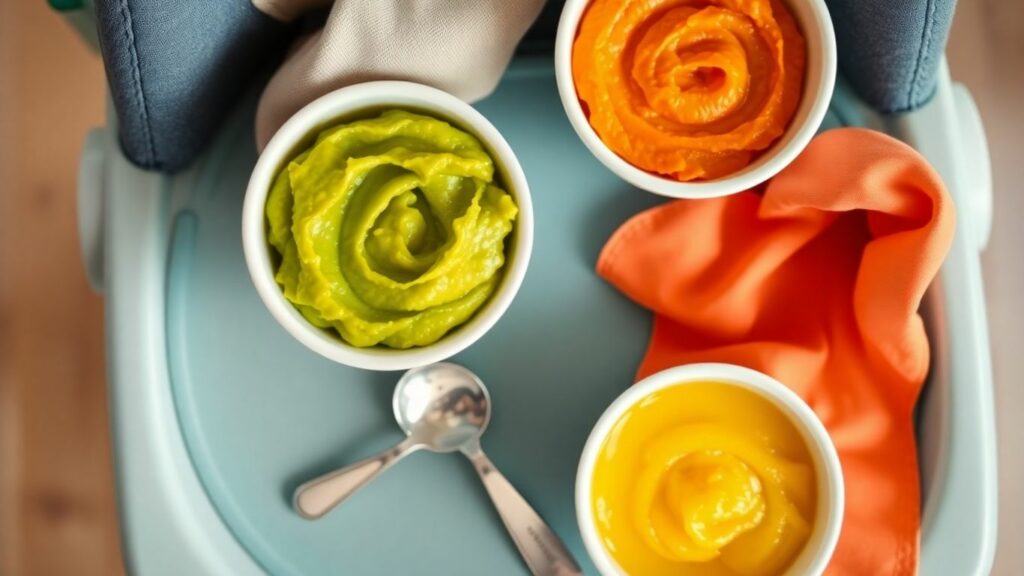
Once you’ve got the basics down, it’s time to get a little creative in the kitchen! Mixing and matching different fruits, vegetables, and even grains can introduce your baby to a wider range of flavors and textures. Plus, it keeps mealtime interesting for both of you. Don’t be afraid to experiment – sometimes the simplest combinations are the biggest hits.
Sweet Potato and Banana Delights
This is a classic for a reason. The natural sweetness of the banana pairs wonderfully with the earthy flavor of sweet potato. You can roast the sweet potato until tender, then scoop out the flesh and blend it with a ripe banana. If it’s too thick, a little breast milk, formula, or water will do the trick. For a little extra something, try adding a tiny pinch of cinnamon. It’s a smooth, satisfying meal that’s easy on tiny tummies.
Spinach, Pea, and Pear Medleys
This combination might sound a bit unusual, but it’s a fantastic way to sneak in some greens. Pears add a natural sweetness that helps balance out the earthiness of spinach and peas. Steam your peas and pears until soft, then blend them with some thawed spinach.
You might find that a higher ratio of fruit to veggie works best initially, but you can gradually increase the greens as your baby gets used to the taste. A splash of water helps achieve the perfect consistency.
Broccoli and Apple Blends
Here’s another great way to introduce vegetables with a touch of sweetness. Steam your broccoli florets until they’re nice and soft. Then, steam an apple until tender. Combine the cooked broccoli and apple in your blender.
The apple’s sweetness really cuts through any potential bitterness from the broccoli, making it more palatable for babies. This blend is great for introducing a slightly more complex flavor profile.
Storing And Freezing Your Natural Baby Food
Making your own baby food is great, but what do you do with all those yummy purees? Storing and freezing them properly means you’ll always have a healthy meal ready for your little one, without any last-minute stress. It’s all about making your life a bit easier.
Utilizing Ice Cube Trays For Portions
Ice cube trays are seriously a game-changer for homemade baby food. They’re perfect for portioning out purees, especially when your baby is just starting solids and only needs a small amount. You can use standard ice cube trays or get some specifically made for baby food, which often come with lids.
After you’ve pureed your ingredients, just spoon the food into the tray compartments. A good rule of thumb is to fill each cube with about one to two ounces of food, depending on how much your baby typically eats. Once they’re frozen solid, you can pop out the individual cubes and transfer them to a larger storage container.
This way, you can just grab one or two cubes for a meal instead of thawing a whole big batch.
Airtight Containers For Freezer Storage
Once your baby food cubes are frozen, you need to get them into something that will keep them fresh and prevent freezer burn. This is where airtight containers come in. You can use small, freezer-safe plastic containers with tight-fitting lids, or even heavy-duty freezer bags.
If you’re using bags, squeeze out as much air as possible before sealing them. Labeling is super important here. Write down what the food is and the date you made it. This helps you keep track of what’s what and when it needs to be used.
Best Practices For Freezer Longevity
To get the most out of your frozen baby food, there are a few things to keep in mind. Generally, homemade baby food is best used within about one month for optimal flavor and nutrient content. While it might still be safe to eat for a bit longer, the quality can start to drop.
Always thaw food safely. The best method is to move a portion from the freezer to the refrigerator the night before you plan to serve it. If you need it sooner, you can gently warm it on the stove or in the microwave, but be sure to stir it well and test the temperature to avoid hot spots.
And a big one: never refreeze baby food once it’s been thawed, as this can encourage bacterial growth. So, plan ahead, label everything, and your freezer will be a treasure trove of healthy meals!
Convenient Feeding Solutions
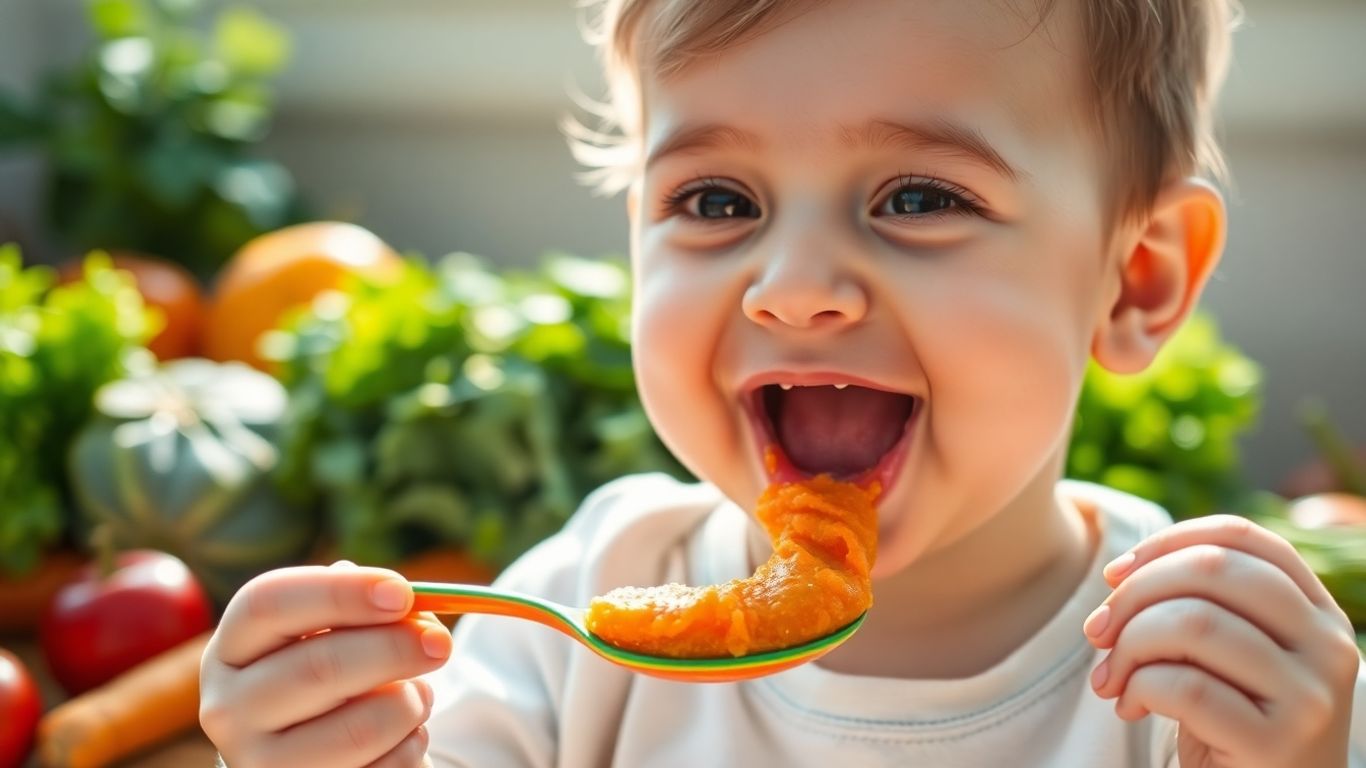
Making your own baby food is great, but getting it to your little one, especially when you’re out and about, can sometimes feel like a puzzle. Luckily, there are some simple ways to make feeding time easy, no matter where you are.
Portable Pouches For On-The-Go
Store-bought baby food pouches are super handy for travel. Think plane rides or car trips. You can even make your own purees and fill reusable pouches. It’s a good way to keep your baby fed without a big mess. Plus, if your baby isn’t super hungry, they can just have a few sips and you can save the rest for later.
This is way cheaper than buying pre-made pouches all the time, which can add up fast. If you buy them, look for ones that are BPA-free, of course.
Mesh Feeders For Exploring Textures
Once your baby starts getting more teeth and is ready for a bit more texture, mesh feeders are a game-changer. You can put soft fruits like ripe pears or apples inside, or even cooked veggies. It lets them explore different tastes and textures safely, without the risk of choking on larger pieces.
It’s also a great way to keep them occupied while you’re waiting for your own food at a restaurant or just need a few minutes to yourself. Some parents even keep a small garlic press handy to quickly mash up bits of their own food for the feeder when they’re out.
Quick Thaw And Serve Options
This is where those ice cube trays you used for freezing come in handy again. Once the purees are frozen solid, you can pop them out and put them into a freezer bag. Need a quick meal? Just grab one or two cubes and warm them up.
You can add them to grains, soups, or even mix them into yogurt. It’s a fast way to serve a healthy meal without a lot of fuss. If you’ve stored your purees in small containers, just pull one out of the freezer the night before and let it thaw in the fridge. Easy peasy.
Frequently Asked Questions
Is making baby food at home really cheaper than buying it?
Yes, absolutely! Making your own baby food can save you a lot of money. For example, spending around $20 on groceries can make enough food for about two months, which is way less than buying pre-made jars or pouches. Store-bought options can add up quickly, costing $20 to $50 or more each month, especially if your baby eats a lot.
What are the best basic ingredients to start with for homemade baby food?
Great starter ingredients include simple vegetables like sweet potatoes, carrots, peas, and spinach, as well as fruits like apples, pears, and bananas. You can also add in grains like oats or legumes like lentils for extra nutrients. These items are usually easy to find and prepare.
How can I make sure the baby food has a smooth texture?
After cooking your fruits or veggies until they are soft, the best way to get a smooth texture is to use a blender or a food processor. If the puree is too thick, you can add a little bit of water, breast milk, or formula to thin it out until it’s just right for your baby.
What’s the easiest way to store homemade baby food?
Ice cube trays are super handy for storing small portions. Once the food is frozen solid, you can pop out the cubes and put them into airtight containers or freezer bags. This way, you can easily grab just one or two cubes for a meal. For larger amounts, use clean, airtight containers.
How long can I keep homemade baby food in the freezer?
It’s best to use homemade baby food within about a month for the best taste and nutrients. While it might be safe longer, the quality can go down. Always label your containers with the date you made the food so you know how long it’s been in there.
Are there any special tools I need to make baby food?
You don’t need a lot of fancy equipment. A good blender or food processor is essential for pureeing. Steamer baskets are helpful for cooking veggies, and ice cube trays or small airtight containers are great for storage. Some parents also like using reusable squeeze pouches for convenience.
Discussion about this post