

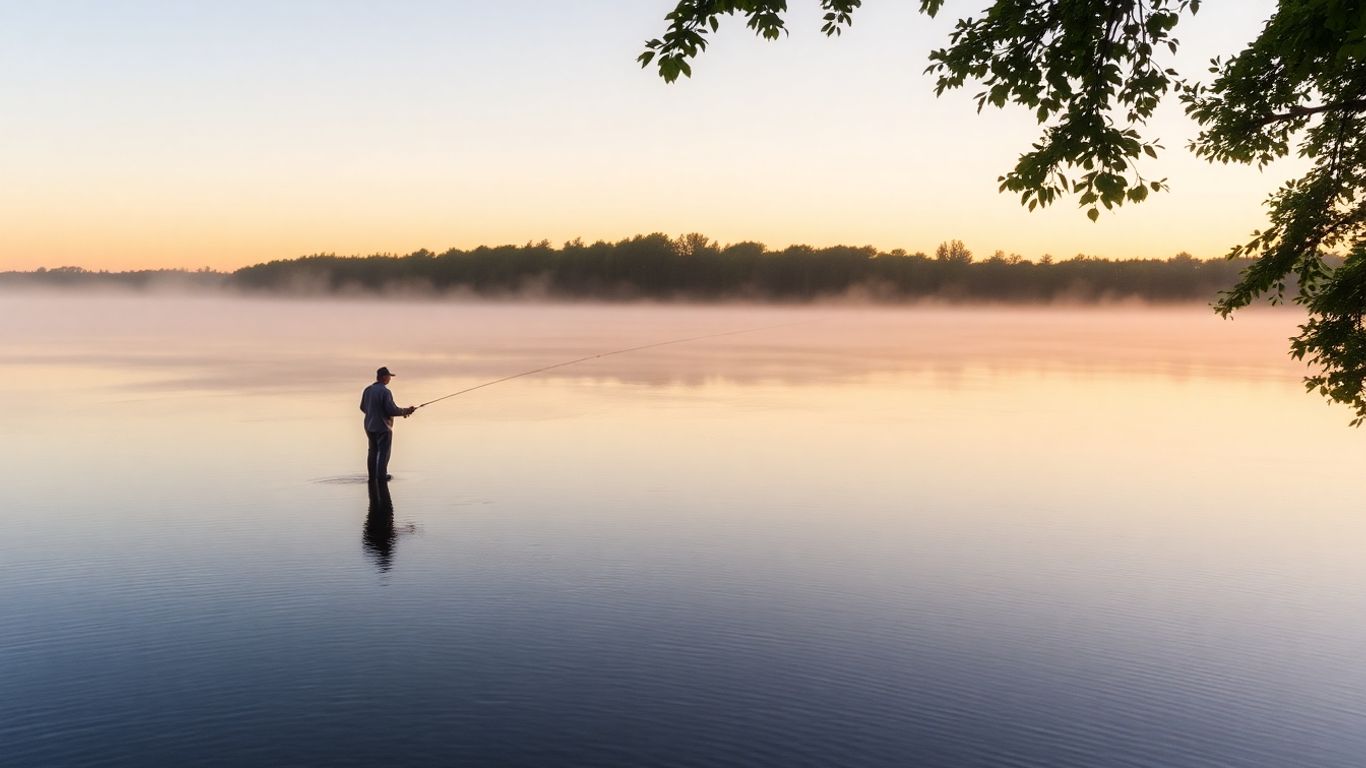

Sunny days aren’t always the best for fishing. Fish respond to changes in weather, and certain conditions can greatly improve your chances of landing a catch.
From summer heat to winter chill, knowing how weather influences fish behaviour can help you plan smarter trips. This guide explains what makes for good fishing weather, how conditions affect fish, and the best times to fish throughout the year.
1. Early Morning And Late Evening Fishing
When to go fishing for best results often comes down to the clock. Many anglers swear by the early morning and late evening hours, and for good reason. These times, often called the ‘crepuscular’ periods, are when many fish species are most active. Think of it like this: the sun’s glare is less intense, making fish feel safer to come out and hunt for food.
In the morning, as the sun starts to peek over the horizon, the water is usually cooler, especially in warmer months. This cooler temperature is more comfortable for fish, and they tend to be on the move, looking for breakfast. It’s also a time when baitfish are often active, which means bigger predators won’t be far behind. Plus, you’ll often find calmer waters and fewer boats out, giving you a more peaceful experience and a better chance at undisturbed fishing.
Evening fishing has its own magic. As the day cools down, fish that might have been hiding in deeper, cooler spots during the midday heat start to venture out. The fading light can trigger feeding instincts, and, as in the morning, baitfish become more active, drawing in game fish. It’s a great time to be on the water, especially if you enjoy the quiet of the day winding down.
Here’s a quick look at why these times are so popular:
- Morning: Cooler water temperatures, calmer conditions, and active fish coming out to feed.
- Evening: Cooling temperatures, increased baitfish activity, and fish feeding before nightfall.
- Light: Reduced sun glare makes it easier to spot fish and helps them feel less exposed.
These optimal fishing conditions are a big part of successful fishing weather tips, and understanding these seasonal fishing patterns can really make a difference in your catch.
2. Overcast Skies
When the sun decides to take a break and the sky turns gray, it’s often a good sign for anglers. Overcast skies can actually be a really beneficial condition for fishing. Think about it: less direct sunlight means less light penetrating the water. This makes fish feel a bit more secure, less exposed to predators lurking above.
As a result, they tend to move into shallower areas and become more active feeders. You might find fish spread out more than usual, not just hunkered down in deep holes. This can make them easier to find and catch, especially if you’re fishing in the mid-afternoon, when the sun is at its brightest and hottest. So, don’t let a cloudy day get you down; it might just be the perfect setup for a successful outing.
3. Light Wind Conditions
You know, sometimes you think a perfectly calm day is the best for fishing, but a little bit of wind can actually be a good thing. We’re not talking about a gale here, just a gentle breeze. This kind of wind does a couple of neat things. First off, it stirs up the water’s surface. This movement helps bring tiny food particles, such as plankton and other small organisms, closer to the surface. Baitfish love to eat these, and guess who loves to eat baitfish? That’s right, the bigger fish you’re probably after.
So, a light wind can actually push food around, making it easier for fish to find a meal. It also helps break up the surface of the water, which can make fish feel a bit safer from predators looking down from above. This often encourages them to move into shallower areas where they might be easier to catch. Think of it as a natural buffet line being set up by the wind.
Here’s a quick rundown of why a little wind is good:
- Food Movement: It stirs up small food sources, attracting baitfish.
- Predator Attraction: Bigger fish follow the baitfish.
- Comfort for Fish: A rippled surface can make fish feel less exposed.
- Shoreline Advantage: Wind can push bait and fish closer to the shore, which is great if you’re fishing from land.
It’s not about fighting the wind, but working with it. If you’re on a boat, try casting with the wind, not against it. This way, your lure or bait drifts naturally with the current and the food being moved around. It can make a surprising difference in your catch rate.
4. Falling Barometric Pressure
You know, sometimes it feels like the fish are just waiting for the weather to get a little dicey before they really start biting. And there’s actually some science behind that idea, especially when it comes to barometric pressure. When that pressure starts to drop, it’s often a sign that a storm is brewing, and believe it or not, this can actually get the fish fired up.
Think about it: fish have these special organs, like their lateral line and swim bladder, that are super sensitive to changes in their environment. As the air pressure falls, it can affect how their swim bladder works, making them feel a bit more active or maybe even a little stressed, which can lead to feeding. Plus, a falling pressure often means clouds are rolling in, which can make fish feel safer and more willing to come out and look for a meal.
Here’s a general idea of how pressure changes can affect the bite:
- Rapid Drop (more than 0.18 inches Hg in 3 hours): This is often prime time. The fish seem to get really active and hungry.
- Steady Drop (over several hours): This can be a good, extended period for fishing as the pressure continues to decrease.
- Stable Pressure (after a change): Fishing might be slow initially, but after a few days of stable pressure, the bite can pick up again as fish start feeding after a period of reduced activity.
So, if you see the barometer heading south, it might just be your cue to grab your gear. It’s not a guarantee, of course, but it’s definitely a condition that many anglers look forward to.
5. Gradual Temperature Changes
Fish are cold-blooded, which means their body temperature pretty much matches the water they’re in. This is a big deal because it affects how active they are and how much they need to eat. When water temperatures change slowly, fish tend to adjust pretty well. Think about it like this: a slow warm-up in the morning or a slow cool-down in the evening makes them more likely to get out and look for food. They’re not stressed, they’re just comfortable and ready to feed.
Sudden, drastic temperature shifts, on the other hand, can really mess with them. If the water suddenly gets too hot or too cold, fish often retreat to deeper, more stable parts of the water body. This is where they can find less extreme conditions. So, while you might not need a thermometer to go fishing, paying attention to how the temperature is changing can give you a real edge.
Here’s a quick rundown of how temperature changes can affect fish behavior:
- Slow Warming: Fish become more active, moving into shallower areas to feed.
- Slow Cooling: Fish remain active for longer, feeding as the water cools gradually.
- Rapid Warming: Fish may become sluggish or move to deeper, cooler water.
- Rapid Cooling: Fish tend to seek out deeper, more stable temperatures and may stop feeding.
Basically, you want to avoid those extreme swings. A steady, predictable temperature trend is usually your best bet for finding fish that are actively feeding.
6. Light Rain
Don’t let a little drizzle keep you off the water. Light rain can actually be a fantastic time to go fishing. Think about it: the clouds that bring the rain usually mean less direct sunlight, which is good for keeping fish comfortable and active closer to the surface. Plus, those raindrops hitting the water can actually help mask your presence from the fish. It’s like a natural camouflage!
Another cool thing about light rain is that it can wash small insects and baitfish into shallower areas. This can spark a feeding frenzy, and you’ll want to be there when it happens. It’s not just about the fish being more active, though. For you, the angler, it can mean fewer crowds on the water. Most people prefer to stay dry, so you might have your favorite spots all to yourself. Just remember to dress appropriately and keep your gear protected. A good rain jacket and waterproof boots go a long way. And always, always keep an eye on the sky for any signs of the weather turning sour. Safety first, always.
7. Spring And Fall Seasons
When you’re thinking about the best times of year to go fishing, spring and fall really stand out. These seasons usually bring milder weather, which is a big plus for both you and the fish. The water temperatures are generally in a sweet spot – not too hot, not too cold – making fish more active and willing to feed.
Think about it: in spring, fish are coming out of the colder winter months and are hungry. They’re looking to build up energy. Then, in the fall, they’re getting ready for winter and need to pack on some pounds. This means they’re often on the move and looking for a meal.
Here’s a little breakdown of why these seasons are so good:
- Active Fish: Both young and mature fish are usually feeding more actively during these transitional periods.
- Comfortable Conditions: For us anglers, the moderate temperatures mean you’re not sweating buckets or freezing your fingers off.
- Baitfish Abundance: Smaller baitfish tend to be more plentiful, which naturally attracts the bigger predatory fish you’re often after.
It’s not just about the fish, though. The general atmosphere feels right for fishing. You’ll often find fewer crowds on the water compared to peak summer, making for a more peaceful experience. Plus, the changing leaves in the fall or the blooming life in the spring add to the whole vibe. So, if you’re planning a fishing trip, spring or fall is usually a pretty safe bet for a good time.
8. High And Incoming Tides
When you’re out on the water, paying attention to the tides can make a big difference in how many fish you catch. Think of tides like the ocean’s heartbeat; they create movement and bring food around. Generally, fish tend to be more active when the tide is moving, especially when it’s coming in.
Here’s why high and incoming tides are often your best bet:
- Food Delivery: As the tide rises, it pushes baitfish and other small critters closer to shore or into shallower areas where game fish hang out. This means more food is available, and predators are usually on the hunt.
- Oxygenation: Moving water helps circulate oxygen, which fish need. Areas with good tidal flow often have higher oxygen levels, making them more comfortable and attractive for fish.
- Cover and Structure: High tides can flood areas that are normally dry, like marshes or flats. This gives fish access to new feeding grounds and places to hide from predators.
It’s not just about high tide, though. The incoming tide is often when the real action starts. You’ll want to check a tide chart for your specific fishing spot. These charts show you when the tide will be highest and when it’s moving in. Many anglers find that the period just before, during, and just after the peak high tide is prime time. Don’t forget that the moon plays a role too; full and new moons usually mean stronger tides, which can really get the fish feeding.
9. Moderate Water Temperatures
Fish are cold-blooded, meaning their body temperature pretty much matches the water temperature. This is a big deal because it directly affects how active they are and how much they need to eat. When the water gets too hot or too cold, fish tend to slow down and have a harder time getting enough oxygen to breathe. Too much heat or too much cold can really make them sluggish and picky.
So, what’s the sweet spot? Generally, fish do best in moderate water temperatures. Think of it like Goldilocks – not too hot, not too cold, but just right. This is when they’re most comfortable, active, and looking for a meal. While you don’t need to carry a thermometer everywhere, paying attention to how the water temperature is changing, especially with the seasons, can give you a good idea of where the fish might be and what they might be doing.
Here’s a quick rundown of why moderate temps matter:
- Activity Levels: Fish are most active and willing to chase down prey when the water is in their preferred temperature range. Extreme temperatures make them conserve energy.
- Oxygen Availability: Warmer water holds less dissolved oxygen, which is what fish need to breathe. Moderate temperatures usually mean better oxygen levels.
- Metabolic Rate: Fish need to eat to fuel their bodies. Their metabolism speeds up in warmer water and slows way down in colder water. Moderate temps keep their metabolism at a level where they’re actively feeding.
Sudden, drastic shifts in water temperature, whether up or down, can shock the fish and send them in search of more stable conditions, often deeper in the water. Gradual changes, like those that happen naturally with the seasons, are much easier for them to adjust to and often lead to better fishing.
10. Stable Weather Patterns
When you’re planning a fishing trip, stable weather is usually your best bet. Think about it – if the conditions are all over the place, it’s tough for both you and the fish to get comfortable. Big swings in temperature or sudden, dramatic wind shifts can make fish hide out or stop biting. Stable weather, on the other hand, means things are predictable.
This predictability is good for a few reasons:
- Fish Behavior: When the weather isn’t doing crazy things, fish tend to stay more active and in areas where you can find them. Sudden changes don’t stress them, so they’re more likely to be out and about looking for food.
- Your Comfort: Let’s be honest, fishing is more fun when you’re not battling the elements. Stable conditions let you focus on casting and reeling, not just on staying warm or dry.
- Easier Planning: Knowing the weather isn’t going to turn nasty suddenly makes it easier to plan your outing, especially if you’re taking kids or have a specific fishing spot in mind.
While a bit of wind can stir things up and a cloudy sky can be great, it’s the steady conditions that often lead to the most consistent fishing. It’s like the fish are saying, ‘Yep, this is a good day to eat.’ So, if you see a forecast that looks calm and steady, that’s usually a good sign you’ll have a successful time on the water.
Frequently Asked Questions
When is the best time of day to go fishing?
The best times to cast your line are usually early in the morning or late in the evening. During these times, the sun isn’t too hot, and the water is cooler. Fish tend to be more active and less scared to come up near the surface to eat.
Does cloudy weather help with fishing?
Yes, overcast skies are actually great for fishing! Less light means fish feel safer from predators and are more likely to come out and feed in open or shallow areas. It also helps keep you hidden from the fish.
How does wind affect fishing?
A gentle breeze can be a good thing. Wind stirs up the water, moving food around that smaller fish eat. This attracts bigger fish, so a light wind often means more action. Just be sure to cast your line so the wind helps push your bait along.
Is falling barometric pressure good for fishing?
Many anglers believe that falling barometric pressure is a sign that fish will be more active and ready to feed. Stable high pressure can sometimes make fish a bit lazy.
Are spring and fall the best seasons for fishing?
For many places, spring and fall are considered prime fishing seasons. The temperatures are usually mild, not too hot or too cold, and the fish are generally quite active during these times.
Should I fish during high tide or low tide?
Fishing during high tide or when the tide is coming in is often better. The movement of the water during these times can bring more food into areas where fish are, making them more likely to bite.
Discussion about this post