


With climate change, resource scarcity, and a growing population, sustainable farming is now vital worldwide. From cutting-edge technology to time-tested traditions, these methods boost productivity while protecting the planet.
Here are 10 Innovative Farming Techniques Boosting Crop Yields farmers are embracing today.
1. Precision Agriculture Technology
Precision agriculture technology is really changing the game for farmers. It’s all about using data and smart tools to manage fields more effectively. Think of it like giving your farm a high-tech upgrade. Instead of treating every part of a field the same, this approach lets you tailor actions to specific spots. This means using just the right amount of water, fertilizer, or pesticides exactly where and when they’re needed. It’s a big step up from older, more general methods.
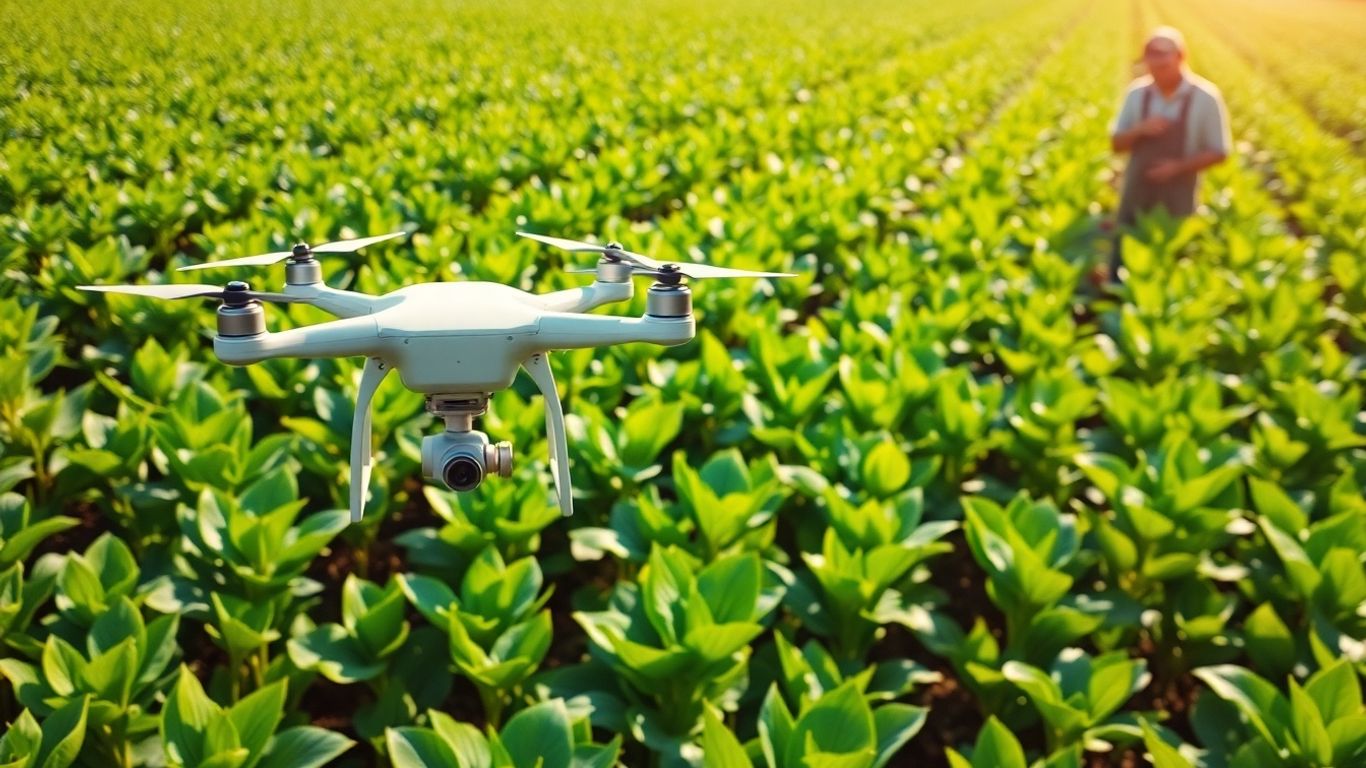
One of the coolest parts is how it helps with monitoring. Drones, satellites, and ground sensors collect vast amounts of information on soil conditions, crop health, and even weather patterns in real time. This data gets crunched, often in the cloud, to give farmers a really detailed picture of what’s happening on their land. It helps spot problems early, like nutrient deficiencies or pest outbreaks, before they become major issues.
Here are some key benefits:
- Better Resource Use: Less waste of water, fertilizer, and chemicals. This saves money and is better for the environment.
- Higher Yields: By giving crops exactly what they need, you can expect more produce.
- Improved Quality: Healthier plants often yield better-quality crops.
- Smarter Decisions: Real-time data means farmers can react quickly and make informed choices.
Automated equipment is also a big piece of the puzzle. Self-driving tractors and other machines can work tirelessly, reducing the need for manual labor and helping farmers get tasks done faster. This frees up time for more strategic planning, which is definitely a win-win. Precision agriculture technology is a major part of the future of farming practices, leading to advances in crop production that we’re only just beginning to see.
2. Smart Irrigation Systems
Water is super important for crops. But many farms still water their fields the way they did thousands of years ago, which means a ton of water gets wasted. Plus, overwatering can actually hurt your plants and wash away good stuff like fertilizer into rivers. That’s where smart irrigation comes in.
These systems are way more efficient. They use things like sensors in the soil to figure out exactly how much water each part of the field needs, and when. They can also check the weather forecast to avoid watering when rain is coming. This means your plants get just what they need, when they need it, without a single drop wasted. It’s all about giving the right amount of water to the right place at the right time.
Here’s a quick look at what makes them work:
- Soil Moisture Sensors: These little guys sit in the ground and tell the system how wet or dry the soil is.
- Weather Stations: They track local weather patterns, such as rainfall and temperature so that the system can adjust watering schedules.
- Automated Controllers: This is the brain of the operation, taking data from sensors and weather stations to control water flow.
- Remote Monitoring: Many systems let you check everything from your phone or computer, so you can see what’s happening even when you’re not in the field.
Using smart irrigation can really help save water, reduce energy costs for pumping, and, best of all, lead to healthier plants and better harvests. It’s a pretty smart way to manage a vital resource.
3. Conservation Tillage
Conservation tillage is all about treating the soil gently. Instead of completely turning over the earth every year, this method aims to disturb the soil as little as possible. Think of it like making a bed – you don’t want to rip up all the sheets every single time. The main idea is to leave crop residue, like stalks and leaves from the previous harvest, on the surface.
Why bother with this? Well, leaving that residue acts like a protective blanket. It helps keep the soil from washing or blowing away, which is a big deal for preventing erosion. Plus, it helps the soil hold onto water better, meaning you might not need to irrigate as much. Over time, this practice also builds up organic matter in the soil, making it healthier and more fertile for future crops. It can even cut down on fuel and labor costs because you’re not running heavy machinery over the fields as much.
There are a few ways farmers do this:
- No-till: This is the most extreme form, where the soil is never plowed or tilled. Seeds are planted directly into the residue.
- Strip-till: Here, only narrow strips of soil are tilled where the seeds will be planted, leaving the rest of the field undisturbed.
- Ridge-till: This involves planting on ridges formed and maintained year after year.
- Mulch-till: This method uses implements that mix some of the residue into the top layer of soil but still leaves a significant amount on the surface.
4. Crop Rotation
You know, sometimes the simplest ideas are the best. Crop rotation is one of those things. It’s basically just about not planting the same thing in the same spot, year after year. Think of it like giving your soil a break and a chance to reset. When you grow the same crop over and over, it tends to use up the same nutrients and can attract specific pests and diseases that really like that particular plant. It’s like inviting the same unwanted guest back to your house every single week.
By switching things up, you break that cycle. You might plant a legume, like beans or peas, one year. These guys are pretty cool because they actually add nitrogen back into the soil, which is like a natural fertilizer for the next crop. Then, the next year, you could plant something that needs a lot of nitrogen, like corn. This way, you’re not constantly depleting the soil; you’re working with it. It also helps keep pests and diseases from getting too comfortable. If the corn-loving beetle’s favorite food isn’t there this year, it’s less likely to stick around.
Here’s a quick look at why it’s so good:
- Breaks Pest and Disease Cycles: Pests and diseases often have specific life cycles tied to certain crops. Rotating crops disrupts these cycles, making it harder for them to establish and spread.
- Balances Soil Nutrients: Different crops have different nutrient needs. Some use a lot of nitrogen, while others, like legumes, can actually add it. This rotation helps prevent the depletion of specific nutrients.
- Improves Soil Structure: Different root systems work the soil in different ways. Rotating crops can help improve soil aeration, water infiltration, and overall structure, making it healthier and more workable.
- Reduces Weed Pressure: Some weeds thrive with certain crops. Changing the crop can change the growing conditions, making it less favorable for those specific weeds.
It’s not rocket science, but it makes a big difference in keeping your fields productive and healthy over the long haul. It’s a smart way to farm that respects the land.
5. Cover Crops
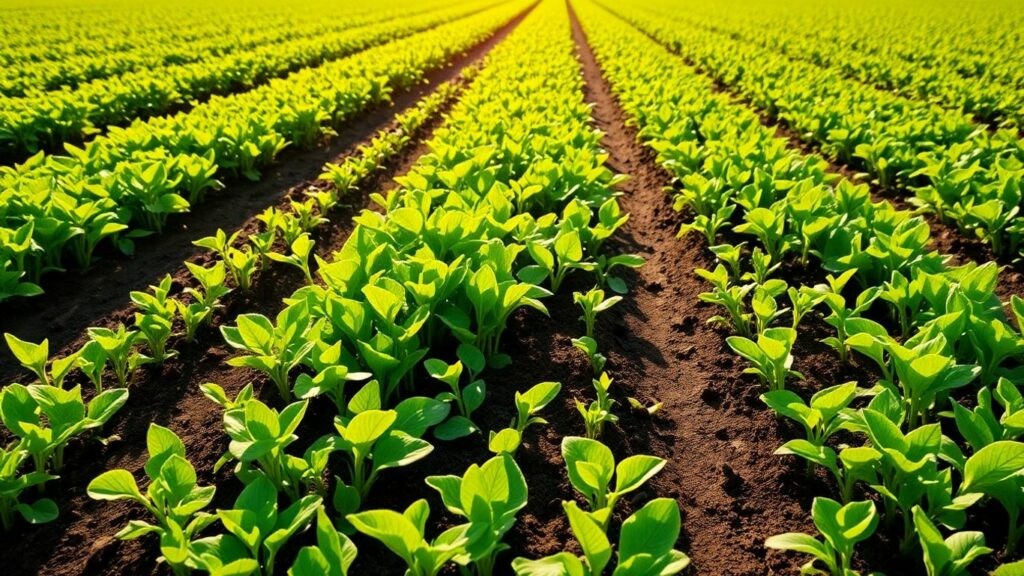
You know, sometimes the best way to help your main crops is to plant something else entirely, and that’s where cover crops come in. Think of them as the soil’s personal bodyguard. They’re basically plants you grow not to harvest, but to protect and improve the land between your main growing seasons. It’s a pretty smart way to keep things healthy.
One of the biggest jobs cover crops do is stop soil erosion. When the ground is bare, wind and rain can just wash or blow it away, taking valuable nutrients with it. Cover crops, with their roots and leafy tops, hold everything in place. They also help build better soil structure. Their roots break up compacted soil, making it easier for water and air to get in, which is good for future crops. Plus, they can really help keep weeds from taking over. Some cover crops are really good at outcompeting weeds, meaning less work for you later.
Here’s a quick rundown of what they offer:
- Erosion Control: They act like a blanket, shielding the soil from harsh weather.
- Weed Suppression: They can outgrow and crowd out unwanted plants.
- Soil Improvement: Their roots add organic matter and improve soil structure.
- Nutrient Management: Some types, like legumes, can actually add nitrogen back into the soil, which is a big win.
Choosing the right cover crop really depends on what you’re growing and your local conditions. Legumes are great for adding nitrogen, while grasses are champions at preventing erosion and smothering weeds. It’s all about finding the right fit for your farm.
6. Organic Fertilizers
When we talk about boosting crop yields, we can’t forget about feeding the soil itself. That’s where organic fertilizers come in. Instead of relying solely on synthetic materials, farmers are turning to natural materials to boost their crops’ nutrient levels. Think compost, manure, and other decomposed organic matter. These aren’t just about adding nutrients; they actually improve the soil’s structure over time.
Using organic fertilizers helps in a few key ways:
- Slow-release nutrients: Unlike synthetic fertilizers that can wash away quickly, organic options release nutrients gradually. This means plants get a steady supply, which is way better for their growth.
- Improved soil health: They add organic matter, which helps the soil hold more water and air. This is great for the tiny microbes that live in the soil and help plants thrive.
- Reduced environmental impact: By using natural materials, we cut down on the energy needed to produce synthetic fertilizers and reduce the risk of water pollution from runoff.
Some farmers are also looking at biofertilizers. These are special kinds of organic fertilizers that use living microorganisms to help plants get the nutrients they need. It’s like giving your soil a whole team of helpers to make your crops grow better and stronger. It’s a pretty smart way to work with nature instead of against it.
7. Indoor Vertical Farming
Imagine growing fresh produce right in the middle of a city, or even inside a building, without needing a huge plot of land. That’s the basic idea behind indoor vertical farming. It’s a pretty neat way to grow food using stacked layers, often in controlled environments like warehouses or shipping containers. This method is a big deal for sustainable food growing because it uses way less space than traditional farming.
Instead of soil, many vertical farms use hydroponics (growing plants in nutrient-rich water) or aeroponics (misting plant roots with water and nutrients). This means you can grow crops year-round, no matter what the weather is doing outside. Plus, these systems can use up to 70% less water compared to field farming, which is a huge win for conservation. It also reduces transportation costs, since farms can be located closer to where people live.
Here’s a quick look at why it’s gaining traction:
- Space Efficiency: Stacking growing areas vertically lets you produce much more food in a small footprint.
- Resource Conservation: Significantly less water is used, and there’s less need for pesticides since the environment is controlled.
- Year-Round Production: Crops aren’t dependent on seasons or weather, leading to a consistent supply.
- Reduced Transportation: Farms can be set up in urban areas, reducing food miles and spoilage.
8. Agroforestry
Agroforestry is basically farming that mixes trees and shrubs with crops or livestock. Think of it as a more natural way to farm, bringing together different parts of an ecosystem right onto your fields. It’s not just about planting trees randomly; it’s a planned system.
One of the big pluses is how it helps the environment. The trees can protect the soil from washing away when it rains hard, and they help the ground hold onto water better, which is a lifesaver during dry spells. Plus, having trees around means more homes for helpful bugs and birds that can actually help your crops by eating pests. Some trees even pull nitrogen from the air and put it into the soil, acting like a natural fertilizer. This can really cut down on how much extra fertilizer you need to buy.
Here’s a quick look at what makes agroforestry work:
- Biodiversity Boost: More plant and animal species living together means a healthier farm.
- Soil Health: Reduced erosion and better water retention are huge wins for long-term farming.
- Nutrient Cycling: Trees can bring nutrients up from deep in the soil or fix nitrogen, feeding your crops.
- Microclimate Regulation: Shade from trees can keep crops cooler and reduce water loss from the soil surface.
It takes some planning, of course. You have to figure out which trees work best with your crops and how to space them so they don’t compete too much for sunlight or water. But when you get it right, trees and crops can actually help each other, leading to better overall harvests. It’s a smart way to farm that’s good for the land and your bottom line.
9. Tire Pressure Management in Agriculture
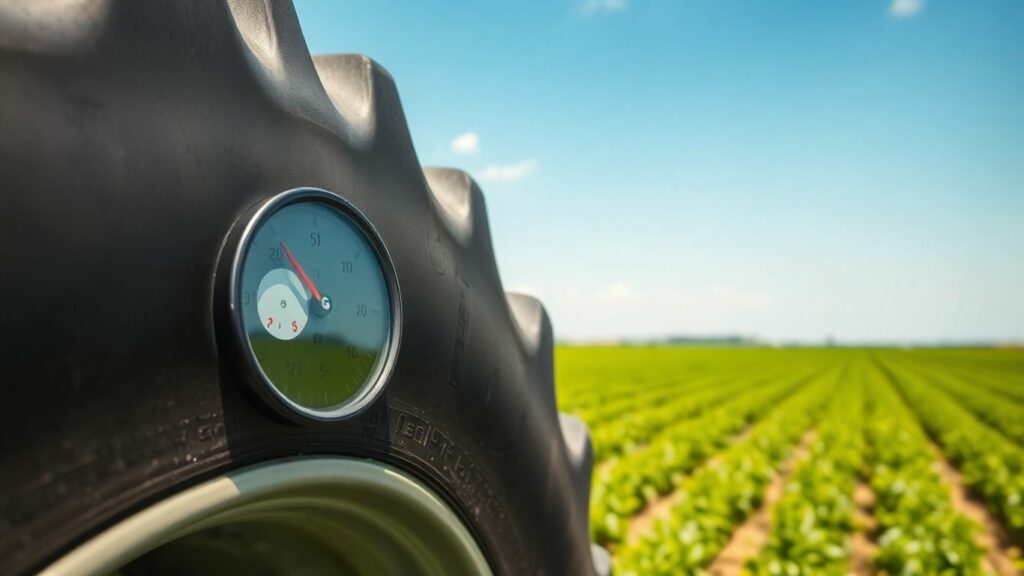
You know, it’s funny how something as simple as tire pressure can make such a big difference on a farm. We spend so much time thinking about the soil, the seeds, the weather, but sometimes the most overlooked things are right under our noses – or rather, under our tractors. Getting the tire pressure just right isn’t just about making the ride smoother; it’s a pretty smart move for your fields and your wallet.
When your tractor tires are inflated correctly, they spread the weight of the machinery more evenly. This means less of that heavy soil compaction that can really hurt your crops down the line. Think of it like walking on snowshoes versus regular boots – snowshoes spread your weight out, so you don’t sink as much. Same idea, but for your fields. Plus, when tires are properly inflated, they roll more easily. This can lead to some noticeable savings on fuel, which, let’s be honest, is always a good thing.
Here’s a quick rundown of why it matters:
- Less Soil Compaction: This is a big one. Compacted soil makes it harder for roots to grow and for water to soak in. Proper pressure helps keep your soil loose and healthy.
- Better Fuel Efficiency: Properly inflated tires mean less rolling resistance. Your tractor doesn’t have to work as hard, which means less fuel is burned.
- Improved Traction: The right pressure can give you better grip on a variety of surfaces, whether you’re on dry soil, mud, or uneven ground.
- Longer Tire Life: Over- or under-inflated tires wear out faster. Keeping them at the recommended pressure can help them last longer, saving you money on replacements.
It might seem like a small detail, but regularly checking and adjusting your tire pressure can really add up. It’s one of those simple, low-cost changes that can have a surprisingly big impact on your farm’s overall health and productivity.
10. Advanced Field Management Strategies
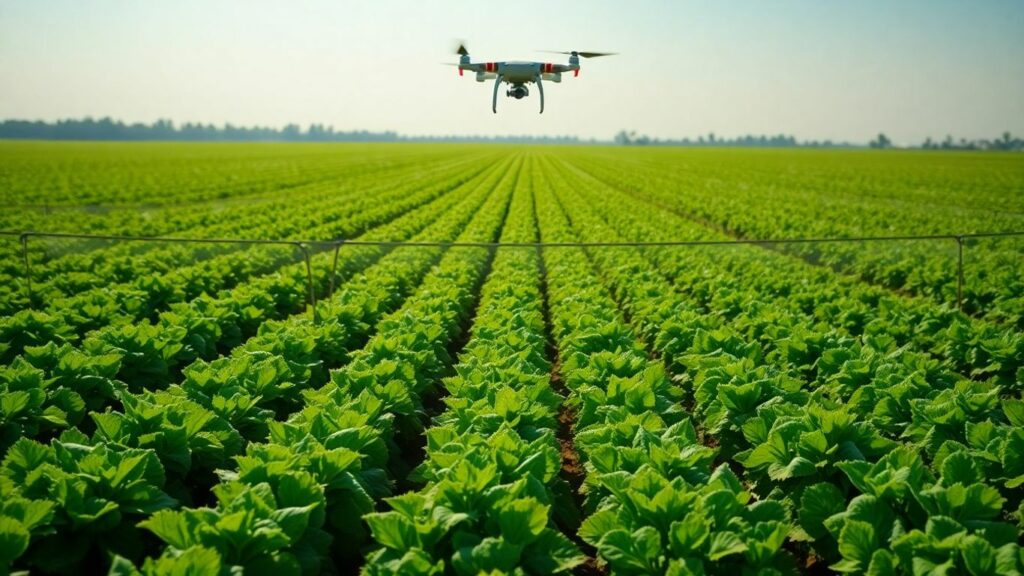
Beyond just planting and harvesting, smart field management is what really separates a good harvest from a great one. It’s about looking at the whole picture and making sure every part of your operation works together. Think of it like a well-oiled machine, but for your farm.
This involves a few key things:
- Knowing Your Soil: Regular soil testing isn’t just a suggestion; it’s a must. You need to know what nutrients are there, what’s missing, and the soil’s overall condition. This helps you avoid over-fertilizing or under-fertilizing, saving money and helping the environment.
- Planning Your Fields: Creating detailed maps of your fields, maybe even breaking them down into smaller management zones based on soil type or historical yield, lets you treat different areas differently. What works for one spot might not be best for another.
- Keeping an Eye on Things: You can’t just set it and forget it. Monitoring crop health throughout the season, watching for pests or diseases, and reacting quickly makes a big difference. This is where tools that use satellite data or AI can really help spot problems early.
- Smart Resource Use: Using technology to apply water, fertilizer, or pesticides only where and when they’re needed, rather than broadcasting them everywhere, is a game-changer. It reduces waste and makes your inputs go further.
It might sound like a lot, but these strategies help you get more out of your land year after year, making your farm more resilient and productive.
Frequently Asked Questions
What is precision agriculture and how does it help farmers?
Precision agriculture uses technologies such as GPS, sensors, and drones to manage farms more precisely. It helps farmers know exactly where and when to water, fertilize, or apply pest control, leading to less waste and better crop growth.
How do smart irrigation systems work?
Smart irrigation systems use sensors to monitor soil moisture and weather conditions. They then water the plants only when needed and in the right amount, saving water and ensuring crops get just what they need.
What is conservation tillage?
Conservation tillage is a farming method that disturbs the soil as little as possible. It involves leaving crop residues on the field to protect the soil from wind and rain, helping keep the soil healthy and preventing erosion.
Why is crop rotation important for farming?
Crop rotation is planting different crops in the same field over time. This helps prevent pests and diseases from building up, balances soil nutrients, and can even replenish the soil naturally.
What are cover crops and how do they help?
Cover crops are plants grown between the main harvest seasons to protect the soil. They prevent soil erosion, replenish soil nutrients, support weed control, and create a better environment for beneficial insects.
Can farming techniques like vertical farming really increase crop yields?
Yes, indoor vertical farming can significantly boost crop yields. By growing crops in stacked layers in a controlled environment, farmers can grow more food in a smaller space, often using less water and with faster growth cycles.
Discussion about this post