

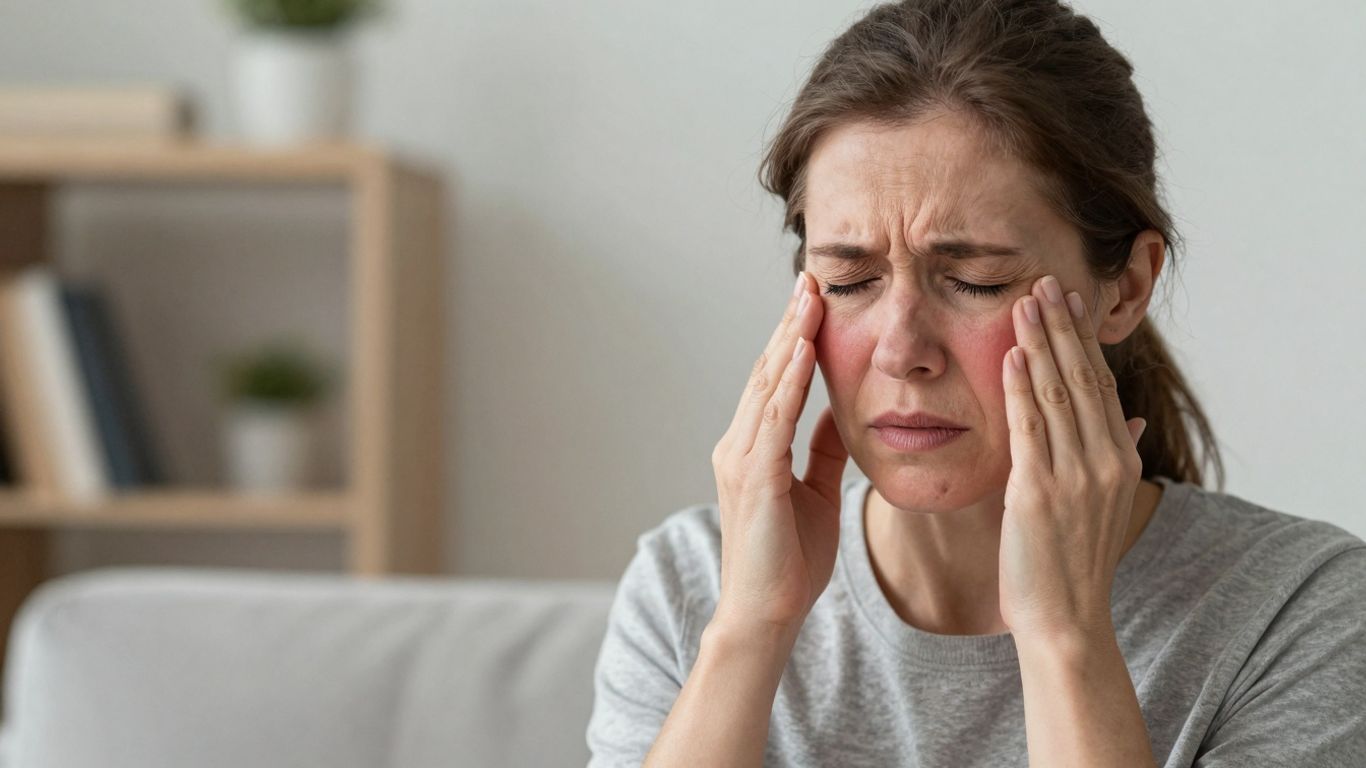

So, you’re going through some changes, huh? It feels like your body is doing its own thing lately, and maybe you’re wondering what’s up. A lot of women experience a whole bunch of different things as they get older, and it’s often tied to menopause.
It’s not just one or two little things; it can be a whole list of symptoms that pop up, sometimes when you least expect them. Let’s talk about some of the common ones and what might be going on.
Key Takeaways
- Menopause and perimenopause can bring on a wide variety of symptoms, and everyone’s experience is a bit different.
- Common signs include hot flashes, night sweats, and changes in your menstrual cycle.
- You might also notice shifts in your mood, sleep patterns, and energy levels.
- Physical changes like vaginal dryness, joint pain, and even skin or hair alterations can occur.
- Knowing these potential Menopause Symptoms can help you prepare and find ways to manage them effectively.
1. Hot Flashes
Okay, let’s talk about hot flashes. These are probably one of the most talked-about signs of perimenopause, and for good reason. They can just hit you out of nowhere, right? One minute you’re fine, the next you feel like you’re overheating, your face and chest get all red, and you start to sweat.
Sometimes you even get chills afterward. It’s all tied to the hormonal changes during menopause, especially the dips in estrogen, which mess with your body’s thermostat. These aren’t just a minor annoyance; hot flashes and night sweats can really disrupt your day and your sleep.
It’s not just about feeling hot, though. Some women also experience a racing heart or feel a bit dizzy during an episode. The frequency can vary a lot – some might get a few a week, while others have several in an hour. It really depends on where you are in the menopausal transition.
Here are a few things that might help when you’re dealing with them:
- Dress in layers: This way, you can easily shed clothing when you feel a flash coming on.
- Keep cool: Have a fan nearby, drink cold water, and try to avoid hot drinks or spicy foods that can trigger them.
- Mindfulness and breathing: Some studies suggest that slow, deep breathing exercises can help reduce the intensity and frequency of hot flashes.
- Identify your triggers: Pay attention to what seems to set them off for you. Common culprits include stress, caffeine, alcohol, and even certain fabrics.
When it comes to managing the menopausal transition, understanding these symptoms is key. While there’s no magic bullet, exploring options like hormone therapy or looking into natural remedies for menopause relief can make a big difference for many women. It’s always a good idea to chat with your doctor about what might be best for you.
2. Night Sweats
Night sweats are basically hot flashes that decide to show up when you’re trying to sleep. It’s like your body’s thermostat goes haywire in the middle of the night, leaving you waking up feeling like you’ve run a marathon, drenched in sweat. This can really mess with your sleep, and honestly, who needs that on top of everything else?
These aren’t just a minor inconvenience; they can seriously disrupt your rest, leading to fatigue and making it harder to function the next day. It’s thought that the drop in estrogen levels plays a role, affecting the part of your brain that controls body temperature. It’s a common symptom, and many women experience it during perimenopause and menopause.
Here’s a bit more about what happens:
- Sudden Heat: You might feel a wave of intense heat spread through your body.
- Profuse Sweating: This is the main event – waking up soaked.
- Chills: Sometimes, after the sweating stops, you can get a sudden chill.
- Sleep Disruption: Waking up multiple times can lead to insomnia and feeling exhausted.
While they can be really bothersome, there are ways to manage them. Keeping your bedroom cool, wearing breathable sleepwear, and avoiding triggers like spicy food or alcohol before bed can sometimes help. If they’re really impacting your sleep and well-being, it’s definitely worth talking to your doctor about potential solutions.
3. Irregular Periods
Okay, so your period used to be pretty predictable, right? You could almost set your watch by it. Well, get ready for things to get a little… interesting. During perimenopause, those regular cycles start to go off the rails. It’s all thanks to those fluctuating hormone levels, especially estrogen and progesterone, which are doing a bit of a dance.
What does this actually look like? It can mean a lot of different things. Your period might suddenly become much lighter than usual, or it could be super heavy, making you feel like you need to change your protection constantly. The length of your cycle can also change – maybe it comes every two weeks, or maybe it skips a month entirely.
Spotting between periods is also super common. It’s like your body is trying to figure out what it’s doing, and honestly, it can be pretty confusing and sometimes a bit of a hassle to deal with.
Here’s a quick rundown of what you might notice:
- Heavier or Lighter Flow: One month it’s a deluge, the next it’s barely there.
- Changes in Cycle Length: Periods might come closer together or be further apart than you’re used to.
- Spotting: Little bits of bleeding between your actual periods.
- Longer or Shorter Periods: Your usual duration might suddenly shift.
It’s a sign that your reproductive system is transitioning, and while it can be annoying, it’s a normal part of the process leading up to menopause.
4. Mood Changes
It’s not just your body that feels like it’s going through a revolution during menopause; your emotions can get pretty wild too. You might find yourself feeling more irritable than usual, snapping at people over little things, or just generally feeling on edge. This can be super frustrating, both for you and for those around you. Sometimes it feels like you’re on an emotional rollercoaster, with highs and lows that can be hard to predict.
These mood swings aren’t just random. They’re often linked to the fluctuating hormone levels, especially estrogen, which plays a role in regulating mood. Add in the stress of life, lack of sleep from other symptoms, and maybe even worries about aging, and you’ve got a recipe for emotional turbulence. It’s common to experience:
- Increased irritability and impatience
- Feelings of anxiety or being overwhelmed
- Sudden sadness or tearfulness
- A dip in motivation or feeling down
It can feel isolating when you’re experiencing these shifts, but remember, you’re definitely not alone. Many women go through this. Talking about it, whether with friends, family, or a professional, can make a big difference. Sometimes, simple lifestyle adjustments like regular exercise, a balanced diet, and making time for relaxation can help smooth out some of these emotional bumps.
5. Breast Soreness
You know, it’s funny how our bodies keep surprising us. One minute things feel pretty normal, and the next, you’re dealing with a whole new set of quirks. Breast soreness is one of those things that can pop up during perimenopause and menopause, and it might feel a bit different from the usual pre-period tenderness.
This discomfort can show up in one breast or both, and it’s not always just a dull ache. Some people describe it as a sharp pain, while others feel a throbbing or even a burning sensation. It’s thought that the hormonal roller coaster, especially the fluctuations in estrogen, plays a big role here. These changes can make breast tissue more sensitive.
It’s really important to pay attention to your breasts. While this soreness can be a normal part of the menopausal transition, any new lumps, changes in skin texture, or persistent pain that worries you should definitely be checked out by your doctor. They can help figure out what’s going on and make sure everything is okay.
6. Decreased Libido
It’s pretty common for women to notice a dip in their sex drive as they go through menopause. This isn’t just in your head; it’s a real physical change. Hormonal shifts, especially the drop in estrogen and testosterone, play a big role here. These hormones are linked to sexual desire and arousal, so when they decrease, so can your interest in sex.
Beyond the hormones, other menopause symptoms can also put a damper on your libido. Things like vaginal dryness, which can make sex uncomfortable, or fatigue and mood changes can really take the wind out of your sails. It’s a bit of a domino effect, really. If you’re not feeling well physically or emotionally, your desire is likely to follow suit.
It’s not all doom and gloom, though. There are ways to address this. Open communication with your partner is key. Sometimes, just talking about it can make a difference. For physical discomfort, like vaginal dryness, there are treatments available, such as lubricants or hormone therapy, that can make intimacy more comfortable again. Focusing on overall well-being, like getting enough sleep and managing stress, can also help boost your energy and, in turn, your libido.
7. Vaginal Dryness
As estrogen levels dip during menopause, the tissues in the vagina can become thinner and less elastic. This often leads to a feeling of dryness, which can be uncomfortable and even painful. It’s not just about feeling dry, though. This change can make sex uncomfortable or even painful, which is a bummer for sure. It can also make you more prone to things like urinary tract infections (UTIs) because the vaginal environment changes.
It’s a pretty common issue, so you’re definitely not alone if you’re experiencing this. The good news is there are ways to manage it.
Here are a few things that can help:
- Lubricants: Over-the-counter lubricants can provide immediate relief during sexual activity. Look for water-based options to avoid irritation.
- Moisturizers: Vaginal moisturizers can be used regularly, a few times a week, to help maintain moisture in the vaginal tissues. They work differently than lubricants and provide longer-lasting hydration.
- Hormone Therapy: For more persistent dryness, your doctor might suggest local estrogen therapy, like vaginal creams, rings, or tablets. These deliver a small amount of estrogen directly to the vaginal tissues, which can help restore moisture and elasticity. Systemic hormone therapy (pills or patches) can also help, but it’s usually considered for more widespread menopausal symptoms.
Don’t hesitate to talk to your doctor about this. They can help figure out the best approach for you, and there are effective solutions available.
8. Headaches
You know, it’s funny how things change as we get older. One minute you’re fine, and the next, BAM, a headache hits. For many women going through perimenopause and menopause, headaches can become a real unwelcome guest. It’s often linked to those wild estrogen level fluctuations. Think of it like your body’s way of reacting to the hormonal roller coaster.
These aren’t always your typical tension headaches either. Some people report experiencing more migraines, which can be pretty disruptive. It’s kind of similar to the headaches some of us get before our period, but during menopause, the hormone levels are all over the place, making it a bit more unpredictable.
Here are a few things that might be going on:
- Estrogen Drops: When estrogen levels dip, it can affect blood vessels in the brain, potentially triggering a headache.
- Hormonal Swings: Unlike the more predictable cycle before menopause, perimenopause brings unpredictable ups and downs in hormones, which can be a headache trigger.
- Migraine Sensitivity: Some women who never had migraines before might start getting them, or existing migraines could change in pattern.
It’s a good idea to keep a headache diary. Note when they happen, how bad they are, and what else is going on with your body. This can help you and your doctor figure out what might be causing them and how to manage them better. Sometimes, simple lifestyle tweaks can make a difference.
9. Recurring UTIs
It’s not just you; many women find they’re dealing with more urinary tract infections (UTIs) as they go through menopause. This is largely because of the drop in estrogen. Think of estrogen as helping to keep the vaginal tissues healthy and robust.
When estrogen levels decrease, these tissues can become thinner and drier. This change can make it easier for bacteria to take hold and cause an infection. A UTI is considered recurrent if you have three or more in a year, or two within a six-month period.
What can you do about it?
- Probiotics: These can help maintain a healthy balance of bacteria in your body, which might reduce the risk of UTIs.
- Cranberry Juice or Supplements: While the science is still debated, some women find that regular cranberry consumption helps.
- D-Mannose: This is a type of sugar that some studies suggest can prevent certain bacteria from sticking to the urinary tract walls.
It’s always a good idea to chat with your doctor about frequent UTIs. They can help figure out the best treatment and prevention plan for you.
10. Insomnia
Ugh, sleep. Remember when it used to be easy? For so many of us going through perimenopause and menopause, a good night’s sleep feels like a distant memory. It’s not just you; studies show that a significant chunk of women in this phase experience sleep disruptions. This can be a real kicker because, well, not sleeping makes everything else feel harder.
Why does this happen? A couple of hormones that usually help us snooze, like estrogen and progesterone, start doing their own thing – meaning, they dip. Plus, stress from life in general, and other menopause symptoms like those dreaded night sweats, can really mess with your ability to drift off and stay asleep. It’s like your body’s internal clock gets a bit wonky.
So, what’s going on when you’re staring at the ceiling at 3 AM?
- Trouble Falling Asleep: Your mind might be racing, or you just can’t seem to switch off.
- Waking Up Frequently: This could be due to hot flashes, needing to use the restroom, or just a general restlessness.
- Feeling Unrested: Even if you think you slept, you wake up feeling like you haven’t slept at all.
It’s a frustrating cycle, right? You’re tired because you didn’t sleep, but then you’re too wired or uncomfortable to actually sleep. It’s a common complaint, and definitely one of the more draining symptoms to deal with.
11. Fatigue
Feeling wiped out is a really common complaint during menopause. It’s more than just needing an extra cup of coffee; it’s a bone-deep exhaustion that can make even simple tasks feel like climbing a mountain. You might think it’s just because you’re not sleeping well, and that’s definitely a big part of it. Waking up multiple times a night, even if you don’t fully remember it, really takes a toll. But it’s not just sleep.
The hormonal rollercoaster itself, with estrogen and progesterone dipping, can directly zap your energy. Plus, as if that wasn’t enough, stress hormones like cortisol can get out of whack, making you feel wired but tired, especially at bedtime. It’s a tricky cycle.
Here’s a breakdown of why you might be feeling so drained:
- Sleep Disturbances: Night sweats and general insomnia mean less restorative sleep.
- Hormonal Shifts: Lower estrogen and progesterone levels directly impact energy.
- Increased Stress Hormones: Cortisol can interfere with sleep and energy levels.
- Life Stressors: Juggling work, family, and other responsibilities adds to the exhaustion.
It’s important to remember that this fatigue isn’t just in your head. It’s a real physical symptom that can affect your daily life, your mood, and your ability to get things done. Trying to push through it without addressing the underlying causes often just makes it worse.
12. Joint Pain
Oh, the aches and pains. It feels like overnight, your body just starts to creak and groan, doesn’t it? Joint pain is a really common complaint during menopause, and it’s not just in your head. Estrogen plays a role in keeping inflammation down and your joints lubricated, so when those levels start to drop, things can get stiff and sore.
It’s not just a little stiffness either. Some women report feeling like they have arthritis, with pain in their hands, wrists, hips, and knees. It can make everyday tasks feel like a chore. You might notice it more in the morning, or after you’ve been sitting for a while. It’s like your body is reminding you that things are changing.
Here’s a bit more about what’s happening:
- Hormonal Shifts: The main culprit is the decline in estrogen. This hormone helps reduce inflammation and keeps the cartilage in your joints healthy and flexible. Less estrogen means more inflammation and less lubrication.
- Wear and Tear: Let’s be honest, our joints have been through a lot over the years. Menopause often coincides with age-related changes, so the natural wear and tear can become more noticeable.
- Other Factors: Things like stress, diet, and how much you move can also influence how much you feel joint pain.
What can you do about it?
- Stay Active: It sounds counterintuitive when you’re hurting, but gentle exercise like walking, swimming, or yoga can actually help. It keeps your joints moving and can strengthen the muscles around them, offering support.
- Manage Inflammation: Think about your diet. Some foods can increase inflammation, while others can help reduce it. Things like fatty fish, fruits, and vegetables are good choices.
- Talk to Your Doctor: If the pain is really bothering you, don’t just tough it out. Your doctor can discuss options, which might include pain relievers, physical therapy, or even hormone replacement therapy (HRT) if it’s right for you.
13. Bloating
Ever feel like you’ve swallowed a balloon? That uncomfortable, full feeling in your abdomen, often accompanied by gas and cramps, is bloating, and it’s a common complaint during menopause. As estrogen levels dip, it can mess with your digestive system. Think of estrogen as a helpful manager for your gut; when it’s not around as much, things can get a bit chaotic.
This hormonal shift can affect the balance of bacteria in your gut, leading to increased gas and a general sense of fullness. It’s not just about what you eat anymore; your body’s internal workings are changing. You might find yourself feeling bloated even when you haven’t eaten much, or noticing that certain foods you used to tolerate now cause issues.
Here’s a quick look at what might be happening:
- Hormonal Fluctuations: Declining estrogen can directly impact digestion.
- Gut Flora Changes: The balance of good and bad bacteria in your intestines can shift.
- Slower Digestion: Sometimes, the digestive process itself can slow down.
It’s frustrating, for sure, but understanding that it’s a physical change related to menopause can help. Sometimes, simple dietary adjustments or stress management techniques can make a difference. Paying attention to how different foods affect you is key.
14. Weight Gain
It’s a common complaint, isn’t it? That feeling like your body is betraying you by adding pounds, especially around the middle, even when you swear you haven’t changed a thing. This is super common during perimenopause and menopause.
As estrogen levels drop, your metabolism can slow down. Think of it like your body needing fewer calories than it used to. Plus, where your body decides to store that fat can shift, often leading to more of it settling around your abdomen – sometimes called the ‘meno belly’.
It’s not just hormones, though. Life stress, less sleep, and maybe not moving as much as you used to can all play a part. It can feel really frustrating because it doesn’t always feel like your fault.
Here’s a quick look at what might be happening:
- Slower Metabolism: Your body burns fewer calories at rest.
- Fat Redistribution: Fat tends to gather more around your waist.
- Hormonal Shifts: Estrogen decline is a major player.
- Lifestyle Factors: Stress, sleep, and activity levels matter.
It’s a tricky situation, and many women find themselves battling this change. It’s not about willpower; it’s about your body going through a significant transition.
15. Brain Fog
Ever feel like your brain is wading through thick fog? That’s a pretty common way to describe what many women experience during menopause, and it’s often called ‘brain fog.’ It’s not just about forgetting where you put your keys (though that happens too!). It’s more like a general fuzziness, a struggle to concentrate, and a feeling that your thoughts are moving in slow motion.
This can be really frustrating. You might find yourself staring at a computer screen, unable to focus on the task at hand, or struggling to find the right words in a conversation. It can even make simple things feel like a huge effort. It’s easy to dismiss it as just being busy or stressed, but for many, it’s a very real symptom tied to the hormonal shifts happening in their bodies.
Here are some ways brain fog can show up:
- Difficulty concentrating: You might find it hard to focus on reading, watching a movie, or even a conversation.
- Word retrieval issues: Ever search for a word you know you know, but it just won’t come? That’s a classic brain fog moment.
- Forgetfulness: Misplacing items, forgetting appointments, or struggling to recall recent events.
- Feeling overwhelmed: Even familiar tasks can feel daunting when your brain isn’t working at its usual speed.
It’s thought that the drop in estrogen levels plays a big role here, as estrogen affects brain function. Plus, things like poor sleep and increased stress, which are also common during this time, can make the fog even thicker. It’s a tough one, but knowing it’s a symptom and not just ‘you’ can be the first step to managing it.
16. Anxiety
It’s not just you. Many women find themselves feeling more anxious during menopause. This can pop up out of nowhere, sometimes feeling like a constant hum of worry, other times hitting you with a sudden wave of panic. Hormonal shifts are a big player here, messing with the brain chemicals that keep us feeling calm.
It’s also easy for anxiety to get worse when you’re already dealing with other menopause symptoms. Think about it: not sleeping well, feeling physically uncomfortable with hot flashes, or just the general stress of life changes can all pile up and make anxiety feel much bigger.
Here are a few things that can contribute to or worsen anxiety during this time:
- Hormone fluctuations: Estrogen and progesterone levels go up and down, and these changes can affect your mood and stress response.
- Sleep disturbances: When you’re not getting enough restful sleep, your ability to cope with stress takes a nosedive.
- Other menopause symptoms: Dealing with things like hot flashes, fatigue, or body aches can naturally make anyone feel more on edge.
- Life transitions: Menopause often happens during a busy time of life, with career changes, kids leaving home, or caring for aging parents, all of which add stress.
If anxiety is really getting you down, talking to your doctor is a good first step. They can help figure out if it’s related to menopause and discuss options like hormone therapy, lifestyle changes, or even therapy to help you manage these feelings.
17. Depression
It’s not uncommon for women going through menopause to feel a bit down. Sometimes, it’s more than just feeling ‘meh’; it can actually be depression. This can happen for a few reasons. Your hormone levels are all over the place, and that can mess with your brain chemistry, affecting your mood. Plus, if you’re not sleeping well because of other symptoms like hot flashes or night sweats, that’s going to take a toll on how you feel, too.
It’s also worth remembering that menopause is a big life change. For some, it can bring up feelings about aging, identity, or even grief, which can contribute to feeling depressed. It’s not just about the hormones; it’s the whole package.
Here are some things that might signal depression during this time:
- Persistent sadness or a feeling of emptiness.
- Loss of interest in activities you used to enjoy.
- Changes in appetite or weight (either gaining or losing).
- Trouble sleeping or sleeping too much.
- Feeling tired and having low energy.
- Difficulty concentrating or making decisions.
- Thoughts of death or suicide.
If you’re experiencing these feelings, please talk to your doctor. There are treatments that can help, like therapy or medication, and they can make a real difference. You don’t have to go through this alone.
18. Memory Lapses
Ever find yourself walking into a room and completely forgetting why you went in there? Or maybe you’re mid-sentence and the word you need just vanishes. Yeah, that’s a common one during menopause. It’s like your brain is playing hide-and-seek with your thoughts.
This can be super frustrating, and honestly, a little worrying. You might start questioning if something more serious is going on, especially when you hear about brain fog and concentration issues. It’s true, up to 62% of women report experiencing memory changes around this time, and it’s largely linked to those fluctuating estrogen levels. Think of estrogen as a helpful assistant for your brain cells; when it dips, things can get a bit disorganized.
But it’s not just hormones. The lack of sleep many women deal with during menopause, plus any anxiety or stress you might be feeling, can also mess with your memory. It’s a bit of a perfect storm, really.
Here’s what you might notice:
- Forgetting names or common words.
- Misplacing everyday items like keys or your phone.
- Difficulty recalling recent events or conversations.
- Trouble focusing on tasks, which can lead to mistakes, even at work.
It’s important to remember that these lapses are usually temporary and tied to the menopausal transition. While it’s always good to talk to your doctor if you’re concerned, know that you’re not alone in this. Many women find that once their hormones stabilize, their memory sharpens up again.
19. Hair Loss
It’s not just your imagination if you’ve noticed more hair in your brush or on the shower floor lately. Hair thinning and loss are pretty common during menopause. This happens because your hormone levels, especially estrogen and progesterone, start to dip. These hormones play a big role in keeping your hair growing. When they drop, it can cause your hair follicles to shrink a bit. This means your hair might grow slower and shed more easily than it used to. It can feel really unsettling, and sometimes the texture of your hair can change too, becoming finer or drier.
It’s not just about losing hair, either. Some people find that hair starts to grow in places they didn’t expect, like on the face. This is also linked to those shifting hormone levels. It can be a bit of a double whammy, dealing with thinning on your head while noticing new growth elsewhere.
What can you do about it?
- Be gentle: Try to avoid harsh styling, tight hairstyles, and excessive heat. Use mild shampoos and conditioners.
- Nutrition matters: Make sure you’re getting enough protein, iron, and vitamins like biotin and vitamin D. These are all important for healthy hair growth.
- Talk to your doctor: They can help figure out if there are other underlying causes and discuss potential treatments, like topical solutions or supplements. Sometimes, hormone replacement therapy (HRT) might be an option to consider, but that’s a conversation to have with a healthcare professional.
20. Brittle Nails
You know, it’s funny how things change as we get older. One minute your nails are strong and healthy, the next they seem to be cracking and breaking if you even look at them wrong. This can be a real bummer, especially if you like to keep your nails looking nice.
So, what’s going on here? Well, during menopause, your body’s estrogen levels drop. Estrogen plays a role in keeping things like your nails healthy, and when it goes down, the keratin – that’s the protein your nails are made of – can get weaker. This makes your nails more prone to becoming brittle, dry, and prone to splitting or chipping. It’s not just about looks, either; it can be genuinely frustrating when your nails just won’t cooperate.
Here are a few things you might notice:
- Nails that split easily, especially at the tips.
- Nails that feel dry and rough.
- Increased chipping or breaking, even with minor tasks.
- A general feeling that your nails are weaker than they used to be.
What can you do about it? It’s not all doom and gloom. Taking care of your nails from the outside can help a lot. Think about using a good quality nail strengthener or a rich cuticle oil to keep them moisturized. Also, try to wear gloves when you’re doing chores that involve water or harsh chemicals, like washing dishes or cleaning the house. It might seem like a small thing, but protecting your nails can make a big difference in preventing them from getting even more damaged.
21. Acne and more
You might think acne is just for teenagers, but nope, it can pop up during menopause too. It’s often linked to those shifting hormones, especially when estrogen dips and testosterone levels seem to get a bit out of whack. This can lead to breakouts, sometimes in places you wouldn’t expect.
Beyond acne, menopause can bring a whole host of other skin changes. Your skin might feel drier and thinner, making it more sensitive. Typical acne treatments that worked before might be too harsh now. It’s a good idea to use a gentle cleanser, maybe one with salicylic acid, and avoid products that really dry out your skin. If things get really bad, talking to a dermatologist is always a smart move.
But it’s not just your skin. Some women notice changes in their mouth and teeth. Things like a burning sensation in your mouth, dry mouth, or even changes in how things taste can happen. This is also tied to those hormonal shifts affecting the tissues in your mouth. Gum issues, like gingivitis, can become more common too. So, keeping up with good oral hygiene is super important during this time.
And then there are those random, less talked-about symptoms. You might experience increased itchiness, sometimes on your scalp or other parts of your body. Some women report feeling like they’re getting electric shocks, which is a weird one, but it’s thought to be related to how hormone changes affect your nervous system. It’s a lot to deal with, and sometimes it feels like one thing after another.
Discussion about this post