

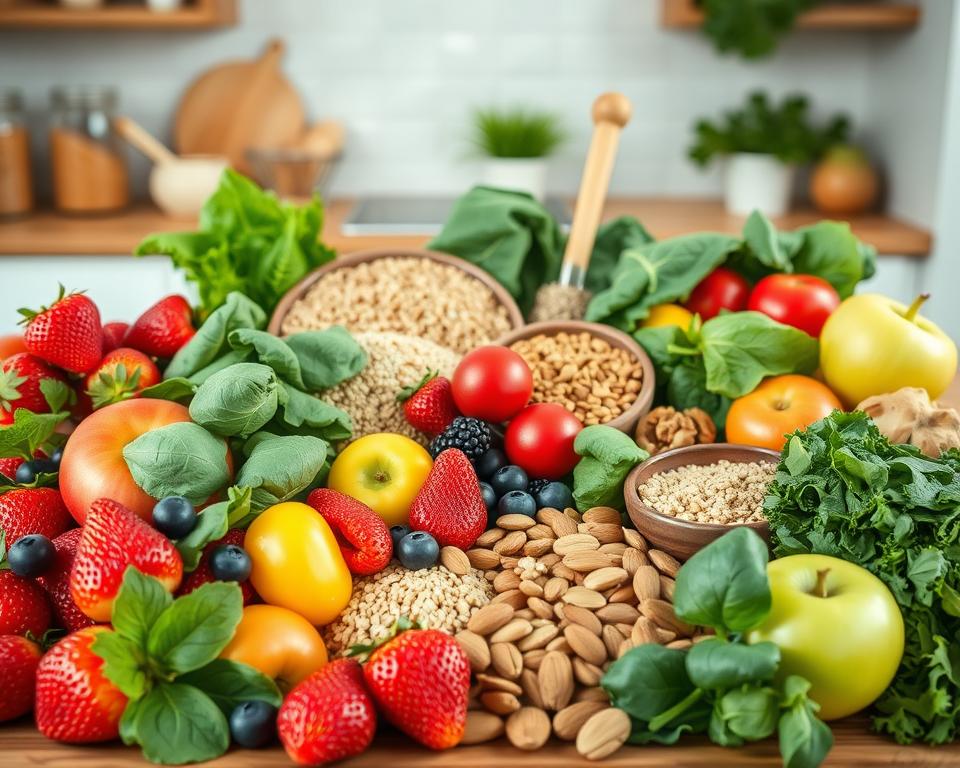

Are you looking to reduce your risk of gallbladder pain? Changing your diet can help a lot in gallstone prevention. Experts say to eat less fat and more fiber to avoid gallbladder problems.
Making smart food choices can greatly reduce your chance of getting gallstones. This article will show you which foods are good for your gallbladder and which to skip. Knowing what to eat and what to avoid is key for lifestyle changes for gallstone prevention.
By the end of this article, you’ll know how to change your diet for better gallbladder health and overall well-being.
Gallstones and Their Formation
It’s important to know how gallstones form to prevent them. Gallstones are small, hard stones that form in the gallbladder. They are often made of cholesterol or bile pigments. The gallbladder stores bile, a digestive fluid from the liver, and releases it into the small intestine to digest fats.
Gallstones form when there’s an imbalance in bile composition. This imbalance can be too much cholesterol or bilirubin, or not enough bile salts. This imbalance can cause stones to form.
Types of Gallstones
There are mainly two types of gallstones: cholesterol gallstones and pigment gallstones. Cholesterol gallstones are yellowish-green and linked to high cholesterol in the bile. Pigment gallstones are smaller and darker, made of bilirubin, and linked to certain medical conditions.
Knowing the types of gallstones helps in preventing them naturally. By understanding the risks and composition, you can make dietary changes. These changes are key for gallstone prevention tips.
The Connection Between Diet and Gallstone Prevention
What you eat can either raise or lower your chance of getting gallstones. Eating a lot of saturated fats and refined carbs can up your risk. But, a diet full of fruits, veggies, and whole grains can help keep gallstones away.
Eating foods high in fiber can lower gallstone risk. It helps with digestion and cuts down cholesterol in bile. Foods packed with antioxidants and omega-3s are also good for your gallbladder.
Some diets are better than others when it comes to avoiding gallstones. Here’s a quick guide on what to eat and what to avoid:
| Dietary Factor | Effect on Gallstone Risk |
|---|---|
| High Fiber Intake | Reduces Risk |
| High Saturated Fat Intake | Increases Risk |
| High Consumption of Refined Carbohydrates | Increases Risk |
| High Antioxidant Intake | Reduces Risk |
By choosing the right foods, you can lower your gallstone risk a lot. Focus on whole foods and cut down on processed and fatty foods. This is a smart way to prevent gallstones.
Risk Factors for Developing Gallstones
Gallstones can form due to genetics and lifestyle. Certain health conditions or family history may increase your risk.
Being overweight is a big risk factor. It can make your bile have more cholesterol, leading to gallstones. Rapid weight loss can also cause gallstones by releasing cholesterol into your bile.
- Genetics: A family history of gallstones increases your risk.
- Age and Gender: The risk increases with age, and women are more likely to develop gallstones.
- Lifestyle Factors: A diet high in fat and cholesterol, and low in fiber, can contribute to gallstone formation.
Knowing these risk factors helps you make better choices. Eating healthier and keeping a stable weight can lower your gallstone risk.
Foods That Help Prevent Gallstones
Eating foods high in fiber and lean proteins can lower your gallstone risk. Fiber helps digest nutrients, reducing gallstone formation. Include fruits like apples, berries, and pears, and vegetables like broccoli, carrots, and leafy greens in your diet. Whole grains such as brown rice, quinoa, and whole-wheat bread are also great sources of fiber.
Lean proteins are key in preventing gallstones. Eating fish like salmon and tuna, and poultry like chicken and turkey is beneficial. These foods are rich in protein but low in saturated fats, which can cause gallstones.
Adding these foods to your diet is a natural way to avoid gallstones. A balanced diet and a healthy lifestyle can greatly reduce gallstone risk. A varied diet rich in nutrients also helps prevent many diseases, including gallstones.
Choosing whole, nutrient-rich foods is a smart step towards preventing gallstones naturally. This not only keeps your gallbladder healthy but also boosts your overall health.
Foods to Limit or Avoid for Gallstone Prevention
Want to avoid gallstones? It’s key to know which foods to reduce. Some foods can raise your risk of getting gallstones.
Stay away from foods high in saturated fats like butter and lard. Also, cut down on refined carbs like white bread and sugary snacks. These can harm your health and increase gallstone risk.
| Food Category | Examples | Reason to Limit |
|---|---|---|
| Saturated Fats | Butter, lard, fatty meats | Increases cholesterol in bile |
| Refined Carbohydrates | White bread, sugary snacks | Negatively affects overall health |
| Processed Foods | Packaged snacks, processed meats | Often high in unhealthy fats and sugars |
By watching what you eat and following gallstone prevention tips, you can lower your risk. Learning how to prevent gallstones through diet is a big part of gallstone prevention measures.
The Role of Hydration in Gallstone Prevention
Drinking enough water is a simple yet effective way to prevent gallstones. Staying hydrated helps with digestion and prevents bile concentration. This can help avoid gallstone formation.
Not drinking enough water can make bile more concentrated. This increases the risk of gallstones. Adequate hydration is key for preventing gallstones.
Drinking at least eight glasses of water a day is important. This can help prevent gallstones naturally. Making hydration a priority is a big step towards reducing gallstone risk.
Effective Gallstone Prevention Strategies
To prevent gallstones, you need to make changes in your diet and daily habits. Eating a balanced diet is key to a healthy gallbladder. Eating more fiber helps digestion and lowers gallstone risk.
Eat more fruits, veggies, and whole grains to boost fiber. Also, keep a healthy weight with diet and exercise. Crash diets can raise gallstone risk, so lose weight slowly.
Changing your lifestyle is also important. Exercise regularly to keep a healthy weight and improve gallbladder function. Drinking lots of water is also key to preventing gallstones.
| Dietary Changes | Lifestyle Modifications |
|---|---|
| Increase fiber intake | Regular physical activity |
| Maintain a healthy weight | Stay hydrated |
| Avoid crash diets | Gradual weight loss |
By making these dietary and lifestyle changes, you can lower your gallstone risk a lot.
Meal Planning for Gallstone Prevention
Planning your meals is vital for preventing gallstones. Eating the right foods and avoiding harmful ones can lower your risk. This helps keep your gallbladder healthy.
A good diet should have lots of fruits, veggies, whole grains, and lean proteins. Fruits and vegetables are full of antioxidants and fiber, which fight gallstones. Try to eat foods of different colors to get all the nutrients you need.
- Include healthy fats like those found in avocados and nuts.
- Choose whole grains over refined grains.
- Opt for lean proteins like poultry, fish, and legumes.
- Limit your intake of processed and high-sugar foods.
| Food Group | Recommended Foods | Foods to Limit |
|---|---|---|
| Fruits | Apples, Berries, Citrus Fruits | Fruits in Syrup |
| Vegetables | Leafy Greens, Broccoli, Carrots | Fried Vegetables |
| Proteins | Lean Meats, Fish, Legumes | Processed Meats |
By following these tips and drinking plenty of water, you can make a meal plan that helps prevent gallstones. It also supports your overall health.
Supplements and Natural Remedies for Gallbladder Health
Changing your diet is just the start. Certain supplements and natural remedies can also help keep your gallbladder healthy. Adding these to your daily routine may help prevent gallstones.
Vitamin C might lower gallstone risk, studies say. Eating foods high in vitamin C, like citrus fruits and leafy greens, is good. You can also take supplements. Omega-3 fatty acids in fish oil may help by reducing inflammation.
Milk thistle, turmeric, and artichoke extract are other natural options. They might help your liver and gallbladder work better, which could lower gallstone risk. But, always talk to a doctor before starting any new supplements.
Using these natural remedies with a healthy diet and lifestyle can be a great strategy. Always check with a healthcare provider to find the best plan for you.
Recognizing Gallstone Symptoms and When to Seek Help
Knowing the signs of gallstones is key to getting help quickly. Look out for unusual stomach pain, nausea, or vomiting. These are common signs of gallstones.
Gallstones can cause sharp pain in the right upper or middle abdomen. This pain might come and go or stay constant. It could also spread to your back or right shoulder. If the pain is severe or doesn’t go away, you need to see a doctor.
Other symptoms include nausea, vomiting, and fever. If you’ve had gallstones before or are at risk, knowing these signs is important. By understanding how to prevent gallstones and their symptoms, you can lower your risk and get treatment fast.
To prevent gallstones, eat well, drink plenty of water, and keep your weight in check. If you’re feeling sick or worried about gallstones, talk to your doctor. They can give you advice and treatment that’s right for you.
Special Dietary Considerations for High-Risk Individuals
If you’re at risk for gallstones, changing your diet can help. This is true if you have a family history or are obese. You’ll need to be careful with your gallstone prevention diet.
High-risk people should eat a balanced diet. This includes lots of fruits, veggies, and whole grains. Foods high in fiber help digestion and lower cholesterol, which can prevent gallstones.
Also, keeping a healthy weight is key. This means eating right and exercising. Lifestyle changes for gallstone prevention include staying active and avoiding extreme diets.
There are also natural ways to prevent gallstones. Eating more healthy fats, like those in nuts and olive oil, is good. Drinking plenty of water also helps.
FAQ
What are the most effective ways to prevent gallstones through diet?
Eating a balanced diet is key. Include fruits, vegetables, whole grains, and lean proteins. Also, increase fiber and cut down on saturated fats and refined carbs.
How does hydration play a role in gallstone prevention?
Drinking enough water is vital. It helps prevent bile concentration, which can lead to gallstones.
Are there specific foods that can help prevent gallstones?
Yes, foods high in fiber like fruits, veggies, and whole grains are good. Lean proteins and healthy fats in nuts, seeds, and avocados also help.
What foods should I limit or avoid to prevent gallstones?
Avoid foods high in saturated fats like red meat and full-fat dairy. Also, limit refined carbs like white bread and sugary snacks.
Can supplements and natural remedies help support gallbladder health?
Certain supplements like vitamin C and omega-3 fatty acids might help. But, always talk to a healthcare professional before adding them to your diet.
How can I create a personalized plan for gallstone prevention?
Consider your risk factors, dietary needs, and lifestyle. Make sustainable diet changes, stay active, and keep a healthy weight.
What are the symptoms of gallstones, and when should I seek medical help?
Look out for abdominal pain, nausea, and vomiting. If symptoms are severe or last a long time, get medical help right away.
Are there any special dietary considerations for individuals at high risk of developing gallstones?
Yes, those with a family history or obesity need extra care. Focus on a balanced diet, maintain a healthy weight, and stay hydrated.
How can meal planning help with gallstone prevention?
Meal planning helps you make healthy choices and avoid bad foods. It ensures you get the nutrients you need and lowers gallstone risk.
Can lifestyle changes really make a difference in preventing gallstones?
Yes, changes like diet, exercise, and a healthy weight can greatly reduce gallstone risk.
Discussion about this post