

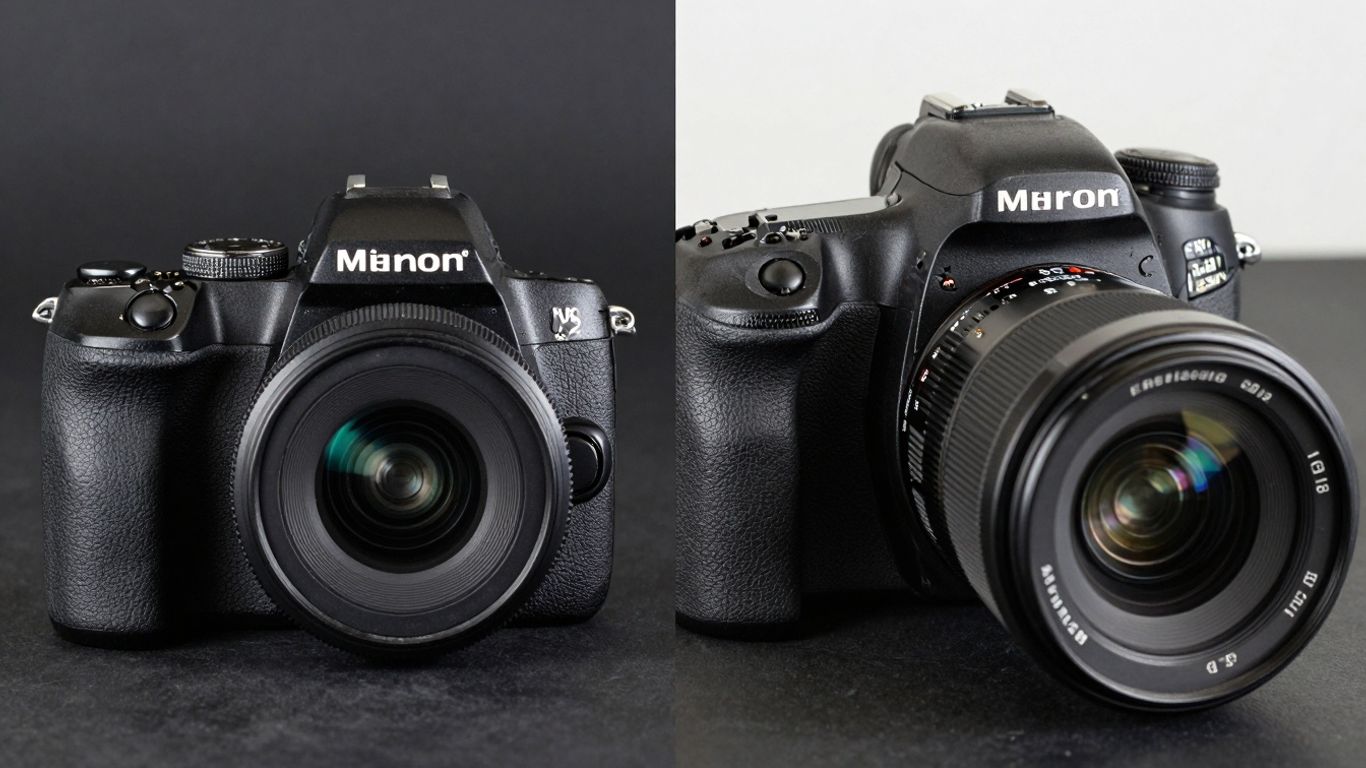

So, you’re looking to buy a new camera, and you’ve stumbled upon the age-old question: Mirrorless vs DSLR? It’s a big decision, and honestly, neither choice is wrong. Both types of cameras have their own strengths and can take amazing photos.
This guide is here to help you figure out which one best fits your style and needs, so you can stop stressing and start shooting.
Key Takeaways
- Mirrorless cameras generally offer more advanced video features and autofocus systems, making them a strong choice for content creators and videographers.
- DSLRs often have better battery life and a more robust feel, which some photographers prefer, especially when using larger lenses.
- The lens selection for DSLRs is vast due to their long history, but new lens development is heavily focused on mirrorless systems.
- Mirrorless cameras tend to be smaller and lighter, which can be a big plus for everyday carry and travel.
- For beginners on a tighter budget, DSLRs can still offer excellent value and a great entry point into interchangeable lens photography.
The Core Differences: Mirrorless vs DSLR
So, you’re looking to get a new camera, and you’ve probably heard the terms ‘mirrorless’ and ‘DSLR’ thrown around a lot. They sound similar, and honestly, they both take pictures, but some pretty big differences under the hood can really affect how you shoot and what you get. Let’s break down what makes them tick.
The Fundamental Mirror Mechanism
This is where the names come from, and it’s the biggest clue to how these cameras work. A DSLR, or Digital Single-Lens Reflex camera, has a mirror inside. When you look through the viewfinder, the mirror bounces the light from the lens up to your eye. It’s like a little periscope. The moment you press the shutter button, that mirror flips up and out of the way so the light can hit the sensor and capture the image. It’s a mechanical process that’s been around for ages.
Mirrorless cameras, as you might guess, don’t have this mirror. Instead, the light goes straight from the lens to the image sensor. What you see in the viewfinder (if it has one) or on the back screen is a digital feed directly from that sensor. This design allows for smaller, lighter camera bodies.
Viewfinder Technology: Optical vs. Electronic
Because of that mirror, DSLRs have what’s called an optical viewfinder (OVF). What you see is literally what the lens sees, in real-time, with no digital processing. Some people really love this direct, unfiltered view. It’s bright and clear, and it doesn’t use any extra battery power.
Mirrorless cameras, on the other hand, use an electronic viewfinder (EVF) or rely solely on the rear LCD screen. An EVF is essentially a tiny screen inside the viewfinder eyepiece. The big advantage here is that you see a preview of your exposure, white balance, and other settings before you take the shot. If your photo is going to be too dark or too bright, you’ll see it in the EVF. This can save you a lot of guesswork and missed opportunities, especially if you’re shooting in tricky lighting conditions or in a hurry.
Sensor Accessibility and Cleaning
Since mirrorless cameras don’t have a mirror box taking up space, the image sensor is much more exposed when you remove the lens. This can be beneficial for sensor cleaning. You can often access the sensor more directly, and many mirrorless cameras have a sensor-cleaning function that vibrates the sensor to shake off dust.
With a DSLR, the mirror mechanism sits between the lens mount and the sensor, making direct sensor access a bit more involved. Dust on the sensor can appear as small spots in your photos, especially at smaller apertures, so keeping it clean is important for both types of cameras.
Handling And Ergonomics: A Physical Comparison
When you pick up a camera, the first thing you notice is how it feels in your hands. This is where mirrorless and DSLR cameras really start to show their differences, and it can make a big impact on how you shoot.
Body Size and Grip Considerations
DSLRs often feel more substantial, with deeper grips that can feel really comfortable, especially if you have larger hands. This heft can also help balance out bigger, heavier lenses. Mirrorless cameras, on the other hand, tend to be smaller and lighter. Some people love this compact size, finding them easier to carry around all day.
However, some smaller mirrorless bodies might feel a bit cramped, especially if you’re used to a larger camera or have bigger fingers. The grip might not be as pronounced, and you might find yourself adjusting your hold more often.
Control Layout and User Interface
Think about how you like to change settings. DSLRs have been around for a while, and their button layouts are often well-established and familiar to many photographers. You’ll find dedicated buttons for common functions, which can speed things up. Mirrorless cameras sometimes take a different approach. They might have fewer physical buttons, relying more on menus or touchscreens.
While this can keep the body cleaner and more compact, it might mean more digging through menus to find what you need, or tapping on virtual buttons that can feel a bit small if you’re not careful.
Viewfinder Technology: Optical vs. Electronic
This is a big one. DSLRs use an optical viewfinder (OVF). What you see is a direct, real-time view through the lens, bounced off a mirror. It’s bright and clear, especially in good light, and some photographers feel it connects them more directly to the scene. Mirrorless cameras use an electronic viewfinder (EVF). This is essentially a tiny screen inside the viewfinder.
The advantage here is that you see a preview of your exposure before you take the shot. If you change your settings and the scene gets brighter or darker in the EVF, you know exactly what your final image will look like. This can be a huge time-saver, especially when dealing with tricky lighting. In low light, EVFs often show a much brighter, clearer image than you’d see through a DSLR’s OVF, which can get quite dim. Plus, EVFs can display additional information, such as histograms or focus aids, which are really helpful.
Balancing With Larger Lenses
If you plan on using big, professional-grade lenses, the size and weight of the camera body matter. A larger, heavier DSLR body might feel more balanced with a substantial telephoto or zoom lens. Trying to mount a big lens on a very small, lightweight mirrorless body can sometimes feel a bit front-heavy, making it less comfortable to hold and shoot with for extended periods. Some mirrorless cameras have addressed this with larger grips or battery packs, but it’s something to consider based on the lenses you intend to use.
Performance And Speed: Capturing The Moment
When you’re out shooting, especially if you’re trying to catch fast action or fleeting moments, how quickly your camera can perform is a big deal. This is where the differences between mirrorless and DSLR cameras can really show.
Continuous Shooting Capabilities
Think about shooting a bird taking flight or a race car zooming by. You want to take a bunch of pictures in quick succession to make sure you get that perfect shot. DSLRs, because of their flipping mirror mechanism, are a bit limited here. The mirror has to move out of the way for each shot, and then back again. This mechanical action takes time.
While high-end professional DSLRs can manage up to 15 frames per second (fps), most consumer models are much slower, often topping out around 6-7 fps. Mirrorless cameras, on the other hand, don’t have that mirror to worry about. Many mid-range mirrorless models can easily hit 12 fps with their mechanical shutter, and when using an electronic shutter, they can push that to 20, 30, or even 40 fps. This means you get a lot more chances to freeze that split-second action.
Autofocus Systems and Tracking
Getting your subject in focus, especially when it’s moving, is another area where these cameras differ. Older DSLRs often have AF points clustered in the center of the frame. While they have improved with features like 3D tracking, they generally can’t match the precision of modern mirrorless systems. Mirrorless cameras often use autofocus points that cover almost the entire sensor.
This means they can track a subject across the whole frame. Plus, many mirrorless cameras have advanced features like eye-detection autofocus (Eye-AF) and subject tracking that are incredibly good at locking onto a person’s eyes or a specific moving object. This makes capturing sharp shots of people, pets, or sports much easier, even with a very shallow depth of field where focus needs to be spot-on.
Silent Shooting Options
Sometimes, the sound of your camera shutter can be disruptive. Think about shooting a wedding ceremony, a quiet nature scene, or a performance. DSLRs make a distinct ‘clack’ sound when the mirror flips and the shutter fires. While some DSLRs have quieter modes, they can’t truly be silent because of that mirror.
Many mirrorless cameras, however, offer a completely silent electronic shutter option. This means you can shoot without making a sound, which is a huge advantage in situations where silence is golden. It’s like having a stealth mode for your photography.
Lens Ecosystems: Past, Present, And Future

When you’re thinking about cameras, the lenses are a huge part of the puzzle. It’s not just about the camera body itself; it’s about what you can attach to it. This is where the whole mirrorless versus DSLR thing gets really interesting, especially when you look at the lenses available now and what’s coming down the pipeline.
Legacy DSLR Lens Availability
For years, DSLRs have been the go-to. This means there’s a massive collection of lenses available to them. We’re talking about everything from super-budget, older manual-focus lenses to more advanced autofocus lenses. If you pick up a DSLR, you’ve got a huge advantage: you can often find used lenses for a steal. Seriously, you can build a really capable kit without spending a fortune. Think about it: older Nikon F-mount or Canon EF lenses can still be found, and many of them work just fine, even on newer DSLR bodies.
You might need an adapter for some mirrorless cameras, but for DSLRs, it’s usually plug-and-play. This huge selection means you can find pretty much any focal length or aperture you might need, often with great quality, without breaking the bank.
The Rise of Mirrorless Lens Design
Mirrorless cameras, on the other hand, are newer to the game, but they’re catching up fast. Because they’re designed from the ground up without that mirror box, manufacturers can create lenses that are often smaller, lighter, and sometimes optically superior. They’re also designing these lenses with modern digital sensors in mind, which can lead to sharper images and better performance.
Brands like Sony, Fujifilm, and Canon (with their RF mount) have been putting out some really impressive glass. Plus, many mirrorless systems have adopted wider mounts, allowing for faster apertures and more complex optical designs. It’s a really exciting time for lens development, and you’re seeing some truly innovative optics hitting the market.
Lens Size and Format Impact
One of the big differences you’ll notice is how lenses interact with the camera body size. Mirrorless cameras are generally smaller, which is great for portability, but it can sometimes lead to a bit of a mismatch with larger, professional-grade DSLR lenses. You might end up with a tiny camera body topped with a huge lens, which can feel a bit unbalanced.
However, the trend with mirrorless is also towards smaller, lighter lenses designed specifically for the system. For DSLRs, the larger body often handles bigger lenses more comfortably. It’s a trade-off: the vast legacy of DSLR lenses versus the cutting-edge, often more compact, designs for mirrorless. You’ll want to consider the shooting you do and how important portability is when weighing up which lens system suits you best.
Video Capabilities: A Growing Divide
When you look at video features, the gap between mirrorless and DSLR cameras has really widened. It’s not that DSLRs can’t shoot video – they absolutely can, and some of the early pioneers in video recording were DSLRs. Remember when the Nikon D90 brought HD video to the masses back in 2008? Or how the Canon EOS 5D Mark II made DSLRs a serious tool for filmmakers? Those were big moments.
Mirrorless Advantage in Video Features
But let’s be real, if video is a big part of what you do, or even just something you want to explore seriously, mirrorless cameras are where the action is. Their design is just better suited for the constant live view needed for video. Plus, camera makers are pouring all their latest video tech into mirrorless bodies. You’ll find things like higher resolutions (think 6K and 8K), RAW video, 10-bit color, and super-high frame rates are pretty much exclusive to mirrorless these days. Some mirrorless cameras are even getting Netflix accreditation for their video quality, which is pretty wild.
DSLR Video Recording Standards
Modern DSLRs are still perfectly capable for basic video needs. Many can shoot in 4K, and they generally offer a solid experience for casual video recording. If you need to grab a quick clip now and then, a DSLR will likely do the job just fine. They were the first to bring video to the consumer market, after all, and they paved the way for what we have today.
Advanced Video Formats and Frame Rates
This is where mirrorless really pulls ahead. If you’re aiming for professional-level video, or even want the most flexibility in editing, you’ll want to look at what mirrorless cameras are offering. We’re talking about internal RAW recording, 12-bit color depth, and frame rates that let you do some serious slow-motion work. While DSLRs might have been first to market with video, the innovation and development are now heavily focused on mirrorless systems. It’s where you’ll find the cutting edge for video capture.
Battery Life And Durability
Power Consumption Differences
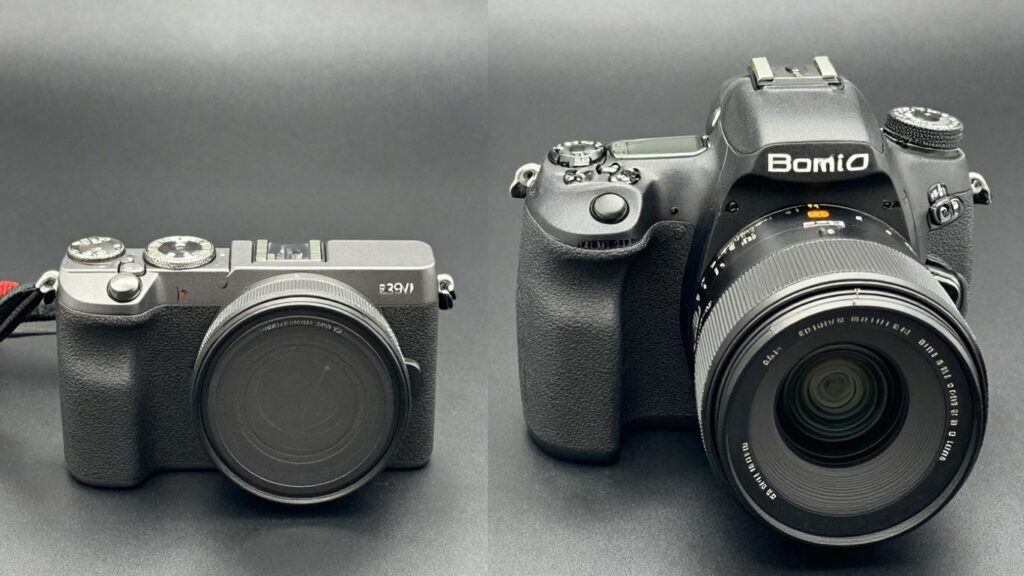
When you’re out shooting, the last thing you want is for your camera to die on you. This is where you’ll notice a pretty big difference between mirrorless and DSLR cameras. DSLRs generally have better battery life, often giving you hundreds, sometimes even thousands, of shots per charge. Think about it: the mirror in a DSLR is only up when you take a picture, and the optical viewfinder doesn’t use any power.
Mirrorless cameras, on the other hand, always use either the electronic viewfinder (EVF) or the rear screen, which really eats into the battery. Some high-end mirrorless cameras are improving, but for the most part, you’ll likely need to carry spare batteries.
Build Quality and Weather Sealing
Both types of cameras can be built tough, but there are nuances. Many DSLRs, especially higher-end models, are built like tanks and come with pretty good weather sealing, meaning you can shoot in light rain or dusty conditions without too much worry. Mirrorless cameras are catching up fast, and you can find many models with robust build quality and weather sealing, too.
However, because mirrorless cameras often have smaller bodies and more exposed electronic components, some users find them slightly more susceptible to dust entering the sensor area when changing lenses. While most cameras have built-in dust reduction systems, their effectiveness can vary. It’s always a good idea to check reviews for specific models if you plan on shooting in challenging environments.
Choosing The Right Camera For Your Needs
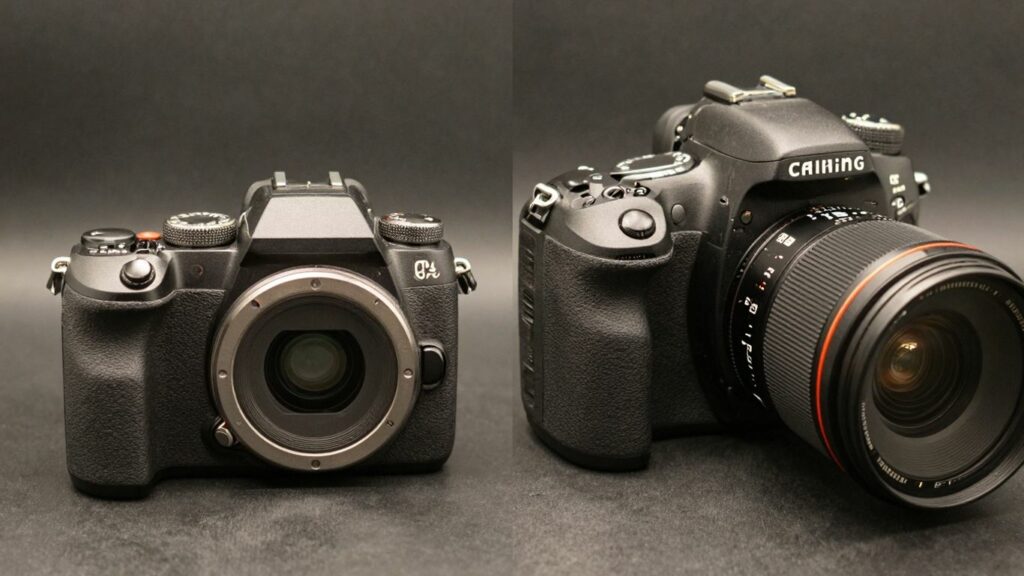
So, you’ve waded through the tech specs and the nitty-gritty details. Now comes the big question: which camera type actually fits you? It’s not about which camera is ‘better’ overall, but which one makes more sense for how you shoot and what you want to achieve. Think of this as your personal camera-buying guide for 2026.
Ideal Scenarios for DSLR Users
DSLRs still have a lot going for them, especially if you value a certain kind of shooting experience. If you like the feel of a traditional camera, the optical viewfinder (OVF) is a big draw. You see the world directly through the lens, with no electronic lag. This can be really satisfying for some photographers. Plus, DSLRs often have fantastic battery life.
You can shoot for ages on a single charge, which is a lifesaver on long days out or when you’re traveling and can’t always plug in. If you’re on a tighter budget, the used DSLR market is also incredibly strong. You can often find amazing deals on bodies and lenses that still perform brilliantly. It’s a solid choice if you want a robust, reliable camera that feels familiar and won’t quit on you.
When Mirrorless Shines Brightest
Mirrorless cameras are where most of the innovation is happening right now, and for good reason. Their biggest advantage is often the electronic viewfinder (EVF). What you see in the EVF is pretty much what you get in your final photo – including exposure and white balance adjustments. This means fewer surprises and less time fiddling with settings after the fact.
They’re also generally smaller and lighter, making them easier to carry around all day. If you’re into video, mirrorless is definitely the way to go. They tend to have more advanced video features and better autofocus for video recording. For content creators, vloggers, or anyone who needs a compact, versatile camera that’s great for both photos and video, mirrorless is often the best camera for beginners and seasoned shooters alike.
Budget Considerations for Beginners
When you’re just starting, budget is usually a big factor. Both DSLRs and mirrorless cameras come in a wide range of prices. However, you might find that entry-level DSLRs offer a lot of bang for your buck, especially on the used market.
You can get a solid kit with a lens for a few hundred dollars. Mirrorless cameras are catching up fast in the budget-friendly space, with some excellent entry-level models available. It’s worth looking at which lenses are available and how much each costs for each system, as that can add up quickly. Don’t forget to factor in memory cards, extra batteries, and maybe a bag. The goal is to get a camera that you’ll actually use and enjoy, not just one that sits on a shelf.
Discussion about this post