

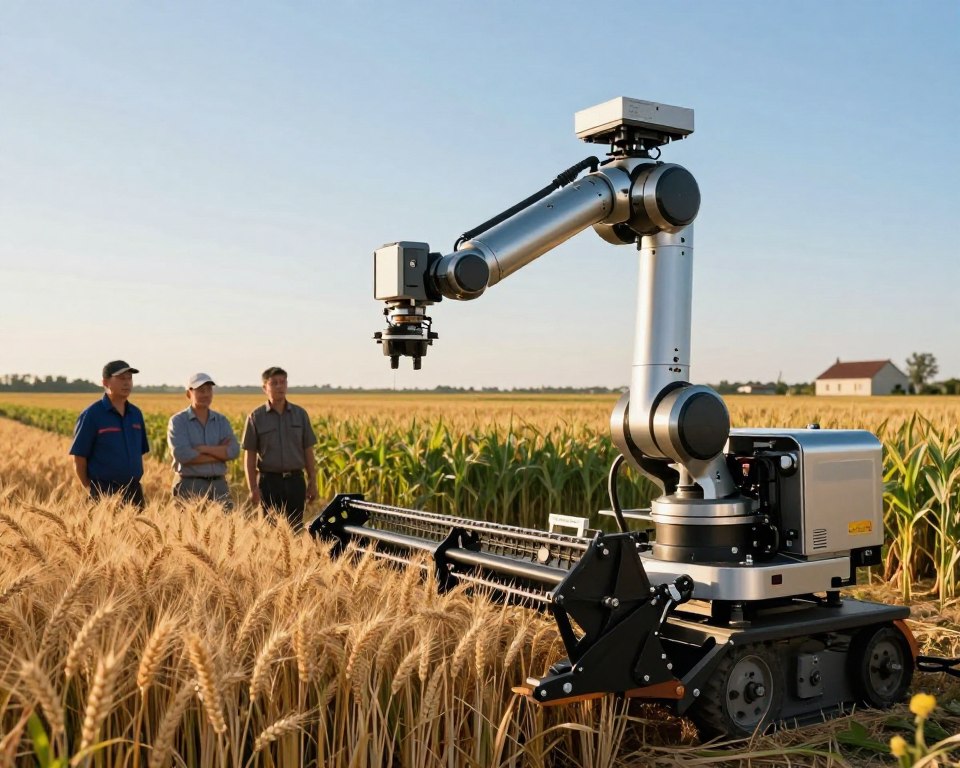

The world of farming is changing fast with automated harvesting tech. Farming is getting more mechanized, and robots are playing a bigger role.
The market for farm robots is expected to grow a lot. It will go from $13.4 billion in 2023 to $86.5 billion by 2033. This shows how important automated farming is becoming.
As farming tech advances, understanding the pros and cons of robotic harvesting is key. This article will cover the latest on robotic harvesting. It will discuss its benefits, downsides, and the costs to farmers and the entire farming industry.
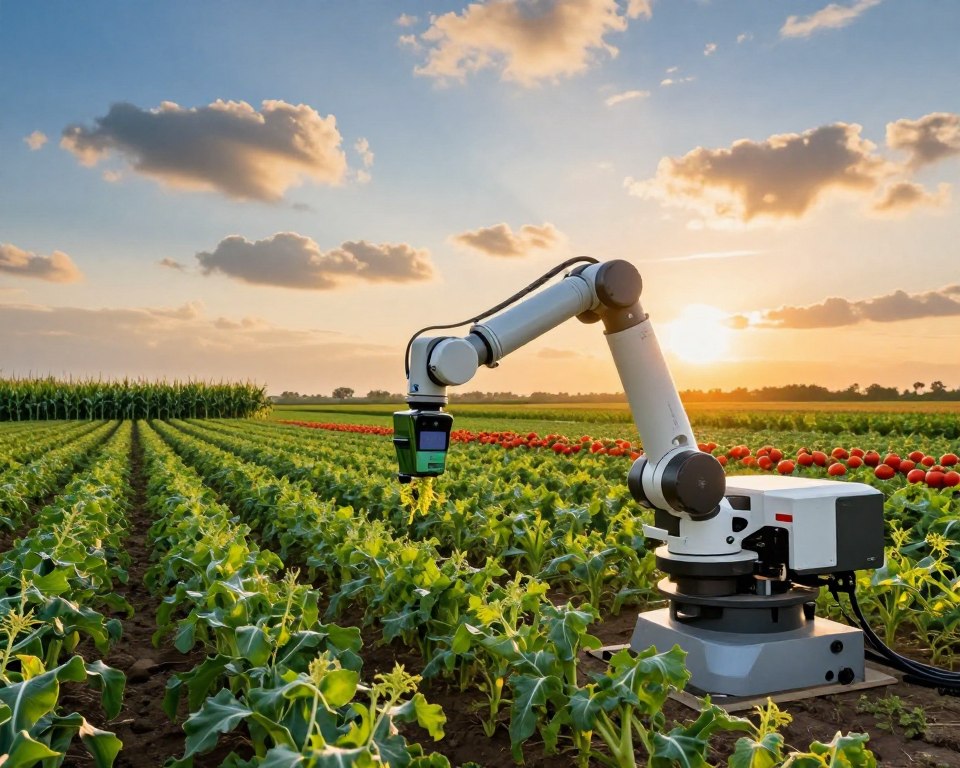
The Rise of Automation in Modern Farming
The agricultural sector is undergoing significant automation. This is to meet the growing need for food. With more people on the planet, farming needs to be more efficient and green. Farm labor shortage solutions are being found in agricultural robots.
Robots equipped with computer vision and AI can detect when crops are ready to be picked. This helps farmers get the most from their crops and reduce waste. AI is key in automated harvesting systems.
Mechanical Gripping and Picking Mechanisms
Robots can now pick up delicate produce without harming it. They use a motion that feels like a human hand. This is important for agricultural robotics.
| Technology | Application | Benefit |
|---|---|---|
| Computer Vision and AI | Crop monitoring and harvesting | Increased efficiency and accuracy |
| Mechanical Gripping and Picking | Handling delicate produce | Reduced damage and waste |
Comprehensive Cost Analysis of Robotic Harvesting
Robotic harvesting systems are expensive at first. They include the cost of robots and camera systems. But they can save money in the long run by cutting down on labor costs and boosting crop yields.
Looking at the costs of robotic harvesting, we see it’s not just the initial price. There are also ongoing costs, such as maintenance and energy. Yet the long-term savings can be significant, making it a good choice for farmers looking to save money and work more efficiently.
To reduce the initial cost, farmers can consider leasing or financing. Government incentives and subsidies can also help. By using robotic harvesting, farmers can use less manual labor, grow more crops, and stay competitive in the market.
FAQ
Q: What is robotic harvesting, and how does it work?
A: Robotic harvesting uses robots with computer vision, AI, and mechanical systems. They can spot ripe crops, move around fields, and pick them with precision. This method cuts down on labor costs and boosts efficiency.
Q: What are the benefits of using robotic harvesting systems?
A: Robotic harvesting brings many advantages. It makes farming more efficient, cuts down on labor costs, and improves crop quality. It also helps solve farm labor shortages and gives farmers valuable data to improve their farming.
Q: What are the costs associated with implementing robotic harvesting systems?
A: The cost of robotic harvesting systems depends on the technology and its scale. The initial investment is high, but the ongoing costs are lower than those of traditional farming. Long-term savings include lower labor costs, better crop yields, and less waste.
Q: Are robotic harvesting systems suitable for small-scale farmers?
A: Robotic harvesting can be a challenge for small-scale farmers due to high initial costs. But there are ways to make it more affordable. Options include leasing equipment, applying for government subsidies, or working with other farmers.
Q: How do robotic harvesting systems address crop ripeness detection?
A: Robotic harvesting uses computer vision and AI to check if crops are ripe. These technologies analyze visual data like color, texture, and size. This way, crops are picked at the best time, ensuring they are ripe.
Q: What is the role of agricultural robotics in addressing farm labor shortages?
A: Agricultural robotics, like robotic harvesting, can solve farm labor shortages. They automate tasks that humans usually do. This helps farmers keep up productivity and lessen their need for manual labor.
Discussion about this post