

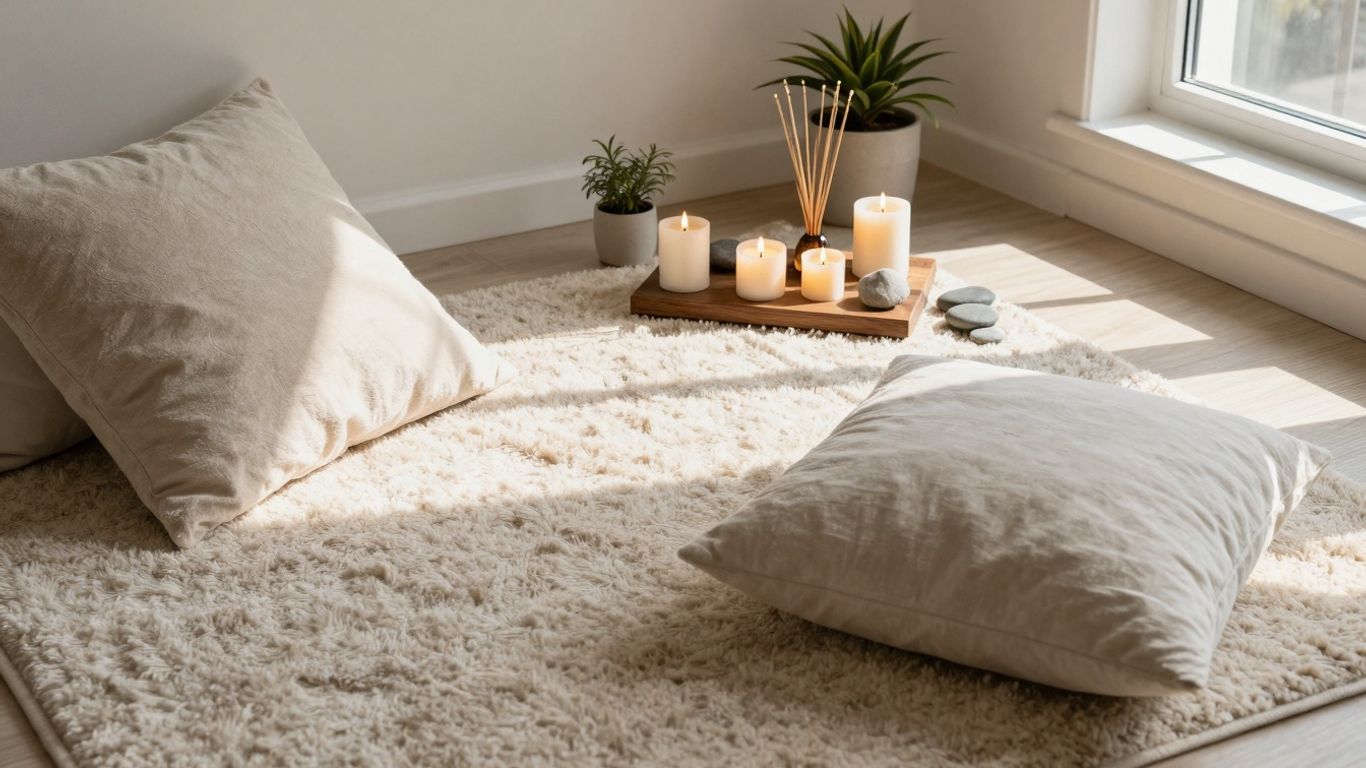

Creating a special spot at home for prayer and meditation, or Building a Meditation Space, can really make a difference in your spiritual life. It’s like having your own little haven where you can just be, away from all the noise. Whether you’re looking to connect with your faith more deeply or just find a quiet moment for yourself, a dedicated space can help. It doesn’t need to be fancy or big; it just needs to feel right for you. Let’s explore how to make that happen.
Key Takeaways
- Find a quiet, private spot in your home that feels peaceful and won’t be disturbed. This is the first step in Building a Meditation Space.
- Gather items that hold meaning for you and your beliefs. Think about symbols, texts, or objects that bring a sense of calm and spirituality.
- Pay attention to the atmosphere. Soft lighting, natural elements like plants, and calming scents can make your space more inviting.
- Make sure your space is comfortable and practical. Choose good seating and keep the area clean and organized so you can focus.
- Establish a regular routine for using your space. Even a few minutes each day can help you build a consistent practice and feel more centered.
Finding Your Sanctuary: The Foundation of Building a Meditation Space
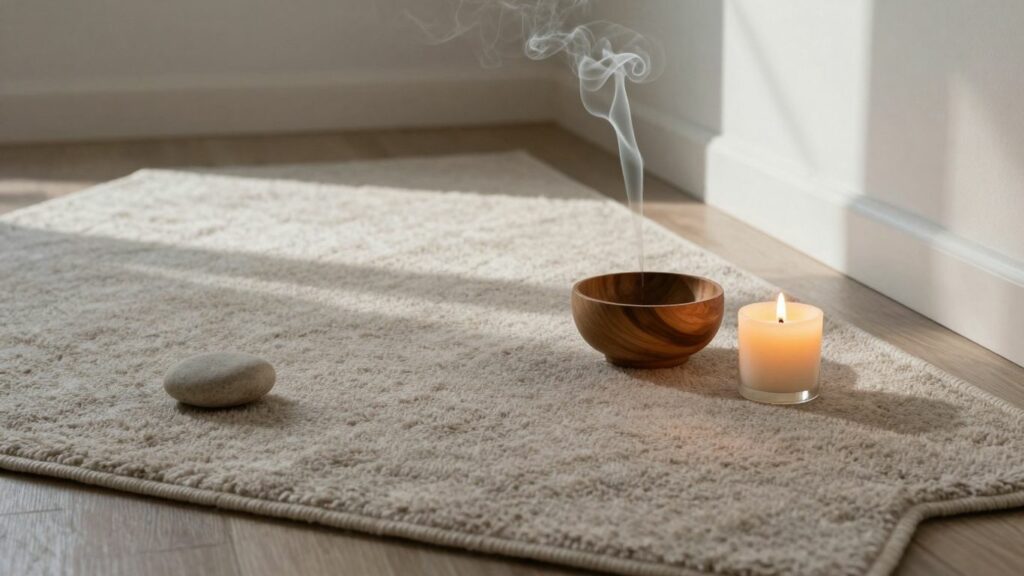
Before you can really settle into prayer or meditation, you need a spot. Think of it as your personal retreat, a place where the outside world just fades away. This isn’t about having a whole room dedicated to it, though that’s nice if you can. It’s more about finding a corner, a nook, or even just a clear surface that feels right for you. This is the first step in your home sanctuary design.
Identifying a Quiet and Private Location
This is probably the most important part. You need a place where you won’t be interrupted. That means no constant foot traffic, no loud TV in the background, and ideally, no one barging in. Consider areas that are naturally quieter in your home.
Maybe it’s a corner of your bedroom, a spare room you can claim, or even a spot on a balcony if the weather is usually calm. The goal is to minimize distractions so you can actually focus on your practice. Even a small, dedicated space can feel incredibly private if it’s set apart from the main living areas.
Considering the Size and Scope of Your Space
Don’t let the idea of a “meditation room” intimidate you. Your sacred space can be as small as a tabletop altar or as large as a dedicated corner. What matters is that it’s yours. If you only have a small apartment, creating a peaceful corner might be your best bet.
You can use a screen or a bookshelf to visually separate it from the rest of the room. If you have more space, you might consider a small rug or cushion to define the area. Think about what you need to feel comfortable and focused. Do you need to lie down, sit cross-legged, or just have a place to rest your hands?
Assessing Your Home for Potential Spots
Take a walk around your home with fresh eyes. Look for underutilized areas or spots that just feel a bit neglected. Sometimes, the perfect spot is hiding in plain sight. Think about:
- Corners: Often overlooked, corners can be easily sectioned off and made private.
- Window Nooks: A spot by a window can offer natural light and a view, which can be calming.
- Closets (if spacious): A walk-in closet can be transformed into a cozy, private retreat.
- A Small Table or Shelf: Even a dedicated surface can serve as the foundation for your sacred items.
It’s about finding a place that calls to you, a spot where you can easily establish your practice and make it a regular part of your day. This is the beginning of creating a peaceful corner that truly serves you.
Curating Your Sacred Items
Now that you’ve found your spot, it’s time to fill it with things that mean something to you. This is where you really make the space your own, a reflection of your inner world and your spiritual path. Don’t overthink it; just go with what feels right.
Selecting Objects That Resonate With Your Beliefs
Think about what brings you a sense of peace, connection, or awe. It could be something tied to your religious background, or maybe something more personal. For some, this might be a statue of a deity, a religious text, or a symbol like a cross or a Star of David. For others, it could be a smooth stone found on a meaningful hike, a photograph of a loved one, or a piece of art that speaks to your soul. The key is that when you look at it, you feel a pull towards something greater than yourself, or simply a deep sense of calm.
Incorporating Symbols of Peace and Spirituality
Symbols are powerful. They can act as anchors for your thoughts and intentions. Consider items that represent concepts like light, growth, or protection. A simple candle can symbolize light and guidance. A small plant or a sprig of greenery can represent life and renewal. You might also choose items that connect you to nature, like shells, crystals, or pieces of wood. These natural elements often carry a grounding energy that can be very helpful during meditation or prayer.
Choosing Texts for Reflection and Guidance
Having words to turn to can be incredibly helpful. This doesn’t have to be a large, imposing book. It could be a small collection of poems, a book of daily affirmations, or even a journal where you write your own thoughts and prayers. Maybe you have a favorite passage from a spiritual text that you read often. Having these words accessible in your space can provide comfort, inspiration, or a gentle nudge when you need it most. It’s like having a wise friend always nearby, ready to offer a bit of wisdom or a reminder of what’s important.
Enhancing Ambiance for Deeper Practice
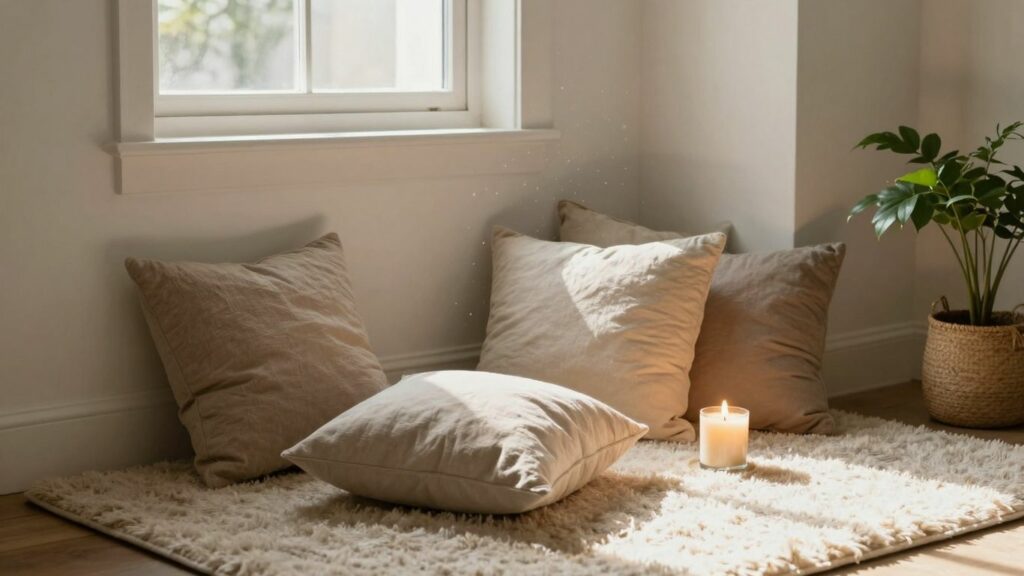
Once you’ve got your spot picked out and some meaningful items gathered, it’s time to think about how the space feels. This is where you can really make it your own and set the stage for some serious peace and quiet.
The Role of Lighting in Creating Mood
Lighting can totally change a room, right? For your sacred space, think soft and gentle. Harsh overhead lights are probably not going to help you relax. You could use a small lamp with a warm bulb, or even just a few candles. Just be careful with open flames, especially if you have pets or kids around. Battery-operated candles are a great, safe alternative. The idea is to create a glow that feels comforting, not glaring. It’s like a visual hug for your soul.
Incorporating Natural Elements and Greenery
Bringing the outside in can make a big difference. Plants are awesome for this. They add a bit of life and color, and honestly, just looking at something green can be calming. You don’t need a whole jungle; even a small potted plant on a shelf can do wonders.
If you have space, maybe a small water feature? The sound of trickling water is super peaceful. Think about what natural elements make you feel grounded – maybe some smooth stones, a piece of driftwood, or even just a bowl of sand.
Utilizing Scent for a Calming Atmosphere
Our sense of smell is pretty powerful. Certain scents can really help set a mood. Incense or essential oil diffusers are popular choices. Lavender is known for being calming, while sandalwood can feel grounding. You could also use a natural room spray with calming essential oils.
Whatever you choose, make sure it’s a scent you genuinely find pleasant and relaxing. You don’t want anything too overpowering that distracts from your practice. It’s all about creating a gentle sensory experience that supports your inner work.
Comfort and Practicality in Your Meditation Space
Creating a personal prayer space or a dedicated meditation corner ideas is wonderful, but it needs to feel good to actually use it, right? That means thinking about how you’ll physically be in the space. It’s not just about pretty things; it’s about making it easy and pleasant to spend time there.
Selecting Comfortable Seating Options
Your body needs to feel supported so you can relax and focus. If you’re sitting on the floor, a good cushion is a must. Think about a zafu (that round meditation cushion) or a zabuton (the flat mat that goes underneath). If cushions aren’t your thing, or if you have knee or back issues, a comfortable chair or even a small stool can work perfectly.
The key is to find something that lets you maintain a good posture without feeling strained. You want to be able to sit for a while without fidgeting or feeling uncomfortable. Consider the height of your seating in relation to any altar or table you might have, too.
Ensuring the Space is Clean and Uncluttered
This is a big one. A messy space can lead to a messy mind, and that’s the opposite of what we’re going for. Regularly tidying up your sacred spot is important. This doesn’t mean it has to be sterile, but just that anything that doesn’t belong there should be put away.
Think about what you actually need for your practice. Do you need a lot of items, or just a few? Keeping it simple often makes it easier to maintain. A clean space feels more peaceful and inviting.
Arranging Items for Ease of Use
Think about how you move and interact within your space. If you have an altar or a shelf, arrange your items so that the things you use most often are easily accessible. Maybe your journal and pen are right at the front, or your incense holder is within easy reach. If you light candles, make sure they’re placed safely and where you can easily light them. The goal is to minimize any distractions or fumbling around when you’re trying to get into a meditative or prayerful state. Everything should feel like it has its place and is ready when you are.
Establishing a Daily Ritual
So, you’ve got your quiet corner, your meaningful objects, maybe even a nice scent going. That’s fantastic! But a sacred space isn’t just about how it looks or feels; it’s about how you use it. Making it a regular part of your day, even for just a few minutes, is where the real magic happens. It’s like watering a plant – consistent care helps it grow.
Setting Intentions for Your Practice
Before you even sit down, take a moment to think about why you’re here. What do you hope to gain from this time? It doesn’t have to be some grand, life-altering goal. Maybe you just want to feel a little calmer, or perhaps you’re looking for clarity on a specific issue.
Setting a simple intention, like “I want to find peace in this moment” or “I invite gentle awareness,” can really shape your experience. It’s like giving your practice a gentle nudge in a certain direction.
Integrating Meditation and Prayer into Your Routine
This is where consistency comes in. Think about when you’re most likely to stick with something. For some, that’s first thing in the morning, before the day’s chaos kicks in. Others find that winding down in the evening works best. Don’t feel pressured to do long sessions right away. Even five minutes of quiet breathing or a short prayer can make a difference. Here are a few ideas:
- Morning Moment: A quick check-in with yourself, perhaps focusing on gratitude or setting a positive tone for the day.
- Midday Pause: A brief reset if you’re feeling overwhelmed. Just a few deep breaths can help.
- Evening Reflection: A time to let go of the day’s stresses and prepare for restful sleep.
It’s helpful to try and link this new habit to something you already do, like brushing your teeth or having your morning coffee. This makes it easier to remember and build into your life.
The Benefits of Consistent Use
When you show up for your sacred space regularly, you start to notice changes. It’s not always dramatic, but it’s there. You might find yourself feeling less reactive to stressful situations, or perhaps you’ll notice a greater sense of inner calm throughout your day.
Your ability to focus can improve, and you might just feel more connected to yourself and the world around you. It’s like building a muscle – the more you work it, the stronger it gets. This consistent practice helps to solidify the positive energy of your space and makes it a reliable anchor in your life.
Maintaining and Evolving Your Sacred Space
So, you’ve got your sacred space all set up. That’s awesome! But like anything that’s alive and growing, your spiritual room setup isn’t meant to stay exactly the same forever. Think of it as a living thing. It needs a little tending to, and it should change as you change.
Clearing Energy and Refreshing the Area
Over time, spaces can start to feel a bit… heavy. It’s totally normal. Little bits of stress, worry, or just the general buzz of daily life can settle in. To keep your sanctuary feeling fresh, you’ve got to clear out that old energy. You can do this in a few ways:
- Smudging: Burning sage, palo santo, or even just some nice-smelling incense can help clear the air. Just walk around the space with the smoke, thinking about letting go of anything that doesn’t serve you.
- Sound: Ringing a bell, clapping your hands, or playing some calming music can also shift the energy. It’s like a little reset button for the room.
- Ventilation: Seriously, just opening a window for a bit can make a huge difference. Letting in fresh air is like letting in new possibilities.
Adapting Your Space to Changing Needs
Life happens, right? Your needs might shift, and your sacred space should be able to shift with you. Maybe you started with just a cushion, but now you want a small table for a few meaningful objects. Or perhaps you used to meditate in the morning, but now evenings work better. Don’t be afraid to tweak things.
Here’s a quick look at how things might change:
| Original Setup | Potential Evolution |
|---|---|
| Small corner shelf | Adding a comfortable chair |
| Just a candle | Incorporating a small plant or crystals |
| Morning practice | Shifting to evening reflection |
It’s not about getting it ‘perfect’ the first time, but about making it work for you right now.
The Importance of Intuition in Design
Honestly, the best guide for your sacred space is your own gut feeling. If something feels off, or if an item you once loved no longer speaks to you, it’s okay to remove it or change it. Maybe you feel drawn to add a new object that represents a recent life event or a new phase you’re entering.
Trust that inner voice. Your sacred space is a reflection of your inner world, so let it evolve naturally as you do. It’s your personal sanctuary, after all.
Discussion about this post