

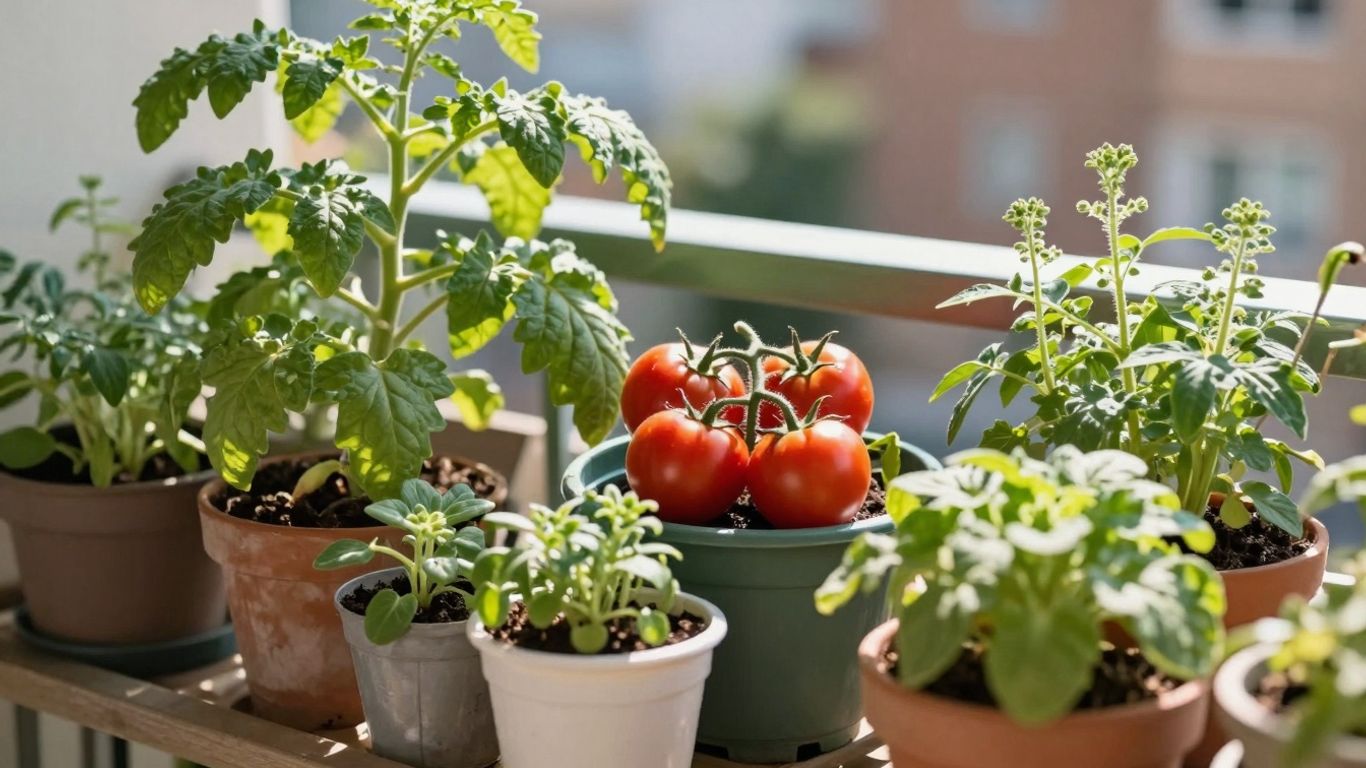

Thinking about growing your own food, but worried you don’t have enough space? You’re not alone. Many people believe you need a big yard to have a garden, but that’s just not true.
With a little creativity and some smart techniques, you can absolutely grow your own food, even if you only have a small balcony, a windowsill, or a tiny patch of yard. This guide will show you how to grow your own food in small spaces, turning even the most limited areas into productive little food-growing spots. Get ready to enjoy fresh, homegrown goodness!
Key Takeaways
- You can grow food in very small areas by thinking vertically, using hanging planters, and pairing plants that support each other.
- Choose plants that grow quickly and are compact, such as herbs, salad greens, and certain fruiting plants, to make the most of limited space.
- Container gardening is your best friend for small spaces; pick the right pots and gather a few basic tools to get started easily.
- Gardening sustainably in small spaces means composting scraps, watering wisely, and inviting helpful insects, like bees, into your garden.
- Extend your harvest time by planting crops in stages and using simple covers, such as mini-greenhouses, to protect plants from harsh weather.
Maximizing Your Growing Space
Even if you only have a tiny patch of dirt or a small balcony, you can still grow a surprising amount of food. It’s all about being smart with the space you have. Think upwards, think outwards, and think about how plants can work together.
Embrace Vertical Gardening
This is probably the biggest game-changer for small-space growers. Instead of letting plants sprawl across your limited ground area, train them to grow upwards.
This can free up a lot of room for other things. You can use stakes, trellises, or even just a sturdy fence. Vining plants like cucumbers, pole beans, and even some squash varieties are perfect for this. You can also grow Malabar spinach, achocha, or peas this way. It’s amazing how much space you can save – sometimes up to 75% – by growing vertically instead of letting plants spread out on the ground. Imagine growing a whole crop of Swiss chard below a trellis covered in beans!
Utilize Hanging Baskets and Railings
Don’t forget about the air space! Hanging baskets are ideal for growing strawberries, cherry tomatoes, and herbs like mint and thyme. They add color and produce right at eye level.
Your balcony railings aren’t just for decoration; they can also serve as mini garden beds. You can attach planters or baskets to them, giving you even more room to grow. Think about trailing nasturtiums or small peppers spilling over the edge.
Companion Planting for Efficiency
This is where you get plants to help each other out. It’s like having a little team working in your garden. You can grow two or even three plants in the same pot or small area. For example, planting basil at the base of a cherry tomato plant is a classic. The basil might even make the tomatoes taste better, and you get two crops from one spot.
Another neat trick is planting fast-growing radishes around slower-growing plants, such as summer squash. By the time the squash gets big, the radishes are already harvested. You can also tuck lettuce or spinach around the base of taller plants like peppers, using the space underneath them while they grow.
Choosing the Right Plants for Small Spaces
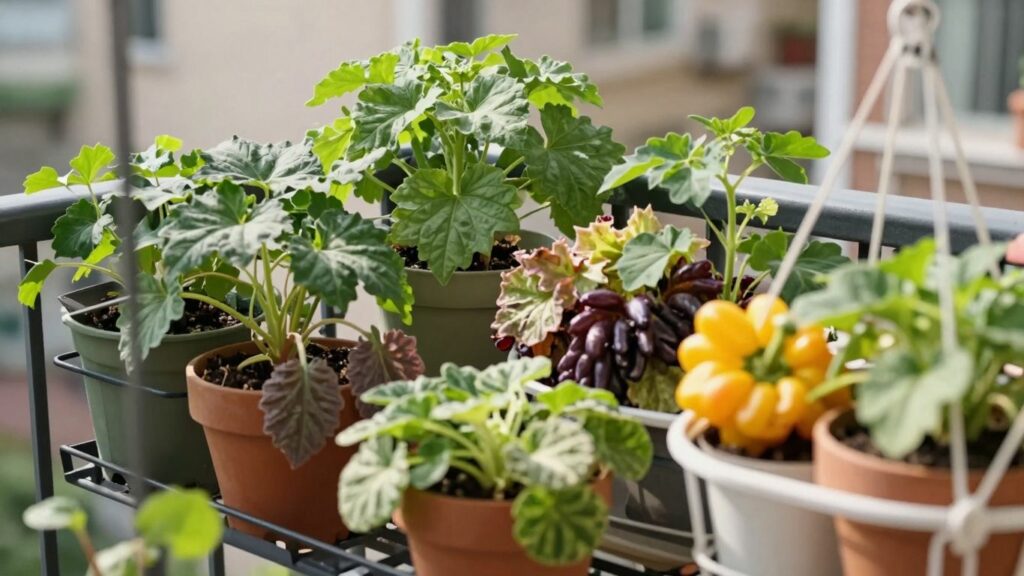
So, you’ve got your containers ready, and you’re thinking about what to plant. It can feel a bit overwhelming, right? You want things that will actually grow and give you something tasty without taking over your whole balcony or windowsill. The good news is, there are tons of options perfect for tight spots.
Fast-Growing Herbs and Salad Greens
If you’re impatient like me, you’ll love these. Herbs and salad greens are usually pretty forgiving and grow super fast. You can often get a harvest in just a few weeks. Plus, they don’t need huge pots. Think about things like:
- Lettuce: You can sow lettuce seeds pretty close together, and you’ll be picking leaves before you know it. Just keep picking the outer leaves, and the plant will keep producing.
- Spinach: Like lettuce, it grows quickly and is happy in a smaller container.
- Radishes: These are surprisingly fast! You can have radishes ready to eat in about a month.
- Herbs: Basil, mint, chives, parsley, cilantro – these are all great choices. You can grow a few different kinds in one pot, and they’ll add so much flavor to your cooking. Just be aware that mint can spread, so it’s often best to keep it in its own container.
Compact Fruiting Plants
Don’t think you have to give up on fruits and veggies just because you don’t have a big yard. There are varieties bred specifically for containers. You need to give them a bit more room and support.
- Dwarf Tomatoes: These are fantastic. Unlike the giant vining tomatoes, dwarf varieties stay much smaller, usually under four feet tall, but still produce plenty of fruit. Look for ‘bush’ or ‘dwarf’ types.
- Bush Beans: While climbing beans can work if you give them something to climb, bush beans are naturally more compact and don’t need as much vertical support.
- Peppers and Chili Peppers: Many pepper plants stay relatively small and bushy, making them good candidates for pots. They also look quite pretty when they’re covered in colorful fruit.
- Strawberries: Perfect for hanging baskets or containers. They trail nicely and reward you with a sweet treat.
Low-Waste Crop Options
When space is really limited, or if you don’t have a place to compost your plant scraps, choosing crops that leave little behind is smart. These plants grow quickly, give you a good yield for their size, and don’t create a lot of waste.
- Sprouts: Alfalfa, broccoli, or radish sprouts are incredibly fast and can be grown right on your windowsill. You need a jar or a shallow tray.
- Microgreens: Similar to sprouts, microgreens are harvested when they’re very young, providing a nutrient-packed addition to salads and sandwiches. You can grow a lot in a small tray.
- Herbs (again!): As mentioned, herbs are great because you can snip off what you need without having to pull the whole plant. They regrow, giving you harvests over a long period.
Container Gardening Essentials
Getting started with container gardening for beginners is simpler than you might think. You don’t need a big yard to grow your own food; a few pots on a balcony or windowsill can be surprisingly productive. Think of it as setting up a mini farm right where you live. This approach is perfect for balcony vegetable garden ideas or even growing herbs indoors.
Selecting Appropriate Containers
When you’re picking out pots, don’t feel you have to buy brand-new ones. Almost anything can work as a container, as long as it has a way for water to drain out. A hole in the bottom is key so your plants don’t get waterlogged. You can repurpose old tins, yogurt pots, wooden boxes, or even cut-off milk jugs. For smaller plants like herbs or salad greens, smaller containers are fine.
But if you’re planning on growing something bigger, like a tomato plant, you’ll need something more substantial, like a bucket or a large washing-up bowl. The size of your container really matters for the plant’s root system.
Here’s a quick guide to container sizes:
| Plant Type | Recommended Container Size (approx.) |
|---|---|
| Herbs, Salad Greens | 6-8 inches deep |
| Bush Beans, Peppers | 5-gallon bucket |
| Tomatoes, Cucumbers | 10-gallon bucket or larger |
Essential Tools for Small Gardens
You don’t need much fancy equipment to get started. The basics are pretty straightforward. You’ll need something to water your plants with – an old jug or a small watering can works well. A small trowel or even an old spoon can be used for digging and planting.
Gloves are nice to have, but not strictly necessary. The most important thing is good soil. Look for a quality potting mix designed for containers, or mix your own using compost and soil. This gives your plants the nutrients they need to grow.
Starting with Seeds or Seedlings
Deciding whether to start with seeds or seedlings is a common question for new gardeners. Seeds are generally cheaper and offer the satisfaction of watching your plant grow from the very beginning. It’s a fun process, but it does take a bit more patience. Seedlings, on the other hand, are small plants that have already started growing.
They give you a head start and can be less intimidating for absolute beginners. Whichever you choose, always check the seed packet or plant tag for specific instructions on sunlight, water, and spacing. It’s all about giving your plants the best chance to thrive in their new home.
Sustainable Small-Space Gardening Practices
Composting in Limited Areas
Even with a tiny garden, you can still turn kitchen scraps and plant trimmings into something useful. Think of it as giving your leftovers a second life as plant food. You can get special compost bins designed for small spaces, some even have legs to keep critters out and make it easier to mix things up.
If home composting feels like too much, see if your town has a community composting program. Many places collect food and garden waste to make compost for local use. It’s a small step, but handling plant waste helps the environment and turns today’s scraps into tomorrow’s healthy soil.
Watering and Waste Reduction
When you’re gardening in containers, water can drain out pretty quickly. Try to water in the morning so plants can soak it up during the day. Using a watering can with a fine rose helps direct water to the roots without making a mess.
If you’re using larger pots, consider a simple drip irrigation system; it saves water and time. Also, think about collecting rainwater if you can. A simple rain barrel connected to a downspout can provide free, clean water for your plants. Reducing water waste is good for your plants and your water bill.
Attracting Pollinators to Your Garden
Even small gardens can become havens for bees, butterflies, and other beneficial insects. These little guys are super important for making sure your plants produce fruit and vegetables. Planting a few flowering herbs like lavender or borage, or even some small, colorful flowers, can make your space much more inviting.
A shallow dish filled with water and a few pebbles or marbles gives them a safe place to land and drink. When your garden is buzzing with life, you’re not just growing food; you’re creating a mini-ecosystem that benefits everyone.
Extending Your Growing Season
Don’t let the calendar dictate when your garden goes dormant. You can actually keep harvesting fresh food for much longer than you might think, even with limited space. It just takes a little planning and a few smart techniques.
Succession Planting Techniques
Succession planting is all about staggering your plantings so you have a continuous harvest. Instead of planting everything at once, you plant small batches at intervals. This means you’re not overwhelmed with a huge harvest all at once, and you get to enjoy fresh produce over a longer period.
- Same Crop, Different Times: Plant a crop like lettuce in early spring, then plant another batch a few weeks later. By the time the first planting is ready to harvest, the second will be catching up. You can do this with many vegetables, even warm-season ones like tomatoes and cucumbers, planting them a second time later in the season to ensure a harvest right up until frost.
- Replace Harvested Crops: As soon as one crop is finished and you pull it out, immediately plant something new in its place. For example, after harvesting bulb onions in mid-summer, you could plant heat-loving beans. This keeps your garden space working hard for you.
- Intercropping: This involves planting two different crops together that mature at different rates. A fast-growing crop like radishes can be planted alongside slower-growing carrots or beets. You harvest the radishes before the carrots or beets need the space, and the radish’s root can even help loosen the soil for the main crop.
Off-Season Growing Strategies
Even when the weather turns cold, you can still grow certain crops. Cool-season vegetables are your best friends here.
- Plant Before Frost: Sow spinach or kale about four weeks before your first expected frost. These plants can survive and grow slowly through cooler temperatures, giving you a harvest much earlier in spring than you might expect.
- Choose Hardy Crops: Stick to plants known for their cold tolerance. Think kale, spinach, certain lettuces, peas, and radishes for fall and winter harvests.
- Calculate Your Frost Dates: Knowing your average first and last frost dates is key. This helps you figure out how many days you have left in the season to grow a particular crop to maturity.
Utilizing Mini Greenhouses and Tunnels
For that extra bit of protection and warmth, especially when trying to extend the season into late fall or early spring, consider simple protective structures.
- Row Covers: These lightweight fabrics can be draped over plants or hoops to protect against light frost and pests, giving you a few extra weeks of growth.
- Low Tunnels: You can easily create these using PVC pipes or flexible branches bent into arches, then cover them with plastic sheeting or heavier row cover fabric. They act like mini greenhouses, trapping heat and protecting plants from harsh weather. You can even layer materials, like row cover under plastic, for extra insulation during colder snaps.
- Cold Frames: These are essentially bottomless boxes with a clear lid, perfect for protecting smaller plants or starting seedlings early. They can significantly raise the indoor temperature compared to the outdoor air.
Creative Solutions for Urban Growers
Transforming Unused Spaces
Living in the city doesn’t mean you have to give up on growing your own food. Think outside the box – or rather, outside the traditional garden plot. Have you ever considered using a parking space if you don’t own a car? With permission, these areas can become surprisingly productive spots for container gardens.
Some people even find success growing on their workplace rooftops. It’s all about spotting potential where others see concrete. You can add layers of shelves to walls to get plants higher up, or even use a ladder to place pots above things like garbage bins, hiding them while giving your plants better sun exposure. Don’t forget about vertical space; strings can be attached to walls or railings for climbing plants to grow upwards, making use of every inch.
Container Gardens on Balconies and Windowsills
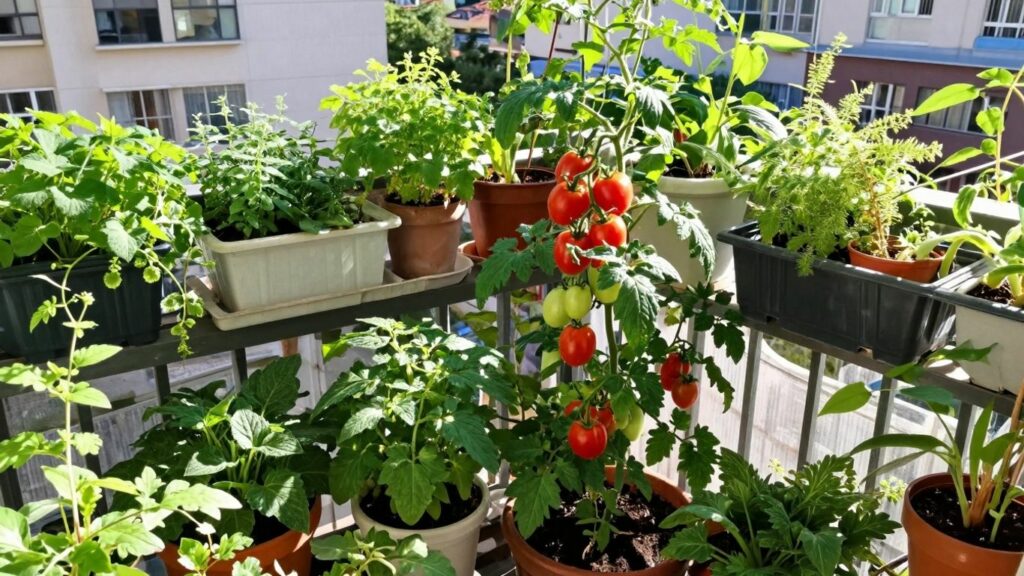
Balconies and windowsills are prime real estate for urban gardeners. These spots might seem small, but they can host a variety of plants. Think about hanging baskets for strawberries or herbs like mint and thyme. For windowsills, fast-growing options like salad greens and herbs are perfect. You can even combine plants in a single pot – try planting cherry tomatoes in a deep container and adding basil around the base.
This is a great way to get two crops from one spot. Remember to use containers with good drainage and consider the amount of sunlight each spot receives throughout the day.
Community Gardening Initiatives
If your personal space is extremely limited, or you just want to connect with other growers, community gardens are a fantastic option. These shared plots allow you to cultivate a larger area and learn from experienced gardeners. It’s a wonderful way to build connections with your neighbors, share tips, and even swap produce.
Many towns also have community composting programs, which can be a great way to handle garden waste if you can’t compost at home. Participating in these initiatives not only helps you grow food but also strengthens local bonds and promotes sustainable urban farming techniques.
Discussion about this post