

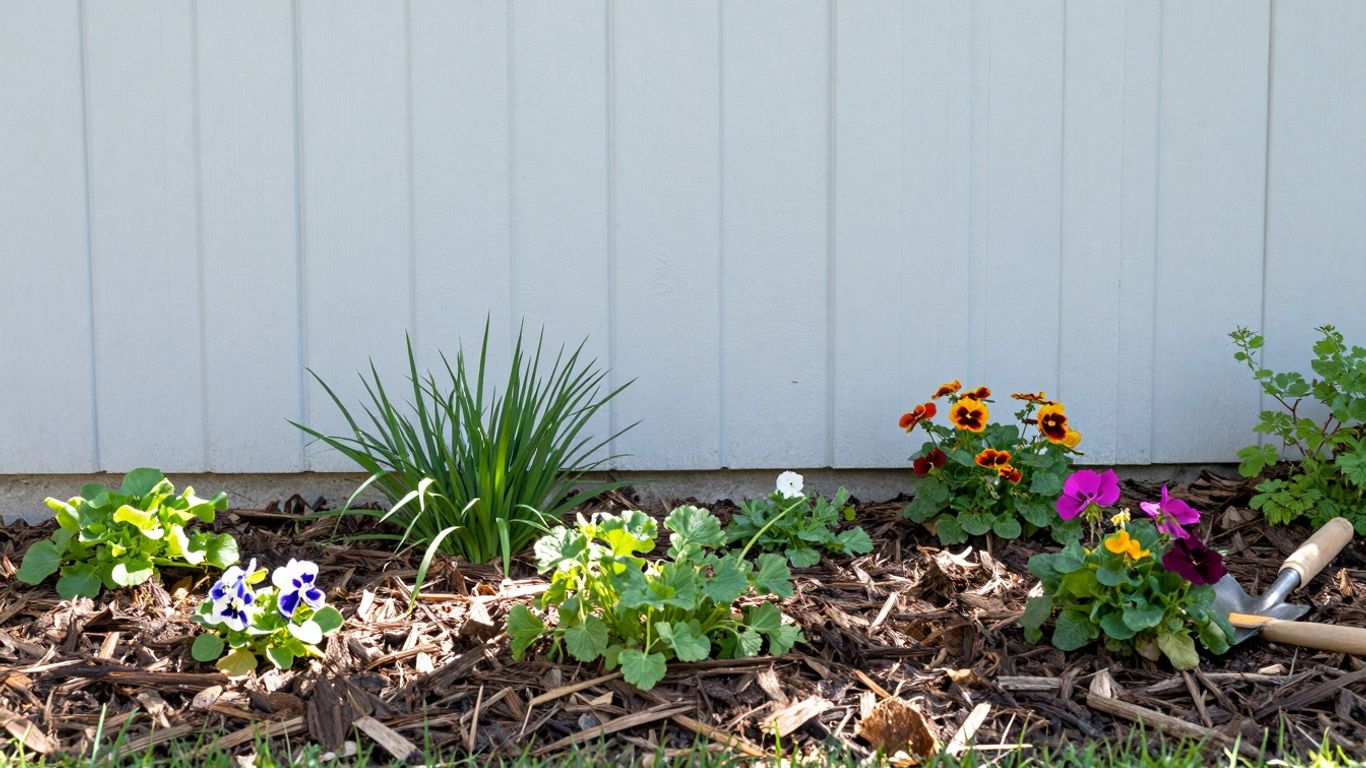

Thinking about sprucing up your garden? Mulching is a simple trick that does a lot more than make things look neat. It’s a total game-changer for plant health and keeping your garden looking its best with less fuss.
We’re going to break down why mulching is so good for your plants and how to do it right, so your garden can really shine this season. Let’s get started!
Key Takeaways
- Mulching helps soil hold water, so you need less watering.
- A good layer of mulch stops weeds from popping up and taking over.
- Different mulches can add nutrients to your soil as they break down.
- Mulch acts like a blanket, keeping soil temperatures steady for plant roots.
- Choosing the right mulch and putting it down correctly makes a big difference.
The Benefits Of Mulching
So, you’re thinking about mulching your garden? It’s a pretty smart move, honestly. It’s not just about making things look tidy, though it definitely does that. Mulch does a bunch of good things for your plants and the soil beneath them.
Moisture Retention For Healthier Plants
One of the biggest wins with mulch is how it helps keep the soil moist. You know how the sun can bake the ground and dry it out super fast? Mulch acts like a blanket, slowing the rate at which water evaporates from the soil. This means you won’t have to water as often, and your plants will have a more consistent water supply, which is a big deal, especially when it gets really hot out. Good soil moisture retention means happier, healthier plants.
Effective Weed Suppression
Weeds are the worst. They pop up everywhere and steal all the good stuff from your plants. Mulch is a pretty good defense against them. When you lay down a layer of mulch, it blocks the sunlight that weed seeds need to sprout. So, fewer weeds pop up in the first place. It’s way less work than constantly pulling them out.
Soil Enrichment And Improvement
If you’re using organic mulches, like wood chips or shredded leaves, they actually break down over time. As they decompose, they add nutrients back into the soil. This is like giving your soil a little boost, making it richer and better for your plants in the long run. Even inorganic mulches, while they don’t add nutrients, help prevent the soil from packing down too hard and from eroding.
Temperature Regulation For Root Protection
Think of mulch as insulation for your garden. In the summer, it keeps the soil cooler, which relieves plant roots that can get stressed when the ground gets too hot. Then, in the winter, it helps keep the soil from freezing too deeply, protecting those same roots from harsh cold. It creates a more stable environment for your plants year-round.
Exploring Different Types Of Mulch
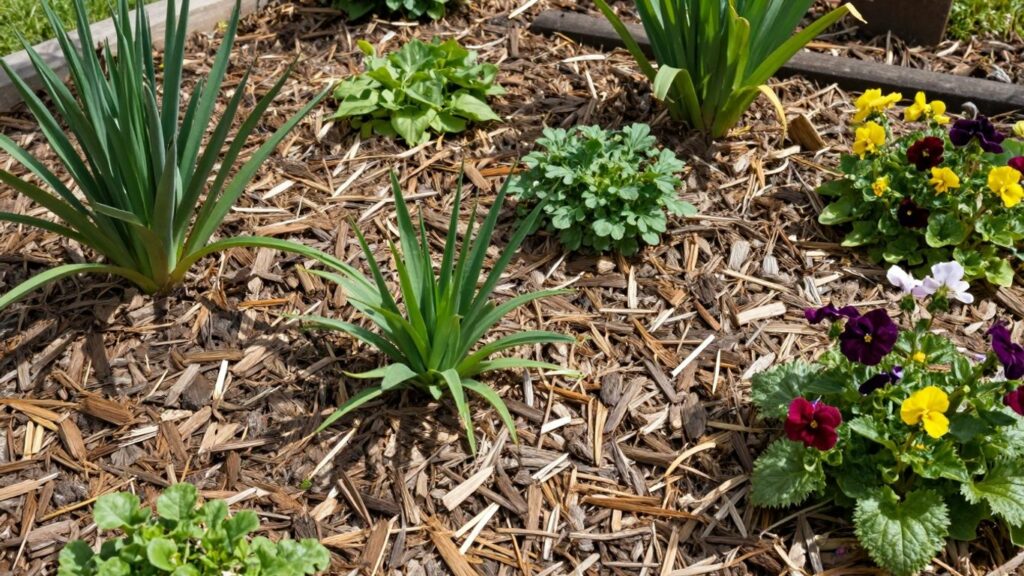
So, you’ve decided to mulch, which is awesome! But now you’re staring at a wall of options, right? It can get a little confusing figuring out what goes where. Basically, there are two main camps: organic and inorganic. Think of it like this: organic stuff breaks down and feeds your soil, while inorganic stuff is more about the look and staying power.
Organic Mulch Options
Organic mulches are the garden’s best friends because they actually improve your soil as they decompose. It’s like a slow-release meal for your plants and the soil critters.
- Wood Chips and Bark: These are super common and come in all sorts of sizes, from fine shredded bark to chunky nuggets. They look great around trees, shrubs, and in general garden beds. They break down pretty slowly, so you don’t have to add them every year.
- Compost: If you’re looking to really boost your soil’s health, compost is the way to go. It’s fantastic for vegetable gardens and flower beds. It adds nutrients and improves the soil’s water-holding capacity.
- Straw and Hay: These are budget-friendly and work wonders in vegetable gardens, especially for things like strawberries and tomatoes. They help keep the soil moist and prevent fruit from touching the ground. Just a heads-up, hay can sometimes have seeds, so straw is usually the safer bet.
- Grass Clippings: Don’t toss those clippings! Let them dry out a bit, then spread a thin layer around your plants. They break down fast and add nitrogen back into the soil. Just don’t pile them on too thick, or they’ll get slimy.
Inorganic Mulch Choices
Inorganic mulches don’t really add anything to the soil, but they can be great for specific looks or situations. They tend to last longer without breaking down.
- Gravel and Stones: These are perfect for pathways, rock gardens, or areas where you want a very clean, modern look. They’re great for water retention and weed suppression, and you really only need to put them down once.
- Landscape Fabric: This is a synthetic material you lay down before adding another layer of mulch or decorative stones. It’s a strong weed barrier, but it can also prevent water and air from reaching the soil, and it doesn’t break down to feed the soil.
- Plastic Sheeting: Sometimes used in vegetable gardens to warm the soil and block weeds. However, it doesn’t let the soil breathe and can get really hot. It’s definitely a different ballgame compared to organic mulch vs plastic.
Choosing Mulch For Specific Garden Areas
Not all mulches are created equal, and what works for your front yard might not be ideal for your veggie patch.
- Vegetable Gardens: Straw, compost, or shredded leaves are usually best here. They help retain moisture, suppress weeds, and replenish nutrients in the soil that your hungry plants will appreciate.
- Around Trees and Shrubs: Wood chips or bark are a classic choice. They look natural, help retain moisture, and protect the tree’s base. Just make sure to keep the mulch a few inches away from the trunk itself.
- Flower Beds: Here, you can really play with aesthetics. Bark, colored wood chips, or even gravel can work, depending on the look you’re going for. Consider how the color and texture will complement your flowers.
- Sloped Areas: Shredded mulches, like shredded bark or wood chips, tend to stay put better on slopes because their fine texture helps them interlock. This helps prevent erosion.
- Playgrounds: Safety is key here. You’ll want to use certified playground mulch, designed to cushion falls. It’s usually made from clean, splinter-free wood.
Applying Mulch For Maximum Impact
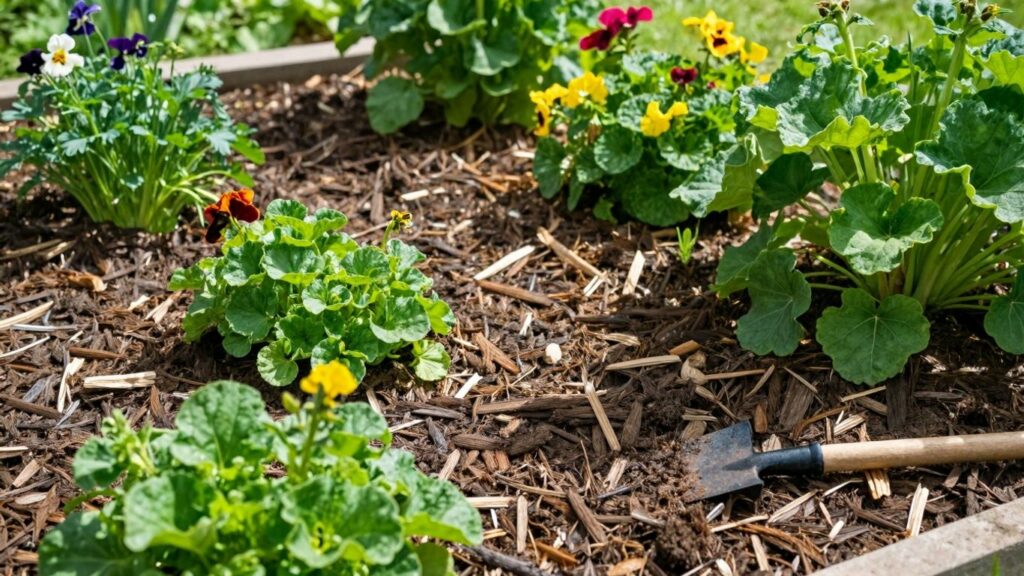
So, you’ve picked out the perfect mulch for your garden – nice! But just dumping it on the ground won’t cut it. Getting mulch right means your plants will be happier, and you’ll spend less time wrestling with weeds. It’s not rocket science, but there are a few things to keep in mind.
Optimal Timing For Mulch Application
When should you actually put down the mulch? Generally, spring and fall are your best bets. In the spring, after the soil has warmed up a bit but before the really hot weather hits, mulching helps keep that precious moisture in. It also stops those pesky weeds from getting a head start. Come fall, mulching can protect plant roots from harsh winter freezes and thaws. It’s like giving your garden a cozy blanket. Just try to avoid mulching when the ground is frozen solid, as that can trap moisture and cause problems.
Achieving The Correct Mulch Depth
This is where many people go wrong. Too little mulch won’t do much for weed control or moisture retention. Too much, and you can actually harm your plants. For most situations, a layer of 2 to 4 inches is the sweet spot. Think of it as a good, even blanket. You want to cover the soil completely, but don’t pile it up like a mountain, especially around the base of trees and shrubs. We’ll get to that in a sec.
Here’s a quick guide:
- General Garden Beds: Aim for 2-3 inches.
- Vegetable Gardens: 3-4 inches for good weed suppression and moisture.
- Around Trees and Shrubs: 2-3 inches, but always leave a gap.
Proper Application Techniques
Alright, let’s get this mulch down properly. First, clear the area of any weeds or debris. If you’ve got really compacted soil, it’s a good idea to loosen it up a bit before you start. Then, spread your mulch evenly. The biggest rule here? Don’t create “mulch volcanoes.” That means keeping the mulch a few inches away from the trunks of trees and the stems of plants.
This is super important to prevent rot and keep critters from nesting right up against your plants. Use a rake to smooth it out so it looks neat and water can soak in evenly. Once it’s all spread, please give it a good watering. This helps settle the mulch and keeps it from blowing away on a windy day.
Common Mulching Mistakes To Avoid
Alright, so mulching seems pretty straightforward, right? Just grab a bag and spread it around. But, believe it or not, there are a few ways you can mess it up, and sometimes, it can actually hurt your plants instead of helping them. Let’s talk about the common slip-ups so you can avoid them.
The Dangers Of Over-Mulching
This is a big one. Piling on too much mulch, especially against the base of trees and shrubs, is a recipe for disaster. It’s like giving your plants a suffocating blanket. This thick layer traps too much moisture right where the stem meets the soil, which can lead to rot and fungal diseases. Plus, it creates a cozy highway for pests like slugs and rodents to travel right up to your plants. You want to keep a good few inches of space clear around the trunk or stem. Think of it as giving your plants a little breathing room.
Selecting The Wrong Mulch Material
Not all mulches are created equal, and what works for one area might be a total flop in another. For instance, using fresh, uncomposted wood chips in a vegetable garden can actually steal nitrogen from the soil as it breaks down, starving your veggies. That’s the opposite of what you want! Or, if you’re in a really windy spot, fine mulch like shredded bark might blow away, leaving your soil exposed. Always consider what you’re trying to achieve and what kind of plants you have before you grab that bag.
Ignoring Essential Maintenance
Mulch isn’t a ‘set it and forget it’ kind of deal. Organic mulches, like wood chips or straw, break down over time. If you don’t replenish them, you’ll end up with a thin layer that doesn’t do much for weed suppression or moisture retention. It’s also a good idea to fluff your mulch with a rake every so often. This helps with air circulation and prevents it from getting too compacted. And don’t forget to peek underneath occasionally – sometimes pests or diseases can hide out there, and catching them early makes a huge difference.
Enhancing Garden Aesthetics With Mulch
Creating A Polished Landscape Appearance
So, you’ve got your plants looking good and the soil happy, but something’s still missing. That’s where mulch really shines, beyond just keeping things healthy. Think of it as the finishing touch for your garden. A good layer of mulch can make a patchy, weedy bed look like it belongs in a magazine. It smooths out the rough edges, so to speak. Instead of seeing bare soil or a mess of weeds, you get this clean, uniform look that makes everything else pop. It really ties the whole garden together, giving it that put-together vibe.
Complementing Garden Design With Color And Texture
But mulch isn’t just about looking neat; it’s also a design element! You can actually use different types of mulch to play with color and texture, which can totally change the feel of your yard. For instance, dark brown bark mulch has a classic, natural look that works with almost anything. If you want something a bit more modern, maybe some dark grey or black dyed mulch could work, especially around sleek, contemporary plantings. Or, if you’re going for a more rustic feel, a lighter-colored wood chip or even some straw in a vegetable patch can add to that charm.
Here’s a quick look at how different mulches can affect the look:
| Mulch Type | Common Colors | Texture | Best For |
|---|---|---|---|
| Wood Chips/Bark | Brown, Red, Black | Coarse to Fine | General landscaping, trees, shrubs |
| Dyed Mulch | Red, Black, Brown | Fine | Adding bold color, modern designs |
| Straw | Golden/Tan | Loose, Airy | Vegetable gardens, rustic settings |
| Gravel/Stone | Grey, Tan, White | Smooth to Rough | Xeriscaping, pathways, modern designs |
| Pine Needles | Brown | Thin, Wispy | Acid-loving plants, natural look |
Don’t forget about texture, either. Fine-shredded mulch gives a smoother appearance, while larger bark nuggets add a more rugged, dimensional look. Mixing and matching can be fun, but try not to go overboard. Usually, sticking to one or two types that complement each other is the way to go for a cohesive design. It’s all about creating that visual harmony that makes your garden a place you want to spend time in.
Frequently Asked Questions
What exactly is mulch and why should I use it?
Mulch is basically a protective layer of material spread over the soil in your garden or around plants. Think of it like a cozy blanket for your soil! It’s super helpful because it keeps the soil moist, stops weeds from popping up, keeps the soil temperature just right for plant roots, and can even make your soil healthier over time. Plus, it makes your garden look neat!
What are the main types of mulch?
There are two main kinds: organic and inorganic. Organic mulches, like wood chips, straw, or shredded leaves, come from nature and break down over time, adding good stuff to your soil. Inorganic mulches, such as gravel or stones, don’t break down but are great for looks and weed control, especially in dry areas.
How much mulch should I put down?
A good rule of thumb is to spread the mulch about 2 to 3 inches thick. This is usually enough to keep weeds away and hold in moisture without being too much. You don’t want to pile it too high, as that can actually harm your plants by blocking air and water.
When is the best time to add mulch?
Early spring is often a great time to mulch, after the soil has started to warm up a bit. This gives your plants a chance to get established before you cover the ground. However, you can add mulch almost any time of year to give your garden a boost or refresh.
What’s the biggest mistake people make when mulching?
One of the most common mistakes is piling mulch too high against the base of trees and plants, sometimes called a ‘mulch volcano.’ This can trap moisture, leading to rot and inviting pests. Always leave a little space around the stems so they can breathe.
Can mulch help my garden look better?
Absolutely! Mulch can really make your garden beds look clean and finished. You can choose different colors and textures of mulch to match your style, whether you want a natural look or something more modern. It helps tie everything together for a polished appearance.
Discussion about this post