

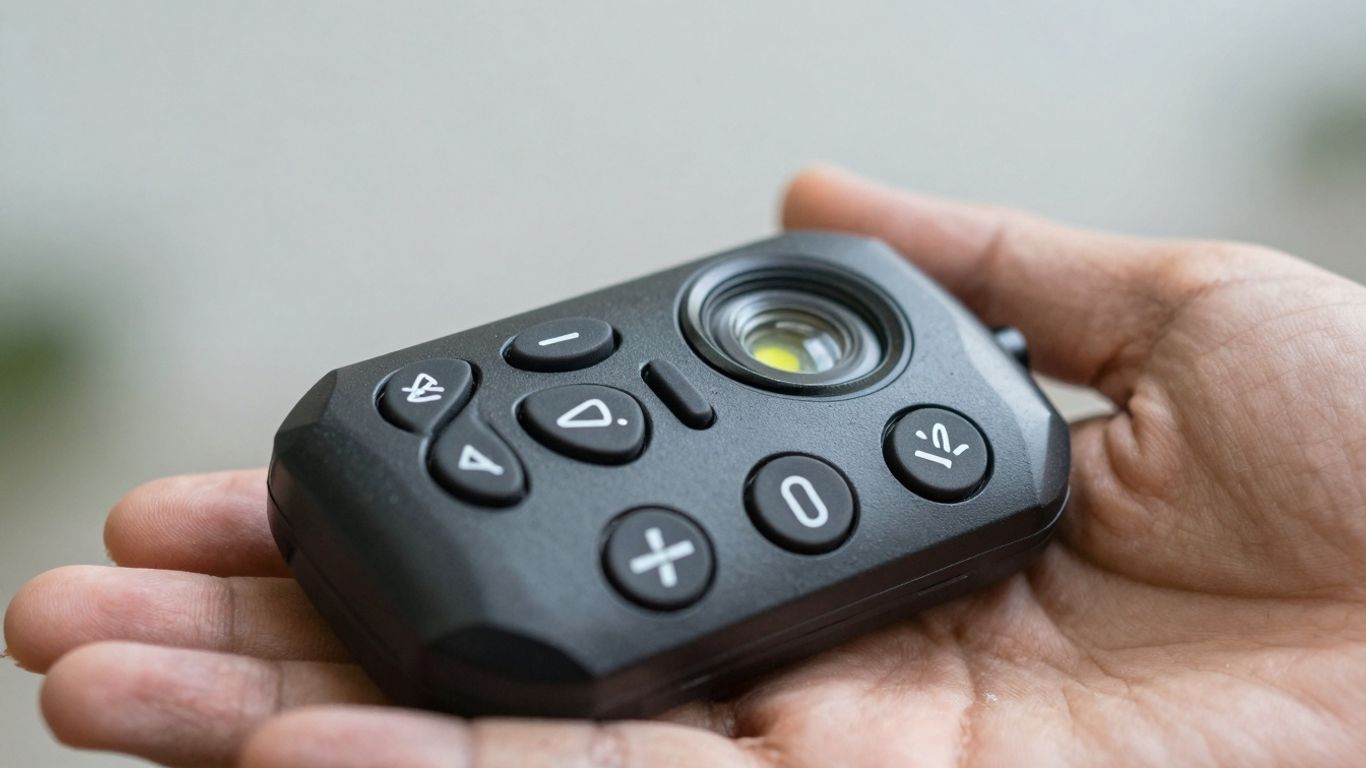

Feeling unsafe can be a real drag. You want to be able to go about your day without constantly worrying. That’s where self defense alarm systems come in. They’re not about fighting; they’re about getting attention fast if something feels off.
Think of them as a loud, portable way to say ‘hey, I need help!’ or ‘back off!’ These little gadgets can be a game-changer for peace of mind, whether you’re walking alone at night, dealing with a sketchy situation, or just want an extra layer of security for your kids. They’re simple, effective, and can be carried almost anywhere.
Key Takeaways
- Personal safety alarms are portable devices that create a loud noise to draw attention and deter threats.
- They are often preferred over physical self-defense tools due to their ease of use and non-confrontational nature.
- When choosing an alarm, consider how easy it is to carry, how loud it is, and any extra features like flashlights or emergency contacts.
- Self defense alarm systems are useful for individuals, children, travelers, and anyone seeking an added sense of security.
- Always check local regulations regarding carrying alarms, especially when traveling, and ensure your device is well-maintained.
Self Defense Alarm Systems
What Is a Personal Safety Alarm?
A personal safety alarm is basically a small gadget meant to make a lot of noise if you’re in a tricky situation. Think of it like a mini, portable alarm system you can carry around. When you need it, you just activate it, and it lets out a really loud sound, usually a siren, to grab people’s attention nearby. The idea is that the noise will scare off anyone who might be bothering you and also alert others that something’s wrong. Most of these alarms can get pretty loud, often over 120 decibels, which is comparable to a loud thunderclap. Some also come with a little flashlight, which can be handy too.
What’s neat about these alarms is that they’re usually allowed when other self-defense items, like pepper spray, might not be. They’re also super simple to use, which is a big plus when you’re stressed. You don’t have to worry about unlocking a phone or finding the right app; it’s usually just a button push. This makes them a good option for lots of people, including students, kids, and older adults who want a straightforward way to feel safer.
How Self Defense Alarm Systems Work
These alarms work on a pretty simple principle: making a lot of noise to draw attention and deter threats. When you activate the alarm, typically by pulling a pin or pressing a button, it triggers a powerful siren. This siren is designed to be piercing and loud enough to be heard from a distance, cutting through ambient noise.
The high decibel level is key; it’s meant to startle an attacker and make them want to leave the area quickly. At the same time, the loud sound alerts anyone nearby – passersby, neighbors, or even people inside buildings – that someone might be in trouble and needs help. This increased awareness can be enough to make an attacker back off or prompt someone else to investigate or call for assistance.
Some advanced models go a step further. Beyond just the siren, they might have features that connect directly to emergency services or alert pre-selected contacts. This often involves a subscription service, but it adds another layer of security. For instance, a button press could send your location and an alert to a monitoring center, which can then dispatch help. Others might use Bluetooth to connect to your smartphone, sending alerts and your GPS coordinates to chosen friends or family members when activated.
Benefits Over Traditional Self-Defense Tools
Personal safety alarms offer a few advantages compared to more traditional self-defense methods. For starters, they’re generally legal to carry in most places where items like pepper spray or stun guns might be restricted. This means you can often bring them on airplanes or into certain buildings without issue, which isn’t always the case with other tools. Plus, they don’t require any physical training or close proximity to be effective. You don’t need to worry about aiming correctly or getting close enough to use them, which can be a major concern in a high-stress situation.
Another big plus is their simplicity. In an emergency, fumbling with a complex device or trying to navigate a smartphone app can be difficult. A personal alarm is usually designed for quick, one-handed activation. You just need to pull a pin or press a button, and the alarm goes off. This ease of use is particularly beneficial for children, the elderly, or anyone who might have difficulty with fine motor skills or technology under pressure. They provide a quick and accessible way to signal for help without needing to engage physically with a potential threat.
Choosing the Right Self Defense Alarm System
Picking out a personal safety alarm can feel a bit overwhelming with all the options out there. It’s not just about grabbing the loudest one; you’ve got to think about how you’ll actually use it and if it fits into your daily life. Let’s break down what really matters.
Portability and Discreet Design
This is a big one. If the alarm is bulky or awkward to carry, you’re less likely to have it with you when you need it. Think about your routine. Do you jog? Commute on public transport? Walk home late? You want something that can easily clip onto a purse, belt loop, or keychain without being obvious. Some alarms look like simple keychains or small pendants, which is great for keeping things low-key.
Others might be a bit more noticeable, but that could be fine depending on your situation. The goal is to have it accessible, not hidden away in a bag.
Sound Output and Effectiveness
When you activate a personal alarm, the main point is to make a lot of noise. We’re talking loud – usually around 120 to 140 decibels. That’s comparable to a loud concert or a motorcycle revving right next to you. This sudden, piercing sound is meant to startle a potential attacker and grab the attention of anyone nearby who can help.
It’s not just about scaring someone off; it’s about drawing attention to your situation. Some alarms are louder than others, so if you’re in an area where you feel less safe or there are often fewer people around, a higher decibel rating might be worth looking into.
Additional Features to Consider
Beyond the basic siren, many alarms come with extra bells and whistles. Some have built-in LED flashlights, which can be handy for finding your keys in the dark or just adding a bit of visibility. Others offer more advanced features, like GPS tracking that can send your location to pre-selected contacts or even connect you to a professional monitoring service.
While these extras can add peace of mind, think about whether you’ll actually use them. A simple, loud alarm might be all you need, and often, the more features a device has, the more complex it can be to operate in a stressful moment. It’s a balance between having useful tools and keeping things straightforward.
Applications for Self Defense Alarm Systems
Self-defense alarm systems aren’t just for one type of person or situation. They’re incredibly versatile and can be a real lifesaver for a wide range of individuals and scenarios. Think about it – when you need to get attention fast, a loud alarm is often the quickest and easiest way.
Personal Safety for Individuals
For anyone who walks alone, whether it’s a late-night jogger, someone commuting home after dark, or just a person feeling uneasy in a public space, these alarms are a game-changer. They’re particularly popular as personal safety devices for women, offering a non-physical way to deter potential threats and call for help. Unlike carrying something like pepper spray, which has its own set of rules and potential complications, a personal alarm is generally accepted in more places and is straightforward to use. It’s about having a quick, accessible tool that doesn’t require extensive training.
Family and Child Safety
These alarms are fantastic for keeping families safe. For parents, having a small, portable alarm that a child can carry is a huge relief. If a child gets separated in a busy store or park, they can activate the alarm to draw attention and signal for help. It’s also a great tool for older kids walking to school or heading to a friend’s house.
The best personal alarm for students often comes down to ease of use and how discreet it is. For seniors, these devices can act as emergency alert devices for seniors, providing a simple way to signal for assistance if they fall or encounter a problem at home or when out and about.
Travel and Outdoor Activities
When you’re traveling, especially solo, having a reliable safety device is smart. Portable safety alarms for travel are TSA-friendly and can offer peace of mind in unfamiliar surroundings, whether you’re in a hotel, on public transport, or exploring a new city.
They’re also useful for outdoor enthusiasts. While not a replacement for proper wildlife safety knowledge, a loud alarm can sometimes scare off curious or potentially dangerous animals when hiking or camping. It’s a simple addition to your gear that could make a big difference.
Key Features of Top Self Defense Alarms
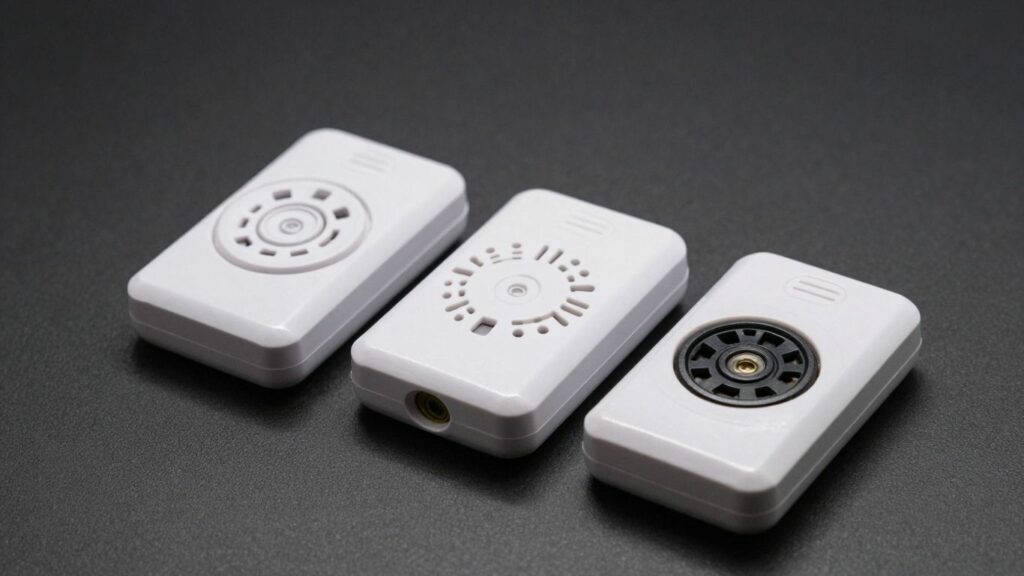
When you’re looking at personal security alarms, a few things really stand out. It’s not just about having a loud noise; it’s about how that noise is made, how easy it is to get it going when you need it, and if it’s going to work when you actually rely on it. Let’s break down what makes a good alarm.
Loud Siren Capabilities
The main job of these alarms is to grab attention, and fast. Most good ones can blast sound at levels between 120 and 140 decibels. Think about that – it’s as loud as a jet engine taking off or a really close thunderclap.
This kind of noise isn’t just annoying; it’s meant to startle anyone who might be a threat and make bystanders aware that something’s wrong. Some alarms even have a strobe light feature that flashes along with the siren, adding another layer of attention-grabbing.
Ease of Activation
In a stressful situation, fumbling with complicated buttons or menus is the last thing you want. Top alarms are designed for quick, simple activation. Often, this means a single button push or a pull-pin mechanism. You should be able to activate it without even looking, just by feel.
This simplicity is key, especially for kids or older adults who might not be as quick with technology under pressure. Some models even have a “silent alarm” option that sends an alert to pre-selected contacts or a monitoring service without making a sound, which can be useful in certain scenarios.
Battery Life and Reliability
An alarm is useless if its battery is dead. Look for devices with long-lasting batteries, and check how easy they are to replace. Some alarms use standard coin batteries, while others have rechargeable options. It’s also worth considering how reliable the device is overall. Does it feel sturdy? Does it have good reviews regarding its performance in actual emergencies?
For those looking for advanced safety, some personal security alarms with GPS can send your location along with the alert, adding another layer of security and peace of mind, though these often come with a subscription fee.
Legal and Practical Considerations
Travel Regulations for Alarms
When you’re planning a trip, especially if you’re flying, it’s smart to check the rules about what you can bring. Most personal safety alarms are fine, but some might fall under stricter regulations depending on where you’re going. For instance, some countries or even specific airlines might have rules about devices that emit loud noises or have certain chemical components, though this is less common for simple alarm devices. It’s always a good idea to look up the specific airline’s policy or the destination country’s customs regulations before you pack. You don’t want to get to the airport and have to leave your safety device behind.
When to Use Your Alarm
These alarms are designed for moments when you feel unsafe or are in immediate danger. Think about situations like walking alone at night, being in an unfamiliar area, or if someone is making you feel uncomfortable. The goal is to draw attention and potentially scare off a threat. It’s not about being aggressive, but about creating a distraction and signaling for help. Some alarms have features that can alert pre-selected contacts or even emergency services, which can be a lifesaver if you can’t call for help yourself. Remember, it’s better to use it and be safe than to hesitate when you feel something is wrong.
Maintenance and Care
Keeping your personal safety alarm in good working order is pretty straightforward. The most important thing is to check the battery regularly. Most alarms use standard button batteries, and you don’t want yours to die when you need it most. A good habit is to test the alarm briefly every month or so – just a quick press to make sure it still makes noise. Also, keep the device clean and dry. If your alarm has any electronic components, avoid getting it wet. Some alarms come with a small lanyard or keychain attachment; make sure these are secure so you don’t accidentally lose the device. Keeping it in an easily accessible spot, like your keys or a pocket, is key for quick use.
Discussion about this post