

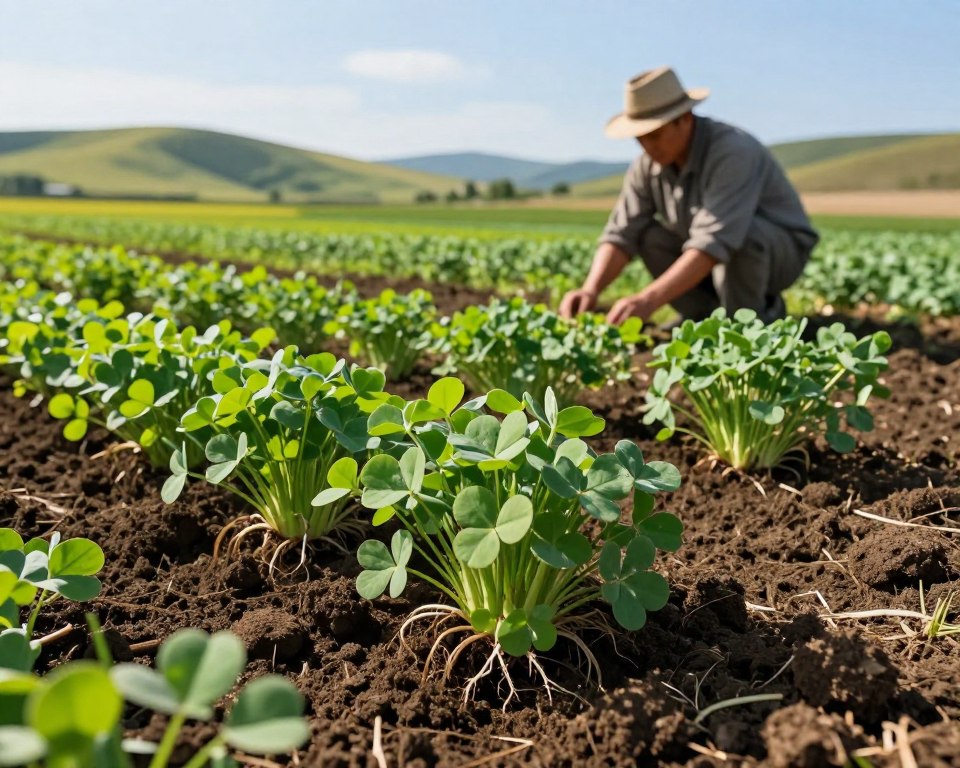

As the main sowing season ends and harvest starts, it’s time to think about soil rejuvenation for next year. Growing cover crops is a smart way to get your garden ready for the next season.
Cover crops improve soil structure, add nutrients, and fight weeds. They also protect the soil during winter. By using cover crops, you make your soil healthier and more sustainable.
This method not only helps the soil but also prepares it for a rich harvest in the future.
What Makes Cover Crops Essential for Winter Soil Protection
Cover crops are key to keeping soil healthy in winter. They offer many benefits that make them vital for soil protection during this time.
They improve soil structure, adding organic matter. This makes the soil better at holding water and air. This improvement in soil structure supports healthier plant development.
Leguminous cover crops, like clover and field peas, are super. They fix nitrogen from the air into the soil. This cuts down on the need for synthetic fertilizers. It also helps the next crops grow well.
Cover crops also fight weeds and stop erosion. They take over weeds’ space for light, water, and nutrients. This means less need for herbicides. Their roots keep the soil in place, stopping it from washing or blowing away.
Using cover crops well means picking the right ones for your area and planting at the right time. Managing their growth is also key. By adding cover crops to your routine, you boost soil health and productivity.
Knowing and using cover crops’ benefits helps protect soil in winter. It keeps the soil fertile and ready for future crops.
The Remarkable Benefits of Cover Crops for Soil Health
Cover crops are key for keeping soil healthy in winter. They help improve soil structure and boost nutrient cycling. By using cover crops, farmers can make their soil healthier and more productive.
There are many types of cover crops to choose from. Each has its own benefits and works best in different climates and soils. Common cover crops include Alsike Clover, Buckwheat, Winter Rye, and Hairy Vetch. These are divided into legumes and grasses.
Legumes and Grasses
Legumes, like clover and vetch, fix nitrogen in the soil. This makes it ready for future crops. Grasses, such as Winter Rye, improve soil structure and stop erosion. Together, legumes and grasses create a strong cover that protects and enriches the soil.
| Cover Crop Species | Benefits | Suitable Climate/Soil |
|---|---|---|
| Alsike Clover | Nitrogen fixation, soil improvement | Cool-season, well-drained soils |
| Buckwheat | Soil erosion control, weed suppression | Warm-season, various soils |
| Winter Rye | Soil protection, nutrient cycling | Cold-season, adaptable to various soils |
| Hairy Vetch | Nitrogen fixation, soil health improvement | Cool-season, well-drained soils |
Choosing the right cover crop species is important for farmers. It helps improve soil health, reduce erosion, and boost nutrient cycling. Cover crops are essential for keeping soil healthy and productive.
How Cover Crops Revolutionize Nutrient Cycling
Cover crops are key to better nutrient cycling, which keeps soil healthy. Nutrient cycling changes nutrients so plants can use them. Cover crops add organic matter, fight erosion, and help beneficial microbes.
Each cover crop type offers unique benefits. For example, legumes like clover and beans fix nitrogen from the air into the soil. This makes it ready for other crops. Crops like buckwheat and rye grab nutrients from the soil, stopping them from washing away.
| Cover Crop Type | Nutrient Contribution | Benefits |
|---|---|---|
| Legumes (e.g., clover, beans) | Nitrogen fixation | Enhances soil fertility, reduces need for synthetic fertilizers |
| Grasses (e.g., rye, oats) | Soil stabilization, nutrient retention | Prevents soil erosion, retains nutrients for subsequent crops |
| Brassicas (e.g., radish, turnip) | Soil aeration, nutrient scavenging | Improves soil structure, brings up nutrients from deep soil layers |
Using cover crops in farming boosts nutrient cycling. This makes soils healthier and crops more productive. Farmers choose cover crops based on their goals, like improving soil, reducing erosion, or boosting biodiversity.
Best Cover Crop Species for Winter Soil Rejuvenation
Choosing the right cover crop species is vital for winter soil rejuvenation. The choice depends on climate, soil type, and the farmer’s or gardener’s goals.
Understanding cover crop rotation is key. Legumes like hairy vetch and clover fix nitrogen. Grasses, such as winter rye, help reduce erosion and improve soil structure.
- Hairy Vetch: Known for its nitrogen-fixing abilities and cold hardiness.
- Winter Rye: Excellent for erosion control and improving soil health.
- Clover: Offers nitrogen fixation and attracts beneficial insects.
- Oats: Useful for improving soil structure and reducing soil compaction.
Effective cover crop management goes beyond just picking the right species. It also means understanding how to fit them into your crop rotation. This includes planning the planting time, how to mix them into the soil, and managing them with your cash crops.
Factors to Consider When Selecting Cover Crops
Climate and soil type are key factors. Winter rye, for example, is great for cold and dry climates. Legumes are better in poor soils, while grasses are good for a variety of soils.
| Cover Crop | Benefits | Suitable Conditions |
|---|---|---|
| Hairy Vetch | Nitrogen fixation, cold hardiness | Well-drained soils, cool climates |
| Winter Rye | Erosion control, soil improvement | Wide range of soils, cold climates |
By picking and managing cover crops wisely, farmers and gardeners can boost soil health. They can also reduce erosion and improve nutrient cycling. This not only helps the soil but also supports sustainable farming.
Selecting Cover Crops Based on Your Climate and Goals
Choosing the right cover crops is key to their success. Each type thrives in different climates. It’s important to pick ones that match your local weather.
Alsike clover does well in cooler weather, while buckwheat likes it warmer. Knowing this helps you get the most out of cover crops. They can improve soil health and add biodiversity.
Think about what you want from cover crops. Do you want to boost soil fertility, cut down on erosion, or attract good bugs? Each type of cover crop has its own role. For example:
- Legumes like clover and beans are great for soil fertility.
- Grasses like rye and oats reduce erosion.
- Brassicas like radish and turnip fight pests and diseases.
By picking the right cover crops, you can make your soil healthier and more productive. Remember to consider your soil type, moisture, and what your next crops need.
Success with cover crops comes from careful planning and choice. Knowing about the different types of cover crops and their benefits helps you make smart choices. This supports your farming goals.
Implementing Cover Crops: Planting and Management Guide
Cover crops can greatly improve soil health. But, they need the right planting and care to work well. Farmers must focus on a few key things, like how much and how deep to plant.
Choosing the right cover crop is important. But, how you plant it matters too. For example, small seeds like clover need to be planted shallower than big seeds like oats or rye.
Seeding Rates and Depths
Getting the right amount and depth of seeds is key for cover crops to grow well. The best amount and depth can change based on the crop, soil, and weather. Here’s a basic guide for common cover crops:
| Cover Crop | Seeding Rate (lbs/acre) | Seeding Depth (inches) |
|---|---|---|
| Oats | 60-80 | 1-2 |
| Rye | 50-70 | 1-2 |
| Clover | 10-15 | 0.25-0.5 |
Managing cover crops also means knowing when to stop them. This is so they don’t compete with the next crop. How you stop them, like by tilling, mowing, or using chemicals, depends on the crop, soil, and tools you have.
Good management is key after planting. This includes watching for pests and diseases, keeping soil moist, and stopping the cover crop at the right time.
By using the best methods for planting and managing cover crops, farmers can get many benefits. These include better soil, more biodiversity, and less erosion.
Integrating Cover Crops into Your Crop Rotation Plan
Cover crops are key to better soil and nutrient cycling in crop rotation plans. They make soil more fertile, cut down erosion, and boost biodiversity.
One big plus of cover crops is they make soil healthier. They add organic matter, boost soil life, and help beneficial insects. For instance, legumes like clover and beans fix nitrogen, cutting down on synthetic fertilizers.
How well cover crops work depends on the climate, soil, and farm goals. A common approach is to mix grasses and broadleaf species. This mix helps balance nutrients and improves soil.
| Cover Crop Type | Benefits | Examples |
|---|---|---|
| Legumes | Nitrogen fixation, improved soil fertility | Clover, Beans |
| Grasses | Soil erosion control, improved soil structure | Rye, Oats |
| Broadleaf | Biodiversity promotion, nutrient cycling | Radish, Phacelia |
When adding cover crops to your plan, think about your climate, soil, and farm needs. This way, you can build a stronger, more productive farm.
Nutrient cycling with cover crops is vital for green farming. It lessens the need for outside help and keeps the ecosystem healthy.
Overcoming Common Cover Crop Challenges
Effective cover crop management means tackling weeds, pests, and diseases. These problems can stop cover crops from improving cover crop soil health.
Farmers often struggle with weeds that take water, nutrients, and light from cover crops. To beat this, choose cover crops that fight weeds well. Also, use the right amount of seeds and plant them at the best time.
Pests and diseases are big hurdles too. Using integrated pest management (IPM) helps a lot. This includes rotating crops and using natural controls. For example, changing cover crops can stop pests and diseases.
It’s also key to mix cover crops into the soil right. This means ending the cover crop at the best time for the next crop. You can mow, roll, or use herbicides, based on the crop and soil.
By using these methods, farmers can beat common cover crop problems. This makes cover crops better at improving soil health and farm success.
Wrapping Up
Adding cover crops to your garden can make your soil much healthier. This leads to better and more sustainable gardening results. Cover crops help in many ways, like improving nutrient cycling and soil structure.
Cover crops are key in keeping winter soil healthy. Choosing the right cover crop and using good planting and care methods helps a lot. This way, gardeners and farmers get the most out of cover crops.
Using cover crops is an easy and effective way to improve your soil. It helps make gardening more sustainable. This leads to better crop yields and less harm to the environment.
Discussion about this post