

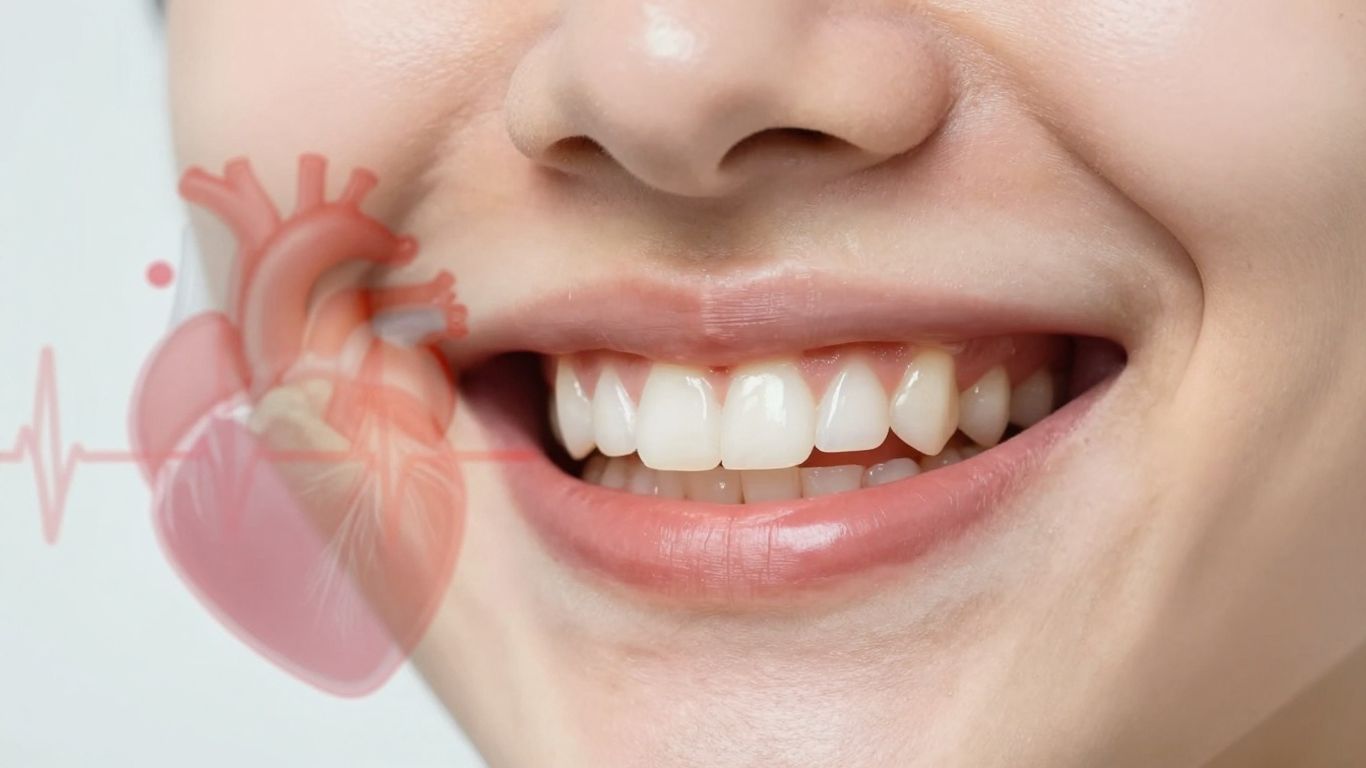

It might not be the first thing you think of, but your mouth and your heart are more connected than you might realize. Problems with your gums, often called periodontal disease, can actually have a surprising impact on your heart health.
This connection isn’t just a coincidence; researchers are increasingly looking into it. We’re going to explore how taking care of your teeth and gums could be a simple step towards a healthier heart.
Key Takeaways
- Periodontal disease, or gum disease, is linked to a higher risk of heart problems like heart attacks and strokes.
- Inflammation is a common thread connecting gum disease and heart disease, as bacteria from the mouth can spread and cause issues elsewhere in the body.
- Shared lifestyle factors, such as smoking, poor diet, and excessive alcohol use, increase the risk for both periodontal disease and heart disease.
- Keeping your mouth clean through regular brushing, flossing, and dental check-ups is important for overall health, potentially including your heart.
- Adopting healthy habits like quitting smoking, eating well, and moderating alcohol can benefit both your oral hygiene and your cardiovascular well-being.
The Link Between Periodontal Disease And Heart Disease
It might seem strange to connect what happens in your mouth to the health of your heart, but there’s a definite connection. This isn’t just a passing thought; research points to a real oral systemic link. Basically, the health of your mouth can impact your overall body, and vice versa. The link between bad gums and heart problems is becoming clearer, and it mostly comes down to one big thing: inflammation.
Inflammation: The Common Culprit
When your gums get inflamed, like in gum disease (periodontitis), it’s not just a local problem. This chronic inflammation can spread. Think of it like a small fire that gets out of control. This inflammation can affect blood vessels throughout your body, including those in your heart. It’s a bit like how a small crack in a wall can eventually weaken the whole structure.
Bacteria’s Journey From Mouth To Heart
Your mouth is home to a lot of bacteria, and most of the time, they’re just hanging out. But when gum disease takes hold, these bacteria can get a free pass into your bloodstream.
This can happen during simple things like brushing your teeth or chewing food. Once these oral bacteria enter your bloodstream, they can travel to various parts of your body, including your heart. They’ve even been found in the plaque that clogs arteries, which is a major concern for heart health.
Shared Risk Factors For Both Conditions
It’s also worth noting that gum disease and heart disease often share the same risk factors. Things like smoking, eating a poor diet, and not taking care of yourself generally can increase your chances of developing both conditions. So, if you’re at risk for one, you might be at risk for the other, too. It’s like a double whammy. Here are some common risk factors:
- Smoking: This is bad for your gums and your heart.
- Diet: Consuming large amounts of sugar and processed foods can harm both your mouth and your cardiovascular system.
- Diabetes: This condition affects blood sugar and can make both gum disease and heart problems worse.
- Age: As people get older, they’re more likely to develop gum disease, and heart disease risk also increases.
Recognizing The Signs Of Gum Disease
It’s easy to overlook what’s happening in your mouth, but paying attention to your gum health is really important. Gum disease, also known as periodontal disease, doesn’t always announce itself with a big warning. Sometimes, the signs are subtle, and many people don’t realize they have it until it’s more advanced. Think of it like this: your mouth is the first stop for everything you eat and drink, and it’s also home to a lot of bacteria. When things get out of balance, those bacteria can cause trouble, starting with your gums.
Swollen, Red, Or Tender Gums
One of the first things you might notice is a change in how your gums look and feel. Healthy gums are typically a nice pink color and firm. If your gums look redder than usual or feel puffy and sore to the touch, that’s a signal. Sometimes, even just brushing your teeth can make them feel a bit sensitive or tender. This inflammation is often the body’s way of reacting to the buildup of plaque, that sticky film of bacteria that loves to hang out around your teeth.
Bleeding Gums And Bad Breath
This is a big one. If you’re seeing blood when you brush your teeth or floss, don’t just ignore it. It’s a pretty common sign that your gums are inflamed and irritated. It might happen even if you’re eating something a little tougher. Along with bleeding, persistent bad breath, or a bad taste in your mouth that doesn’t go away, can also point to gum issues. These symptoms often go hand in hand because the bacteria causing the inflammation are also the ones producing those unpleasant odours.
Changes In Tooth Alignment
As gum disease gets worse, it can start to affect the structures that hold your teeth in place. The infection can damage the bone and tissues supporting your teeth. This can lead to teeth shifting or feeling looser than they used to. You might notice gaps appearing between your teeth that weren’t there before, or your bite might feel different when you chew. Sometimes, dentures or other dental appliances might start to fit poorly because the underlying gum and bone structure has changed. It’s a sign that the disease has progressed and is affecting more than just the gum tissue.
How Periodontal Disease Impacts Cardiovascular Health
It might seem strange, but the health of your gums really does have a connection to your heart. When you have gum disease, often called periodontal disease, it’s not just your mouth that’s affected. This condition is basically an inflammation of the gums, and that inflammation doesn’t always stay put. It can actually spread and cause problems elsewhere in the body, particularly with your heart and blood vessels. People with gum disease are often found to have a higher risk for heart attacks and strokes compared to those with healthy gums. It’s a bit like a domino effect; problems in one area can trigger issues in another.
Increased Risk of Heart Attack and Stroke
Research suggests that having periodontal disease can significantly raise your chances of experiencing a heart attack or stroke. Some studies show this risk can be two to three times higher. This isn’t just a small jump; it’s a notable increase that points to a serious link. The chronic inflammation associated with gum disease is thought to play a big role here.
This inflammation can affect your entire body, including the delicate lining of your blood vessels, making them more susceptible to problems that can lead to these serious cardiovascular events. It’s a stark reminder that taking care of your mouth is also about your overall health.
Contribution to Artery Narrowing
One way gum disease appears to affect heart health is by contributing to the narrowing of arteries, a condition known as atherosclerosis. When bacteria from infected gums enter the bloodstream, they can travel to arteries throughout the body. Here, they can trigger an inflammatory response. This response can lead to the buildup of fatty plaques inside the artery walls.
Over time, these plaques can harden and narrow the arteries, restricting blood flow. This makes it harder for blood to reach the heart and brain, increasing the risk of heart attacks and strokes. It’s a gradual process, often without noticeable symptoms, until a significant blockage occurs.
Worsening of Existing Heart Conditions
If someone already has a heart condition, periodontal disease can, unfortunately, make things worse. The ongoing inflammation and the presence of oral bacteria in the bloodstream can put extra strain on an already compromised cardiovascular system. For instance, individuals with conditions like heart failure or those who have had previous heart attacks might find their symptoms flare up, or their condition becomes harder to manage when they also have untreated gum disease.
The body’s fight against the gum infection can exacerbate the stress on the heart, potentially leading to more severe outcomes. This highlights why a holistic approach to health, addressing both oral and heart issues, is so important.
The Role Of Bacteria In Cardiovascular Events
You know, it’s pretty wild how tiny things can cause such big problems. When you have gum disease, it’s not just your mouth that’s suffering. Those little bacteria causing all the trouble can actually pack their bags and travel. It sounds like something out of a sci-fi movie, but it’s real.
Bacteria Entering The Bloodstream
Think about it: your gums are inflamed and maybe a bit sore. Everyday things, like just brushing your teeth or even chewing a crunchy apple, can be enough to push those bacteria from your mouth right into your bloodstream. Once they’re in there, they can go pretty much anywhere in your body. It’s like they’ve found a highway system to travel through.
Triggering Immune Responses And Inflammation
When these oral bacteria show up where they’re not supposed to be, your body’s defense system kicks into high gear. It’s like a general alarm goes off. Your immune system sends out white blood cells to fight them off. This whole process causes inflammation. Now, a little inflammation is normal, but when it persists because bacteria keep recurring, it can really start to mess with your blood vessels. This ongoing inflammation is a major factor in why gum disease is linked to heart problems.
Presence Of Oral Bacteria In Arterial Plaques
Here’s where it gets even more interesting, and honestly, a little concerning. Scientists have actually found these oral bacteria living inside the plaques that build up in people’s arteries. That’s pretty far from the mouth, right? It suggests that these bacteria aren’t just passing through; they can settle in and contribute to the problem. They can make those plaques more unstable and more likely to break apart, which can then lead to blood clots. And as we know, blood clots are a major cause of heart attacks and strokes.
Improving Oral Hygiene For Better Heart Health
Consistent Brushing and Flossing Habits
Taking care of your teeth and gums every day is a big part of looking after your heart. It might seem simple, but brushing your teeth at least twice a day and flossing daily really makes a difference. Think of it like this: brushing gets the main surfaces, but flossing reaches into those tight spots between your teeth where nasty bacteria love to hang out. If you miss those spots, the bacteria can build up, leading to gum problems.
As we’ve discussed, gum problems can affect your heart. So, make it a habit. Set a reminder on your phone if you need to. It’s a small effort that pays off big time for your overall health.
The Importance of Regular Dental Cleanings
While brushing and flossing at home are super important, they aren’t the whole story. Visiting your dentist for regular check-ups and professional cleanings is also key. Dentists and hygienists have special tools that can remove plaque and tartar you just can’t remove on your own, even with the best brushing. These cleanings help prevent gum disease from starting or getting worse. It’s recommended to visit at least twice a year, but your dentist may suggest more frequent visits depending on your oral health.
Dietary Choices That Benefit Oral and Heart Health
What you eat affects both your mouth and your heart. Cutting back on sugary drinks and snacks is a good start for your teeth, as sugar feeds the bacteria that cause cavities and gum issues. Plus, a diet high in sugar isn’t great for your heart either. Focusing on a balanced diet rich in fruits, vegetables, and whole grains can help keep both your mouth and your cardiovascular system healthy. It’s all connected, so making smart food choices is a win-win.
Lifestyle Choices Affecting Periodontal And Heart Health

What we do in our daily lives has a big impact on both our mouths and our hearts. Think of it like this: your body is all connected, so taking care of one part often helps the others. Making smart choices about how you live can really help prevent gum disease and keep your heart strong.
Quitting Smoking For Overall Well-being
Smoking is a major player when it comes to health problems, and it’s no different for your gums and your heart. When you smoke, you’re not just breathing in harmful chemicals; you’re also making it harder for your body to fight off infections, including the ones that cause gum disease. Plus, smoking really messes with your blood vessels, making it easier for plaque to build up and increasing your chances of a heart attack or stroke. It’s tough to quit, for sure, but the benefits are huge. Not only will your gums thank you, but your heart will too. It’s one of the best things you can do for your overall health, period.
Moderating Alcohol Consumption
We all like to relax sometimes, and a drink can be part of that. However, drinking too much alcohol can dry out your mouth, which is bad news for your oral health. Saliva actually helps wash away food particles and neutralize acids, so when you don’t have enough, bacteria can have a field day. This can lead to more plaque buildup and a higher risk of gum problems. On the heart side, heavy drinking can raise blood pressure and contribute to other heart issues. Finding a balance is key. If you do drink, try to stick to moderate amounts and make sure you’re still keeping up with good oral hygiene.
Adopting A Heart-Healthy Diet
What you eat really matters, not just for your weight or energy levels, but for your mouth and heart health specifically. A diet packed with sugary drinks and processed snacks is a double whammy – it feeds the bad bacteria in your mouth, leading to cavities and gum disease, and it contributes to inflammation and plaque buildup in your arteries. On the flip side, focusing on a diet rich in fruits, vegetables, whole grains, and lean proteins can help reduce inflammation throughout your body. These foods provide the nutrients your body needs to fight off disease and keep your systems running smoothly. Think of it as fueling your body for long-term health, from your teeth all the way to your heart.
Frequently Asked Questions
How can gum disease affect my heart?
Gum disease, also called periodontal disease, involves inflammation in your gums. This inflammation can spread to your bloodstream and affect your heart. Bacteria from your mouth can travel to your heart, causing infections and making inflammation worse. This can increase your chances of having heart problems like heart attacks or strokes.
What are the signs of gum disease?
You might have gum disease if your gums are swollen, red, or feel sore. Gums that bleed easily, especially when you brush or floss, are another common sign. You might also notice persistent bad breath, or your teeth might seem to be moving apart or feel loose.
Can bacteria from my mouth really harm my heart?
Yes, it’s possible. When you have gum disease, the bacteria causing it can enter your bloodstream through inflamed gums. Once in your blood, these bacteria can travel to other parts of your body, including your heart and blood vessels. They can cause inflammation and contribute to the buildup of plaque in your arteries, which is a major risk factor for heart disease.
Are there other things that increase the risk for both gum disease and heart disease?
Absolutely. Things like smoking, eating a poor diet, and not taking care of your teeth and gums regularly are risk factors for both conditions. If you have conditions like diabetes or high blood pressure, they can also make you more prone to gum disease and heart problems.
How can I improve my oral hygiene to help my heart?
Taking good care of your mouth is key. This means brushing your teeth at least twice a day and flossing daily to remove plaque and bacteria. Regular dental check-ups and cleanings are also very important to catch and treat any problems early.
Does flossing really make a difference for heart health?
Some studies suggest that regular flossing may help lower the risk of strokes. While more research is needed, flossing helps remove bacteria and reduce inflammation in the mouth. Since inflammation is linked to heart disease, keeping your mouth healthy through habits like flossing is a good step for your overall well-being.
Discussion about this post