

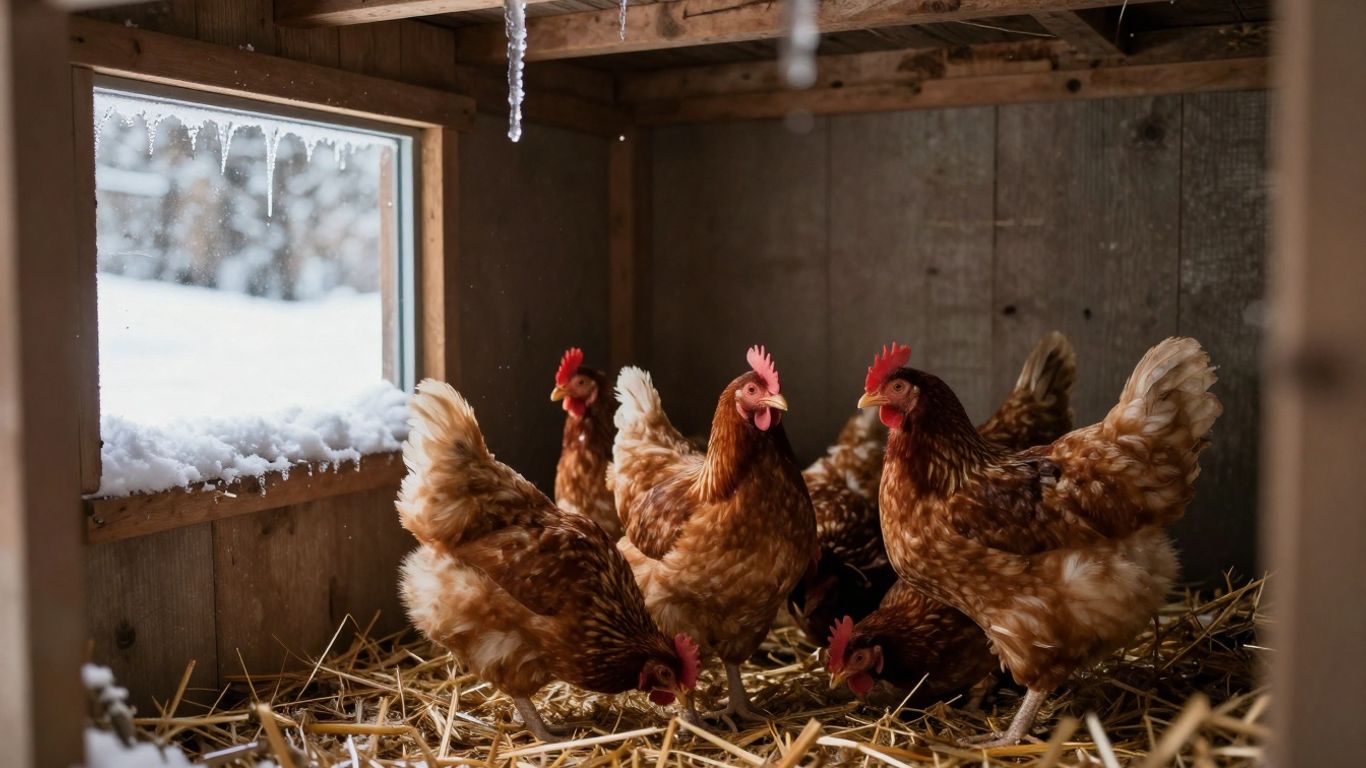

Getting your chicken coop ready for winter doesn’t have to be a huge chore. Chickens are pretty tough birds, honestly, and they’ve got their own built-in insulation with all those feathers.
But still, a little prep work goes a long way to make sure your flock stays comfy and healthy when the temperatures drop. We’re going to walk through how to winterize your chicken coop so you don’t have to stress about them freezing.
Key Takeaways
- Clean out the coop thoroughly and assess its size to make sure it’s not too big or too small for your flock.
- Ensure good ventilation by adding holes near the roof and using windows, but block drafts to keep the birds warm.
- Use insulating bedding like straw or hemp, and consider the deep litter method for added warmth.
- Protect your birds from wind and snow, secure automatic doors, and make sure they have safe outdoor access.
- Prevent water from freezing using heated waterers or DIY methods, and provide energy-rich foods like corn.
Preparing Your Chicken Coop For Winter
Getting your chicken coop ready for the cold months is a big part of keeping chickens warm in winter. It might seem like a lot, but really, it’s about making a few smart adjustments so your flock stays comfortable and healthy.
This isn’t about turning your coop into a tropical paradise; chickens are surprisingly tough birds, thanks to their natural feather insulation. But they do need a little help to get through the harshest weather. A well-prepared coop makes winter chicken care much easier for you, too. Think of this as your basic winter chicken care guide for the coop itself.
Clean Out The Coop Thoroughly
Before the really cold weather hits, give your coop a good deep clean. If you use the deep litter method, this means scraping out the old, caked-on droppings from the walls, roosts, and floor. Even if you don’t use deep litter, a clean slate is always best. This gets rid of ammonia buildup that can freeze and cause problems, and it just makes everything fresher for the new bedding you’ll add.
Assess Coop Size For Flock
It sounds odd, but sometimes a coop can be too big in winter. While you want enough space for your birds to move around, a cavernous coop is harder for them to keep warm. Chickens generate body heat, and when they huddle together, they warm each other up.
If your coop is excessively large for your flock size, consider if you can section off a portion of it temporarily. You want them close enough to share warmth but not so crowded that they’re uncomfortable or stressed.
Seal Drafts While Maintaining Ventilation
This is a tricky balance. You absolutely need to seal up drafts – those direct streams of cold air that can chill your birds. Check around windows, doors, and any other openings. Use caulk or wood to close gaps. However, you must still allow for air exchange.
Stale, moist air needs to escape, or you’ll end up with condensation, which can lead to frostbite and respiratory issues. We’ll talk more about ventilation in the next section, but for now, focus on blocking those direct, biting winds while keeping some airflow going.
Ensuring Proper Ventilation In The Coop
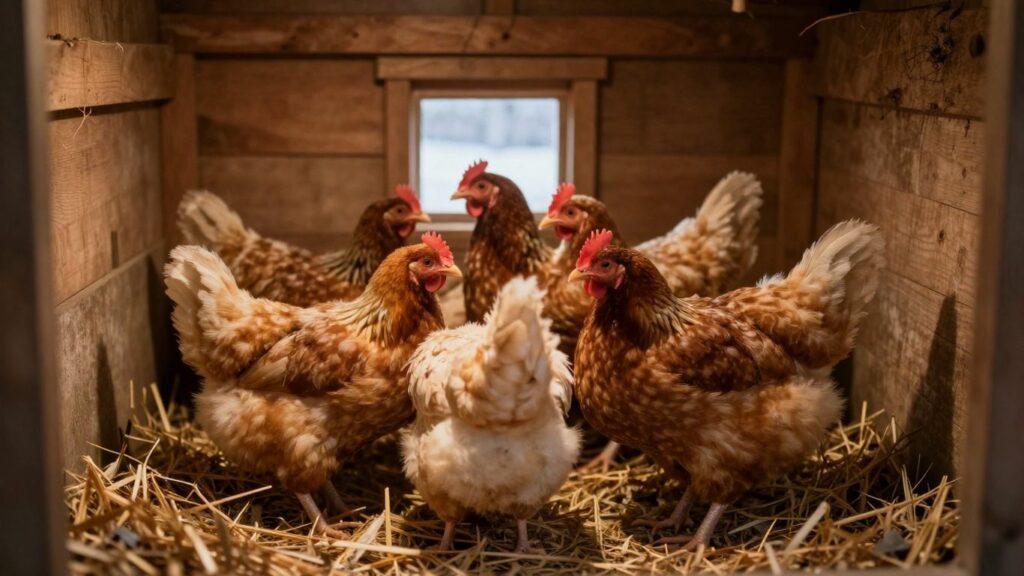
When winter rolls around, it’s tempting to seal up your chicken coop tighter than a drum to keep out the cold. But here’s the thing: your flock still needs fresh air! It’s all about finding that sweet spot between keeping the warmth in and letting stale air out. Good ventilation is super important year-round, but especially when it’s chilly. It helps get rid of moisture, which can lead to frostbite, and also clears out ammonia fumes from droppings that can mess with your birds’ lungs. Plus, nobody likes a dusty, stuffy coop, right?
Ventilation Holes Near The Roof
Think of ventilation holes like tiny windows for air. You want these placed up high, near the roof. Why? Because warm, moist air rises, and you want that to escape. Putting them high up means the cold air won’t blow directly onto your chickens while they’re trying to sleep on their roosts. A good setup often involves having at least two openings, ideally on opposite sides of the coop, to get a nice cross-breeze going. Make sure these holes are covered with sturdy hardware cloth to keep out any unwanted critters.
Using Windows And Drapes
Windows can be your best friend for ventilation, but you’ll need to adjust them for winter. During warmer months, you might have windows wide open. For winter, you can close them up. Some folks use temporary “drapes” made of plastic sheeting or tarps to cover parts of the coop, especially lower down, to block wind and snow. Just be careful not to cover up your high ventilation holes! The idea is to block drafts while still allowing that essential air exchange.
Preventing Moisture Buildup
Moisture is the enemy of a warm, healthy coop in winter. It’s what causes frostbite and makes everything feel damp and cold. Besides good ventilation, keeping the coop clean is key. Using the deep litter method, where you add fresh bedding on top of old, helps absorb moisture.
Also, dealing with droppings promptly, maybe with a droppings board you scrape daily, can make a big difference. The goal is to keep the air inside as dry as possible, and that means managing both drafts and moisture carefully.
Insulating Your Chicken Coop
Keeping your flock warm during the colder months is all about trapping heat and preventing the cold from seeping in. Insulation plays a big role in this, and there are a few ways to go about it. It’s not just about piling on bedding, though that helps too. We’re talking about making the coop itself a warmer place to be.
Choosing The Right Bedding
Bedding is your first line of defense against a chilly coop floor. While many people use pine shavings year-round, they’re especially important in winter. They create a fluffy layer that traps air and keeps the cold ground from chilling your birds. Some folks swear by hemp bedding, saying it’s a great insulator and even helps with composting. Whatever you choose, make sure it’s deep enough to provide a good cushion.
The Deep Litter Method
This is a popular method for a reason. You start with a thick layer of bedding, like pine shavings, in the fall. As the chickens scratch around and add their droppings, the bedding decomposes. This decomposition process actually generates a bit of heat, which is a nice bonus.
You just keep adding more bedding on top throughout the winter, and then do a big clean-out in the spring. It’s a simple way to keep the coop warmer and reduce how often you have to do a full clean.
Benefits Of Hemp Bedding
Hemp bedding is gaining popularity for chicken coops, and for good reason, especially in winter. It’s a fantastic insulator, meaning it helps keep the coop warmer. Plus, it’s absorbent and helps control odors. Some owners find it makes winter coop maintenance a bit easier because it composts well.
It’s also less likely to freeze than some other bedding types, which is a big plus when temperatures really drop. Just remember, no matter what bedding you use, keep it dry to prevent moisture issues.
Protecting Your Flock From The Elements
When winter rolls around, you’ve got to think about how to shield your chickens from the worst of it. It’s not just about keeping them from freezing, but also about protecting them from biting winds and heavy snow.
Blocking Wind and Snow
Cold winds can make even a mild temperature feel much colder for your birds. Think of it like the wind chill factor for us – it really ramps up the cold. A good windbreak around the coop and run can make a huge difference. This can be as simple as using straw bales stacked up on the windward side, or even attaching solid panels like plywood or thick plastic sheeting to the outside of the run.
Just make sure you don’t completely seal everything up; you still need air moving through the coop, which we’ll talk about more later.
- Straw Bales: Stack them on the sides facing the prevailing winter winds. They’re cheap and easy to replace.
- Solid Panels: Plywood, OSB, or even thick, rigid plastic sheets can be attached to the outside of your run fencing. This offers a more permanent solution.
- Tarps: While a tarp can block wind, be careful it doesn’t trap moisture or create a dark, damp environment. Ensure it’s secured well so it doesn’t flap around and scare the birds.
Securing Automatic Coop Doors
Automatic coop doors are a lifesaver, especially when it’s dark and cold. They make sure your birds are safely tucked inside when night falls. Even with an automatic door, it’s a good habit to do a quick headcount each evening. You don’t want a straggler out in the run who misses the door closing. A bird left out overnight in freezing temperatures is at serious risk for frostbite or worse.
Providing Safe Outdoor Access
Even in winter, chickens need a chance to get some fresh air and exercise. If snow is piling up, they might be hesitant to go outside. You can help by clearing a path from the coop door to their outdoor space, especially to their water source. A few inches of snow can be a big barrier for a chicken who doesn’t want to get its feet wet. If you have a covered run, that’s even better, as it provides a dry space for them to roam even when it’s snowing or raining.
Keeping Water And Food Accessible
Chickens need constant access to fresh water and food, especially in the winter. Their digestion speeds up in the cold to keep them warm, meaning they eat and drink more. Making sure their supply doesn’t freeze is a big part of winterizing.
Preventing Water From Freezing
This is probably the trickiest part of winter chicken care. Dehydration is a real danger when the air is cold and dry. You’ve got a couple of main ways to tackle this: using electricity or going without.
- Electric Options: These are generally more reliable when it gets really cold. You can buy heated waterers specifically for poultry. They usually have a base that keeps the water just above freezing. It’s a good idea to plug these into a GFCI outlet for safety, just like you would any appliance indoors. Some folks use heated pet bowls too, which can be a bit cheaper. Just be sure to check them daily to make sure they’re still working and the water hasn’t frozen over.
- Non-Electric Tricks: For milder cold snaps, you can try a few things. Setting black bowls in sunny spots can help absorb heat, but this can also encourage algae growth. Some people rig up a system where a small ball or bottle bobs in the water, which keeps it moving and can prevent freezing for a while. Another idea is to wrap water lines with heat tape. If you’re home a lot, simply swapping out frozen water buckets a few times a day might be enough.
Remember, even if you have a heated waterer, it’s smart to check it every day. Sometimes the waterer itself can fail, or there might be an issue with your extension cord setup.
Using Heated Waterers
Heated waterers are a popular choice for a reason. They use very little electricity, so they won’t make your power bill jump. They’re designed to heat the water just enough to stop it from freezing, so they aren’t a fire hazard like a heat lamp might be. While they are an investment, they save you a lot of hassle compared to constantly replacing frozen water.
| Method | Pros | Cons |
|---|---|---|
| Heated Waterer | Reliable, low electricity use | Initial cost, can eventually fail |
| Heated Pet Bowl | Cheaper than poultry waterer | May not be as durable, can be tipped over |
| DIY Bobbing Ball | Very cheap | Only works in mild temps, needs monitoring |
| Heat Tape | Good for pipes/lines | Requires electricity, can be a fire hazard |
Providing Energy-Rich Foods
Chickens need extra calories in the winter to stay warm. Think of it like us wanting heartier meals when it’s cold out. Feeding them a bit of corn or other grains in the late afternoon can give them something to digest overnight, generating body heat. Just don’t overdo it, as you don’t want them getting too fat. A good quality layer feed should still be their main diet, but a little treat of scratch grains can go a long way on a chilly evening.
Addressing Specific Winter Concerns
Avoiding Supplemental Heat Sources
Most folks think adding a heater to the coop is the best way to keep chickens warm, but honestly, it’s usually not needed and can even be dangerous. Chickens are built for the cold, thanks to their feathers. Adding heat can mess with their natural ability to adjust to the weather, and worse, heat lamps are a major fire hazard.
We’ve all heard stories, and nobody wants to risk their coop and flock for a little extra warmth. Unless you have very young chicks or a specific breed that struggles, it’s best to skip the extra heat. Focus on good insulation and ventilation instead; that’s usually more than enough.
Dealing With Frostbite
Even with the best preparations, frostbite can still happen, especially on combs, wattles, and toes. Breeds with larger combs and wattles are more susceptible. If you notice any signs, like a dark or blackish discoloration, don’t panic.
You can gently apply a protective balm, like one made with lanolin or petroleum jelly, to the affected areas. This creates a barrier against the cold. For minor frostbite, a soothing wound spray can help with healing. Keep an eye on your birds, and if you’re worried, it’s always a good idea to ask your vet.
Managing Stress During Winter
Winter can be tough on chickens, not just because of the cold, but also due to shorter days and being cooped up more. This can lead to stress. You can help by making sure they have plenty to do. Offer treats like scratch grains or cracked corn, especially before bedtime, as the digestion process creates body heat.
Adding extra vitamins and minerals to their water can also give them a boost. And don’t forget dust baths! Even indoors, a good dust bath keeps them clean and occupied. A calm flock is a healthy flock, so keeping them entertained and well-fed goes a long way.
Frequently Asked Questions
Why is ventilation so important in a chicken coop during winter?
Even though it’s cold, chickens create a lot of heat and moisture inside their coop. Good ventilation lets this moisture escape. If it stays trapped, it can lead to damp bedding, which can cause frostbite on their combs and wattles, and even respiratory problems. You want to let stale air out and fresh air in without creating cold drafts that blow directly on the birds.
Should I use a heater in my chicken coop during winter?
Generally, no. Most chickens are quite hardy and their feathers provide excellent insulation. In fact, adding a heater can be dangerous because it can cause fires. Also, if the heater fails, the sudden temperature drop can shock your flock. It’s better to focus on good insulation, ventilation, and keeping their water from freezing.
How can I stop my chickens’ water from freezing?
This is a common challenge! You can use heated waterers, which plug into an outlet. Another option is to bring the water inside overnight and set it out in the morning. Some people also use a low-wattage bulb in a metal tin under the waterer to create gentle heat. The key is to make sure they always have access to liquid water.
What’s the best type of bedding for a chicken coop in winter?
Thicker bedding helps insulate the coop. Materials like straw or wood shavings work well. The ‘deep litter method’ is popular, where you let bedding build up over time. As the chickens scratch and poop, the bedding decomposes, creating gentle heat. Hemp bedding is also a great option because it’s absorbent and insulating.
How do I protect my chickens from wind and snow?
If your coop has an open run, you can block harsh winds and snow by covering parts of it. Using materials like plexiglass, hard plastic sheets, or even heavy-duty plastic wrap can create a barrier. Just remember to still allow for good ventilation at the top, so moisture doesn’t get trapped inside.
My chickens seem stressed in winter. What can I do?
Winter weather can be tough on chickens. You can help by making sure they have plenty of energy-rich food, like scratch corn, especially before bedtime, as digestion helps them stay warm. Adding extra vitamins and nutrients to their water can also support their immune system. Providing them with a dust bath area, even indoors, can also help keep them entertained and clean.
Discussion about this post