

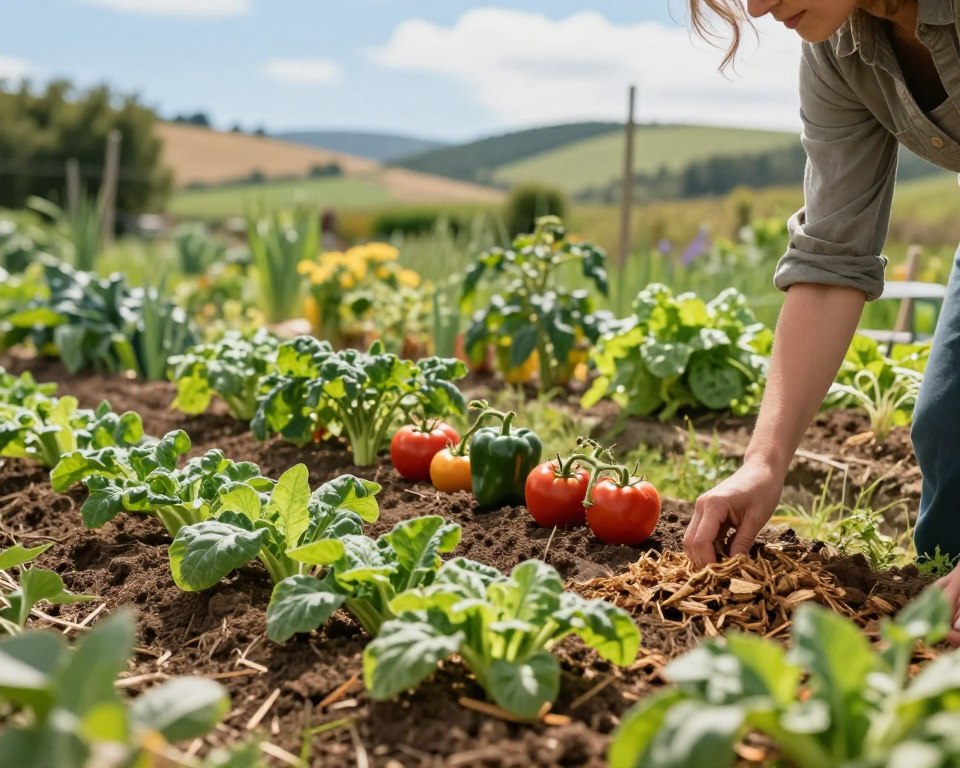

More gardeners are turning to sustainable agriculture practices. They’re avoiding tilling to keep the soil healthy and intact.
This approach helps the environment and gardeners. It cuts down on soil erosion and boosts water retention. It also helps create a balanced ecosystem in gardens.
No-till gardening is great for areas with sensitive soil. It keeps the soil strong while allowing for a productive garden. By learning about this method, you can start your own no-till garden.
No-Till Gardening
No-till gardening is a way to garden that’s better for the planet. It keeps the soil undisturbed, which helps it stay healthy and strong.
Traditional Tilling vs. No-Till Approaches
Traditional tilling uses tools like rototillers to break up the soil. This can harm the soil and upset its balance. No-till gardening, on the other hand, avoids these disturbances, making the soil healthier.
The table below shows the main differences between traditional tilling and no-till gardening:
| Aspect | Traditional Tilling | No-Till Gardening |
|---|---|---|
| Soil Disturbance | High | Minimal |
| Soil Health | Can be damaged | Preserved |
| Labor Intensity | High | Lower |
Historical Context and Modern Applications
No-till gardening has been around for ages, where little soil disturbance was common. Today, it uses new methods and materials, like organic mulch, to make the soil better.
This approach means less watering and weeding, making gardening more eco-friendly. By choosing no-till gardening, gardeners help keep the soil healthy. This is key for sustainable garden maintenance.
The Science of Soil Health in No-Till Systems
No-till gardening is a game-changer for soil health in sustainable agriculture. It keeps the soil intact, which helps keep organic matter, fights erosion, and boosts good microbes.
No-till gardening does wonders for soil. It stops erosion by covering the soil with organic stuff and plant leftovers. This protects the soil from erosion and makes it better over time.
How No-Till Practices Improve Nigerian Soils
In Nigeria, where soil is often damaged, no-till gardening is a ray of hope. It helps farmers improve soil health, grow more crops, and support sustainable agriculture.
| Benefits of No-Till Gardening | Impact on Soil Health |
|---|---|
| Reduced Soil Erosion | Preserves soil organic matter and structure |
| Increased Soil Organic Matter | Enhances soil fertility and microbial activity |
| Improved Soil Structure | Supports healthier root growth and water infiltration |
The table shows no-till gardening’s benefits for soil health. It reduces erosion, improves structure, and boosts organic matter. These are key for sustainable agriculture in Nigeria.
No-till gardening is a big step for Nigerian farmers. It helps them care for the soil and support sustainable agriculture. As farming evolves, no-till methods will be more important for soil health and the environment.
Key Benefits of No-Till Gardening
No-till gardening has many advantages, like helping the environment and boosting biodiversity. It makes gardens healthier and more sustainable. Gardeners can see big improvements by using no-till methods.
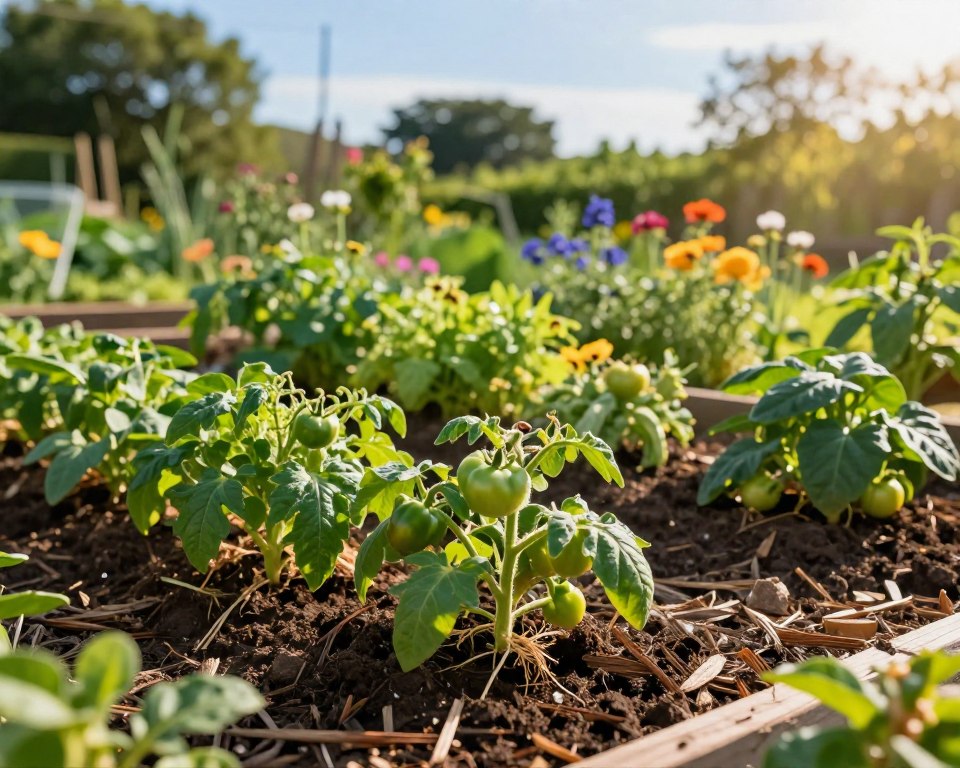
Carbon Sequestration and Climate Impact
No-till gardening is key in capturing carbon. It keeps the soil intact, which helps keep carbon in the soil. This action reduces CO2 in the air and helps stabilize the climate.
- Reduces soil erosion and degradation
- Enhances soil carbon storage
- Contributes to climate change mitigation
No-till gardening also boosts biodiversity. It creates a better home for insects, microorganisms, and wildlife. The soil stays undisturbed, and crop residues stay in place.
The benefits of biodiversity in no-till gardens include:
- Increased ecosystem services
- Improved soil health through diverse microbial activity
- Enhanced resilience to pests and diseases
Choosing no-till gardening helps the environment. It combines carbon capture and biodiversity, making it a great choice for eco-friendly gardening. It’s a way to reduce environmental impact while keeping your garden productive.
Essential Tools and Materials for No-Till Gardening
Choosing the right tools is key for no-till gardening. This method keeps the soil healthy by not disturbing it too much. It makes garden care easier.
For no-till gardening, you’ll need organic mulch, compost, and cardboard or newspaper. Mulch keeps weeds away and helps the soil stay moist and cool.
Local Alternatives to Commercial Mulch
Instead of buying mulch, try using dry grass clippings or tree leaves. These are easy to find and work well in your garden.
Sourcing Materials in Urban vs. Rural Areas
Finding materials can be different in cities and countryside. Cities might have cardboard or newspaper. Rural areas often have straw or animal manure.
With the right tools and materials, your no-till garden will flourish. It will need less care and keep the soil healthy.
How to Convert an Existing Garden to No-Till
Switching your garden to no-till is good for you and the planet. It cuts down on soil disturbance. It also helps keep the soil healthy and strong.
Gradual Conversion Techniques
If you’re new to no-till, start slow. Begin by tilling less often and not as deep. Only till the rows where you’ll plant, leaving other soil untouched.
Gradual conversion lets the soil adjust slowly, reducing shock.
| Conversion Step | Description | Timeline |
|---|---|---|
| Reduce Tilling Depth | Start tilling less deeply to minimize soil disturbance. | First Season |
| Limit Tilled Area | Only till the areas where you will be planting. | Second Season |
| Cease Tilling | Stop tilling altogether and maintain a layer of mulch or compost. | Third Season |
Immediate Conversion Strategies
Some gardeners choose to go no-till right away, if their soil is good. First, stop tilling. Then, cover the soil with a thick layer of mulch or compost. This helps control weeds and keeps the soil temperature right.
Going no-till right away needs careful planning. Make sure the soil is ready with organic matter. Watch out for weeds too.
- Clear the garden of weeds and debris.
- Apply a thick layer of mulch or compost.
- Plant directly into the mulch or compost layer.
Choosing gradual or immediate conversion, patience and watching your soil are key. Adjust your plans as you see how your soil responds.
Starting a New No-Till Garden from Scratch
Starting a no-till garden means knowing your local climate, soil, and materials. This method is good for the soil and helps prevent erosion.
First, check your climate and soil type. This info helps pick the right crops and materials for your garden.
Considerations for Coastal Regions
Gardening by the coast has its own set of problems, like salt and shifting sands. Use crops that can handle salt and add organic matter to your soil. This improves its health and fertility.
Adaptations for Northern Nigerian Gardens
In Northern Nigeria, no-till gardening saves water and fights erosion. Use crops that don’t need much water and mulch to keep soil moist.
The table below shows important tips for starting a no-till garden in different places:
| Region | Climate Considerations | Soil Type | Recommended Crops |
|---|---|---|---|
| Coastal | High salt levels, high winds | Sandy or saline soils | Salt-tolerant crops like spinach and kale |
| Northern Nigeria | Hot and dry climate | Sandy or clay soils | Drought-tolerant crops like cowpeas and millet |
Knowing your local climate, soil, and materials helps make a great no-till garden. It’s tailored to your area’s needs.
No-till gardening is sustainable and rewarding. It works in many climates and soils. With the right planning, you can have a big harvest and help the environment.
Managing Weeds in a No-Till Garden
Weeds can be a big problem in no-till gardens. But, there are ways to handle them. Keeping weeds under control is key to keeping the soil healthy and your garden thriving.
Identifying Common Problem Weeds
First, you need to know what weeds you’re dealing with. In no-till gardens, you’ll often find Striga (witchweed), Imperata cylindrica (cogon grass), and Ageratum conyzoides (billygoat weed). These weeds can steal water, nutrients, and sunlight from your crops.
| Weed Type | Description | Impact on Garden |
|---|---|---|
| Striga | Parasitic weed that attaches to crop roots | Significant reduction in crop yield |
| Imperata cylindrica | Aggressive grass with sharp leaves | Competes with crops for resources |
| Ageratum conyzoides | Broadleaf weed with blue-purple flowers | Hosts pests and diseases |
Natural Suppression Methods
There are natural ways to keep weeds down in no-till gardens. Mulching is one method. It involves covering the soil with organic stuff like straw or wood chips. This stops weeds from growing and keeps the soil moist.
Another approach is using cardboard or newspaper to smother weeds. This method not only kills weeds but also adds nutrients to the soil as it decomposes. Using compost and cover crops can also help keep weeds away by making the soil healthier.
By using these methods together, you can manage weeds in your no-till garden. This will make your garden healthier and more productive.
Water Conservation in No-Till Systems
No-till gardening improves soil health, which helps save water. This makes it a key part of sustainable farming. The soil holds more water because it’s not disturbed often, so you don’t need to water as much.
Simple Systems for Small Gardens
Small gardens can use simple rainwater harvesting systems. These systems collect rain in barrels or tanks for irrigation. This saves water and cuts down on the need for city water.
| System Components | Description | Benefits |
|---|---|---|
| Rainwater Barrels | Collects rainwater from rooftops | Reduces stormwater runoff |
| First Flush Devices | Diverts initial roof runoff | Improves water quality |
| Irrigation Systems | Distributes collected water | Efficient water use |
Larger Collection Systems for Farms
Bigger farms can use bigger rainwater harvesting systems. These include ponds and complex irrigation networks. They need more planning and money but save a lot of water.
Crop Selection and Rotation for Nigerian No-Till Gardens
In Nigeria, gardeners using no-till methods need to know about crop rotation and selection. Crop rotation keeps the soil fertile and healthy. It also helps in controlling pests and diseases and boosts biodiversity.
Choosing the right crops for Nigerian no-till gardens is key. Traditional Nigerian crops like yams, cassava, and maize are great picks. They are tough and help the soil by their roots and leaves.
Traditional Nigerian Crops in No-Till Settings
Here are some traditional Nigerian crops that do well in no-till gardens:
- Yams: They keep the soil structure strong with their deep roots.
- Cassava: It’s good at growing in dry soil and can thrive in poor conditions.
- Maize: It’s flexible and can be rotated with legumes to make the soil more fertile.
A good crop rotation plan can make a no-till garden more productive. For instance, growing maize with legumes like cowpeas or groundnuts can increase soil nitrogen. This helps the next crops grow better.
By using smart crop rotation and selection, Nigerian gardeners can get the most out of no-till gardening. This leads to healthier soils and more sustainable farming.
Discussion about this post