



You spend a lot of time looking at screens, like computers, phones, or TVs. This can cause digital eye strain. Symptoms include dry eyes, headaches, and blurry vision.
With more time spent on digital devices, concerns about blue light and eye health have increased. Blue light glasses are suggested to help, claiming to lessen eye strain and better sleep.
But are they really necessary? Let’s dive into the world of blue light glasses. We’ll look at their benefits and the scientific evidence supporting their claims.
What Is Blue Light and Where Does It Come From?
As we use digital devices more, knowing about blue light is key. Blue light is a high-energy visible (HEV) light with a wavelength of 400-450 nanometers. It comes from devices like smartphones, computers, and TVs.
But blue light isn’t just from screens. It’s also in natural sunlight. Yet, the blue light from screens is more concerning because it’s closer to our eyes and we’re exposed to it for longer.
How Blue Light Differs from Other Light Types
Blue light stands out because of its high energy and short wavelength. This allows it to penetrate deeper into the eye, causing strain and discomfort.
Digital Devices vs. Natural Sunlight
Natural sunlight contains blue light, too, but the worry with screens is the direct, prolonged exposure. Unlike sunlight, which we’re farther from, screens send blue light straight into our eyes.
| Source | Type of Blue Light Exposure |
|---|---|
| Digital Devices | Direct and Prolonged |
| Natural Sunlight | Indirect and Varied |
Blue light blocking glasses help by filtering out this light, which can lessen digital eye strain. By learning about blue light, you can choose the right blue light eyewear to protect against digital eye strain.
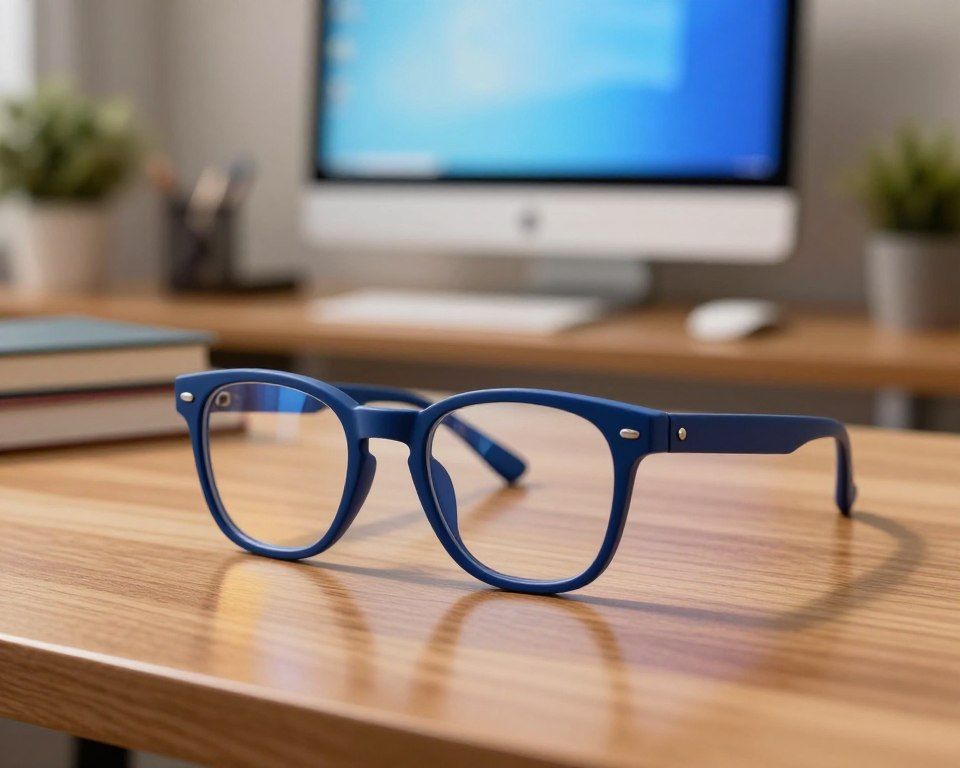
How Blue Light Affects Your Eyes and Body
As we use digital devices more, it’s key to know how blue light affects us. Blue light can cause eye strain, leading to discomfort and less productivity.
Digital eye strain can show up as dry eyes, headaches, and blurry vision. These symptoms are usually short-term but can really mess up your day if not fixed.
Differentiating Eye Strain from Other Vision Issues
It’s important to tell eye strain from other vision problems. Blue light can cause eye strain, but other things like screen brightness and distance also matter.
| Symptom | Possible Cause | Potential Solution |
|---|---|---|
| Dry Eyes | Reduced blinking during screen time | Follow the 20-20-20 rule: every 20 minutes, look away from your screen and focus on something 20 feet away for 20 seconds |
| Headaches | Eye strain or poor screen brightness | Adjust screen brightness and consider using blue light filtering glasses or apps that filter out blue light |
| Blurred Vision | Prolonged screen time or incorrect prescription lenses | Take regular breaks and ensure your prescription is up to date; consider computer glasses benefits for prolonged screen use |
Using anti-glare glasses benefits can also help by cutting down on screen glare.
Knowing what causes your symptoms is the first step to solving them. You can change your screen time habits, use special glasses, or just be more aware of how you use screens. There are many ways to lessen the bad effects of blue light.
The Rise of Blue Light Glasses
With more people using digital devices, blue light glasses have become popular. They block or filter blue light from screens, helping to reduce eye strain and vision problems.
As screen time increases, so does the need for blue light glasses. Companies are now making a variety of products. These not only protect your eyes but also match your style.
How Companies Position Their Products
Companies market blue light glasses as a fix for digital eye strain. This condition affects many who use digital devices a lot. Key marketing points include:
| Feature | Description | Benefit |
|---|---|---|
| Blue Light Blocking Lenses | Special lenses that filter out blue light | Reduced digital eye strain |
| Stylish Frames | Variety of frame styles to suit different tastes | Fashionable and protective |
| Prescription Options | Available with or without prescription lenses | Suitable for a wide range of users |
By making their products both useful and stylish, companies attract a wide audience. Now, you can find blue light glasses that not only ease eye strain but also fit your lifestyle.
Blue Light Glasses Benefits: What Manufacturers Claim
Manufacturers say blue light glasses can ease eye strain, better sleep, and maybe even protect eyes long-term. They believe cutting down on blue light from screens can help prevent eye problems. This is because blue light can hurt your eyes over time.
But how do blue light glasses work? They aim to lessen computer vision syndrome. This includes dry eyes, headaches, and blurry vision from too much screen time. By blocking blue light, they ease eye strain.
Another big claim is better sleep. Wearing these glasses in the evening helps your body get ready for sleep. Blue light can mess with your sleep cycle by lowering melatonin levels.
- Reduced eye strain from prolonged screen time
- Potential improvement in sleep quality
- Lower risk of long-term eye damage, though research is ongoing
These benefits sound promising, but we need to examine the science behind them. This will help us see if they really work.
What Science Actually Says About Blue Light
Research on the effects of blue light on health is ongoing. It’s important to understand what science says about blue light exposure when using digital devices.
Studies have examined the effects of blue light on the eyes. Some say it might cause digital eye strain. Digital eye strain includes dry eyes, headaches, and blurred vision. It’s a common problem in our digital world.
To understand the research, let’s look at some key findings:
| Study | Findings | Implications |
|---|---|---|
| Study on blue light and sleep disruption | Blue light before bed can mess with sleep. | Blue light glasses or apps might help sleep better. |
| Research on blue light and eye health | There’s mixed evidence on blue light and eye strain. | We need more research on blue light’s effects on eyes. |
| Investigation into blue light filtering glasses | Some studies show blue light glasses can lessen eye strain. | Blue light glasses might help reduce eye strain for some. |
While research gives us insights, it has its limits. Many studies have small groups or controlled settings. They might not show real-world effects. Also, we don’t know much about long-term exposure to blue light.
Thinking about blue light glasses? It’s key to look at the evidence and talk to eye doctors. They can give you tailored advice.
In summary, blue-light glasses might help reduce digital eye strain for some. But, we need more research to fully grasp blue light’s impact on health.
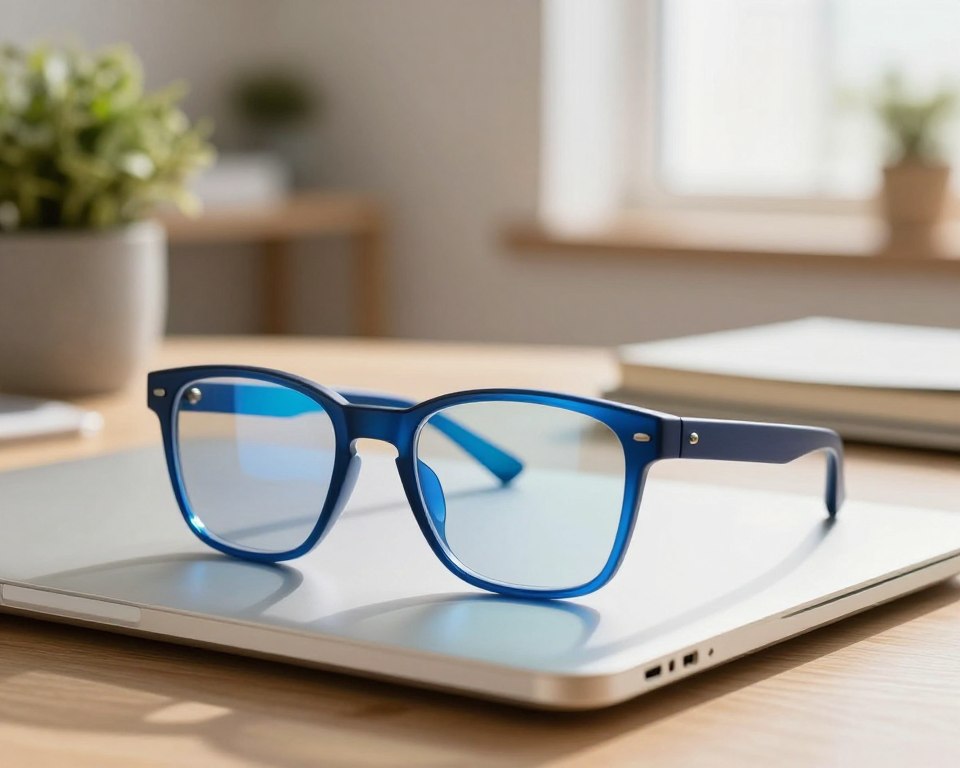
Who Might Benefit from Blue Light Glasses
More and more people use digital devices every day. This can lead to eye strain and sleep problems. If you spend a lot of time in front of screens, blue light glasses might help.
Jobs that involve a lot of screen time, like coding or writing, can benefit from blue-light protection eyewear. Students who study or play games on digital devices also might find them useful.
People with eye issues, such as dry eye or light sensitivity, can find relief with these glasses. They can also help those with cataracts or macular degeneration.
Even if you don’t have eye problems, blue-light glasses can help ease eye strain and headaches. They’re great for those who work at night or in dim light.
Knowing who can benefit from blue light glasses helps you decide if they’re for you. If you’re not sure, talking to an eye doctor can give you advice tailored to your needs.
Alternatives to Blue Light Glasses
You don’t need blue light glasses to protect your eyes. Making your workspace better is a great alternative. Blue light glasses help, but there are other ways to ease eye strain and computer vision syndrome.
Optimizing your lighting and workspace is key. Proper lighting can greatly reduce eye strain. Here are some tips:
Lighting and Workspace Optimization
- Position your computer to avoid glare on the screen.
- Use lighting that’s not too harsh or too dim.
- Adjust your screen’s brightness and contrast to comfortable levels.
- Follow the 20-20-20 rule: every 20 minutes, look away from your screen and focus on something 20 feet away for 20 seconds.
Adjusting your display settings can also help. Most devices let you change the screen’s color temperature, which reduces blue light. Taking breaks from digital devices also helps your eyes rest.
Using these alternatives to blue light glasses can help reduce your exposure to blue light. It’s about making smart choices for your workspace and digital habits.
How to Choose the Right Blue Light Glasses
With more people using digital devices, picking the right blue light glasses is key. There are many options out there. It’s important to know what you need.
Choosing blue light glasses means looking at the lens type. Blue light blocking glasses have yellow and clear lenses. Each has its own benefits and drawbacks.
Yellow vs. Clear Lenses: Pros and Cons
Yellow lenses block blue light well. They’re good for screen time, even in dim light. But, they can change how colors look, which might not be great for tasks needing color accuracy.
Clear lenses offer a gentler way to block blue light. They’re less noticeable and don’t mess with color perception as much. But they might not block as much blue light as yellow lenses do.
Deciding between yellow and clear lenses depends on how you’ll use them. Yellow lenses are best for blocking blue light at night. Clear lenses are better for everyday wear where you don’t want to change how colors look.
Knowing the blue light eyewear benefits and computer glasses benefits helps too. Think about what’s most important to you: function, comfort, or style. Picking the right glasses is about finding a balance for your needs.
The best choice depends on your lifestyle and what you want from your glasses. By considering these factors, you can choose glasses that are good for your eyes and comfortable to wear.
The Cost Factor: Are Blue Light Glasses Worth the Investment?
Considering the cost of digital eye-strain protection glasses is important. It’s key to understand the cost when considering blue light glasses.
Prices for blue light glasses vary. They can be cheap or expensive, based on the brand, quality, and features. Basic glasses start at about $20. More advanced models with extra features, such as prescription lenses or stylish frames, can cost over $100.
Budget vs. Premium Options
Choosing between budget and premium blue light glasses depends on your needs. If you just need basic protection, a cheaper option might work. But, if you’re on screens a lot, spending more on advanced glasses could be better.
| Feature | Budget Option | Premium Option |
|---|---|---|
| Price | $20-$50 | $100-$200+ |
| Lens Quality | Basic Blue Light Blocking | Advanced Blue Light Blocking with Prescription Options |
| Frame Style | Limited Styles | Variety of Fashionable Frames |
Whether blue light glasses are worth it depends on your situation and what you value most. If you’re worried about eye strain, looking into options that fit your budget and needs is a good idea.
Real User Experiences with Blue Light Glasses
Real user experiences give us a unique look at blue light glasses. Many people say these glasses help with eye strain and improve sleep. You might be curious about how they work in everyday life.
Those who work or use digital devices a lot often develop computer vision syndrome. This includes eye strain, headaches, and blurry vision. Blue light glasses aim to fix these problems. Many users say these glasses really help with eye discomfort.
Some benefits users have seen include:
- Less eye strain when looking at screens for a long time
- Better sleep because of less blue light before bed
But results can vary. Some might not see a big change, while others might noticeminor side effectslike slight color changes.
| User Group | Reported Benefits | Noted Drawbacks |
|---|---|---|
| Heavy computer users | Reduced eye strain, fewer headaches | Minor color distortion |
| Gamers | Improved visual comfort during gaming | Initial adjustment period |
| Nighttime device users | Better sleep quality | Some users report no significant difference |
Looking at these real experiences can help you decide if blue light glasses are for you.
Discussion about this post