


Gastroesophageal reflux disease (GERD) happens when stomach acid goes back up into the esophagus. This causes heartburn and discomfort. Knowing what triggers these episodes is key to managing symptoms.
Staying away from certain foods and habits can help reduce acid reflux. By choosing wisely in your acid reflux diet, you can ease symptoms and live better.
It’s important to understand how gerd triggers relate to your daily life. This article will look at common triggers and how to steer clear of them. It aims to help you manage GERD better.
GERD and Acid Reflux
Knowing the basics of GERD is key to managing its symptoms well. GERD, or Gastroesophageal Reflux Disease, happens when the lower esophageal sphincter (LES) doesn’t close right. This lets stomach contents flow back into the esophagus. This backflow, or acid reflux, can cause heartburn, chest pain, and trouble swallowing.
To find heartburn relief, it’s important to know what triggers GERD. Unlike occasional heartburn, GERD is a long-term issue that needs medical help. Symptoms can get worse with some foods, lifestyle choices, and other factors.
Some common symptoms of GERD include:
- Persistent heartburn
- Regurgitation of food
- Difficulty swallowing
- Chest pain
Getting a proper diagnosis is vital for managing GERD. This involves looking at your medical history, doing a physical exam, and sometimes, tests like endoscopy.
By understanding GERD and its triggers, people can manage their symptoms better. This includes changing what they eat, making lifestyle changes, and possibly taking medication for heartburn relief.
The Science Behind GERD Triggers
To manage GERD, it’s key to know the science behind its triggers. Certain foods and lifestyle factors can cause GERD symptoms. They do this by relaxing the lower esophageal sphincter or slowing down stomach emptying.
The lower esophageal sphincter (LES) is vital in keeping stomach acid out of the esophagus. If the LES relaxes too much, acid can flow back, causing acid reflux.
| Trigger | Effect on LES/Stomach |
|---|---|
| Fatty Foods | Delays stomach emptying |
| Caffeine | Relaxes LES |
| Alcohol | Relaxes LES and irritates the esophagus |
Knowing these triggers can help manage GERD symptoms better.
Identifying Your Personal GERD Triggers
To manage GERD well, you need to find out what makes it worse. This means watching your body and seeing how different things affect you.
Tracking Symptoms
Keeping a food diary is a great way to find your GERD triggers. Write down what you eat and drink, and any symptoms that follow. This helps you see patterns and what might be causing your symptoms.
Your food diary should note when you eat, what you eat, and how bad your symptoms are. This info helps you and your doctor figure out what’s causing your problems.
| Food/Drink | Time Consumed | Symptom Severity |
|---|---|---|
| Citrus Fruits | Breakfast | Moderate |
| Spicy Food | Lunch | Severe |
| Coffee | Morning | Mild |
By tracking your symptoms and linking them to possible causes, you learn a lot. This knowledge helps you manage your GERD better and live a better life.
Identifying gerd symptom triggers is a journey for each person. What works for one might not work for another. So, be patient and detailed in your search.
Dietary Triggers That Worsen Acid Reflux
Knowing what foods make acid reflux worse is key to managing GERD. Some foods can set off or make acid reflux symptoms worse. Knowing these can help you choose better foods.
Citrus fruits and tomatoes are common culprits for GERD. They are very acidic and can hurt the esophagus, causing heartburn. Avoiding or cutting down on these foods can help ease GERD symptoms.
Chocolate is another food that can cause acid reflux. It makes the lower esophageal sphincter relax, letting stomach acid flow back. Spicy or fatty foods can also make GERD symptoms worse by irritating the esophagus or slowing down stomach emptying.
| Food Item | Effect on GERD |
|---|---|
| Citrus Fruits | High acidity irritates the esophagus |
| Tomatoes | Acidic nature can cause heartburn |
| Chocolate | Relaxes the lower esophageal sphincter |
| Spicy/Fatty Foods | Irritates the esophagus or delays stomach emptying |
By knowing and avoiding these foods, you can manage GERD symptoms better. It’s about making smart food choices and paying attention to how foods affect you.
Beverages That Can Trigger GERD Symptoms
Drinks like alcohol and coffee can trigger GERD symptoms in some people. Drinking these can relax the lower esophageal sphincter (LES). This lets stomach acid flow back into the esophagus, causing discomfort.
Alcohol relaxes the LES and irritates the esophagus. Coffee, when drunk in large amounts, can also increase stomach acid. Reducing or avoiding these beverages is key to managing GERD.
Carbonated drinks can also trigger GERD symptoms. The carbonation process can cause stomach distension. This distension can put pressure on the LES, letting acid escape into the esophagus.
Knowing how different drinks affect GERD is important. By avoiding trigger beverages, symptoms can be reduced. Everyone reacts differently to drinks, so it’s important to find out which ones are most problematic.
Choosing the right drinks is a big part of managing GERD. Being aware of how drinks affect the body helps control symptoms. This improves quality of life.
Lifestyle Factors That Contribute to GERD
Many lifestyle choices can make GERD symptoms worse. It’s key to change these habits to lessen symptoms. Lifestyle changes can greatly affect how often and how bad these symptoms are.
What you eat is very important for managing GERD. Big meals can put too much pressure on the LES. This can make it open and let stomach acid go back up into the esophagus. Eating smaller, more frequent meals can help.
Being overweight or obese also plays a big role in GERD. Extra weight, mainly around the belly, can push on the stomach. This can make stomach acid flow back up into the esophagus. Keeping a healthy weight through diet and exercise can help.
How you sit and lie down can also affect GERD symptoms. Lying down after eating or bending over can let stomach acid flow more easily into the esophagus. Raising the head of your bed by 6-8 inches and not lying down after meals can help.
Additional Lifestyle Modifications
- Avoiding tight clothing that can put pressure on the stomach.
- Managing stress through relaxation techniques like meditation or deep breathing exercises.
- Avoiding smoking, as it can weaken the LES and reduce saliva production, which helps neutralize stomach acid.
By understanding and changing these lifestyle factors, people can manage their GERD symptoms better. It’s about making smart choices to avoid triggers and living a healthier life.
Medication-Related GERD Triggers
Medication can often trigger GERD symptoms. Some drugs relax the lower esophageal sphincter or irritate the esophagus. This can make GERD symptoms worse.
Antibiotics, pain relievers, and bisphosphonates are common culprits. Antibiotics can change gut bacteria, making GERD symptoms worse. Pain relievers, like NSAIDs, can irritate the esophagus. Bisphosphonates, used for osteoporosis, can irritate the esophagus if not taken right.
If you’re on medication and have GERD symptoms, talk to your doctor. They can check if your meds are causing your symptoms. They might suggest other options.
Knowing about GERD triggers from medications is key to managing symptoms. By understanding how your meds affect you, you can take steps to lessen their impact. This can greatly improve your life quality.
Creating a GERD-Friendly Diet Plan
A good GERD-friendly diet plan is key to managing symptoms and improving life quality. Focus on foods that don’t trigger acid reflux and those that help manage it. This way, you can lessen your discomfort.
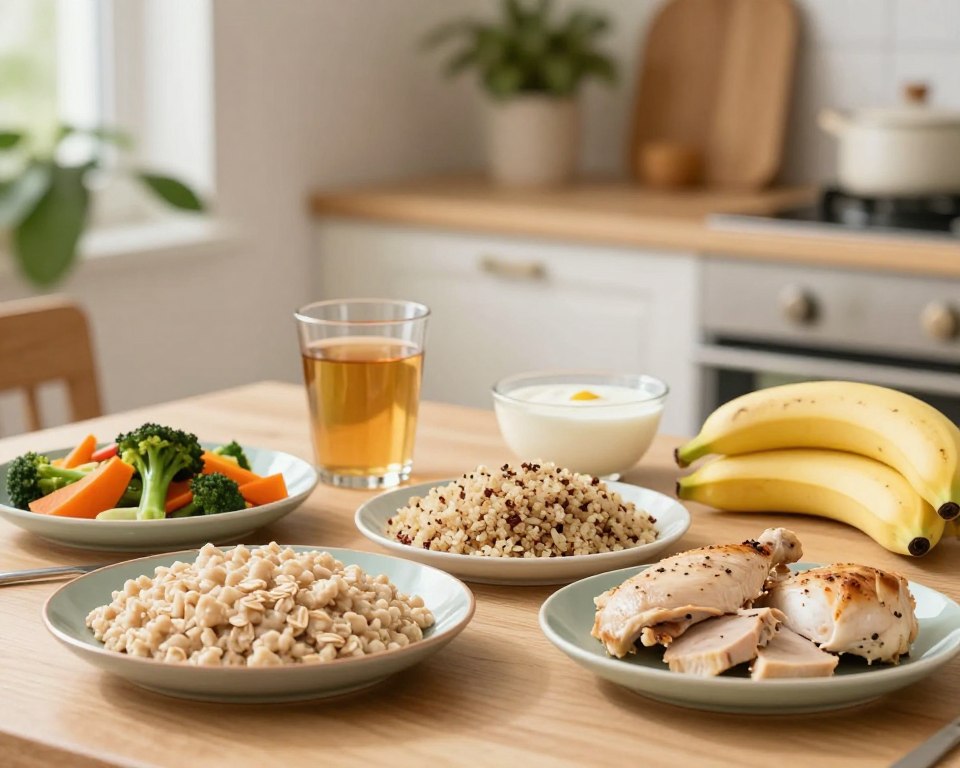
Foods like fruits, vegetables, and whole grains are great. They’re nutritious and gentle on the esophagus. For example, bananas and melons are good for your stomach.
When making an acid reflux diet, it’s important to know and avoid your trigger foods. Common ones include citrus fruits, tomatoes, chocolate, and spicy foods. Keeping a food diary helps track which foods cause symptoms.
Adding GERD-friendly foods to your diet can also help. Some good ones are:
- Lean proteins like chicken and fish
- Low-fat dairy products
- Non-citrus fruits like apples and pears
- Vegetables such as green beans and leafy greens
- Whole grains like oatmeal and brown rice
Eating smaller, more frequent meals can also help. It reduces pressure on the lower esophageal sphincter. Drinking plenty of water is also important, but avoid drinks that can trigger reflux.
By planning your diet well and making smart food choices, you can manage GERD symptoms. This improves your overall well-being.
Lifestyle Modifications to Avoid GERD Triggers
Making lifestyle changes is key to managing GERD. Simple adjustments can greatly reduce acid reflux symptoms.
Changing how you eat is a big help. Eating smaller meals often can ease pressure on your stomach. Also, don’t lie down after eating and elevate your bed by 6-8 inches. This stops stomach acid from flowing back up.
Managing your weight is also important. Extra weight, mainly around your belly, can push stomach acid up. Losing weight can really help with GERD symptoms.
Other changes include wearing loose clothes and sleeping in a way that doesn’t press on your stomach. Quitting smoking is also good, as it weakens the stomach valve.
- Eating smaller, more frequent meals
- Raising the head of the bed
- Losing weight if necessary
- Avoiding tight clothing
- Quitting smoking
By making these lifestyle changes, you can better manage GERD symptoms. This improves your life quality a lot.
When to Seek Medical Help for GERD
If you’re dealing with ongoing or severe GERD symptoms, knowing when to get medical help is key. While simple changes in lifestyle and over-the-counter meds can help with mild acid reflux, some cases need medical care to avoid serious issues.
Severe symptoms that mean you should see a doctor include trouble swallowing, chest pain, and heartburn that won’t go away. If you’re facing these, it’s vital to talk to a healthcare expert for the right diagnosis and treatment.
- Persistent difficulty swallowing or food getting stuck in the throat
- Chest pain or discomfort that may radiate to the arms, back, or jaw
- Severe heartburn that persists despite treatment
Getting medical help for GERD is not just about easing symptoms. It’s also about avoiding serious problems like esophagitis, stricture, or Barrett’s esophagus. A doctor can give you tailored advice on managing GERD and suggest the best treatments for heartburn relief.
If you’re unsure about your GERD symptoms or notice any alarming signs, don’t wait. Getting help early can greatly improve your life and prevent serious damage.
Discussion about this post