

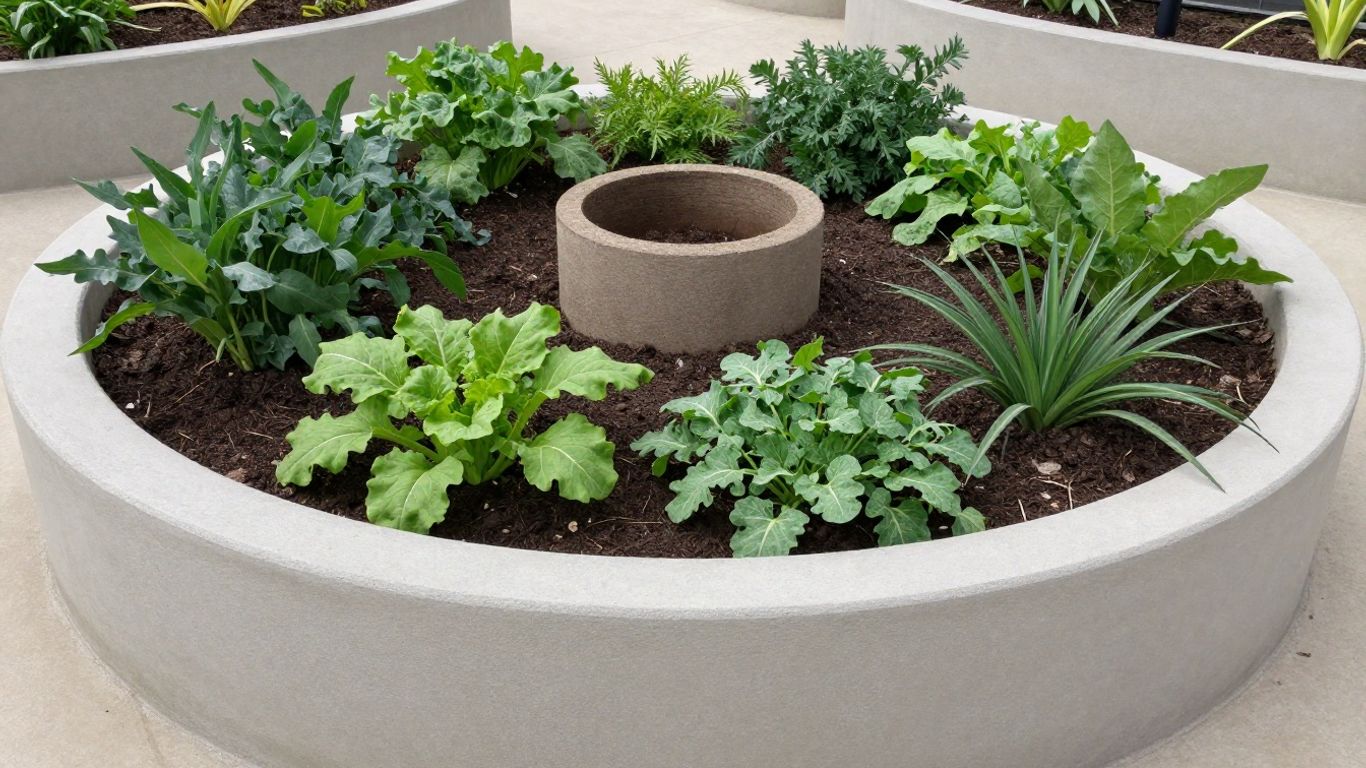

If your garden struggles when things get dry, maybe it’s time to look at a clever idea from Africa. It’s called a keyhole garden, and it’s a smart way to combine composting and growing plants. These gardens are designed to use less water and give you good harvests, even when it’s hot and dry. Let’s check out this neat gardening approach.
Key Takeaways
- The core of the keyhole garden design is a central compost basket. This basket feeds nutrients and moisture directly to the plant roots.
- Keyhole gardens are incredibly water-wise, using up to 80% less water than traditional gardens because water is directed to the compost core.
- These gardens are space-efficient and can be built using various materials, including recycled ones, making them accessible and sustainable.
- The raised design of a keyhole garden makes tending to plants easier, as it reduces the need for bending or kneeling.
- By recycling kitchen and yard waste into the compost basket, keyhole gardens reduce the need for fertilizers and improve soil fertility over time.
Keyhole Garden Design Principles
So, you’re curious about these keyhole gardens, huh? They’re pretty neat, honestly. The whole idea is to make gardening work better, especially when water is scarce or space is tight. It’s not just a random pile of dirt; there’s some clever thinking behind how they’re put together.
The Central Composting Basket
This is the heart of the whole operation. Imagine a cylinder, usually made of wire mesh or even just sticks, sitting right in the middle of your garden bed. This isn’t just for show. You toss your kitchen scraps – think vegetable peels, coffee grounds, eggshells – and yard waste like leaves into this basket. As it breaks down, it creates compost.
But here’s the cool part: the nutrients and moisture from this decomposing material slowly seep out into the soil all around it. It’s like a built-in fertilizer factory that feeds your plants from the center outwards.
Water Conservation Through Design
This is where the “drought solution” part really shines. Instead of watering the whole garden bed, you mostly water the compost basket. The water trickles down through the compost, picking up all those good nutrients, and then spreads into the soil. This does two things: it makes sure your plants get water and food right where they need it, and it drastically cuts down on how much water you use overall.
Plus, the compost itself acts like a sponge, holding onto moisture in the soil, so you don’t have to water as often. It’s a smart way to keep things hydrated without wasting a drop.
Space Efficiency and Compact Footprint
Keyhole gardens are typically round or slightly oval, and they’re raised beds, usually about waist-high. The “keyhole” shape comes from a wedge-shaped opening that lets you step right into the garden. This means you can easily reach the center without having to step on the soil and compact it, which is bad for plant roots.
Because they’re raised and compact, you can fit a surprising amount of food-producing plants into a relatively small area. They’re perfect for backyards, balconies, or even community plots where space is at a premium. You get a lot of bang for your buck, gardening-wise.
Benefits of Keyhole Gardening for Arid Climates
Keyhole gardens are a real game-changer, especially if you live somewhere that doesn’t get a lot of rain. They were actually developed in Africa, which tells you something about how well they work in dry conditions. These aren’t your typical garden beds; they’re designed to be super efficient with water and nutrients, making them perfect for drought gardening.
Drought Tolerance and Water Savings
This is probably the biggest win for keyhole gardens in dry areas. The whole setup is built around a central compost basket. You add your kitchen scraps and yard waste to this basket, and as it breaks down, it releases moisture and nutrients. The idea is to water through this basket. This does two things: it feeds the compost, and it directs water and nutrients down towards the plant roots.
This means the plants learn to reach for water deep down, making them much more resilient when the weather gets hot and dry. Because the water is used so efficiently, you can expect to use up to 80% less water compared to regular garden plots. This makes them fantastic for creating drought-tolerant vegetable plots.
Reduced Need for Fertilizers
Forget about buying bags of fertilizer. The continuous composting happening right in the middle of your garden bed provides a steady stream of food for your plants.
As the organic matter decomposes, it creates a rich, nutrient-dense soil that feeds your vegetables naturally. This closed-loop system means you’re essentially recycling your kitchen and yard waste into plant food, saving you money and reducing your environmental impact. It’s a win-win.
Enhanced Soil Fertility Over Time
Over time, the constant addition of organic matter and the breakdown process actually improve the soil structure. The organic material acts like a sponge, helping the soil retain even more moisture. This means that even if you have poor soil to start with, a keyhole garden will gradually transform it into a fertile, productive growing medium.
It’s a system that gets better and better the longer you use it, building up a rich, loamy soil that plants absolutely love. You’ll notice healthier plants and better yields year after year.
Constructing Your Own Keyhole Garden
So, you’re ready to build one of these cool keyhole gardens? It’s not as complicated as it might seem, and honestly, it’s pretty satisfying to put together. Think of it as building a mini, super-efficient ecosystem right in your yard.
Choosing Durable Building Materials
First off, you need to decide what you’re going to build the walls out of. You want something that lasts, right? People use all sorts of things, but some work better than others. Bricks or stones are a solid choice – they’re tough and can even help hold some warmth, which is nice for extending your growing season a bit.
You can also use treated lumber, but avoid untreated wood, as it’ll rot pretty quickly. Some folks even use cinder blocks or recycled materials, which is great for sustainability. Just make sure whatever you pick can handle being outside year-round.
Creating the Keyhole Access Point
This is where the ‘keyhole’ part comes in. You’re building a circular or slightly oval raised bed, but you need to leave a gap, like a slice taken out of a pie. This opening is your access point. It’s usually about two feet wide. This lets you step right into the garden bed without having to reach too far or compact the soil around your plants. It makes tending to everything, from planting to harvesting, way easier, especially if bending down is a challenge.
Layering Organic Matter for Nutrient Richness
This is the real magic behind the keyhole garden. Once your walls are up and you’ve got that central compost basket in place (usually made from wire mesh or just sticks), it’s time to fill it. Don’t just dump soil in there. You want to layer different organic materials. Start with coarser material at the bottom, like small logs or branches, then add layers of straw, grass clippings, leaves, and kitchen scraps. Mix in some soil between these layers.
This creates a compost system right inside your garden bed. As these materials break down, they release nutrients and moisture down into the soil, feeding your plants from the bottom up. It’s like a slow-release fertilizer machine, and it means your plants will be much happier, especially when things get dry.
Maintaining a Productive Keyhole Garden
So, you’ve built your keyhole garden and it’s looking pretty good. Now what? Keeping it going strong, especially when things get dry, is all about a few consistent habits. It’s not rocket science, but a little attention goes a long way.
Consistent Composting and Watering
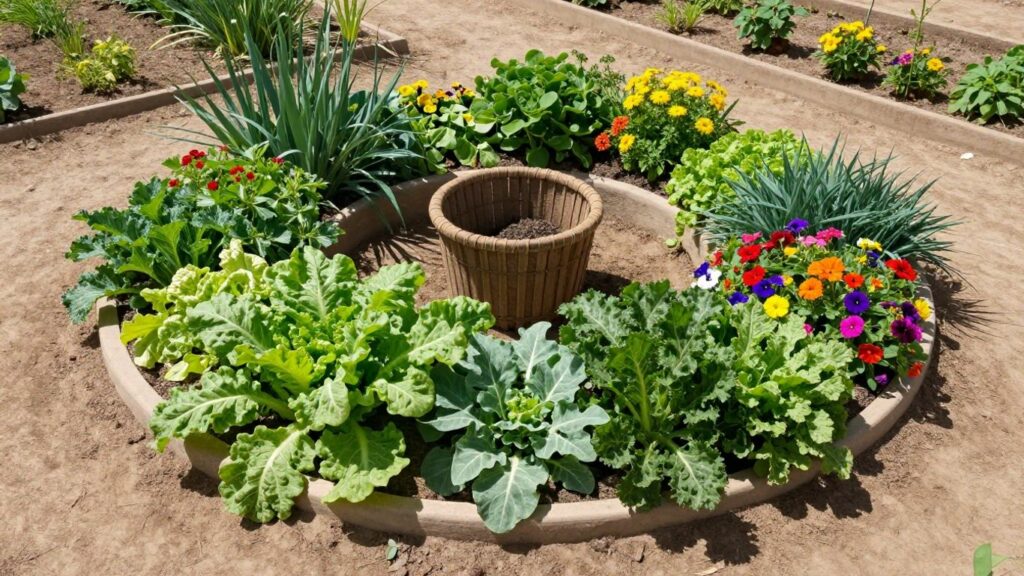
The heart of your keyhole garden is that central compost basket. Think of it as the garden’s pantry and water cooler all rolled into one. You need to keep feeding it! Toss in your kitchen scraps – veggie peels, coffee grounds, eggshells – and some yard waste like leaves or grass clippings. Don’t let it get too packed; give it some air.
The magic happens when water is poured directly into this basket. This way, the nutrients and moisture slowly seep out into the soil where the plant roots are waiting. It’s a much smarter way to water, especially when every drop counts. Aim to water through the basket most of the time, rather than just soaking the whole bed. This encourages roots to grow deeper, seeking out that good stuff.
Crop Selection for Optimal Yields
Not all plants are created equal, and some will do better in your keyhole garden than others. Because the soil is so rich and the watering is so targeted, you can grow a lot in a small space. Leafy greens like lettuce, spinach, and kale are usually winners, especially in cooler weather. Root vegetables such as carrots and radishes also appreciate the loose, nutrient-dense soil. Don’t forget herbs like basil and parsley! If you’re feeling ambitious, tomatoes and peppers can do well, but be mindful of their size. For vining plants, consider adding a small trellis. It’s all about picking plants that suit the conditions and your climate.
Extending the Growing Season
While keyhole gardens are tough, they aren’t invincible, especially when it comes to frost. In areas with shorter growing seasons, you might want to think about ways to protect your plants. Simple covers, like a bit of fabric or a cold frame, can make a big difference in the spring and fall. The raised nature of the bed and the thermal mass of materials like stone or brick can help retain some warmth, giving you a few extra weeks of growth. It’s about being a bit clever and giving your plants a fighting chance against the chill.
Keyhole Gardens: A Sustainable Gardening Solution
Resourcefulness and Waste Reduction
Keyhole gardens are a fantastic example of how we can get more from less. These aren’t just any old garden beds; they’re smart, circular systems that turn kitchen scraps and yard waste into nutrient-rich soil right where your plants grow. Think of it as a composting garden bed that feeds itself. This approach drastically cuts down on the need for store-bought fertilizers, which is good for your wallet and the environment.
By using organic matter that would otherwise end up in a landfill, you’re actively participating in waste reduction. It’s a clever way to close the loop in your garden.
Accessibility for All Gardeners
One of the really neat things about these African raised garden beds is their design. They’re built up off the ground, usually to waist height. This means you don’t have to do a lot of bending or kneeling, which is a huge plus if you have any back or knee issues. The “keyhole” shape itself is designed so you can easily reach the center of the garden without stepping on and compacting the soil.
This makes gardening accessible to a wider range of people, regardless of their physical abilities. It’s about making gardening enjoyable and manageable for everyone.
Year-Round Food Production
These water-saving garden beds, often referred to as compost-cylinder garden systems, are built to be incredibly efficient with water. Because the water and nutrients are directed into the central compost basket, they slowly release down to the plant roots. This means less water is lost to evaporation, and your plants get a steady supply.
In many climates, this consistent moisture and nutrient availability, combined with the ability to compost year-round, allows for extended growing seasons. You can often get harvests well into the cooler months, providing fresh produce for longer periods. It’s a truly sustainable gardening technique that keeps on giving.
Frequently Asked Questions
What exactly is a keyhole garden?
Imagine a raised garden bed shaped like a circle with a slice taken out, kind of like a keyhole on an old door. In the middle, there’s a special basket where you can put your kitchen scraps and yard waste. This basket acts like a mini compost bin right in your garden, feeding your plants with nutrients and water.
Why is it called a ‘keyhole’ garden?
It gets its name from the shape when you look at it from above. The main circular garden area has a wedge-shaped opening or path that lets you easily reach the center compost basket without stepping on the soil where your plants are growing.
How does a keyhole garden help with saving water?
The design is super smart for dry places! When you water the compost basket in the middle, the water slowly seeps out into the soil, giving the plant roots exactly what they need. This means you don’t have to water the whole garden as much, and much less water is lost to evaporation.
Do I need to buy special fertilizer for a keyhole garden?
Nope! The whole idea is to use what you already have. By putting your food scraps and yard waste into the central compost basket, you’re constantly creating your own natural fertilizer. This makes the soil really rich over time, so you don’t need to buy any extra plant food.
Is it hard to build a keyhole garden?
Not at all! People often build them using simple, local materials like stones, bricks, or even wood. The main parts are the circular wall, the opening for access, and the central compost basket. Many people find them easier to build than other types of garden beds.
What kind of plants grow best in a keyhole garden?
You can grow a lot of different things! Leafy greens like lettuce and spinach do great, as do root vegetables like carrots and beets. Many herbs and even plants like tomatoes and peppers can thrive. The rich soil and steady moisture are good for most common garden veggies.
Discussion about this post