

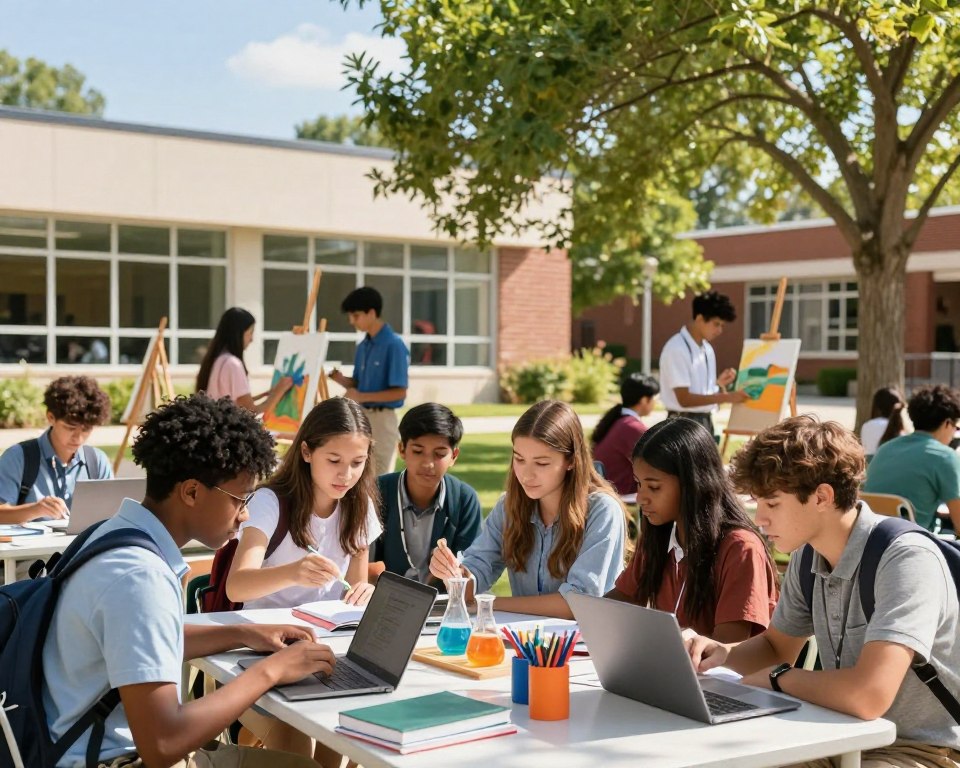

As summer break approaches, many high school students in Nigeria and around the world are considering pre-college summer programs. They want to improve their academic and personal growth.
These programs have become more popular in recent years. Many institutions offer a variety of activities and courses. They aim to challenge and engage students.
But, the big question is, are these high school summer programs really worth the time and money?
This article will examine the pros and cons of pre-college summer programs. We’ll see how they affect college admissions and offer advice for students and parents.
The Rising Popularity of Summer Programs for High Schoolers
Summer programs for high schoolers are getting more popular. They help students get ahead in college admissions. These programs let students explore their interests, learn new skills, and show they’re serious about learning.
Educational System Gaps and Opportunities
The regular school year can’t cover everything. Summer programs fill in the gaps. They offer special courses and hands-on learning not found in regular school.
Some key areas where summer programs shine include:
- Advanced STEM education
- Language immersion
- Artistic and creative development
- Leadership and entrepreneurship skills
Competitive Edge in University Applications
Being in summer programs can really boost a student’s college app. Admissions committees see these programs as a sign of initiative and a desire to learn more. The benefits are clear:
- Gaining specialized knowledge and skills
- Understanding career paths better
- Creating a stronger college application portfolio
More high schoolers are seeing the value of summer programs. These programs offer opportunities for growth, learning, and skill development. They help students stand out in a tough college admissions world.
Types of Pre-College Summer Programs Available
There are many types of pre-college summer programs. They include courses focused on specific subjects and chances to do research. These programs meet the varied interests and goals of high school students.
Subject-specific courses help high school students dive deeper into certain subjects. These courses are often at top schools, like Ivy League universities. They cover subjects from science and math to humanities and social sciences.
For example, students into engineering can get hands-on experience. Those interested in the humanities can learn through writing and analysis workshops.
Research Opportunities
Research opportunities let high school students work with professors on projects they find interesting. These experiences boost their knowledge and improve their research and critical thinking skills.
Doing research is great for students thinking about college or research careers. It gives them real-world experience and insights into research.
With a variety of pre-college summer programs, schools help high school students grow academically and personally. They offer both subject-specific courses and research chances.
The Academic Benefits: Knowledge and Skill Development
Summer enrichment programs help students get ready for college. They offer a chance to learn and grow in a supportive setting. Here, students dive deep into subjects they love.
Lecture and Seminar Participation
Pre-college summer programs let students join lectures and seminars. These are led by experts. It’s a great way to learn more about subjects and get used to college learning.
Students do college-style assignments and assessments. These help improve their critical thinking, problem-solving, and time management. These skills are key for college success.
| Academic Benefits | Description | Skills Developed |
|---|---|---|
| Lecture and Seminar Participation | Engage in college-level discussions and learning | Critical Thinking, Public Speaking |
| College-Style Assignments | Complete assignments that mimic college work | Time Management, Problem-Solving |
| Assessments and Feedback | Receive evaluations on performance | Self-Assessment, Adaptability |
Summer programs for college-bound students offer a rich academic experience. They prepare students for college challenges. By joining these programs, students build a strong academic base and gain confidence for college.
Personal Growth and Social Development Advantages
High school students can greatly benefit from pre-college summer programs. These experiences help them grow personally and socially. They get to try new things and face challenges head-on.
Living Away from Home, Time Management and Personal Responsibility
One big plus of these programs is living away from home. Students learn to be independent and self-reliant. They learn to manage their time well and balance school with other activities.
This teaches them to set priorities, make smart choices, and take ownership of their actions. It’s a key part of growing up.
These programs also offer a chance to meet people from different backgrounds. Students learn to work together, communicate well, and solve problems. They make friends and connections that last.
By joining summer enrichment programs, students see the world in a new light. They discover new interests and passions. These experiences can shape their future in big ways.
In short, pre-college summer programs are more than just learning. They help students grow, develop social skills, and learn important life lessons. They’re a great investment for high school students.
The Financial Investment: Analyzing Costs and Returns
Looking into summer programs for high schoolers shows their true value. The cost can change a lot. This depends on how long the program is, where it’s held, and how prestigious it is.
Ivy league summer programs usually cost more. This is because they are top-notch and offer a lot. Prices can go from a few thousand dollars for day programs to over $10,000 for ones where you stay.
It’s important to think about what you get for your money. The benefits can be:
- Improved grades from hard classes
- Chances to grow personally, like learning to lead and be independent
- Meet-ups with people in fields you’re interested in
Before deciding, families should think about these points:
- How much the program costs and any extra fees
- What you can learn and how it might help you later
- How the program can help you grow as a person
By looking at these points, you can decide whether the cost of pre-college summer programs is worth it.
College Admissions Impact: Separating Facts from Marketing
Nigerian students looking to improve their college chances need to understand summer programs’ role. The debate on whether these programs help get into college is big among parents and students.
Research shows that college preparation programs can boost college chances. These programs allow students to participate in academic and extracurricular activities. This shows their dedication to learning and personal growth.
Program Participation and University Placement Correlation
Studies link summer programs for college-bound students to better college chances. Key findings include:
- Being better prepared for college-level work
- Building a stronger extracurricular profile
- Getting help with college application essays
Academic summer camps also offer long-term career benefits. They let students explore different fields and environments. This helps them decide on their future careers.
Summer programs before college do more than just help with applications. They help students grow, develop skills, and network. These experiences can shape their academic and professional paths.
In summary, while summer programs’ marketing is appealing, their real value lies in the opportunities they offer. Nigerian students and their families should weigh these benefits when thinking about college admissions.
Cost-Effective Alternatives for Nigerian Students
Nigerian students looking for summer fun can find affordable options. These alternatives offer skills and knowledge without breaking the bank. With high costs of traditional summer programs, it’s smart to look for cheaper ways to learn.
Online summer enrichment programs are a great choice. They let students learn from home, saving on travel costs. Many online courses, such as pre-college summer courses, boost academic skills and prepare students for college.
Local programs are another budget-friendly option. Places like community centers, libraries, and schools offer affordable summer activities. These might not be as famous as international programs, but they’re cheaper and just as valuable.
Students can also try DIY projects and self-learning. By finding what they love and learning about it online or in local workshops, they can make their own summer plans. This way, they save money and learn to be independent.
In summary, Nigerian students have many affordable summer program options. By checking out online courses, local programs, and DIY learning, they can have enriching summers without spending a lot.
Evaluating Program Quality and Fit
To get the most out of pre-college summer programs, it’s key to check the program’s quality and if it fits you. When considering summer academic programs for high school students, there are a few important factors to consider.
The curriculum is a big deal. It should match your academic goals and interests. Look for programs with a variety of courses. These should be taught by experienced teachers who can guide and mentor you.
Support for students is also vital. This includes help with schoolwork, mentorship, and resources. College preparation programs should also help with college applications. This includes writing essays and preparing for interviews.
When checking out pre-college summer programs, don’t forget to look at the program’s reputation and the teachers’ qualifications. Also, consider the overall student experience. By carefully reviewing these points, you can choose a program that fits your needs and goals.
Discussion about this post