

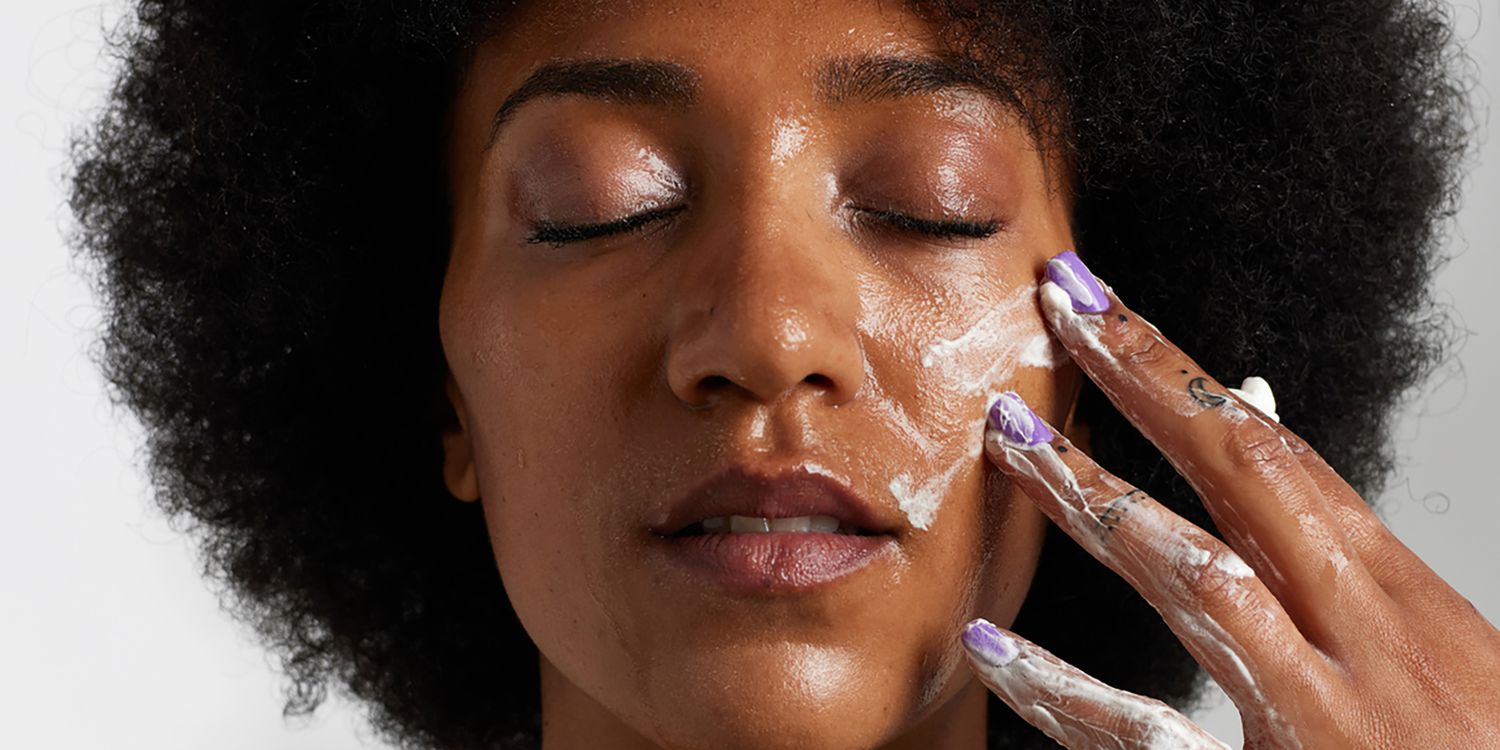

Your skin is more than just a outer layer; it’s a window to your overall well-being. Experts believe that by examining your skin, dermatologists can gain valuable insights into your general health.
As the largest organ, your skin plays a critical role in protecting your body. By understanding the signs of healthy skin, you can better appreciate the link between your skin’s condition and your overall wellness.
Dermatologists say that various health issues can be identified by examining the skin’s appearance and condition. This provides a unique perspective on your overall health and can reveal underlying issues.
The Skin as Your Body’s Largest Organ
Your skin is your body’s first defense. It’s also a key sign of your health. It has three layers, each with its own role in keeping you healthy.
The Three Layers of Skin and Their Roles
The outer layer, the epidermis, keeps water in and cold out. The dermis, below it, has blood vessels and nerve endings. It helps control temperature and feeling. The inner layer, the hypodermis, has fat cells that keep you warm and protect your organs.
Knowing about your skin’s layers helps you spot indicators of good skin health and skin condition symptoms. Your skin shows signs of internal health issues. For example, changes in color or texture can mean there’s a problem inside.
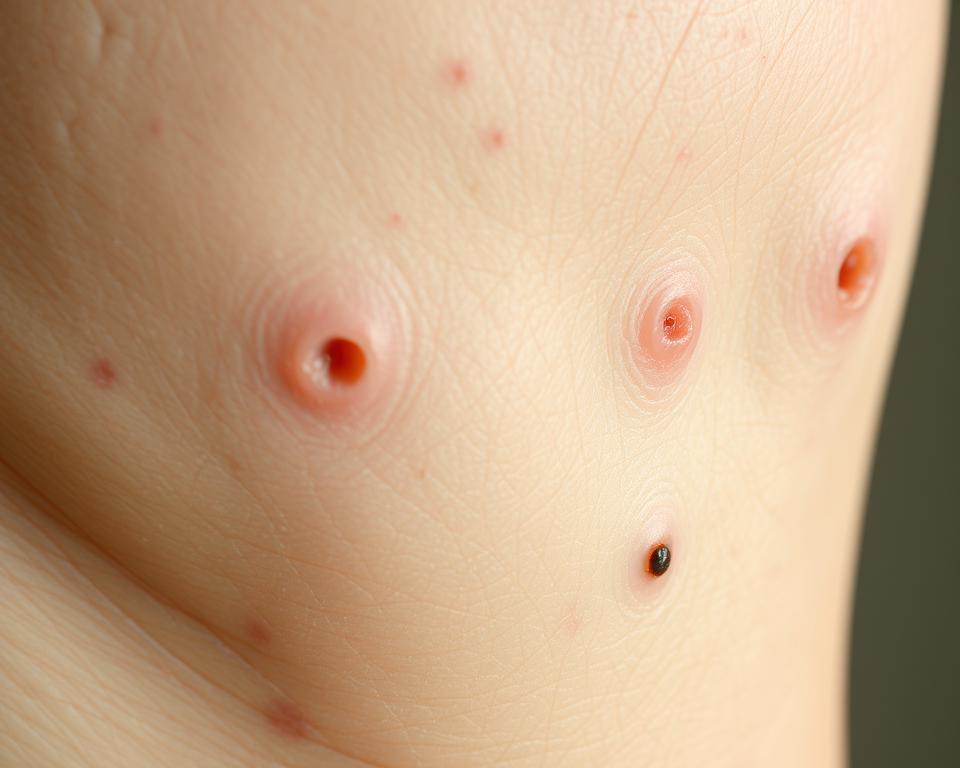
Watching your skin can tell you a lot about your health. It’s a key organ to check for any signs of trouble.
Characteristics of Healthy Skin
Healthy skin shows your overall health. Knowing its characteristics helps spot issues early. The main traits are hydration, elasticity, and texture.
How to Assess Your Skin’s Hydration
Checking your skin’s hydration is easy. Try the skin pinch test: pinch your forearm or cheek. If it quickly goes back, your skin is hydrated. If it takes time, it might be dehydrated.
Other signs of healthy skin include:
- A smooth texture without too much dryness or oiliness
- Good elasticity, showing the skin can snap back
- A radiant look, often a sign of good health and hydration
To keep your skin healthy, follow a skincare routine. Drink lots of water and use sunscreen to protect your skin. These steps help keep your skin healthy and show your overall well-being.
Understanding and keeping these traits in check ensures your skin stays healthy. It will continue to reflect your overall health positively.
Common Skin Health Signs and Their Meanings
Knowing the signs and symptoms of your skin health is key to spotting health issues early. Your skin is a complex organ that shows your overall health. Different skin conditions can signal various problems.
Common signs include changes in color, texture, and the presence of rashes or lesions. These signs can point to allergic reactions, systemic conditions, or other health issues.
Distinguishing Between Allergic and Systemic Reactions
It’s important to tell the difference between allergic and systemic reactions. They need different treatments.
- Allergic reactions usually happen in the area that came into contact with the allergen. They may cause redness, itching, and swelling.
- Systemic reactions, by contrast, can affect the whole body. They might show up as widespread rashes, fever, or changes in skin texture.
A localized rash might be an allergic reaction to a new skincare product. But a widespread rash with fever could mean a systemic condition.
To understand your skin health, it’s vital to know these signs. If you’re unsure about your symptoms, see a healthcare professional.
Some common skin health cues include:
- Changes in skin color or texture
- New moles or changes in existing moles
- Rashes or lesions
By noticing these cues and understanding their meanings, you can take steps to keep your health in check.
Skin Discoloration: What Different Colors Indicate
Skin discoloration often shows a health issue that needs attention. Changes in skin color can point to various conditions, from mild to severe.
Different colors can mean different health problems. For example, a yellowish hue might suggest liver issues. On the other hand, a bluish tint could mean poor circulation or breathing problems.
| Skin Color Change | Possible Health Issue |
|---|---|
| Yellowish | Liver disease or jaundice |
| Bluish | Poor circulation or respiratory problems |
| Redness | Inflammation, infection, or allergic reactions |
| Dark patches | Hormonal changes or skin conditions like melasma |
When to Be Concerned About Sudden Color Changes
If your skin color changes suddenly or a lot, see a doctor. These changes might show a condition that needs medical help.
Watching your skin health and noticing changes can help spot health issues early. Good skin health is key to your overall wellness. It’s important for your health.
Acne Beyond Adolescence: What It Might Mean
If you’re getting acne as an adult, you might wonder what it means for your health. Acne in adults can signal health problems like hormonal imbalances or PCOS. Knowing why adult acne happens is key to spotting skin health signs that might mean something bigger.
Adult acne looks different than teenage acne. It often shows up as ongoing or coming back breakouts. By linking these breakouts to health issues, you can learn more about your overall health.
Mapping Breakouts to Possible Health Problems
To figure out what your acne might mean, think about these points:
- Location: Acne on the chin or mouth area might mean hormonal problems.
- Pattern: If you keep getting breakouts, it could be a sign of PCOS or an imbalance in your skin’s bacteria.
- Severity: How bad your acne is can also be a skin health marker. Severe cases might point to big hormonal or health issues.
By looking at these signs and talking to a doctor, you can understand your skin’s health better. This helps in identifying skin health problems early.
Keeping your skin healthy means more than just treating acne. It’s about finding the cause. This way, you can fix the problem better and make your skin healthier over time.
R R R Resses and Skin Reactions as Health Indicators
Rashes and skin reactions can be more than just a nuisance; they can be indicators of underlying health issues. Your skin is a reflection of your overall health, and changes in its appearance can signal various conditions that need attention.
Certain skin reactions are linked to systemic health issues. For instance, conditions like psoriasis and eczema are not just skin-deep but have connections to your overall well-being.
Psoriasis, Eczema, and Their Systemic Connections
Psoriasis, characterized by red, scaly patches, is associated with an increased risk of cardiovascular disease and diabetes. Eczema, or atopic dermatitis, can be linked to allergies and asthma. Understanding these connections is key for managing your health.
When you notice unusual skin reactions, it’s essential to consider them as skin health cues. For example, a rash could be a sign of an allergic reaction, an infection, or an autoimmune disorder. Keeping track of when the rash appears, its characteristics, and any factors that make it better or worse can provide valuable information for healthcare providers.
Also, certain skin conditions can be indicative of nutritional deficiencies or hormonal imbalances. For instance, dry skin might suggest a lack of essential fatty acids, while skin darkening in certain areas could indicate hormonal changes.
By paying attention to these skin vitality signs, you can take proactive steps towards identifying and addressing underlying health issues. If you’re concerned about a rash or skin reaction, consulting with a healthcare professional can help determine the cause and appropriate treatment.
Skin Texture Changes and Their Health Implications
Changes in skin texture are often subtle signs of underlying health issues. Your skin is a complex organ that can reflect your overall health. Alterations in its texture can indicate various problems. For instance, dryness or roughness might suggest dehydration or nutritional deficiencies.
One common issue related to skin texture is dry skin, which can be a sign of vitamin deficiencies. Understanding these changes can help you identify possible health concerns early on.
Vitamin Deficiencies That Show on Your Skin
Vitamin deficiencies can manifest in different ways on your skin. For example, a lack of vitamin C can cause rough skin. A deficiency in vitamin B7 (biotin) can lead to dry, scaly skin. It’s important to get enough vitamins through your diet or supplements for healthy skin.
Other changes in skin texture, such as thickening or the development of lesions, can also be indicative of health issues. These changes can be associated with various conditions, ranging from skin disorders to systemic diseases.
Being aware of these signs and consulting a healthcare professional if you notice any unusual changes can help in early detection and treatment. By paying attention to your skin’s texture and overall health, you can take proactive steps towards maintaining your well-being.
How Chronic Conditions Manifest on Your Skin
Your skin can show signs of chronic health issues. For example, diabetes can cause skin problems. These symptoms can tell you about your skin health or warn of future issues.
Diabetes is one condition that affects the skin. High blood sugar and insulin resistance can lead to various skin issues.
Dark Patches, Slow Healing, and Other Diabetes Indicators
Diabetes can cause dark patches in skin folds, known as acanthosis nigricans. These patches may show insulin resistance, a sign of diabetes.
| Skin Symptom | Possible Chronic Condition |
|---|---|
| Dark patches (acanthosis nigricans) | Diabetes/Insulin Resistance |
| Slow healing of wounds | Diabetes |
| Skin ulcers | Poor circulation, Diabetes |
Slow healing of wounds is a sign of diabetes. High blood sugar makes it hard for wounds to heal. Watching for these symptoms is key to managing chronic conditions.
Knowing how your skin relates to chronic conditions is important. By noticing skin changes, you can take steps to stay healthy.
Nail and Scalp Changes as Health Barometers
Your nails and scalp tell a lot about your health. Changes in these areas can show problems like nutritional gaps or diseases.
Nails can show health signs. For example, ridges or spots might mean you’re not getting enough nutrients. Discoloration could point to a bigger health issue.
Ridges, Spots, and Discoloration Meanings
Ridges on nails can be a sign of aging or a lack of nutrients. Spots or color changes might mean fungal infections or other health problems.
Beyond Dandruff: When Scalp Issues Signal Health Problems
Scalp problems like dandruff can be more than just annoying. Severe or lasting dandruff and other scalp issues might show a bigger health problem.
Watching your nails and scalp is key to identifying skin health and overall well-being. Noticing changes can help you understand your health better.
When to See a Dermatologist vs. Primary Care Physician
Knowing when to see a dermatologist or a primary care physician is important. It depends on the type of skin issue you have. Understanding your skin problem helps you make the right choice.
See a dermatologist for serious skin issues like persistent acne, unusual moles, or skin discoloration. Primary care physicians are better for minor rashes or allergic reactions.
Creating a Skin Journal for Health Monitoring
Keeping a skin journal is a good idea. It helps track changes in your skin over time. Write down new symptoms, treatments, and results. This way, you can spot patterns and share important info with your doctor.
| Skin Issue | Dermatologist | Primary Care Physician |
|---|---|---|
| Acne | Persistent or severe cases | Mild cases |
| Rashes | Unusual or persistent | Minor or allergic reactions |
| Moles | Unusual or changing | Routine checks |
Being informed and proactive about your skin health is key. This way, you get the right care for any skin issues.
Lifestyle Factors That Affect Your Skin’s Health Messages
Your daily habits and what you eat can help or hurt your skin. Diet and nutrition are key to your skin’s health. Eating right can keep your skin looking and feeling good.
Diet is a big factor in skin health. Eating foods full of antioxidants, vitamins, and minerals is good for your skin. But, foods high in sugar and bad fats can cause inflammation and harm your skin.
Key Nutrients That Support Skin Function
Some nutrients are great for your skin. These include:
| Nutrient | Benefit | Food Sources |
|---|---|---|
| Vitamin C | Boosts collagen production, improves skin elasticity | Citrus fruits, strawberries, bell peppers |
| Omega-3 fatty acids | Reduces inflammation, supports skin health | Salmon, walnuts, chia seeds |
| Zinc | Aids in wound healing, reduces acne | Oysters, beef, chicken |
Eating these nutrients and living a healthy lifestyle can help your skin. Knowing what makes your skin healthy can guide your choices in diet and lifestyle.
Your Skin’s Story: Listening to What Your Body Is Telling You
Your skin is a key indicator of your health. It shows signs of healthy skin or alerts you to problems. By noticing skin health cues, you learn a lot about your body’s state.
In this article, we’ve talked about how your skin can hint at health issues. This includes things like discoloration, acne, texture changes, and problems with your nails or scalp. Spotting these skin vitality signs helps you take care of your health early on.
By tuning into your skin’s messages, you can tackle health issues before they get worse. This approach to health helps you understand your body better. It lets you make smart choices about staying healthy.
FAQ
What are the signs of healthy skin?
Healthy skin is soft, elastic, and smooth. It feels well-hydrated and bounces back quickly when pinched. This shows it’s in good shape.
How can I identify allergic reactions on my skin?
Look for redness, itching, swelling, or blisters. These signs often appear after trying new products. If you see them, stop using the product and see a dermatologist.
What does skin discoloration indicate?
Skin color changes can mean health issues. Yellow skin might signal liver problems, while dark patches could hint at diabetes. If your skin color changes suddenly, see a doctor.
Can acne be a sign of underlying health issues in adults?
Yes, adult acne can point to health problems like hormonal imbalances or stress. Severe or persistent acne might need a dermatologist’s check.
How do chronic conditions affect the skin?
Conditions like diabetes can change your skin. They might cause dark patches, slow healing, or texture changes. Knowing these signs helps manage your health and skin.
What can changes in nail and scalp health indicate?
Nail and scalp issues might show health problems. Brittle nails could mean vitamin deficiency, while scalp problems like dandruff might be related to skin conditions. These signs need attention.
When should I see a dermatologist versus a primary care physician for skin-related issues?
See a dermatologist for specific skin problems like moles or severe reactions. For general health or skin concerns, start with your primary care doctor. Keeping a skin journal helps track changes and know when to seek help.
How do lifestyle factors affect skin health?
Your diet and lifestyle greatly affect your skin. Eating foods rich in vitamins and antioxidants supports skin health. Making smart lifestyle choices can help keep your skin healthy.
What are some common skin health signs that I should be aware of?
Watch for changes in skin texture, color, or reactions like redness or itching. Recognizing these signs early can help you address health issues quickly.
How can I maintain healthy skin?
Healthy skin comes from good skincare, a balanced diet, and a healthy lifestyle. Be aware of your skin’s signs and address any issues promptly. Regular dermatologist visits also help keep your skin in check.
Discussion about this post