
On November 10, the United Kingdom’s Foreign, Commonwealth, and Development Office (FCDO) issued a travel advisory warning against traveling to several Nigerian states due to violent crime, rising insecurity, terrorism, and kidnappings.
The FCDO, via its latest Foreign Travel Advice published on GOV.UK, mentioned six Nigerian states with an all-travel ban and eleven states, including outer suburbs of Abuja, with essential travel alone.
It further advised against all travel to the riverine areas of Delta, Bayelsa, Rivers, Akwa Ibom, and Cross River states due to militant groups and attacks on oil and gas infrastructure.
Six Nigerian states with an all-travel ban are Borno, Yobe, Adamawa, Gombe, Katsina, and Zamfara, while eleven states with essential travel only are Bauchi, Kaduna, Kano, Kebbi, Jigawa, Sokoto, Niger, Kogi, Plateau, and Taraba.
Economists told WITHIN NIGERIA that the UK travel ban will have economic consequences because it will limit the influx of foreigners, especially tourists and researchers, into the country.
According to economists, the decision, particularly the all-travel ban, would deny foreigners, particularly tourists and researchers, from visiting historic or tourist sites, which would drastically affect the IGR of highlighted states.
Here is a list of historic sites in six Nigerian states with All-Travel Ban:
BORNO MUSEUM
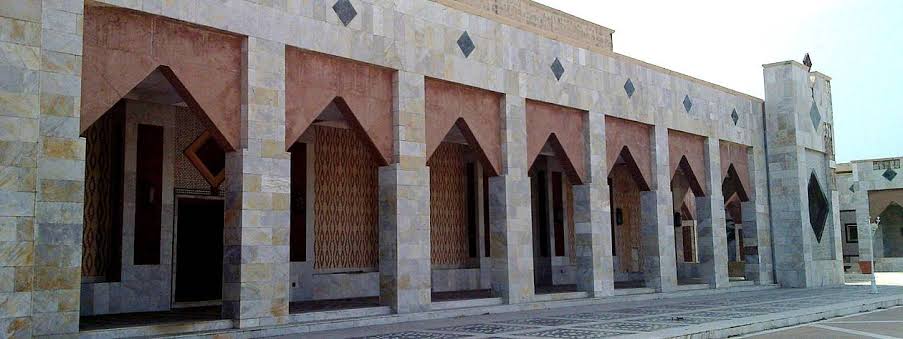
The Borno Museum is a major tourist attraction in Nigeria. It is situated in Maiduguri, the capital of Borno State. The museum focuses on the Kanem-Borno Empire’s rich cultural legacy.
Every year, it attracts a large number of researchers, particularly those interested in traditional ceramics, textiles, and dress, among other topics.
The museum is believed to have a large collection of items with a solid historical background. The museum houses historic artifacts depicting the daily lives, customs, and traditions of Borno’s ethnic groupings.
It depicts well-detailed historical kingdoms and empires with abundant evidence of Borno’s extensive history.
THE MANDARA MOUNTAINS
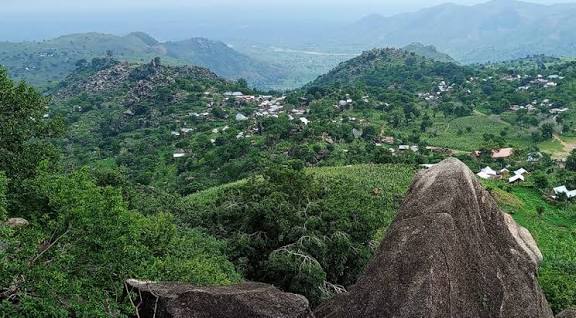
The Mandara Mountains are one of Nigeria’s most popular historic or tourist locations. It is a beautiful volcanic range that stretches for approximately 190 kilometers along the Cameroon-Nigeria border, from the Benue River to the northwest of Maroua.
According to studies, the magnificent mountain range is home to a variety of ecosystems, such as forests, savannas, and rocky outcrops, making it a biodiversity hotspot in West Africa.
The peak stands around 1,494 meters above sea level. It was produced millions of years ago due to volcanic activity and tectonic processes. The mountain and its surroundings are home to a variety of ethnic groups, including the Margi, Mofu, and Fulani, each with their own cultural traditions and ways of life.
The Mandara Mountains are flanked by the Sukur Cultural Landscape, a UNESCO World Heritage Site with picturesque terraced farms and medieval settlements. It includes Rhumsiki settlement, a lovely settlement surrounded by rough mountain landscape. There are spotted primates, antelopes, and elephants, among others.
GIDAN MAKAMA MUSEUM
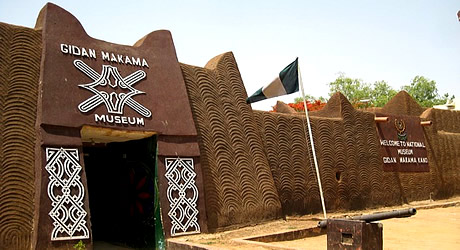
The museum is situated in the historic Kano City. It is a historical edifice from the 15th century that served as a temporary palace for the Hausa Kings before the construction of the current palace, GIDAN Funds.
According to reports, it is a museum with a large collection of arts, crafts, and historical things. Tourists who visited reported that each museum focuses on a different part of Kano’s history, such as traditional architecture, statehood, the Civil War, economy, industry, and music.
Any interested researcher or tourist could enjoy performances by the Koroso dance and drama troupe in the museum’s open space while exploring displays on Hausa traditional architecture and city walls. One of the major roads leading to the museum can be accessed via the Katsina route which has been declared as All-Travel Ban.
THE KATSINA CITY WALL
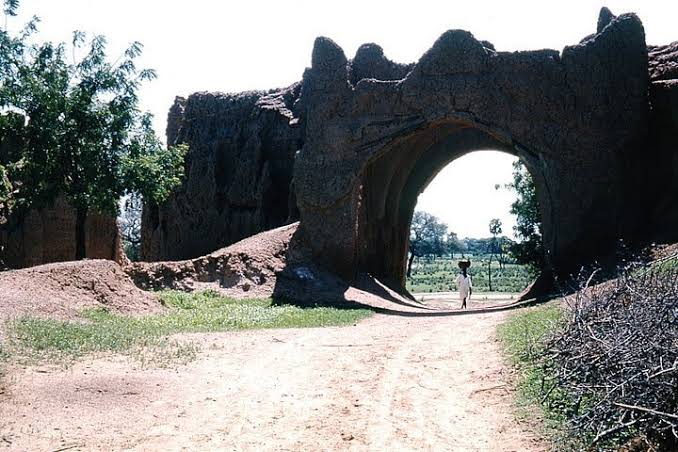
It is a popular tourist destination in Nigeria, particularly among foreigners. Some researchers or visitors who are interested in history, tradition, and extensive artifact collections visit the Katsina City Wall on a regular basis to study about or understand the past of the old Katsina people.
The city wall was constructed approximately 900 years ago during King Murabus’ reign. It surrounds the city with seven spectacular gates: Kofar Kaura, Kofar Sauri, Kofar Marusa, Kofar Durbi, and Kofar Kwaya. Katsina is known for its rich cultural legacy, which combines Hausa and Islamic traditions.
The city wall was composed of mud and clay. It contains seven gates, each with its own tale, meaning, and exceptions. It is indeed a treasure trove of history, culture, and architecture.




Discussion about this post