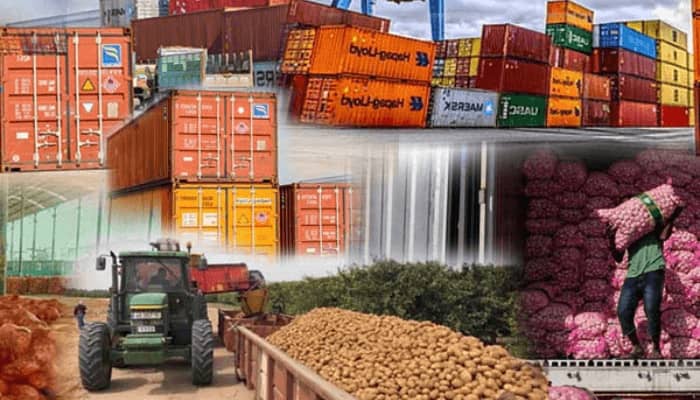
Exporters in Nigeria continue to operate in a space shaped by shifting policies, high operational costs and difficult logistics.
Many traders say the process of moving goods out of the country has become slow due to complex documentation steps that must be completed before cargo can leave.
Several exporters observe that the approval stages are often lengthy, which adds more time to the shipment cycle and affects delivery deadlines.
Transportation remains another major hurdle as poor road conditions increase the cost of moving goods from production areas to ports.
Exporters note that trucks spend long hours in traffic near major ports, and these delays cause goods, especially perishables, to lose value before they are shipped.
Uneven access to storage facilities adds to the problem, especially for food items that need cold rooms to maintain quality ahead of export.
High charges associated with handling, terminal services and freight further place exporters under pressure as these expenses reduce their profit margins.
Many exporters also point to irregular power supply as a factor that makes local processing costly and slows down production schedules.
Power cuts force exporters to rely on generators, which increases their overall cost and reduces the competitiveness of their products in foreign markets.
Access to finance remains another barrier as many exporters struggle to obtain long-term credit that can support large orders and expansion plans.
Strict requirements attached to loan applications make it difficult for small and medium-scale exporters to grow beyond local markets.
Fluctuating exchange rates also create uncertainty because exporters often plan their operations months in advance.
Changes in currency value affect pricing, cost of inputs and final revenue, making it hard for exporters to maintain stable contracts.
Some exporters report that inconsistent policies affect their ability to plan, especially when guidelines or levies change without notice.
Frequent policy adjustments often lead to confusion about compliance and force exporters to adjust already completed plans.
Limited access to global market information remains another challenge as many exporters lack updated data on pricing, competition and international standards.
This information gap makes it harder for them to position their products or meet the specifications required in foreign markets.
Concerns about packaging and quality control also persist as some exporters struggle to meet the level of presentation expected abroad.
Weak enforcement of quality standards in local supply chains sometimes results in rejected shipments, which causes losses and reduces trust in Nigerian products.
Digital infrastructure gaps add to the constraints as some exporters find it difficult to process online registrations, track shipments or confirm overseas requirements.
The cost of compliance continues to rise because exporters must meet health, safety and environmental standards before goods are released for export.
Exporters also face stiff competition from producers in other countries who operate in more efficient environments with lower production costs.
High fuel prices increase the cost of running factories, transporting goods and powering equipment needed for export preparation.
Poor connectivity between inland production centres and ports discourages expansion into regions with strong raw material potential.
Many exporters highlight the difficulty of obtaining accurate and timely shipping schedules, which complicates export planning.
Seasonal factors also affect exporters, especially those dealing in agricultural goods that depend on weather conditions and harvest cycles.
As exporters continue to push into global markets, they often face challenges linked to limited support structures that should ease the export process.
These combined hurdles show that exporters in Nigeria operate in an environment that requires stronger infrastructure, clearer policies and better access to basic services.
The situation also highlights the need for systems that allow exporters to move goods with less delay and greater predictability.
Exporters say the ability to meet global demand depends on how fast these challenges can be addressed in order to strengthen the country’s role in international trade.