


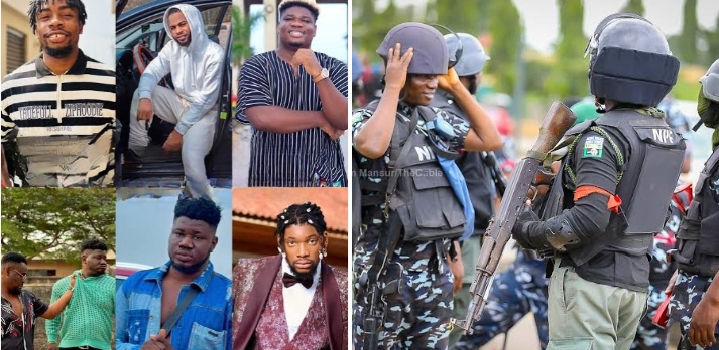
There is a strange silence in many busy corners of Lagos these days. The same streets that once echoed with wild shouts from hidden pranksters and shocked reactions from unsuspecting pedestrians now carry only the familiar noise of traffic, shop calls and impatient bike horns. It is a silence that did not come suddenly. It crawled in, slowly and loudly, from late 2023 into 2024 and it finally settled in 2025. Anyone who followed the Nigerian online comedy scene can feel it clearly. Something changed. Something big ended. The era of heavy street pranks, the kind that relied on startling strangers or staging panic in public spaces, reached a point where both the authorities and the public began to say enough.
The story is not only about entertainment or content trends. It is about safety, policy, frustration, unintended consequences and the natural pushback that comes when a creative wave spills too far into real life tension. The shift that happened between 2023 and 2025 reflects a deep conversation between the digital world and the physical world in Nigeria. Those two spaces do not always blend smoothly and street pranks became one more example of that clash.
The police began to talk tough
If anyone wants to trace where the downfall of public prank content truly began, they need to remember police statements from late 2023. That was when the Nigerian Police Force started warning creators who carried out fake kidnapping scenes and staged robbery scares in public places. These were not quiet warnings. They were repeated in November 2023 and again in the first months of 2024 when several prank related cases went viral for the wrong reasons.
There were incidents in Lagos where market women raised an alarm because a prank performer pretended to faint while clutching a bag filled with fake charms. There were situations in Abuja where a dramatic fake argument triggered an actual crowd fight because nobody knew it was a skit. Police officers in Delta State issued a public reminder in mid 2024 that any prank that causes panic can count as public disturbance. Nobody took those warnings lightly. Videos of young creators being taken to the station floated around social media. Some creators posted apology clips. Some deleted entire prank series.
By the time 2025 arrived, the message had grown louder. The police were no longer sounding like a watchdog. They sounded like a force that was tired of cleaning up messes created by pranksters who underestimated how tense the Nigerian public can be in a time of security anxiety. The fear of stepping into trouble became enough to discourage a lot of creators. Public prank culture relies on boldness. When police warnings become consistent, boldness does not feel worth it anymore.
The streets start rejecting the jokes – Residents and businesses push back
Lagos is the entertainment capital of many things, but by early 2024 you could already see the frustration building among residents. In several popular estates, especially the ones with controlled gates and strict management systems, notices began appearing at the security posts. No skits allowed. No prank activities. No creators entering without permission. Some estates added that any recording inside shared spaces would require official approval.
This was not only a Lagos matter. In Abuja and Port Harcourt, shop owners began complaining that pranksters were disrupting customer flow. One widely discussed complaint happened in a popular Abuja plaza in mid 2024 where tenants told management that they were tired of pranksters running into their shops pretending to be chased. For the tenants, this was no longer harmless fun. It was a threat to business.
Public markets joined the conversation as well. Market leaders spoke openly on radio shows about harassment from pranksters who blocked walkways or shoved cameras into the faces of traders who did not want to be recorded. People had real fears. In an environment where crime news spreads daily, any strange scene can escalate fast. Nobody wants to be part of a prank that could trigger panic or even spark a stampede. By 2025, bans had become common. Creators started hearing the same sentence everywhere. Not here. Not today. No recording allowed.
The platforms changed the rules: Why TikTok Instagram and YouTube clamped down
The digital platforms that host these videos also played a huge role in shaping the 2025 decline. TikTok, Instagram and YouTube spent most of 2024 updating safety rules globally. Some of the rules were clearly aimed at pranks that create distress or dangerous behaviour. The new policies discouraged creators from pretending to be injured, staging emergencies or using strangers for shock value. These global rules automatically affected creators in Nigeria.
Creators who depended heavily on public pranks began noticing that their videos were being flagged more often. Some were removed. Some accounts were temporarily restricted. There were creators who complained openly that TikTok no longer allowed certain prank formats and that the platform reviewed their content for harmful or misleading actions. The platforms were no longer willing to take the risk of being seen as the place where dangerous pranks thrive.
By early 2025, anyone who still relied on the old formula realised the landscape had changed. The audience still existed, but the rules standing between the creator and that audience had tightened significantly. It became easier to simply move indoors, create skits with friends and avoid any content that involved unsuspecting members of the public.
Brands walk away
Once brands stepped back, the street prank culture lost one of its biggest fuel sources. During the high wave of prank content around 2022 and early 2023, many pranksters were landing good brand deals. Some companies believed the unpredictable humour brought quick engagement. But by late 2023 and through 2024, the corporate world began to realise that this type of content was not brand safe at all.
A single prank could backfire easily. A pedestrian might panic. A trader might react violently. A child could be frightened. Brands do not want to be the name connected to a viral incident that sparks outrage. The complaints from viewers became more frequent as well. People accused brands of supporting reckless content. Companies that sell food, banking services, telecom products or family items do not want to carry that kind of risk.
By 2025, the trend was clear. Corporate Nigeria preferred clean comedy. They preferred couple content, scripted sketches, family scenes or office humour. Anything safe. Anything predictable. Anything that does not risk going viral for the wrong reason. Creators who relied on brand sponsorships had no choice but to drop the old style.
Creators themselves begin to speak – the Guilds raise ethical concerns
The content creator associations and new guild bodies that started forming between 2023 and 2024 also played their part. Many of them began organising workshops and panels that addressed ethics in content creation. They focused on consent, safety and public disturbance.
Some senior influencers were vocal about how street pranks could cross moral lines. There were episodes where pranksters humiliated strangers, staged fake romance scenes in public or made jokes about sensitive issues. Guild leaders warned repeatedly that creators should not turn the public into unwilling actors. It became a talking point at many creator events in Lagos and Abuja.
By 2025, a lot of prank creators had begun to rethink their approach. They started admitting publicly that the cost of filming outdoors was rising too fast. Security guards chased them away. Market leaders confronted them. Residents shouted. Police officers appeared. Some creators even received physical threats from angry strangers who felt embarrassed or exploited.
The industry was pushing its own culture back toward responsibility. The prank era had already peaked.
What the data shows: The shift in viewer behaviour
Anyone scrolling through TikTok and Instagram feeds in 2025 can see the shift with their own eyes. Relationship skits are everywhere. Young couples acting out daily life scenarios. Friends doing indoor comedy with simple setups. Story driven short films that feel like mini episodes. Family friendly content. Mothers and children acting together. Creators building comedic office worlds inside their homes. And then the new wave of micro series, those short continuing stories that keep returning with fresh episodes every few days.
Street prank videos used to dominate the For You Page in 2022. By 2025, they are rare. The drop is not small. It is visible in every swipe. Nigerian audiences have changed their expectations. Many viewers now comment openly that they prefer scripted scenes, soft comedy or light drama to chaotic public pranks. The complaints from traumatised prank victims left a mark on viewers as well. People do not want to support content that hurts others. The joy of Nigerian comedy shifted back indoors.
Why the prank wave rose, And why it fell even faster
Every creative wave has an origin story. Nigerian prank culture rose because the energy felt new. The content was unpredictable. The reactions felt raw and real. People loved the idea that anything could happen. But the same qualities that made the wave exciting eventually made it collapse. Unpredictable humour becomes dangerous when the country is dealing with security tension. Real reactions become unsafe when strangers panic. The rawness becomes a threat when creators have no control over how a crowd might respond.
Nigeria is a country where people react quickly. A simple shout can attract a running crowd in seconds. A misunderstanding can trigger chaos. A prank that pretends to show someone being kidnapped or robbed can easily turn into something tragic. That risk became too large for the authorities, the public and the creators themselves.
The fall of street prank culture was not triggered by one event. It was a collection of moments scattered from 2023 to 2025. Police warnings, Complaints, Platform changes, Brand withdrawals, Safety talks and Viewers shifting interest. By the time 2025 settled in, the era had already ended. The cultural excitement that once drove the wave had faded into collective caution.
Inside the creator mind: The fear that changed everything
By 2025, the fear was real. Not dramatic fear. Just the quiet fear that every creator understands when something becomes too risky. The fear of being stopped by security officials, the fear of being reported by a stranger who did not find the prank funny, the fear of being arrested or detained, the fear of facing lawsuits. The fear of getting mobbed by a crowd that thinks a prank is an actual emergency. The fear of losing a TikTok account after a community guideline strike.
Creators began having private conversations in group chats. They talked about which areas were still safe and which places had become dangerous. Many stopped attempting outdoor pranks completely. Some creators admitted that approaching strangers with cameras had become exhausting. Others confessed that they now worry about filming outside because someone might react violently.
This quiet fear did more than the police warnings. When creative freedom begins to feel like a liability, creators naturally retreat. That retreat is what shaped the 2025 shift more than anything else. The public did not only push them away. The creators walked away voluntarily.
A new generation arrives – The rise of indoor driven comedy
While the prank wave declined, something else rose at the same time. A new generation of Nigerian content creators began building carefully structured comedy worlds. They used their living rooms as studios. They built small sets in their bedrooms. Some turned balconies into mock offices. The creativity did not reduce. It simply matured. Instead of shocking strangers, creators began entertaining their own chosen actors. Instead of relying on unpredictable reactions, they built storylines.
This shift brought a different kind of consistency. It gave creators more control over lighting, sound and narrative flow. It allowed them to plan their content without worrying about random fights or angry strangers. It also attracted stronger brand opportunities because indoor comedy is easier to approve for corporate campaigns.
By 2025, this new wave became the foundation of Nigerian short form entertainment. It is cleaner. It is safer. It is more sustainable. It is easier for creators to grow without controversy.
The Lagos reality
There is something about Lagos that makes public pranks particularly risky. The city is large, crowded and always tense. With traffic stress, economic pressure and neighbourhood insecurity, Lagos residents rarely find sudden drama funny. The slightest alarm can cause confusion. People are always ready to either run or fight. Lagos is not the type of city where strangers welcome surprise cameras.
This is why the authorities grew tougher. This is why markets banned pranksters. Lagos has a rhythm. That rhythm does not tolerate unpredictable disruptions. A prank that might be funny in another country can be dangerous on a Lagos street where everyone is already stressed, watching their surroundings and thinking about security.
In 2025, Lagos simply decided that the era had passed. The comedy scene moved on. The streets reclaimed their calm.
Looking back: The rise was loud but the ending was quiet
It is interesting to note that the end of street pranks did not arrive with a big announcement. Nobody gathered to say the wave is over. Instead, it died quietly. It died through a thousand small pressures. The way a fading trend always dies. A video gets taken down, a landlord says no, a police officer issues a warning, a trader shouts angrily, a brand rejects a proposal, a platform flags a clip, a creator gets tired and a viewer moves on.
All these small forces blended into one large shift. By 2025, the prank era had simply become a memory. It felt like something that belonged to the early days of Nigerian online comedy before the industry became more organised and more responsible.
The creative economy learns a lesson –
Fun must not interfere with safety
What the Nigerian creator ecosystem learned between 2023 and 2025 is simple. Creativity may be wild but society is not always ready for wildness. Fun must not create fear. Entertainment should not mimic emergencies. Comedy should not cause panic in a tense environment. The public cannot be forced into participation. And the authorities have a responsibility to protect the peace.
This lesson is now part of the collective memory of Nigerian online entertainment. It will influence future creators. It will guide future policies. It will shape how the next wave of comedy evolves.
Closeout: The prank culture had its moment and the moment ended
By the time you finish reading this, it becomes clear why street prank culture faded in 2025. It is not just about creators or police or platforms. It is about Nigeria itself. A country that moves fast. A society that understands pressure deeply. A public that does not like unnecessary drama in open spaces. A digital industry that is learning its own rhythm.
The prank wave was exciting while it lasted. It produced viral hits and unforgettable reactions. But its time passed. By 2025, the country had shifted. The streets had spoken. The public had grown tired. The authorities had become firm, Creators had become cautious and so, without noise, without ceremony, an entire chapter of Nigerian content culture slowly closed.
The future now belongs to safer comedy, smarter storytelling, more controlled environments, more creativity without chaos. The street pranks will be remembered, but they will remain where they belong in the archives of a young and restless era that learned how far entertainment can go before it crosses into danger.