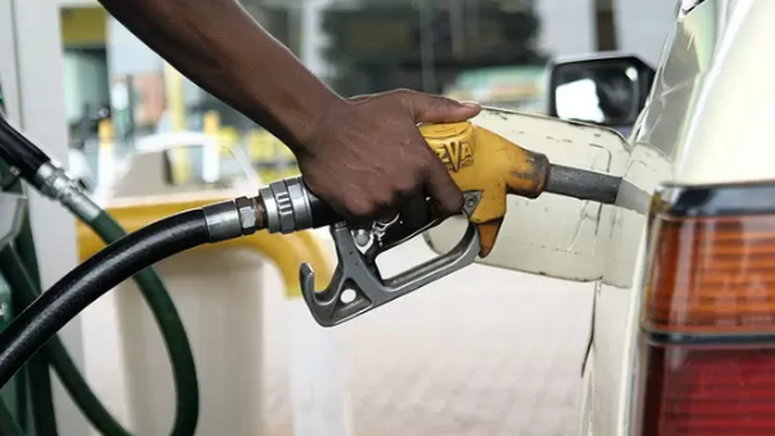

In the first quarter of the year 2026, the prices of premium motor spirit, PMS popularly known as fuel have increased significantly across African countries.
For a week now, fuel has not been sold below N1300/litre in Nigeria as against N850/litre it was previously sold.
WITHIN NIGERIA gathered that this price differences have become huge economic challenges in the affected countries.
However, even with such high price jump, the lowest prices in oil-producing nations is still Libya ($\approx$$0.02/liter) and the highest in countries relying on imports, such as Malawi ($\approx$$2.86/liter) and the Central African Republic ($\approx$$1.86/liter).
Findings showed that most nations maintain prices below $1.50 per litre. The cause of price fluctuation can be traced to import dependency of many countries.
List of Key Fuel Prices in Africa (USD per Liter, as at 1st quarter of 2026
Lowest Price Countries:
Libya ($\approx$$0.02), Angola ($\approx$$0.327), Algeria ($\approx$$0.354), Egypt ($\approx$$0.380–$0.449).
Moderate Price Countries: Nigeria ($\approx$$0.536–$0.76), Sudan ($\approx$$0.70–$1.05), Ethiopia ($\approx$$0.789).
Highest Price Countries: Malawi ($\approx$$2.86), Central African Republic ($\approx$$1.86), Senegal ($\approx$$1.54–$1.66), Zimbabwe ($\approx$$1.48–$1.60), Seychelles ($\approx$$1.40–$1.61), Ivory Coast ($\approx$$1.36–$1.47).
Region Impact of the price
It was gathered that countries with local refining capacity (Nigeria, Egypt, Algeria) generally have lower prices than those importing refined products.
The analysis of the price index equally showed that Central African Republic, Senegal, and Zimbabwe frequently top the list for the highest prices.
However, the volatility nature of the prices could be seen from the perspective that prices are subject to rapid changes based on subsidy removals and currency devaluation of some countries.
Economic impacts on Nigeria
The current fuel price hike in Nigeria is by no means having a significant economic impacts in the country’s economy.
At present the price has surged to over ₦1,300/liter in Nigeria, thereby causing severe economic contraction by accelerating inflation, slashing household purchasing power, and increasing operational costs for businesses
Aside that, it has also triggered higher transportation fares, raises food prices, reduces consumer spending on essentials, and also led to increased unemployment and social unrest.
Findings by our reporter showed that these impacts also include inflationary Pressures. It can also be seen that fuel price increases of 1% can trigger a 0.227% increase in the inflation rate.
Reduced Purchasing
Nigerians are currently facing higher transportation and food costs. This is due to the hike in fuel price. Again the country equally experiences a significant decline in real income. This economic situation has caused many households to limit spending on non-essential items.
Increased Business Costs
There is no gainsaying the fact that with the hike in fuel price, Small and Medium Enterprises (SMEs) now struggle with higher transportation and energy expenses, squeezing profit margins and hindering investment and expansion.
Transportation Fare Hikes
Commuter fares have increased dramatically, with reports indicating daily transport costs rising from ₦1,500 to over ₦5,000 in some cases.
Structural Economic Shifts
While high prices in a deregulated market, such as Nigeria’s, reflect global benchmarks (like oil prices and forex rates), they can also incentivize local refining and the search for energy alternatives.