
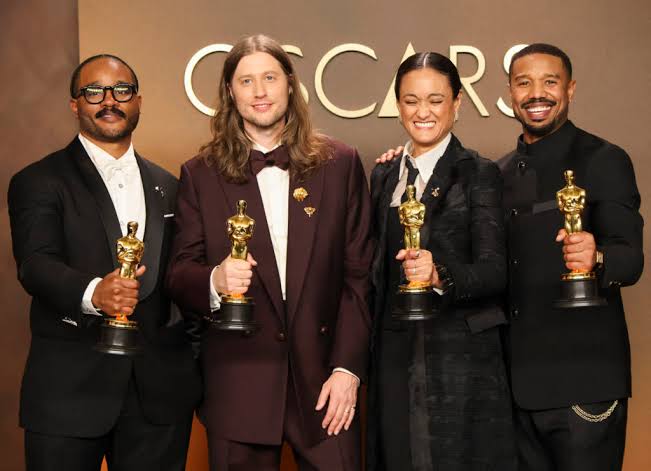
The 98th Academy Awards, held on March 16, 2026, at the Dolby Theatre in Hollywood, Los Angeles, was more than a celebration of film artistry and achievement for works released in 2025. It was a night of deep emotion, intense competition, breathtaking surprises, historic firsts, and moments that will shape how audiences and filmmakers view cinema for years to come.
The ceremony is always a place where industry history is made, but the 2026 Oscars stood out for defying expectations in virtually every corner of recognition. From the way awards were distributed across projects to the surprises in major acting categories and technical categories long considered predictable, the outcome revealed new dynamics in global filmmaking. Over the course of one night, the Academy not only crowned what it felt were the greatest achievements of the year, but also illuminated shifts in storytelling, performance excellence, and the growing influence of global cinema in mainstream Hollywood.
While the list of winners was made public immediately after the ceremony, many observers, critics, and even industry insiders were taken aback when comparing predictions to the actual outcomes. Surprises came not only in major categories, but also in technical recognition, new award categories, and the success of films that did not necessarily dominate box office charts, but connected deeply with audiences and Academy voters.
The surprises reflected both the evolving nature of the Oscars and a moment in cinema history where talent, timing, and cultural relevance converged in unexpected ways.
For anyone who watched the broadcast, or is studying patterns in awards history, this sequence of breakdowns aims to shed light on the stories behind the trophies.
Full List of Winners
Best Picture
One Battle After Another
Directing
Best Director: Paul Thomas Anderson — One Battle After Another
Acting
Best Actor: Michael B. Jordan — Sinners
Best Actress: Jessie Buckley — Hamnet
Best Supporting Actor: Sean Penn — One Battle After Another
Best Supporting Actress: Amy Madigan — Weapons
Writing
Best Original Screenplay: Sinners — Ryan Coogler
Best Adapted Screenplay: One Battle After Another — Paul Thomas Anderson
Technical and Craft Awards
Best Cinematography: Sinners — Autumn Durald Arkapaw
Best Film Editing: One Battle After Another
Best Production Design: Frankenstein
Best Costume Design: Frankenstein
Best Makeup and Hairstyling: Frankenstein
Best Sound: F1
Best Visual Effects: Avatar Fire and Ash
Best Casting: Cassandra Kulukundis — One Battle After Another
Music and Song
Best Original Score: Sinners — Ludwig Goransson
Best Original Song: Golden — KPop Demon Hunters
International and Documentary
Best International Feature Film: Sentimental Value (Norway)
Best Documentary Feature: Mr Nobody Against Putin
Best Documentary Short Subject: All The Empty Rooms
Animation and Shorts
Best Animated Feature: KPop Demon Hunters
Best Animated Short Film: The Girl Who Cried Pearls
Best Live Action Short Film (Tie): The Singers and Two People Exchanging Saliva
Surprises Within the 98th Academy Awards Explained
One Battle After Another Dominates Beyond Expectations
Most Academy watchers expected One Battle After Another to be a contender for Best Picture going into the ceremony, but few anticipated that it would leave with six Oscars, spanning major and technical categories. In addition to Best Picture and Best Director for Paul Thomas Anderson, this film also won Best Adapted Screenplay, Best Supporting Actor for Sean Penn, Best Film Editing, and Best Casting.
The realization that the Academy’s voters would give such broad support to a single project surprised many, because industry predictions originally favoured a more distributed awards spread across multiple films. While it was acknowledged as a strong candidate, many pundits expected its recognition to be limited to one or two major categories. The combination of victories in both narrative and technical domains underscored what many described afterward as a consensus among voters that the film represented excellence in storytelling and cinematic craft across the board.
Even more surprising was the Best Casting win for Cassandra Kulukundis, as this was the first year the Academy introduced this category. The recognition of casting directors as essential contributors to a film’s success had been discussed for years, yet no one anticipated that One Battle After Another would take home the inaugural Oscar in this category.
Autumn Durald Arkapaw Makes History as the First Woman to Win Best Cinematography
One of the most historic and emotionally resonant surprises of the night came with Autumn Durald Arkapaw’s win for Best Cinematography for her work on Sinners. This marked the first time in Oscar history that a woman was awarded in the cinematography category. Despite significant advancement by women in many areas of film craft over the past several decades, this award had long eluded female cinematographers, making her win both a breakthrough and a symbolic moment for gender representation in film technical fields.
Industry expectations leading up to the ceremony suggested strong competition from several veteran cinematographers known for dramatic visual style in films released in 2025. What many observers did not foresee was the Academy coalescing around a film whose visual language was praised for emotional intimacy and aesthetic nuance, rather than bold spectacle alone. Arkapaw’s win was met with widespread applause from filmmakers and the public alike, and triggered discussions about representation and opportunity in visual storytelling.
Her acceptance also became a memorable highlight of the evening, partly because she used the platform to acknowledge other women behind the camera whose contributions often go unnoticed. The moment was described by several film commentators that week as one of the defining cultural points of the 2026 Oscars.
Michael B. Jordan’s Crossover into the Best Actor Landscape
Michael B. Jordan’s victory for Best Actor in Sinners was another major surprise to many industry observers. While Jordan had been widely respected for his body of work leading up to 2025, and had previously received nominations and acclaim for various roles, few critics predicted he would win the top acting award, especially in a field that included many established veterans with decades of decorated careers.
Jordan’s performance was praised for its emotional complexity and depth, portraying a character grappling with moral ambiguity in a story that challenged audiences and voters alike. What made the win surprising was the early awards season trajectory; many pundits and public predictions had placed other actors at the forefront for acting recognition, particularly given the competitive slate of films released that year. His ascent transformed him that night from a celebrated actor into a defining award winner, signalling a shift in how the Academy values performances that blend visceral intensity with psychological subtlety.
After the announcement, there was a chorus of support from peers and audiences across social media and industry circles, many of whom felt that his win represented a new wave of acting talent being fully embraced at the highest levels of recognition.
Jessie Buckley’s Quiet Dominance in Best Actress
Jessie Buckley’s Best Actress win for Hamnet was another surprise that defied popular pre-ceremony expectations. The field included many accomplished actresses with decades of experience and award campaign momentum. While Buckley’s performance had been praised by critics and festival audiences, her win was still considered unpredictable in many awards forecasting circles, largely because her portrayal was understated by design and thrived on emotional nuance rather than theatrical spectacle.
The Academy’s recognition of her performance revealed a strong appreciation for depth, complexity, and emotional resonance that transcended the notion of star power alone. Her portrayal in Hamnet was described by critics as quietly transformative, and this shift toward valuing subtle emotional storytelling was perhaps the unexpected narrative that resonated most in her win.
Buckley’s victory was celebrated not only for its artistic merit, but also because it highlighted the Academy’s willingness to honor performances that might not have dominated mainstream media coverage, yet carried profound narrative weight within the film itself. After the ceremony, many commentators cited this as a sign that the Academy’s voting base was increasingly valuing emotional authenticity over publicity momentum.
Frankenstein’s Sweep of Technical Categories
When Frankenstein was released in 2025, it was widely anticipated to be a strong contender in technical categories. What surprised many was the extent to which it swept the visual and design-oriented categories, winning not just one or two awards, but capturing:
Best Production Design
Best Costume Design
Best Makeup and Hairstyling
This triple victory was unexpected in part because several other films with similar aesthetic ambition were in competition, and analysts speculated that the technical awards might be more evenly distributed. Frankenstein’s ability to claim all three design-related categories reflected a cohesive creative vision recognized by the Academy, but the scale of the sweep stood out as one of the night’s most memorable surprises.
Design critics in major publications following the ceremony emphasised how the film’s visual world was both immersive and meticulous, blending historical realism with imaginative interpretation in a way that resonated with voters who valued the tactile and visual craft of cinematic storytelling. For many viewers, the success of Frankenstein in design categories underscored that technical brilliance can shine independently of mainstream narrative recognition.
KPop Demon Hunters Breaks Boundaries with Dual Wins
One of the most culturally intriguing surprises of the night came from KPop Demon Hunters, which won Best Animated Feature and Best Original Song for “Golden.” The dual success of this title defied traditional expectations for animated films at the Oscars. Historically, animated features may earn recognition in storytelling or craft categories, but capturing both the Best Animated Feature and Best Original Song in the same year was decidedly rare.
The surprise was compounded by the fact that KPop Demon Hunters was a project that blended music, international influences, and visual innovation in a way that challenged conventional definitions of animated cinema. Its musical score and characters resonated with global audiences beyond typical animation fanbases, bringing a cultural vibrancy that the Academy recognized as both artistically outstanding and globally relevant. Seeing an animated film cross over from craft to musical acclaim stood out as one of the night’s most exciting upsets.
The Best Original Song win for “Golden,” in particular, highlighted how narrative music can elevate a film’s cultural impact. Rather than being relegated solely to performance or animation realms, this song’s success illustrated how animation and songwriting can intersect to create a piece of art that resonates emotionally and thematically with both voters and audiences alike.
Sentimental Value Wins Best International Feature Film
The Oscar for Best International Feature Film went to Sentimental Value from Norway, a choice that surprised many because several other international films had been widely discussed in awards season conversations. What made this win unexpected was not the film’s artistic quality, but the way it captured a global audience’s attention despite stiff competition from countries with larger film industries.
Sentimental Value was celebrated for its delicate balance of narrative depth and cultural specificity, and its win demonstrated the Academy’s continued commitment to honoring stories that transcend language barriers and connect on universal thematic levels. The recognition was viewed by many as a win for smaller international cinema ecosystems, reaffirming that global storytelling can find a place on the world stage, independent of commercial scale.
Mr Nobody Against Putin Wins Best Documentary Feature
Documentary categories often offer some of the most unpredictable results at the Oscars, and Mr Nobody Against Putin winning Best Documentary Feature was no exception. This documentary, with its politically urgent subject matter, challenged audiences to confront modern global political realities in a direct and unvarnished way.
While documentaries often tackle significant real-world themes, the surprise in this year’s outcome was rooted in how the film’s subject matter pushed beyond traditional documentary storytelling into urgent political discourse at a time when geopolitical dynamics were at the forefront of global attention. Its win reflected the Academy’s recognition that documentary cinema can play a vital role in shaping public understanding of contemporary history and international affairs.
The victory also sparked conversations about the role of documentary filmmaking in holding power accountable and informing civic engagement, making this award one of the most culturally potent of the evening.
Tie in Best Live Action Short Film
One of the rarest surprises at any Oscars is a tie, and the 98th Academy Awards featured just that in the Best Live Action Short Film category, with The Singers and Two People Exchanging Saliva both winning. Ties are uncommon in major ceremony outcomes, and when they happen, they often become immediately memorable moments because they defy the statistical odds of voting outcomes.
Both films were recognized for their distinct creative voices and storytelling strengths. The fact that the Academy could not singularly choose one over the other highlighted how evenly compelling and impactful both works were, and underscored a broader reality that short form cinema continues to be experimental, diverse, and artistically rich.
For many viewers, the tie represented a celebration of storytelling diversity and the acknowledgement that cinema can take powerful forms in formats of any length or style.
Studio Dominance by Warner Bros Surpasses Expectations
While Warner Bros was expected to do well, given its slate of strong films including One Battle After Another, Sinners, and Frankenstein, no one fully anticipated that the studio would tie a record by winning eleven Oscars in one night. This collective success was a surprise because studios rarely maintain such breadth across narrative, performance, technical, and musical categories all in the same award cycle.
The magnitude of Warner Bros’ success illustrated the studio’s strategic investment in diverse film projects that ranged from historically grounded epics to genre animation, revealing how a major studio can influence the cinematic landscape across multiple creative domains.
This achievement was widely discussed in industry analysis after the ceremony, with commentators noting that it reaffirmed the relevance and power of studios that continue to support robust artistic vision and global storytelling.
Closeout
The 98th Academy Awards, held on March 16, 2026, remains one of the most surprising, historic, and culturally rich ceremonies in recent memory. From the unexpected triumphs of films like One Battle After Another and KPop Demon Hunters, to the historic first female win in cinematography by Autumn Durald Arkapaw, the night offered moments that forever altered expectations about what the Oscars represent and how they recognize excellence in cinema.
Performances by Michael B. Jordan and Jessie Buckley underscored a shift toward valuing emotional depth and narrative authenticity over star-driven publicity campaigns. Technical achievements by Frankenstein and narrative innovations by documentary and international films highlighted the breadth of excellence across the global cinematic landscape.
The surprises within the 98th Academy Awards signify a moment in film history where artistic ambition, cultural resonance, and evolving audience values intersected with institutional recognition. These outcomes not only celebrated the achievements of individual artists and films, but also reflected broader trends in storytelling, representation, and creative exploration that continue to shape the future of global cinema.