

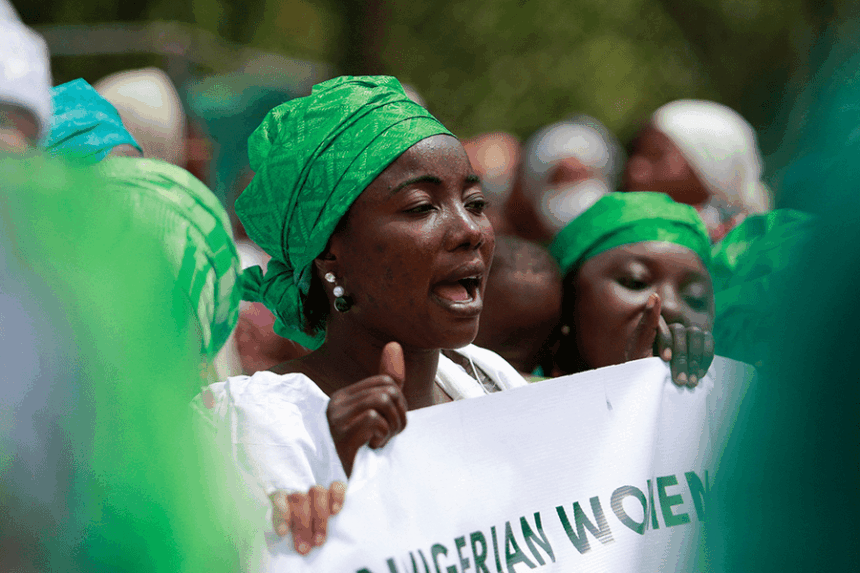
International Women’s Day in Nigeria has evolved from modest acknowledgment into a highly visible, multi-layered movement that reflects both local activism and global campaigns for gender equality. For many years, the recognition of women’s rights in Nigeria was largely confined to civil society circles, advocacy groups, and community celebrations. However, over time, the day has grown into a platform for national discourse on women’s inclusion, empowerment, and political participation. Yesterday, International Women’s Day, observed annually on March 8, is not only a celebration of achievements but also a call to action, linking Nigeria to a global movement that began more than a century ago.
Understanding the evolution of IWD in Nigeria requires tracing its historical roots, the gradual adoption by civil society, and the increasing involvement of government, media, and high-profile figures such as Senator Oluremi Tinubu, whose 2026 participation in Uyo reflects both symbolic and practical dimensions of women’s empowerment.
Before the 1990s: Origin of the Global Movement
International Women’s Day has its roots in women’s labour and suffrage movements that emerged in the early twentieth century, particularly in the United States and Europe. Between 1909 and 1911, the first International Women’s Day observances were held, advocating for women’s rights, social justice, and political participation. The date of March 8 became widely adopted after historic protests by women workers in Russia during World War I, which highlighted the intersection of economic exploitation and political disenfranchisement.
By 1977, the United Nations formally recognized International Women’s Day, encouraging member states to adopt the celebration and integrate gender equality into public discourse. Nigeria, as a member of the UN and a country with a vibrant civil society, gradually aligned its observances with this global movement. The foundational years set the stage for local adoption, connecting international principles with the lived realities of Nigerian women.
1990s–2000s: Early Recognition in Nigeria
During the 1990s, awareness of International Women’s Day began to gain traction in Nigeria, primarily through civil society organizations, women’s advocacy groups, and community initiatives. These early celebrations were often modest, featuring discussions, lectures, and cultural events that highlighted gender inequality, access to education, and women’s participation in leadership. While there was no formal public holiday, events were organized to coincide with the global IWD date, linking local activism with international advocacy.
Nigerian media began covering these events, amplifying the voices of women who sought equality in both political and economic spheres. Cultural celebrations, including plays, exhibitions, and discussions, became common features, providing a platform for women to engage with pressing social issues while also acknowledging achievements within their communities. The 1990s were a period of growing visibility, demonstrating that women’s rights were increasingly part of national conversations, even in the absence of official government recognition.
2016–2019: Growing Public Awareness
By the period between 2016 and 2019, International Women’s Day in Nigeria began attracting broader attention from both the media and governmental actors. Public awareness campaigns highlighted the achievements of Nigerian women in business, politics, and social leadership. Plays, rallies, and talks were organized to mark the day, emphasizing the importance of equality and opportunity. For example, media coverage in 2016 highlighted women who had achieved leadership positions and promoted policies aimed at expanding economic participation. Organizations increasingly used the day to engage the public on issues such as gender-based violence, health equity, and political representation.
The combination of cultural recognition and advocacy began to frame International Women’s Day as both a celebratory and strategic occasion, linking grassroots efforts with broader public discourse. This period marked the transition from civil society awareness to more coordinated public recognition, laying the groundwork for official events in the years that followed.
2022: Nigeria’s First Official IWD Gala
March 7–8, 2022, marked a milestone in the history of International Women’s Day in Nigeria with the first official IWD Awards Gala held in Lagos. This event was organized in collaboration with UN Women, UNDP, diplomatic missions, and local partners, and represented a formalization of IWD observances at a national level. The Gala recognized individuals and organizations that had championed women’s rights and encouraged political, social, and economic empowerment. It brought together policymakers, activists, and civic leaders to create tangible outcomes from the celebrations, including commitments to increase women’s participation in leadership roles.
The establishment of an awards mechanism demonstrated a shift toward institutional recognition, acknowledging that women’s empowerment requires formal validation alongside grassroots activism. The Gala also emphasized networking and mentorship, enabling younger women to connect with experienced leaders across sectors.
2023: Stadium Celebrations and Public Mobilization
On March 8, 2023, International Women’s Day in Nigeria saw unprecedented mass participation, with thousands of women gathering in stadium events in Lagos. Participants donned purple, the symbolic color representing justice and dignity, and the events highlighted the importance of gender equality and empowerment. This public mobilization extended the reach of IWD beyond traditional civil society groups, creating a visually impactful celebration that attracted media coverage and public attention.
Activities included workshops, empowerment sessions, cultural performances, and public addresses by leading advocates. The stadium format reflected a broader commitment to inclusivity, aiming to engage women from diverse backgrounds while amplifying messages about systemic inclusion across sectors. The event underscored that International Women’s Day was becoming both a symbolic and practical vehicle for promoting equality, linking celebration with advocacy.
2024: Community and Symposium Events
In 2024, International Women’s Day observances in Nigeria expanded to include localized symposiums, panel discussions, and community-based initiatives across the country. States like Abia hosted focused events addressing women’s inclusion, investment, and leadership. Civil society organizations and hubs coordinated discussions on economic empowerment, political participation, and social equity.
These events emphasized actionable outcomes rather than symbolic gestures, linking advocacy with policy recommendations and community engagement. The decentralized approach ensured that the message of IWD reached beyond urban centers and formal institutions, creating grassroots networks that reinforced the goals of gender equality. It also highlighted the evolving role of civil society in driving accountability and ensuring that women’s rights are not merely celebrated but protected and advanced.
2025: Major National Observances
The year 2025 saw a multi-sectoral approach to International Women’s Day in Nigeria, reflecting the growing maturity of the observance. Large-scale celebrations took place in Lagos and Benue, combining joyful festivities with formal recognitions by legislative bodies. These events emphasized the importance of tangible actions toward gender equality, including policy advocacy and social interventions. The World Health Organization Nigeria honored women in healthcare, reinforcing commitments to health equity and women’s empowerment.
Sports activities and cultural events organized by the National Olympic Committee Women’s Commission engaged communities in Lagos, Abuja, and Owerri. In Kaduna, peacebuilding initiatives highlighted the leadership roles women play in promoting social cohesion. At the same time, critiques emerged from organizations such as the League of Women Voters of Nigeria, who drew attention to setbacks in women’s political representation, reminding the nation that progress was uneven and ongoing challenges remained.
2026: Current Observances
On March 8, 2026, Nigeria observed International Women’s Day with events including the “Walk Her Power” march in Lagos, linking local activism with global IWD themes. In Uyo, Akwa Ibom State, the celebration took place at the Godswill Akpabio International Stadium, drawing thousands of women from across the state. Senator Oluremi “Remi” Tinubu, the First Lady of Nigeria, served as the special guest. She emphasized the 2026 theme, “Rights, Justice, Action for All Women and Girls,” advocating for active and purposeful roles for women in society.
Her address highlighted the importance of protecting rights, promoting education, advancing healthcare, and empowering women economically. Beyond speeches, the event featured practical initiatives, including the commissioning of a modern Senior Citizens Centre designed to provide healthcare, recreation, and social support for the elderly, demonstrating how IWD celebrations can combine symbolic recognition with concrete outcomes.
Integration of Policy, Leadership, and Community Development
The 2026 IWD observances illustrated how celebrations can intersect with governance and policy priorities. Women publicly endorsed President Bola Ahmed Tinubu for re-election in 2027, as well as Governor Umo Eno and Senate President Godswill Akpabio, highlighting the political resonance of the event. State and national officials participated, linking women’s empowerment with local development strategies and infrastructure projects.
The theme emphasized rights, justice, and action, making clear that empowerment requires active participation, legal protections, and societal commitment. The combination of leadership presence, political engagement, and tangible social projects reflected a maturation of IWD in Nigeria, showing that the day is no longer merely symbolic but a platform for measurable impact.
Summary of the Evolution from 1990s to 2026
International Women’s Day in Nigeria has transitioned from civil society awareness to national mobilization. Early recognition focused on community advocacy and modest celebrations. The 2016–2019 period saw growing public awareness and media coverage. The first official awards gala in 2022 institutionalized recognition of women’s achievements. Stadium events in 2023 expanded public participation, while symposiums and community events in 2024 emphasized actionable outcomes.
The 2025 observances integrated multiple sectors, highlighting health, sports, peacebuilding, and critiques of systemic challenges. By 2026, celebrations demonstrated the integration of federal leadership, political endorsements, and infrastructure projects, aligning local observances with global IWD themes and emphasizing measurable impact.
Why This History Matters
Tracing the evolution of International Women’s Day in Nigeria shows how a global movement can be localized and expanded to create both symbolic and practical change. The observances reflect the achievements of women, the ongoing challenges they face, and the strategic engagement of government, civil society, and high-profile figures. From grassroots advocacy to large-scale rallies and policy-focused events, IWD in Nigeria exemplifies how celebration, recognition, and actionable initiatives can combine to advance gender equality.
The participation of figures like First Lady Remi Tinubu demonstrates that leadership visibility can reinforce the importance of rights and empowerment, while infrastructure projects and community-based initiatives highlight the practical side of advocacy. International Women’s Day continues to evolve, serving as both a mirror of societal progress and a catalyst for further change in Nigeria.