
For many years in Nollywood, actors focused mainly on acting. They showed up on set, delivered their roles and collected their fees. Today that model is changing. More Nigerian actors are now becoming producers and founders of their own production companies. This shift is not accidental. It is driven by the need for creative freedom, better income and long term relevance in a fast changing film industry.
Across Nollywood, some of the most respected actors now run production companies that create films, series and even television content. These companies allow actors to control the kind of stories they tell and how those stories reach audiences.
The search for control and ownership

One major reason actors start production companies is control. Many actors have spoken openly about being tired of weak scripts, poor production quality and rushed filmmaking. By owning a production company, an actor can choose the script, the director, the cast and even the final edit.
Genevieve Nnaji is one of the clearest examples of this shift. She founded The Entertainment Network, widely known as TEN. Through this company, she produced the film Road to Yesterday in 2015. Later, she produced and directed Lionheart in 2018. Lionheart became the first Nigerian film acquired by Netflix. This achievement showed that when actors control their projects, they can meet global standards and reach international audiences.
In 2023, she was credited as an executive producer on I Do Not Come to You by Chance, a film adaptation of a novel, shown at the Toronto International Film Festival
Genevieve has explained in interviews that she wanted to tell Nigerian stories with care and quality. TEN gave her the platform to do exactly that. She spoke about building Nigerian cinema and driving creative ownership in 2024 while representing TEN at an international forum.
Building long term careers beyond acting
Acting careers can be unpredictable. Roles slow down with age, trends change and audiences move on. A production company gives actors something more stable. It allows them to stay relevant even when they are not on screen.
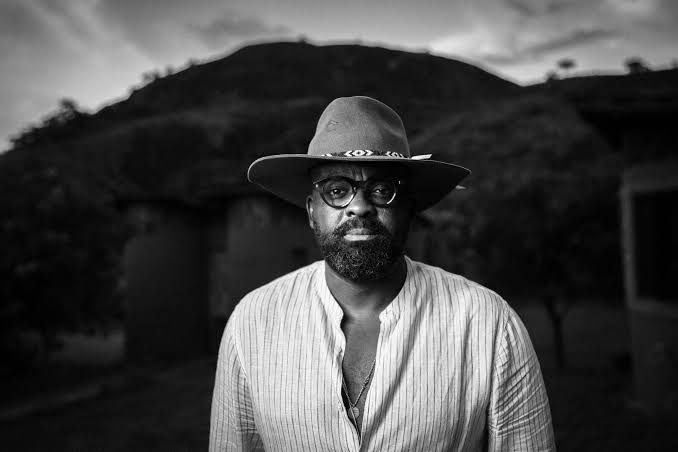
Kunle Afolayan represents this path clearly. He started Golden Effects Pictures in the mid 2000s. Through this company, he produced films such as The Figurine, Phone Swap and October 1. These films marked a turning point in modern Nollywood by raising technical and storytelling standards.
Afolayan did not stop at producing films. He expanded into film education and larger scale projects like his one-of-a-kind KAP film village. His journey shows how an actor can build a lasting brand through production.
Turning popularity into business power

Many Nigerian actors have strong fan bases. Social media has increased their reach and influence. Production companies allow actors to turn that popularity into real business value.
Funke Akindele is one of the strongest examples. She built her production structure through Scene One Film Production and later expanded her content operations. Her film Omo Ghetto The Saga became one of the highest grossing Nigerian films ever.
Funke Akindele Network FAAN TV was also founded by her. It is a film and PR production company, known as the powerhouse behind blockbuster movies like Battle on Bukka Street and A Tribe Called Judah, offering a 360-degree approach to filmmaking, production, and public relations for Nigerian cinema.
Because Funke Akindele controls her productions, she can write, produce, direct and act in her films. She also controls distribution deals and cinema releases. This level of control is only possible through owning a production company.
Creative freedom and cultural storytelling
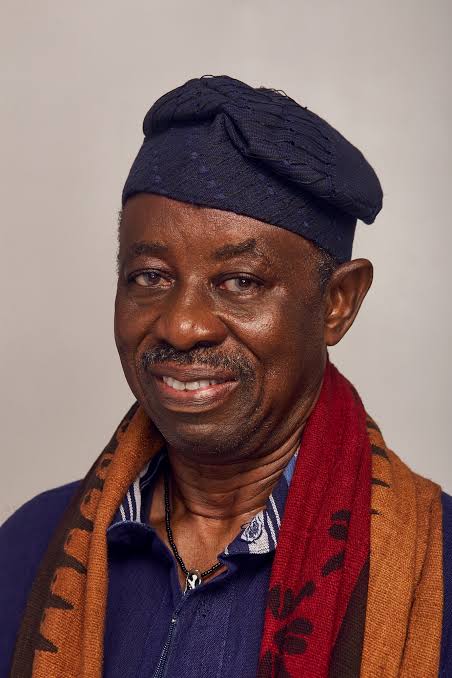
Some actors start production companies because they want to tell specific kinds of stories. Veteran actor and filmmaker Tunde Kelani founded Mainframe Films and Television Productions in 1991. Through Mainframe, he focused on stories rooted in Yoruba culture, literature and tradition.
Mainframe produced films such as Saworoide, Agogo Eewo and Maami. Kelani used his company to protect cultural storytelling and maintain high standards over decades. His work proves that actor led production companies are not a new idea but one that has grown stronger over time.
Expanding into directing and producing
Many actors naturally move into directing and producing. Having a production company makes this transition easier.
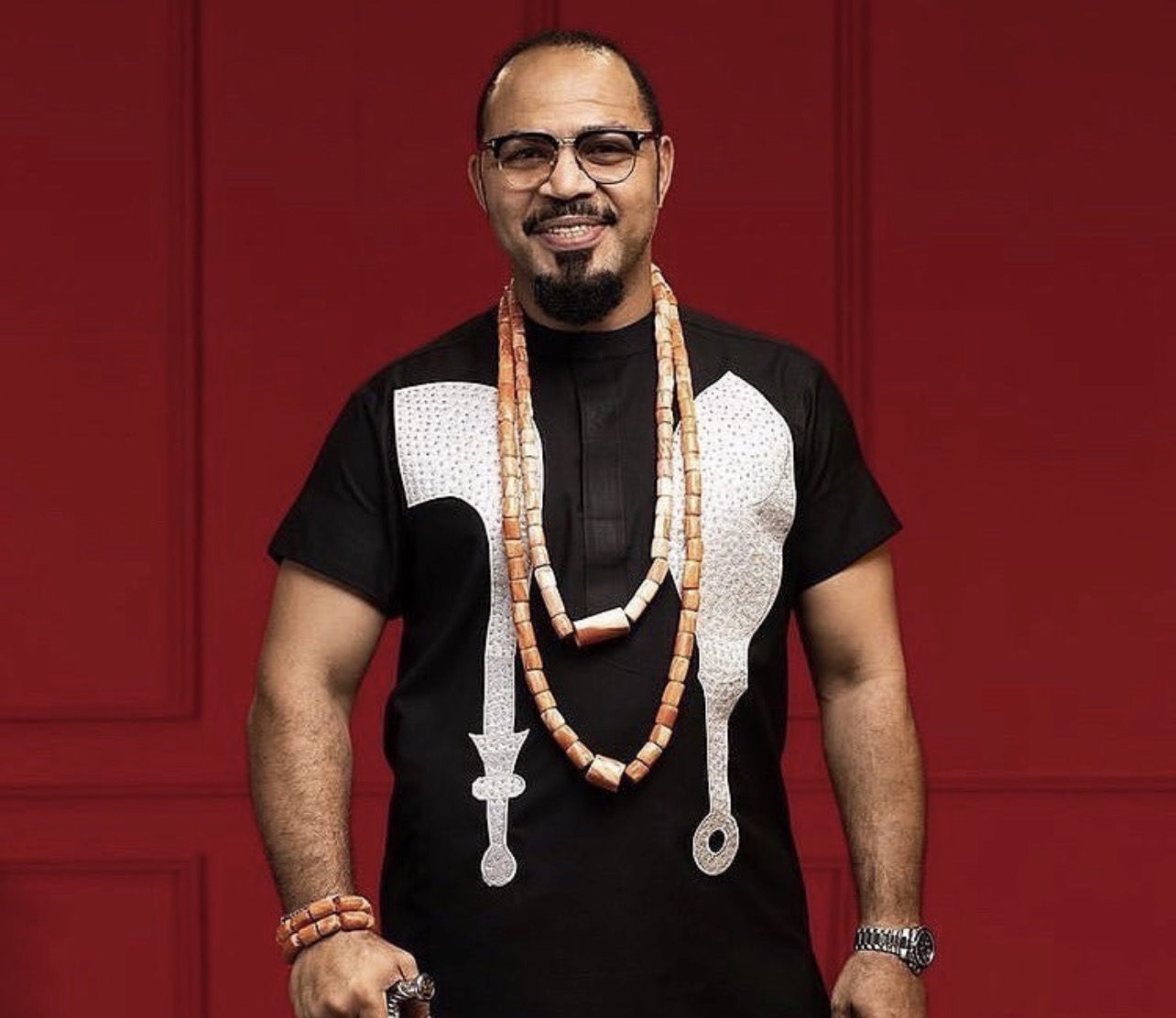
Ramsey Nouah founded Ramsey Films and later moved into directing. He directed films such as Living in Bondage Breaking Free. His company allowed him to step behind the camera while still maintaining his acting career.
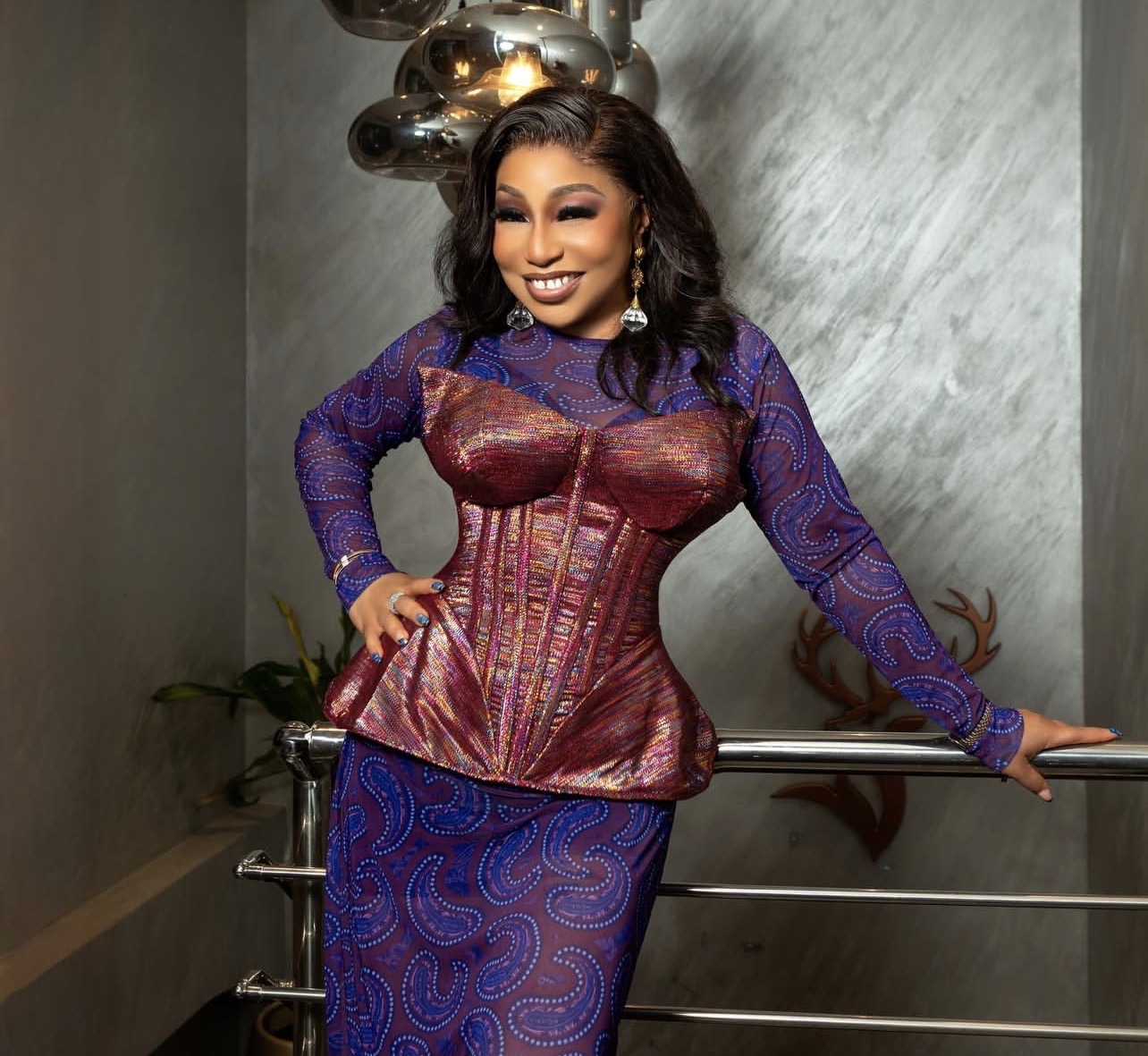
Rita Dominic followed a similar path. She runs Rita Dominic Productions and also co founded The Audrey Silva Company. Through these companies, she has produced films and large scale events. Her production work shows how actors can diversify beyond acting into film, events and media production.
New generation actors following the path
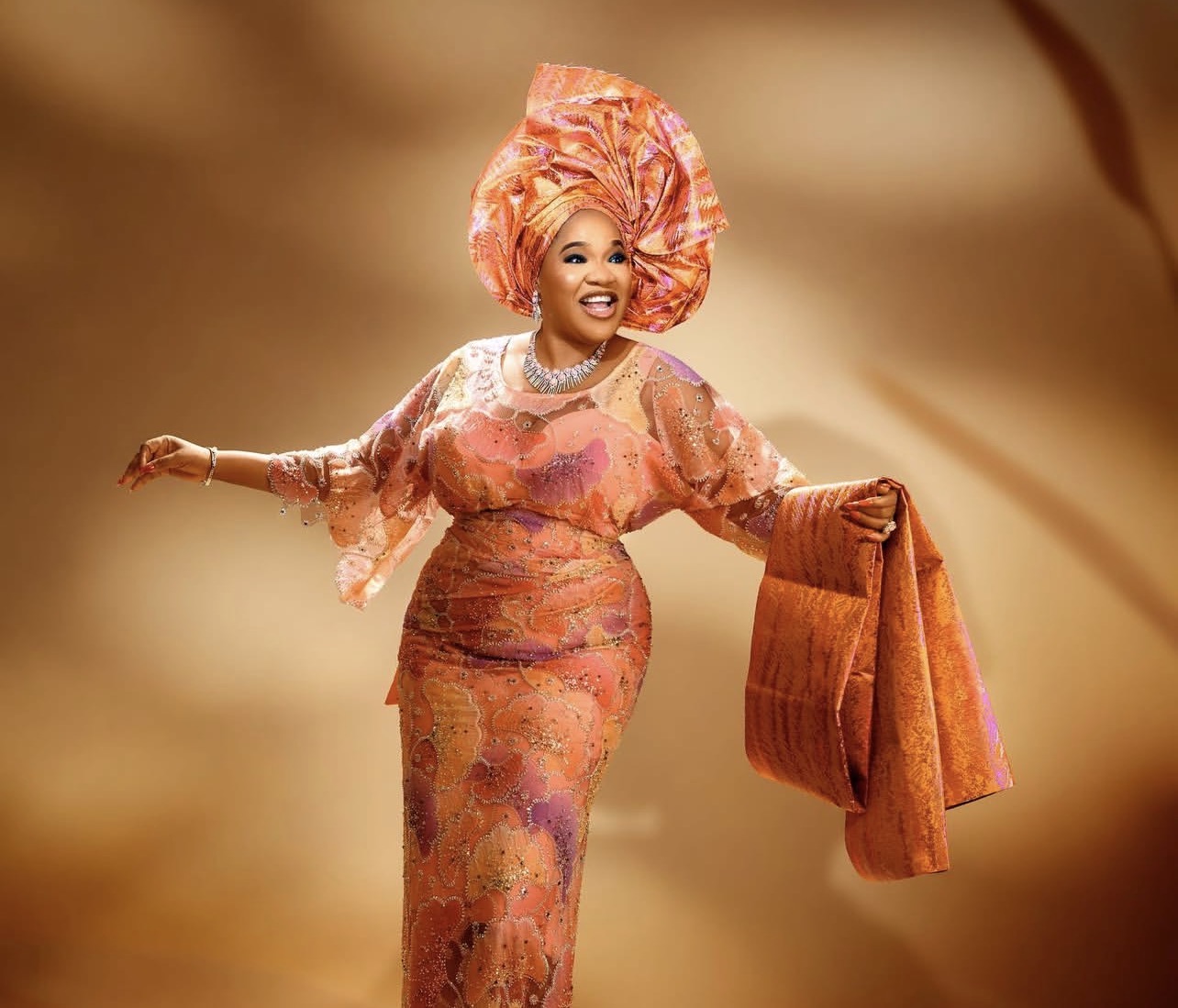
Younger actors are also adopting this model. Toyin Abraham runs Toyin Abraham Productions. She now produces and stars in her own films regularly. This allows her to control her image and create films that connect directly with her audience. The venture has produced successful films like Fate of Alakada(2020), The Ghost and the Tout Too (2021), Ijakumo: The Born Again Stripper (2022), Malaika(2023), Oversabi Aunty (2025) amongst others.
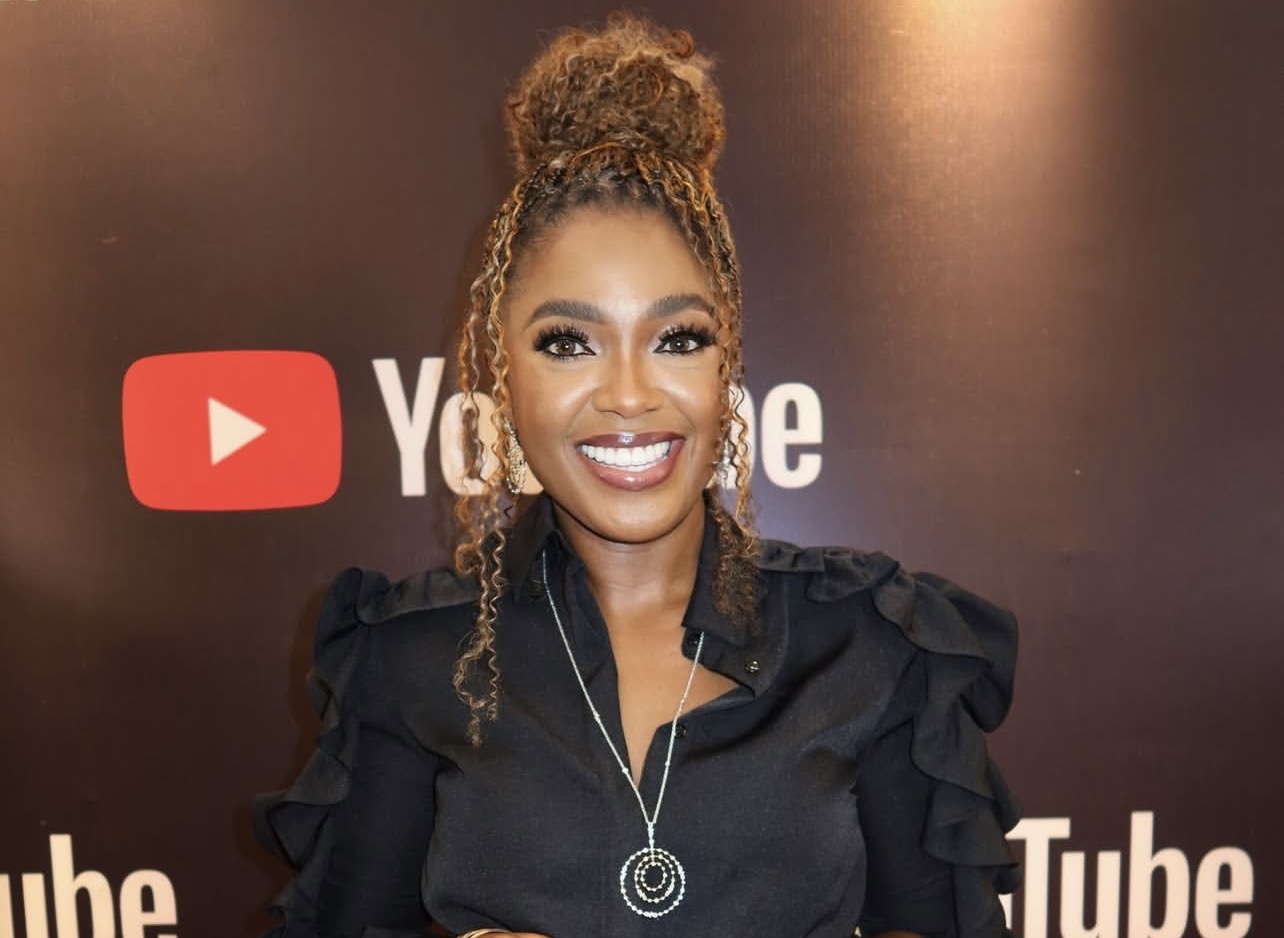
Omoni Oboli owns her own production company called Dioni Visions Limited. It has produced several high-grossing movies such as Being Mrs Elliott, Wives on Strike, and Okafor’s Law. In October 2025 she also co-founded another joint Canadian-Nigerian production company named NicaPro. The venture plans to produce six feature films over the next three years, bridging the film industries of both countries.
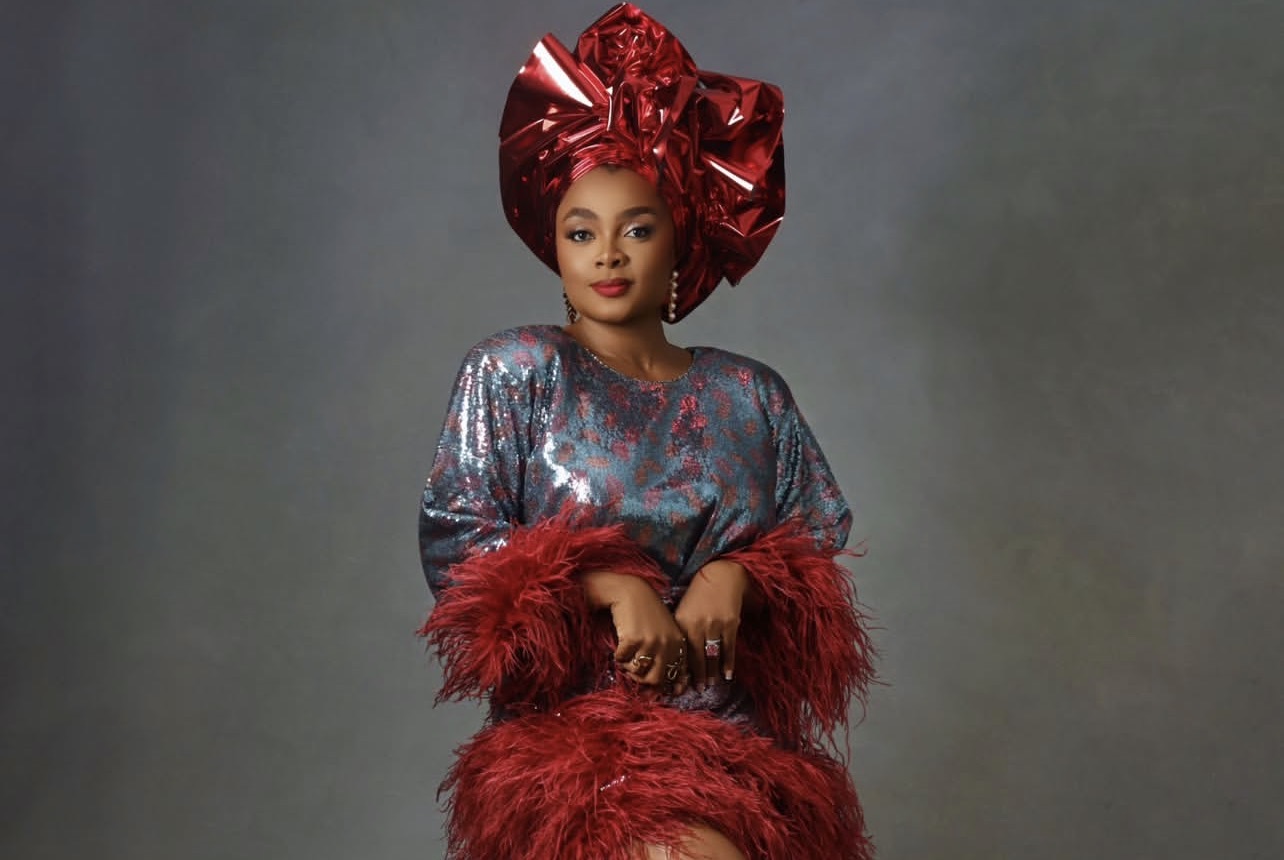
Bimbo Ademoye founded her A3 production company in 2023. Adekunle.Abdulyekin.Ademoye studios was named after her father.
Financial reasons and global opportunities
Another strong reason actors become producers is money. Acting fees are limited. Production ownership allows actors to earn from box office sales, streaming rights and licensing deals.
With platforms like Netflix and Amazon Prime showing interest in Nigerian content, owning a production company puts actors in a better position to negotiate deals. Instead of being paid once, they earn over time.
Lionheart, Omo Ghetto The Saga and October 1 all show how ownership changes financial outcomes for actors.
Challenges remain
Running a production company is not easy. Funding is still a major challenge. Distribution is not always guaranteed. Not every actor producer succeeds.
However, despite these challenges, more actors continue to choose ownership over dependence.
A new Nollywood structure
The rise of actor owned production companies is reshaping Nollywood. Actors are no longer just performers. They are creators, business owners and industry leaders.
This change is improving film quality, expanding Nigerian stories globally and creating stronger career paths for actors.
As Nollywood continues to grow, actor led production companies will remain central to its future.