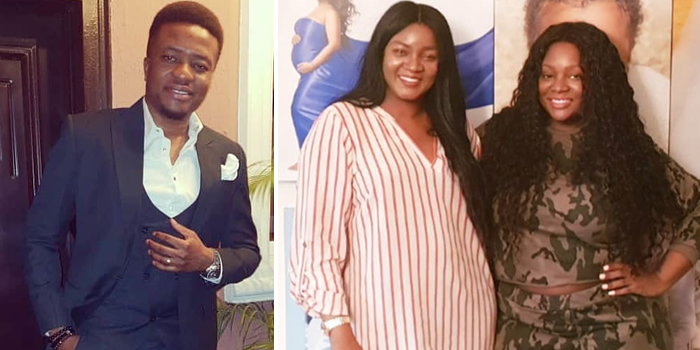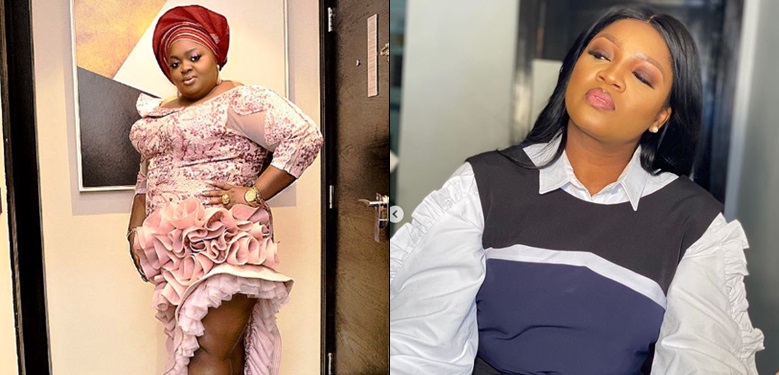


At an evening designed for elegance, influence, and celebration, an unexpected moment stole the spotlight. During the 46th Miss Nigeria Patrons & Board Dinner in Lagos, Nollywood icon Omotola Jalade-Ekeinde found herself at the centre of a now-viral exchange that has since dominated social media.
What began as a routine red carpet interview quickly turned tense when a presenter opened with a seemingly simple question. Visibly taken aback, Omotola questioned the approach, pushing back at what she perceived as an unprofessional request.
The Moment That Sparked Reactions

Nollywood icon Omotola Jalade-Ekeinde made headlines following a viral interaction at the 46th Miss Nigeria Patrons and Board Dinner in Lagos on Sunday, March 22, 2026. The veteran actress was among the high-profile guests at the prestigious gathering celebrating the long-running pageant, but what was expected to be a routine red-carpet exchange quickly turned into one of the most talked-about moments of the night.
During a live segment, a young presenter approached her with what appeared to be a standard prompt, saying, “Welcome to 2026 Miss Nigeria…. I am currently live with…?”. He was effectively requesting that she introduce herself to viewers. The question immediately shifted the tone.
Visibly surprised, Omotola paused before responding, “I should tell you my name?” and then added, “You are not ready,” making her displeasure clear. As the presenter tried to clarify that he knew her but needed to properly introduce her to his audience, he stumbled over her name, mispronouncing it as “Omoade Jolade.” That slip appeared to further irritate the actress. Clearly unimpressed, she pushed back again, saying, “Why should I tell fans, to know me? Dude, I am tired. Are you going to do this….”
She initially moved to disengage from the interview but momentarily allowed him another chance to continue properly. However, the exchange remained strained, and when he faltered again and made a physical attempt to get her attention, she firmly shut it down with, “Don’t touch me,” before walking away.
The presenter, later identified as content creator ad_vee1, maintained that he knew who she was and only intended for his “fans could know,” explaining that his approach followed a casual, street-style or or “Egungun/Largatha-style” interview format he had used successfully with other celebrities at the event, including Iyabo Ojo.
The moment, captured against the polished backdrop of an evening that also featured stars like Rita Dominic, Ini Edo, and Funke Akindele, quickly spread across social media, sparking debate about media etiquette and celebrity expectations. While some, including Femi Branch, argued that a veteran of her stature should be properly introduced, others like Tunde Ednut suggested she could have been more patient with a young creator still learning the ropes.
Who Is Omotola Jalade-Ekeinde?

Few names in Nollywood carry as much weight as Omotola Jalade-Ekeinde. Born on February 7, 1978, in Lagos, she rose to prominence in the mid-1990s and has since become one of the most recognisable faces in African cinema.
With a career spanning over three decades, she has appeared in more than 300 films, earning widespread acclaim and building a reputation as one of Nollywood’s most bankable and enduring stars. Her breakout role in Mortal Inheritance (1996) not only brought her early fame but also earned her major awards, setting the tone for a career defined by consistency and influence.
Conclusion: Why the Moment Sparked Reactions
Beyond acting, Omotola Jalade has expanded into music, philanthropy, and global advocacy, further cementing her status as a multifaceted public figure. In 2013, she was named among Time magazine’s 100 most influential people in the world, an acknowledgment of her impact beyond Nigeria’s borders.
Often referred to by fans as “Omosexy,” Omotola represents a generation of Nollywood pioneers who helped shape the industry into a global cultural force. Her longevity, influence, and iconic status help explain why a seemingly simple request to “introduce herself” at a high-profile event struck many as unexpected and, to some, inappropriate.
For some, her reaction underscored a question of respect. As a veteran with decades of influence, being asked to introduce herself was seen as unnecessary. It was also regarded as an indication of poor preparation or a lack of awareness from the interviewer. In that light, her response was interpreted as a defence of status and professionalism.
For others, however, the discomfort lay not in the question, but in the delivery of her response. Critics argued that regardless of intent, the exchange highlighted the power imbalance between established stars and emerging media personalities.
The incident also reflects the evolving nature of media itself. In an era of live streaming and viral clips, traditional interview formats often blur with more casual, audience-facing approaches.
Ultimately, the reactions were amplified by the speed and nature of social media, where context is often compressed into seconds-long clips and opinions form instantly. What unfolded at the event became a much larger conversation about preparedness, respect, perception, and the shifting dynamics between public figures and the media that covers them.