
In March 2026, Nigerians woke up to one of the most dramatic petrol price increases in recent memory, with pump prices crossing the ₦1,000 per litre mark in many cities. By the first week, some stations were charging as high as ₦1,080 per litre, sparking immediate panic, long fuel queues, and a surge in transport fares across the country.
The rapid increase was felt in Lagos, Ibadan, Abuja, and other major urban centres, leaving citizens and businesses scrambling to adapt. While the government cited market-driven adjustments and refinery pricing policies, the sudden jump triggered public debate over economic planning, energy policy, and the impact of subsidy removal introduced in May 2023.
This article provides a comprehensive breakdown of the events, causes, and implications of the March 2026 petrol price surge.
The Sudden Price Shock
In the first week of March 2026, petrol prices skyrocketed in Nigerian cities, taking motorists by surprise. In Lagos, prices were observed between ₦1,020 and ₦1,080 per litre, while in Ibadan, stations charged anywhere from ₦1,020 to ₦1,100. Many private marketers in both cities sold petrol at rates above ₦1,030, with select stations reaching ₦1,040 per litre. Prior to the surge, petrol had been selling at ₦920 to ₦975 per litre only a few days earlier, indicating a sudden increase of over ₦100 in a very short period.
For ordinary Nigerians, this price hike represented one of the highest pump rates in the nation’s history. Many commuters, traders, and businesses felt the immediate pinch as fuel consumption forms the backbone of daily activity. The suddenness of the spike left citizens questioning why such a large jump occurred without warning and how it would affect their already stretched household budgets.
Timeline of the March Price Increase
The petrol price spike did not happen arbitrarily. Evidence from market monitoring and NNPC announcements provides a clear timeline of the escalation.
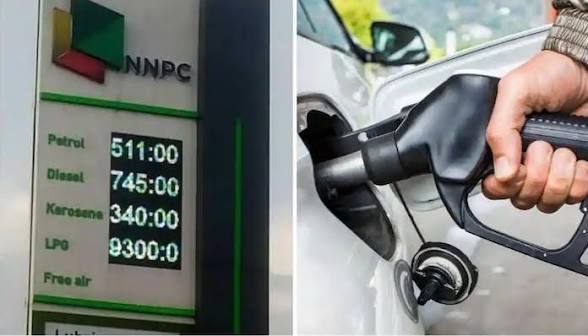
March 4, 2026 – The Nigerian National Petroleum Company (NNPC) officially raised prices at its retail outlets. Lagos stations adjusted prices to ₦933 per litre while Abuja stations charged ₦960. The official hike alone represented roughly a ₦100 increase from previous rates.
March 6–7, 2026 – Independent marketers responded by raising pump prices further, with reports indicating rates between ₦1,030 and ₦1,080. Some stations even charged as much as ₦1,100 per litre. This rapid increase shocked motorists because no official public announcement had been made ahead of the adjustment, leaving them unprepared for the financial impact.
The quick succession of these increases created the perception of fuel scarcity, even when supply pipelines remained relatively intact.
Cities Most Affected
While the surge was nationwide, certain urban centres experienced more dramatic effects.
Ibadan – Prices ranged from ₦925 to ₦1,080 per litre. Citizens reported long queues at most stations, particularly at outlets still selling below ₦1,000. The scramble to secure fuel before further increases led to congestion and delays.
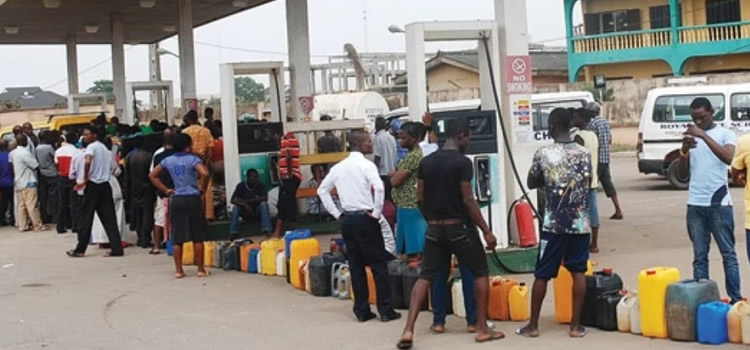
Lagos – The commercial capital saw rates between ₦1,020 and ₦1,080 per litre. While some stations continued selling at slightly lower rates, heavy patronage at these outlets created significant lines of motorists waiting hours to fill their tanks.
Abuja – Fuel prices approached ₦1,080 per litre at major stations. The Federal Capital Territory experienced the twin effects of higher costs and increased demand, reflecting how policy shocks are amplified in urban centres with dense populations.
The pattern showed that regions with larger vehicle populations faced more pronounced pressure, while rural areas experienced slightly slower price escalations due to lower demand density and smaller marketing networks.
Why Fuel Queues Returned
The resurgence of long queues was caused by three major factors:
Temporary Station Closures – Many stations closed their gates temporarily while waiting for new supplies or official guidance on updated pump prices. The closure of some outlets created an artificial shortage, prompting motorists to travel longer distances in search of open stations, often carrying jerry cans to stock up.
Rush for Cheaper Fuel – Stations that managed to sell petrol below ₦1,000 per litre quickly became overcrowded. Panic buying escalated, with many drivers filling their tanks multiple times or purchasing extra for resale. This behavior intensified waiting times and contributed to congestion in key commercial areas.
Supply Adjustments by Retailers – Retail marketers paused sales to adjust for the new ex-depot prices and avoid losses from selling older stock too cheaply. These supply pauses, coupled with higher wholesale costs, magnified the perception of scarcity and increased consumer anxiety.
Underlying Causes of the Price Increase
Several structural and market-based factors combined to produce the sudden price surge.
Dangote Refinery Price Adjustment – The Dangote Refinery raised its ex-depot petrol price from approximately ₦874 to ₦995 per litre. Given the refinery’s dominance in the national supply chain, the increase rippled across retail stations nationwide, effectively raising the baseline cost of fuel.
Global Oil Market Tensions – International crude oil prices climbed amid geopolitical tensions involving the United States, Israel, and Iran. Brent crude reached around $92 per barrel, directly influencing the cost of producing petrol and shipping it to Nigeria. Higher international crude prices inevitably translated into increased local fuel costs.
Effects of Subsidy Removal – Since the removal of petrol subsidies in May 2023, prices have been subject to market forces, causing fluctuations based on global oil prices and exchange rate movements. The March 2026 surge reflected the reality of a deregulated pricing system in which consumers bear full exposure to global price volatility.
Exchange Rate Pressures – Nigeria imports key inputs for refining and fuel distribution, including blending components and logistical services. Depreciation of the naira raises local fuel costs, as importers must spend more naira to purchase these critical inputs from international markets.
Immediate Impact on Transport Fares
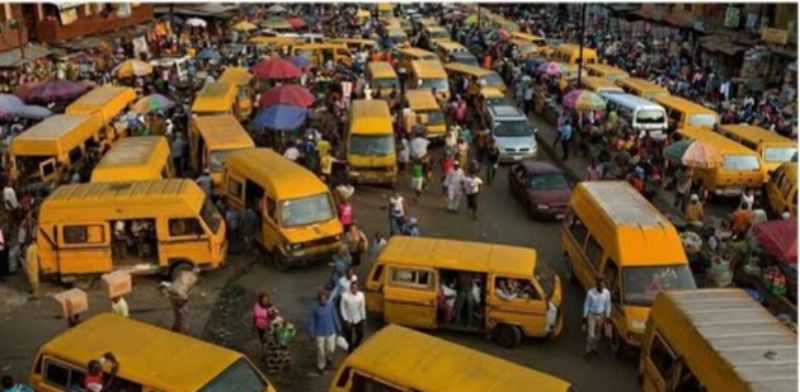
Transportation was the first sector to respond to the price surge. Commercial drivers quickly raised fares to compensate for rising fuel expenses, affecting commuters and local businesses. Examples from Ibadan illustrate the changes:
Mokola → Ojoo increased from ₦500 to ₦600
Dugbe → Moniya jumped from ₦600 to ₦900
Molete → Odo-Ona went from ₦500 to ₦600
New Garage → Iwo Road rose from ₦700 to ₦800
For many drivers, fuel consumption now represents a significant portion of daily income, making fare increases unavoidable. These hikes, in turn, have knock-on effects on the cost of goods transported and overall economic activity.
Broader Economic Ripple Effects
Fuel price surges do not affect only motorists. The economy feels immediate pressure in multiple sectors:
Transportation – Bus fares and ride-hailing charges increase, burdening commuters and workers
Food Prices – Higher transport costs for farm produce drive up prices in urban markets, affecting households with limited budgets
Small Businesses – Shops and small-scale manufacturers relying on generators face higher operational costs, reducing profit margins
Household Budgets – Families must spend more on fuel and transportation, leaving less disposable income for other essentials
The March 2026 surge underscores how sensitive Nigeria’s economy is to energy price fluctuations, highlighting the interconnectedness of fuel costs with overall living standards and inflation.
Public Reaction and Psychological Impact
The crossing of the ₦1,000 per litre barrier created a psychological shock. Citizens expressed frustration and disbelief, noting the lack of advance warning and the steepness of the increase. Social media platforms were filled with anecdotes of long queues, motorists stranded due to empty tanks, and businesses scrambling to adjust pricing.
For many Nigerians, ₦1,080 per litre represents a symbolic threshold that signals the full impact of subsidy removal and deregulated pricing, making daily life more expensive almost overnight.
Economists note that crossing the ₦1,000 mark is not merely a financial metric. It reflects Nigeria’s transition to fully market-driven fuel pricing, exposing the population to global oil market volatility.
The March 2026 surge serves as a stark reminder of the real-world consequences of deregulated energy markets and the necessity for households and businesses to adapt to new cost realities.
What Could Happen Next
Analysts warn that petrol prices may continue fluctuating depending on several factors:
Changes in global crude oil prices
Naira exchange rate movements
Refinery supply and output adjustments
Transportation and distribution costs
Projections suggest prices could approach ₦1,100 to ₦1,200 per litre if global crude prices rise further or if refinery supply constraints persist. Policymakers and energy companies will need to monitor both domestic and international developments to stabilize supply and maintain affordability.
Bottom Line
The March 2026 petrol price surge in Nigeria resulted from multiple converging pressures:
Price adjustments by the Dangote Refinery
Global oil market tensions
Market-driven pricing after subsidy removal
Temporary supply disruptions
Panic buying at cheaper stations
The consequences were immediate and visible: fuel queues reappeared, transport fares spiked, and the cost of living increased across the country. Beyond the short-term challenges, this surge illustrates the enduring vulnerability of Nigeria’s energy sector to both domestic policies and global market shifts. Citizens, businesses, and policymakers must now navigate a new era of fuel pricing that reflects market realities, global volatility, and evolving domestic economic pressures.